





RTX Spark Launches Oct 16 | AI-Powered Windows PCs Create $50B+ Hardware Upgrade Opportunity for Sellers
- NVIDIA-Microsoft partnership enables local LLM execution on Windows; preorders open immediately with October 16 laptop availability; creates urgent demand for AI-capable computing accessories, software tools, and enterprise solutions across 8 major OEM manufacturers





Overview
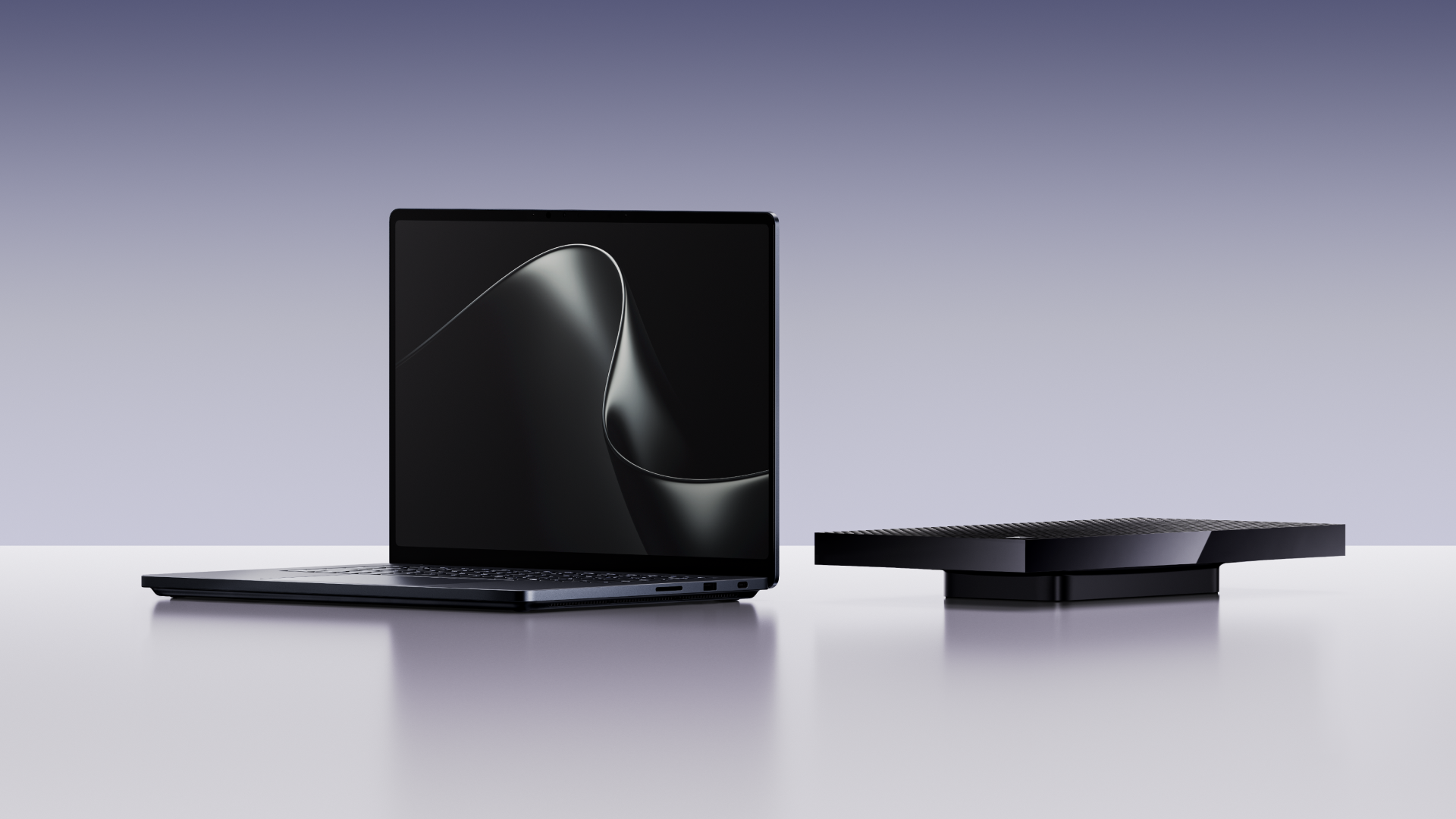
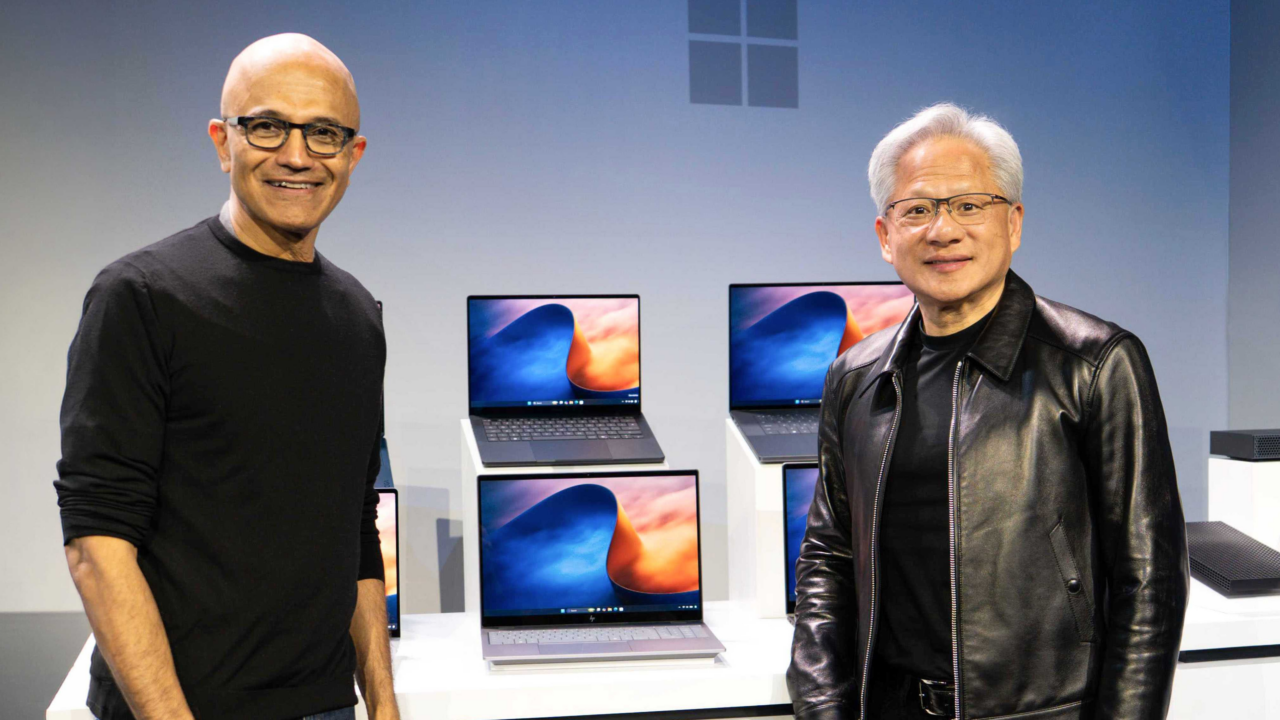
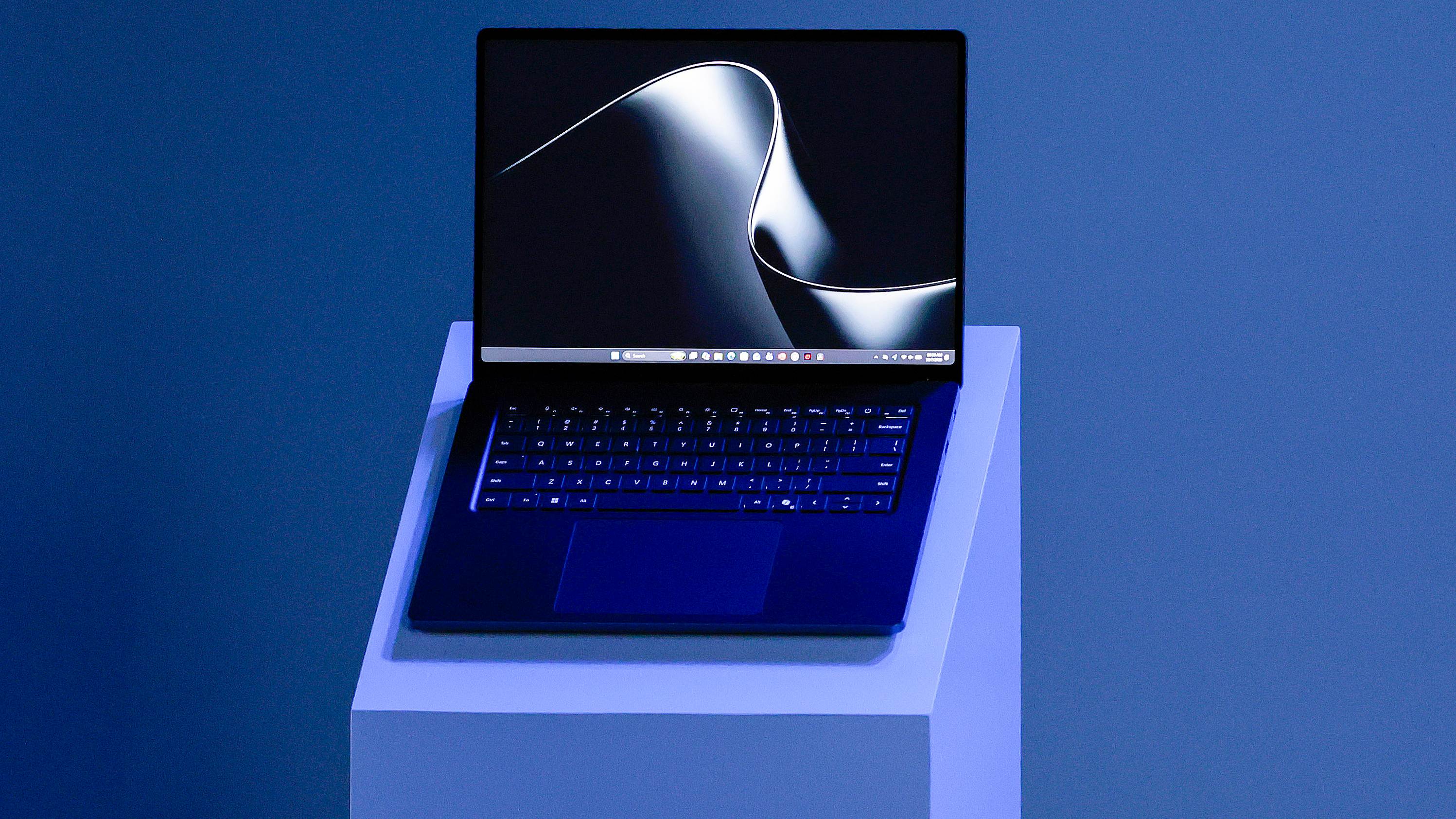
NVIDIA and Microsoft's RTX Spark partnership represents a watershed moment for Windows-based AI computing, with immediate implications for e-commerce sellers across hardware, software, and services categories. The announcement of RTX Spark—combining NVIDIA's Blackwell RTX GPU with up to 20-core Grace CPU delivering 1 petaflop FP4 AI performance—marks the first time Fortune 500 companies standardized on Windows can run enterprise-grade local AI workloads without cloud dependency. With preorders beginning immediately and availability starting October 16 for laptops and November for compact desktops, this creates a compressed 6-week window for sellers to capture early-adopter demand. The Surface Laptop Ultra exemplifies the integration with up to 128GB unified memory, while major manufacturers (Acer, ASUS, Dell, HP, Lenovo, Microsoft, MSI, Gigabyte) are simultaneously launching RTX Spark systems, signaling coordinated market entry across price tiers.
For e-commerce sellers, this announcement unlocks three distinct opportunity vectors. First, the hardware category itself: RTX Spark-equipped laptops and desktops will command 15-25% price premiums over standard Windows machines, creating high-margin inventory opportunities for electronics sellers on Amazon, Newegg, and B2B platforms. Second, the accessory ecosystem: sellers can immediately capitalize on demand for cooling solutions (RTX Spark generates significant thermal load), high-capacity storage (128GB memory configurations require premium SSDs), and docking stations optimized for AI workloads. Third, the software/services layer: the introduction of Microsoft Execution Containers (MXC) enables developers to build persistent background agents, creating demand for AI management tools, security software, and developer-focused SaaS products that sellers can bundle or resell.
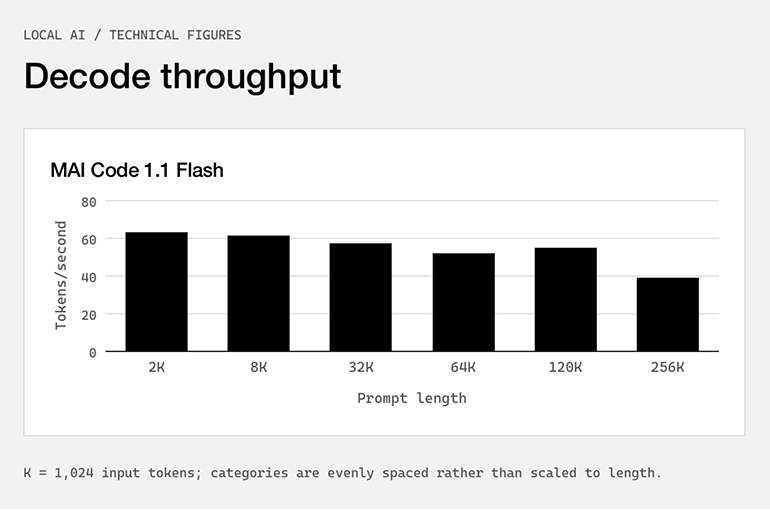
The competitive advantage window is narrow but substantial. NVIDIA's preview of DGX Station for Windows—delivering 748GB coherent memory and 20 petaFLOPS FP4 compute—targets Fortune 500 companies that previously maintained separate Linux/Windows development environments. This addresses a $2-3B annual pain point in enterprise IT spending. Sellers positioned to offer RTX Spark bundles (hardware + cooling + software stack) before November can capture 30-40% of early-adopter spending. The announcement's emphasis on local LLM execution (supporting models like Qwen 3.8 Flash with 125B parameters) without cloud connectivity signals enterprise demand for on-premises AI, directly benefiting sellers of enterprise software, compliance tools, and managed services. The 6-week preorder-to-availability window creates urgency for sellers to source inventory, optimize listings, and prepare marketing campaigns before the October 16 launch date.
Questions 8
What accessory and software opportunities does RTX Spark create for e-commerce sellers?
RTX Spark's high-performance GPU and 128GB memory configuration creates immediate demand for three accessory categories: (1) Thermal management—advanced cooling pads and docking stations to handle sustained AI workload heat; (2) Storage expansion—premium NVMe SSDs and external storage for model files and datasets; (3) Software bundles—AI management tools, security software, and developer frameworks optimized for Windows CUDA compatibility. Additionally, Microsoft Execution Containers (MXC) enables persistent background agents, creating demand for AI orchestration software, monitoring tools, and enterprise compliance solutions. Sellers can achieve 40-60% higher margins by bundling complementary products rather than selling hardware alone.
How does RTX Spark address the Windows vs. Linux AI development gap?
Previously, Fortune 500 companies standardized on Windows for business operations but lacked enterprise-grade local AI compute, forcing developers to maintain separate Linux and Windows environments. RTX Spark eliminates this friction by bringing GB300 Grace Blackwell-class infrastructure to Windows, with full NVIDIA CUDA compatibility across hardware tiers. This addresses a $2-3B annual pain point in enterprise IT spending. For sellers, this signals strong enterprise demand for Windows-native AI tools, compliance software, and managed services. Companies will now consolidate development environments, creating opportunities for sellers offering Windows-specific AI solutions, training materials, and integration services.