





US Housing Slowdown at 7.5% Mortgage Rates | Rental Demand Surge Creates E-Commerce Opportunities
- Pending home sales down 8.4% YoY in September 2026; rental demand up 2.7% annually, shifting consumer spending toward apartment furnishings, home décor, and rental-focused products








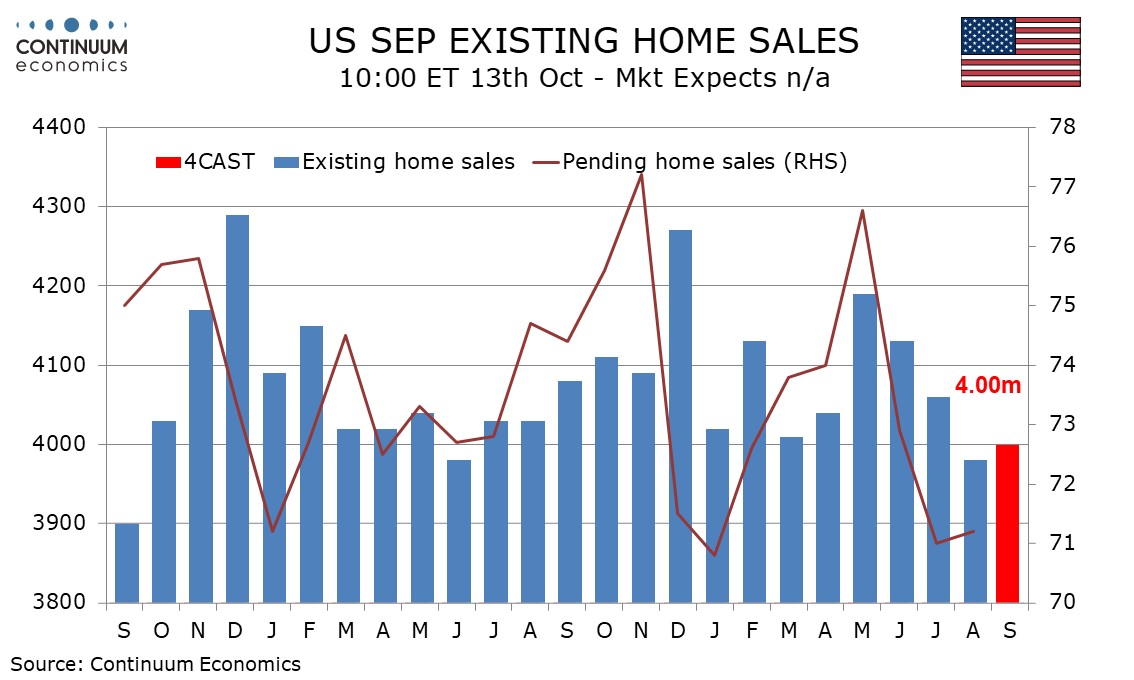





Overview
The U.S. housing market slowdown driven by elevated 30-year mortgage rates at 7.5% is creating a significant macroeconomic shift with direct implications for cross-border e-commerce sellers. According to Compass Chief Economist Mike Simonsen, pending home sales fell 8.4% year-over-year in September 2026, with weekly pending sales down 10.5% compared to the prior year. Simultaneously, U.S. rent prices surged 2.7% year-over-year in September—the largest annual increase since April 2025—as the affordability gap widens. For median-income households, monthly mortgage payments now consume 34.4% of earnings versus just 26.3% for renters, fundamentally reshaping consumer spending patterns and creating a massive opportunity in rental-focused product categories.
Consumer Behavior Shift Toward Rental Markets: The housing slowdown is driving demand away from home purchases toward rental accommodations, which directly impacts e-commerce categories. Renters typically spend on apartment furnishings, compact home décor, portable storage solutions, and rental-friendly products that don't require permanent installation. This demographic shift—driven by 94% of homeowners and renters rejecting current mortgage rates—creates immediate demand for products in furniture, home organization, kitchen appliances, and décor categories. Sellers specializing in space-saving furniture, modular storage systems, and rental-friendly home goods can capitalize on this trend. The rental market expansion also signals increased demand for products that appeal to younger, more mobile demographics who prioritize flexibility over homeownership.
Working Capital and Payment Optimization for Sellers: From a financial technology perspective, this housing slowdown creates specific opportunities for cross-border sellers to optimize cash flow. As consumer spending shifts from real estate to rental-focused e-commerce purchases, sellers can expect higher transaction volumes in home goods categories. This creates opportunities to negotiate better payment terms with suppliers and accelerate cash conversion cycles. Sellers should consider implementing invoice financing or supply chain financing to fund inventory expansion in high-demand rental categories (furniture, storage, décor) without tying up working capital. Additionally, the shift toward younger, rental-focused demographics often correlates with higher credit card and digital payment adoption, reducing payment friction and settlement delays. Sellers can optimize their payment processing routes by prioritizing lower-cost payment methods (ACH, digital wallets) that appeal to this demographic, potentially reducing payment processing fees by 1-2% compared to traditional credit card processing.
Currency and Hedging Implications: The elevated mortgage rate environment typically strengthens the U.S. dollar as capital flows into dollar-denominated assets. For cross-border sellers importing products from Asia or Europe, this creates FX headwinds—the stronger dollar increases the cost of foreign currency-denominated inventory purchases. Sellers should implement forward contracts or currency options to hedge against further dollar appreciation, locking in favorable rates for Q4 2026 and Q1 2027 inventory purchases. Conversely, sellers exporting U.S.-manufactured products benefit from dollar strength, which improves competitiveness in international markets. The housing slowdown also reduces domestic demand for construction-related imports, potentially creating opportunities for sellers to source inventory at lower prices from suppliers facing reduced demand in construction categories.
Questions 7
What financing products are most suitable for inventory expansion in rental categories?
**Supply chain financing** and **inventory loans** are optimal for sellers capitalizing on rental demand surge. These products typically offer 60-90 day terms at 6-10% APR, allowing sellers to fund inventory expansion without immediate cash outlay. Providers like Flexport, Fundbox, and Shopify Capital specifically target e-commerce sellers with 1000+ monthly units. For sellers with strong sales velocity in rental categories, **purchase order financing** enables funding of supplier orders before inventory arrives, improving cash conversion cycles by 15-20 days. Additionally, **factoring services** can accelerate payment from B2B wholesale channels, unlocking 10-15% of outstanding receivables within 24-48 hours.
How does the housing slowdown impact cross-border logistics and fulfillment costs?
The housing slowdown reduces demand for construction-related imports and heavy home improvement products, potentially lowering shipping costs from Asia. Sellers can negotiate better freight rates with 3PL providers as capacity becomes available. However, the shift toward rental-focused products (lighter, more compact items) may increase per-unit fulfillment costs due to higher SKU diversity. Sellers should evaluate **Amazon FBA** versus **3PL fulfillment** for rental categories—FBA's per-unit fees may increase 5-8% due to higher handling complexity, while 3PL providers may offer 10-15% discounts on volume commitments. Additionally, the rental demographic's preference for faster delivery (2-3 days) may justify premium fulfillment options, improving margins through higher-priced shipping tiers.