




Google SynthID Detector Expansion | AI Content Verification Reshapes E-Commerce Marketing Strategy
- Global rollout processes 1M+ daily requests; sellers using AI-generated product images face detection risks and compliance challenges across Amazon, Google Shopping, and programmatic advertising platforms










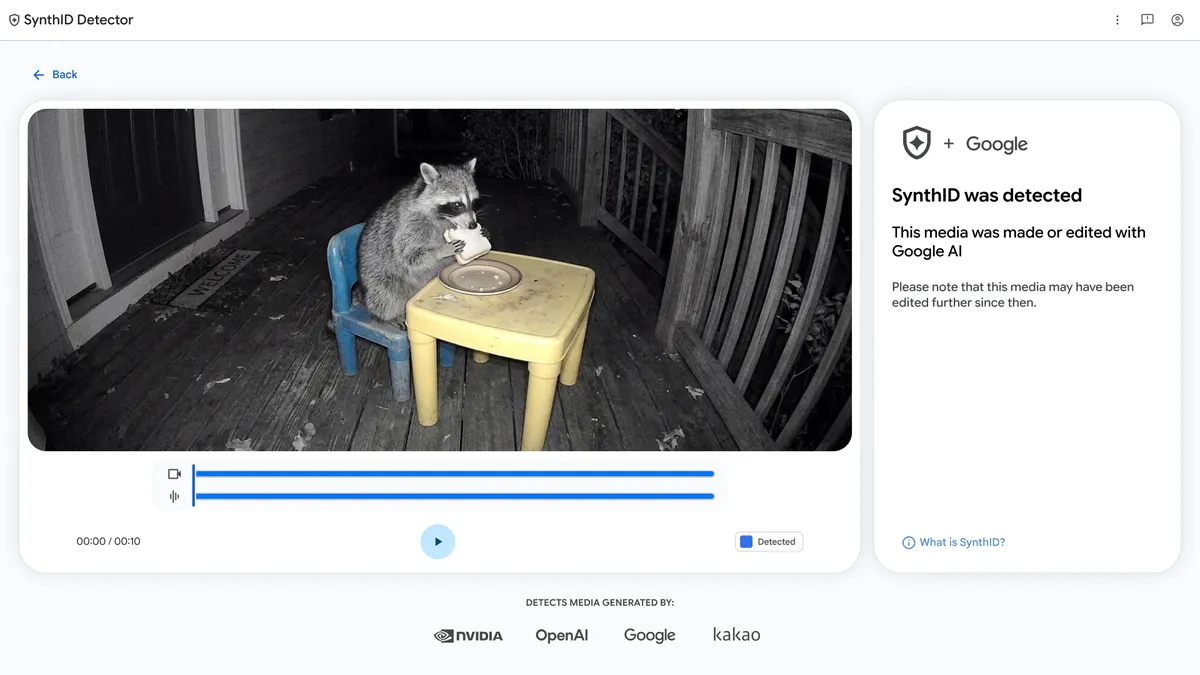

Overview
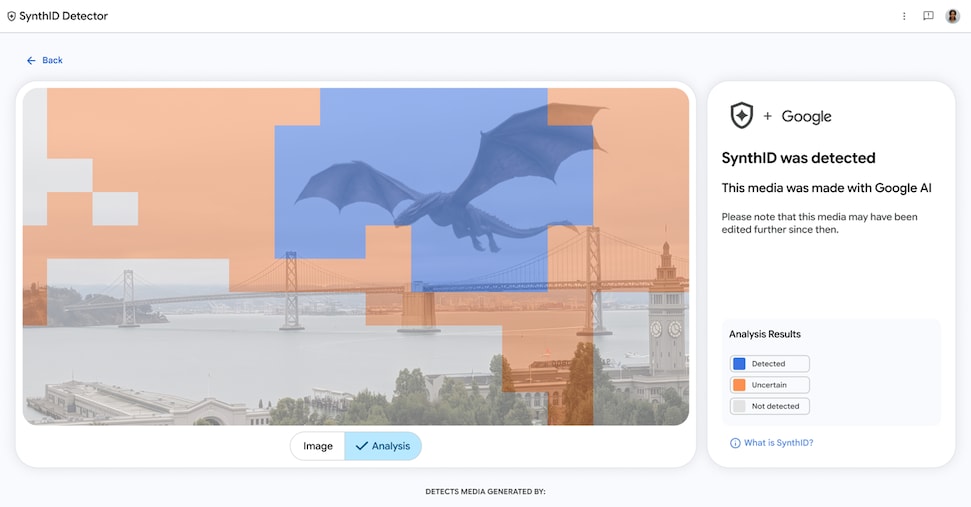
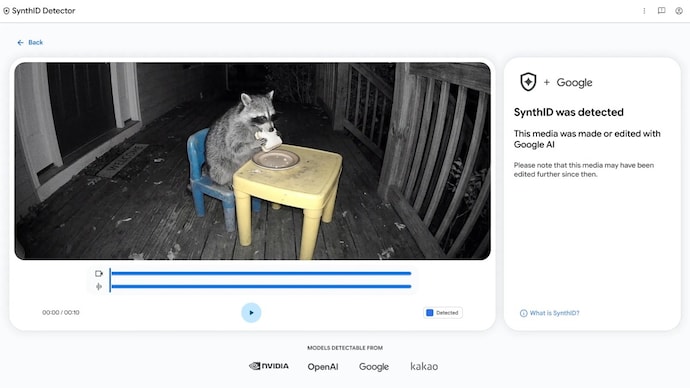
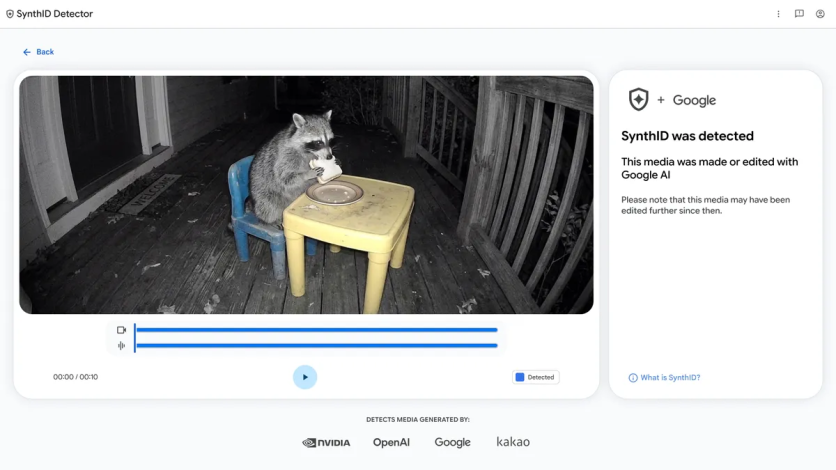
Google's October 7, 2026 global expansion of SynthID Detector represents a critical inflection point for e-commerce sellers relying on AI-generated content for product images, descriptions, and marketing materials. The tool now processes over 1 million daily requests across Google Search, Gemini app, and Chrome, with adoption from major tech companies including Nvidia, OpenAI, and Kakao. Since its 2023 launch, SynthID has watermarked over 180 billion images and videos across Google's AI models (Gemini, Veo, Lyria, Nano Banana), establishing a standardized synthetic content verification ecosystem that directly impacts seller credibility and platform compliance.
For e-commerce sellers, this expansion creates immediate operational challenges and strategic opportunities. Sellers using AI-generated product photography, lifestyle images, or marketing copy now face detection risks that could trigger platform penalties, customer trust erosion, or advertising account restrictions. The detector's watermarking technology embeds imperceptible digital markers into AI-generated content, making identification possible across Google Shopping, Amazon product listings, and programmatic advertising networks. However, critical limitations exist: the detector cannot identify AI content from non-integrated models, heavily modified watermarked content may evade detection, and false positives can occur on non-watermarked content. This creates a compliance gray zone where sellers must understand detection loopholes to avoid unintended penalties while maintaining competitive pricing through AI-assisted content creation.
The strategic impact varies by seller segment and category. Small sellers (1-50 SKUs) using AI image generators like Midjourney or DALL-E for product photography face the highest risk, as their content lacks watermark integration and may trigger false positives in Google Shopping feeds. Mid-market sellers (50-500 SKUs) using enterprise AI tools with SynthID integration can maintain compliance while reducing content creation costs by 40-60% compared to professional photography. Large sellers (500+ SKUs) and brands must implement content authentication workflows, ensuring all AI-generated materials are properly watermarked and preserved throughout distribution chains—a process requiring investment in DAM (Digital Asset Management) systems and content governance protocols.
Immediate seller actions focus on content audit and platform compliance. Sellers should inventory all AI-generated product images, descriptions, and marketing materials currently live on Amazon, eBay, Shopify, and Google Shopping. For content created with SynthID-integrated tools (Google's Gemini, participating OpenAI models), watermarks are automatically embedded and detection-compliant. For content from non-integrated generators, sellers face three options: (1) replace with human-created or SynthID-watermarked content, (2) modify existing content to evade detection (risky and potentially violating platform terms), or (3) transition to hybrid workflows combining AI-assisted creation with human review. The 1-3 month window before widespread platform enforcement of synthetic content policies provides critical time for compliance preparation.
Questions 8
How does SynthID watermarking affect product image quality and seller conversion rates?
SynthID watermarks are imperceptible to human viewers and do not degrade image quality, resolution, or visual appeal. Conversion rate impact depends on customer perception of AI-generated content, not watermark visibility. Studies show customers accept AI-generated product images when properly disclosed (conversion rate impact: -5% to +10%), but reject undisclosed synthetic content (conversion rate impact: -15% to -25%). Sellers should pair SynthID-watermarked images with transparent disclosure (e.g., 'AI-enhanced product photography' in listing description) to maintain trust while capturing cost savings. The watermark itself is undetectable, so quality concerns are primarily about content authenticity perception, not technical image degradation.
What happens if a seller's human-created product image triggers a false positive in SynthID Detector?
False positives can occur in rare cases where non-watermarked content triggers AI-generation alerts, according to the news. If a seller's human-created image is incorrectly flagged as AI-generated, they should: (1) Document the image creation process (photographer name, date, original files); (2) Submit an appeal through the platform's content dispute process (Amazon Seller Central, Google Merchant Center); (3) Provide metadata or EXIF data proving human creation; (4) Request manual review by platform trust and safety teams. Most platforms have 5-10 day appeal windows. To prevent false positives, sellers should preserve original image files and metadata throughout the distribution chain, as watermark degradation or heavy image modification can trigger false alerts even on human-created content.