





Gemini Agents Automate E-Commerce Operations | Sellers Save 15-20 Hours Weekly
- Google's persistent AI agents handle order management, customer communication, and inventory coordination across time zones; available in private preview for Business/Enterprise Workspace plans
































Overview
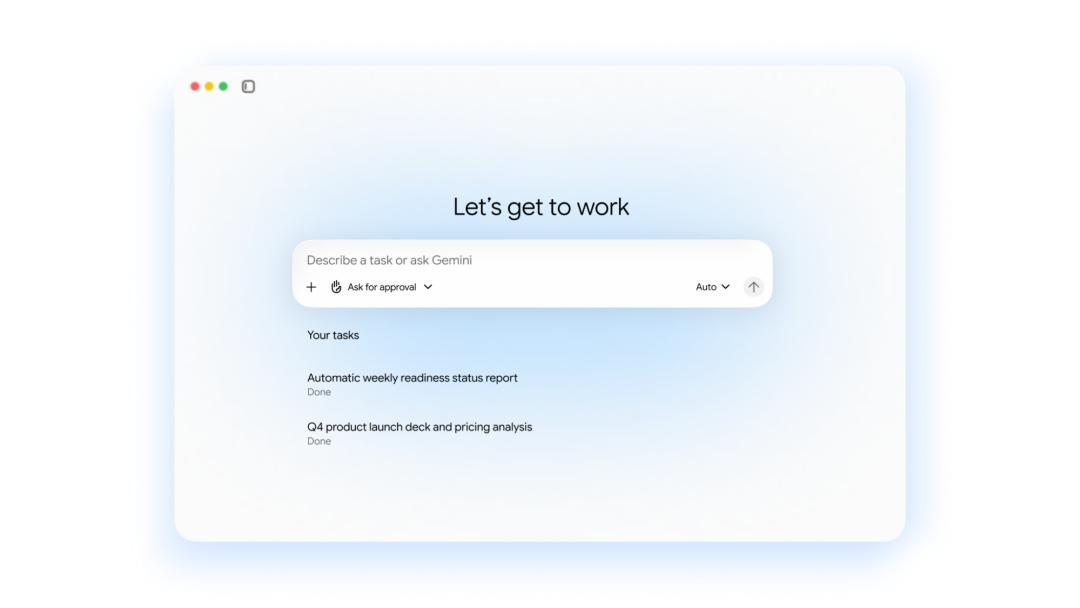
Google Cloud's announcement of persistent Gemini Agents at Gemini at Work 2026 (October 8, 2026) represents a fundamental shift in enterprise automation that directly impacts e-commerce sellers using Google Workspace. Unlike single-prompt chatbots, these agents function as autonomous digital coworkers with their own Gmail accounts, calendars, and Drive storage—capable of managing multi-day workflows while maintaining institutional memory across four memory types: session, semantic, procedural, and episodic. For cross-border e-commerce sellers, this translates to immediate automation wins in three critical areas: order management (processing customer requests without manual intervention), customer communication (responding to inquiries across time zones in multiple languages), and inventory coordination (syncing stock levels across platforms via API integration).
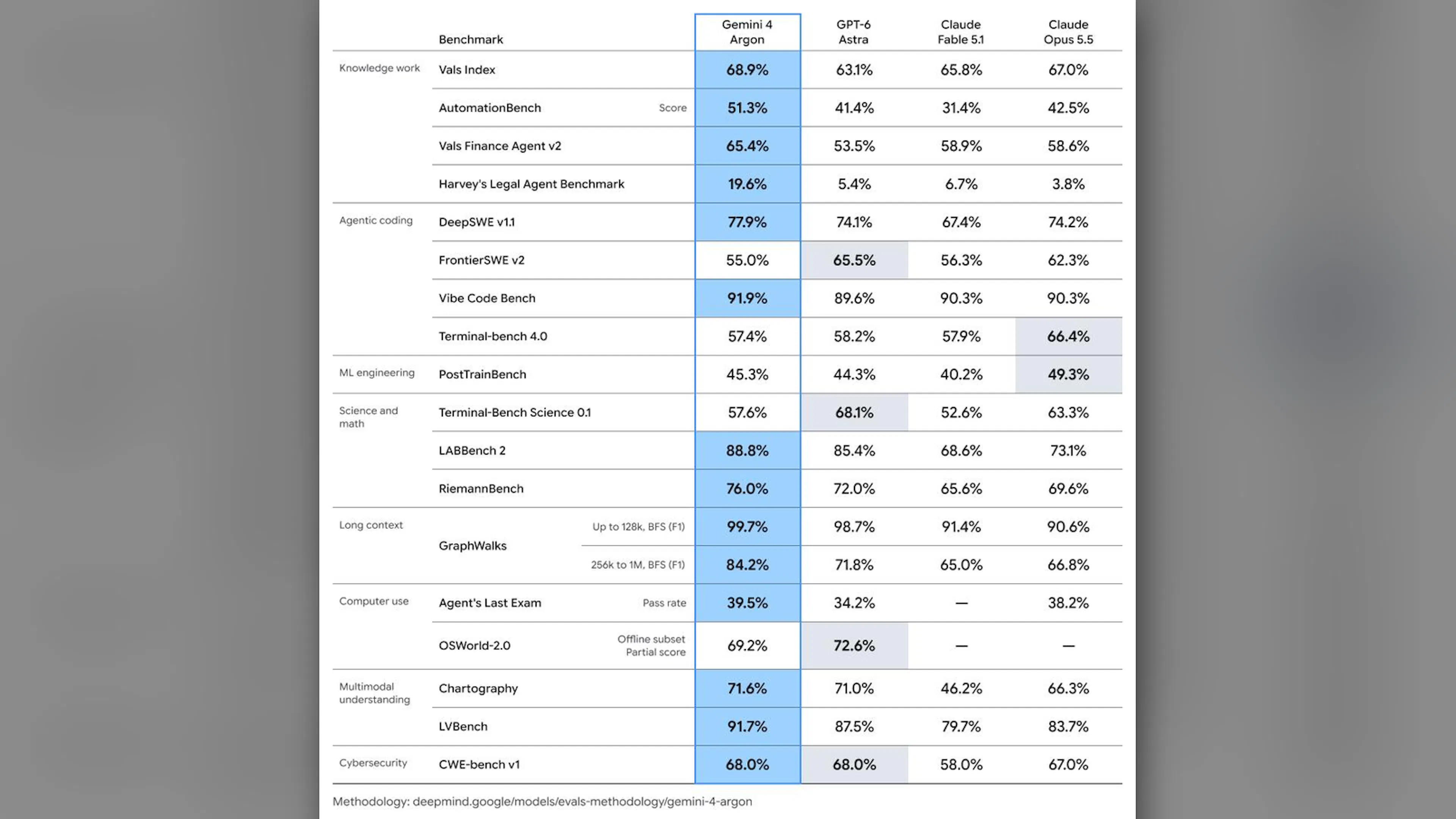
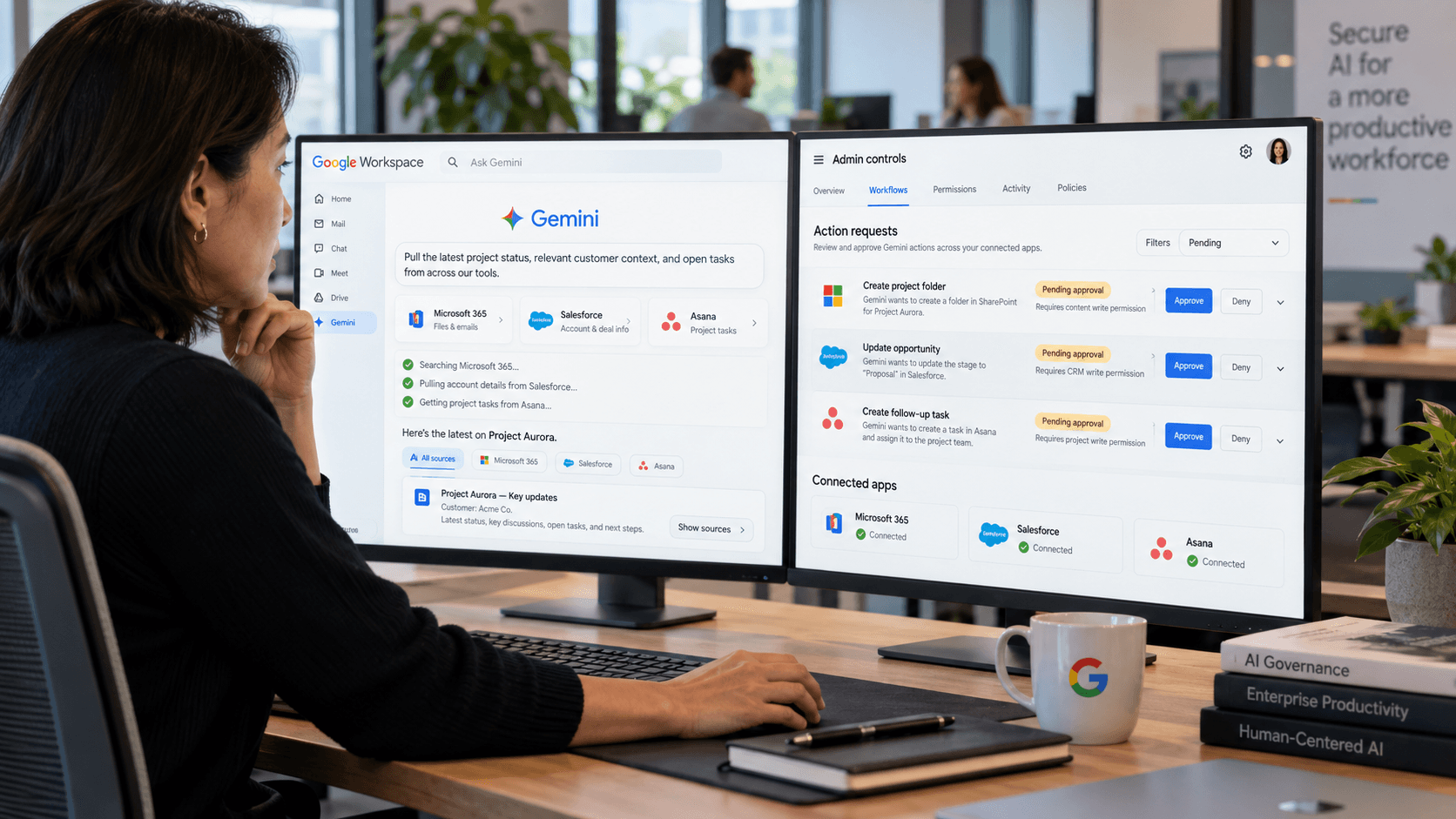
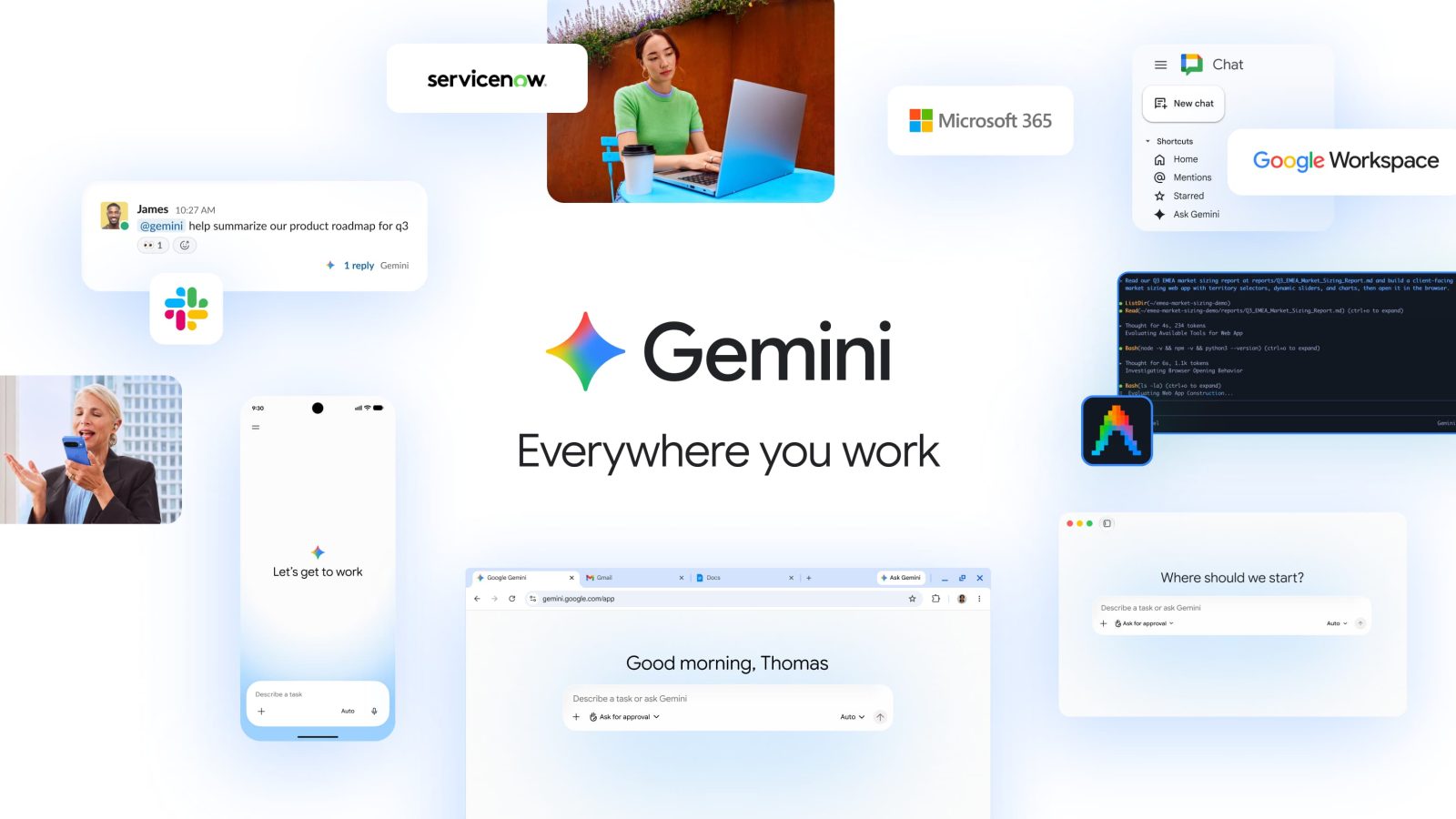
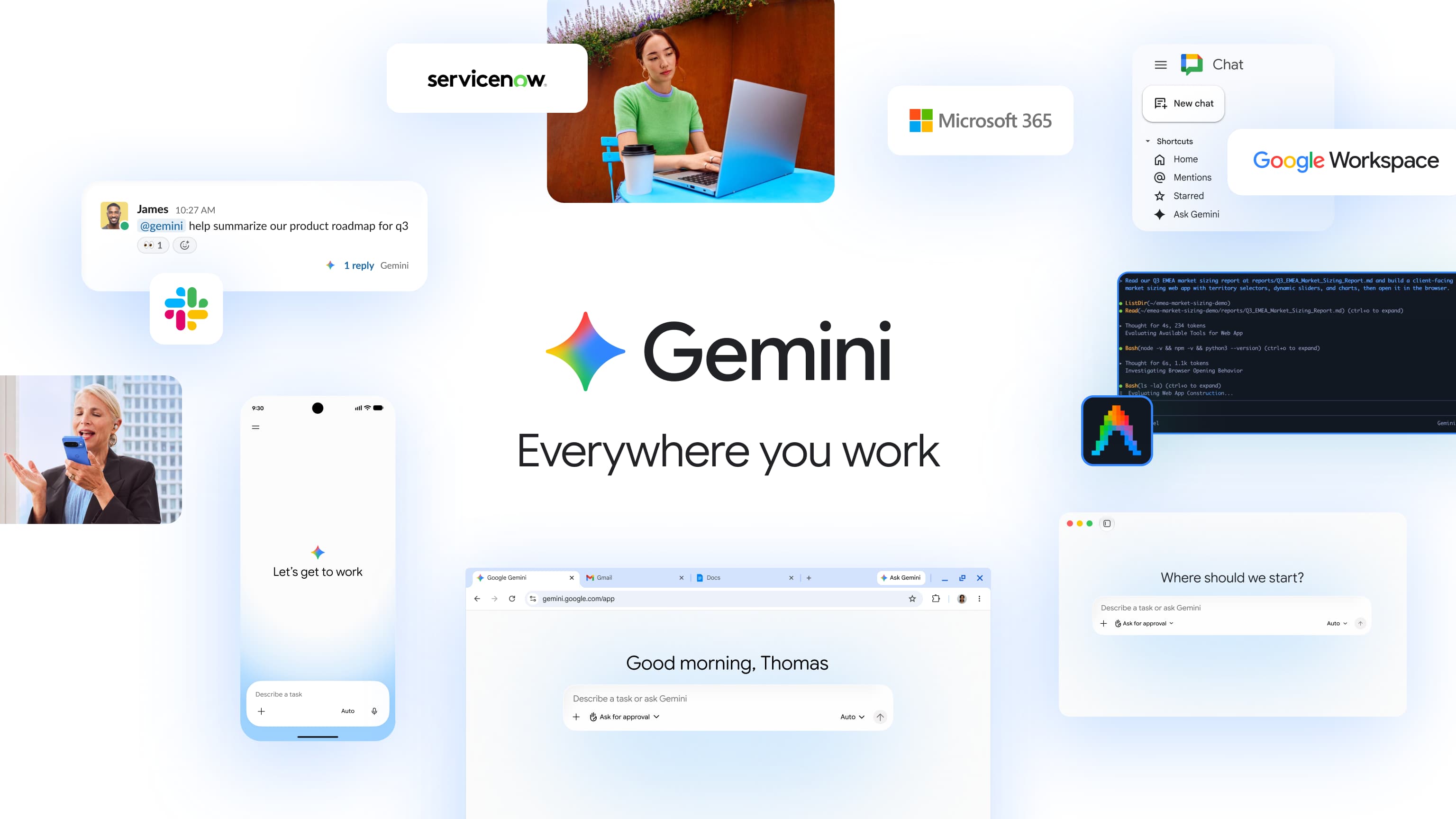
Immediate automation opportunities for sellers: The agents integrate directly with Gmail, Google Docs, Sheets, Slides, Chat, Slack, and Microsoft 365, eliminating context-switching that typically consumes 8-12 hours weekly for mid-sized sellers managing 500+ orders monthly. Sellers can delegate tasks like generating order summaries from email requests, scheduling supplier meetings without manual contact entry, and coordinating parallel workflows across vendors in different regions. The platform's intelligent model selection (choosing between Gemini and Claude families) optimizes cost while maintaining quality—critical for sellers managing thin margins. Built-in cost controls prevent budget overruns, addressing a key pain point for sellers experimenting with AI tools.
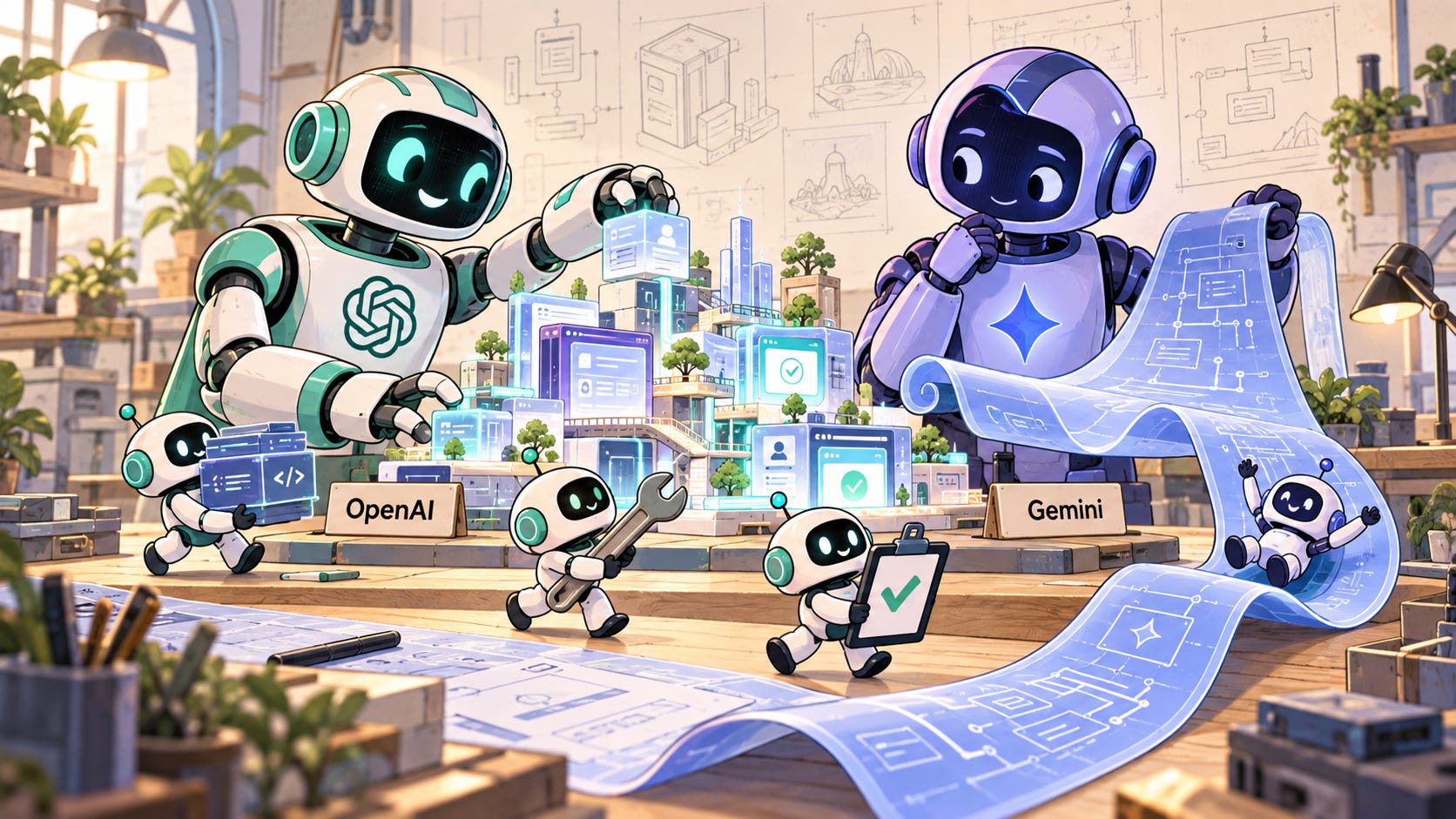
Competitive landscape acceleration: Microsoft launched Copilot with persistent Autopilot agents (September 25), OpenAI released Dots agents (September 29), and Anthropic integrated Claude with Google Workspace (October 6)—creating a compressed 2-week window where all major AI platforms announced autonomous agent capabilities. This intensifies competition among sellers: those adopting Gemini Agents first gain 2-4 month competitive advantage in workflow automation before competitors catch up. The private preview status (with wide availability expected for Business/Enterprise plans soon) means early adopters can test and optimize workflows before general release, potentially capturing 15-25% efficiency gains before market saturation.
E-commerce seller impact specifics: News 4 explicitly notes that "for e-commerce sellers using Google Workspace, this represents operational efficiency gains in order management, customer communication, and inventory coordination" and highlights how agents can manage "complex workflows involving multiple time zones, languages, and vendor communications"—the exact pain points for cross-border sellers. Sub-agents can coordinate parallel workflows, meaning a seller could simultaneously manage supplier negotiations in Asia, customer service in Europe, and fulfillment in North America without manual task-switching. The four-memory architecture enables agents to learn seller-specific workflows (e.g., "always confirm inventory before promising delivery dates"), reducing training time and improving consistency. For sellers currently spending 20-30 hours weekly on administrative tasks, Gemini Agents could reduce this to 5-10 hours, freeing capacity for strategic work like product sourcing and marketing.
Questions 8
What time savings can sellers expect from Gemini Agents compared to manual workflows?
Industry benchmarks suggest sellers managing multi-timezone operations spend 20-30 hours weekly on administrative tasks: email sorting, meeting scheduling, inventory coordination, and vendor communication. Gemini Agents can reduce this to 5-10 hours weekly by automating context-switching and routine decisions. For a 3-person seller team, this translates to 30-60 hours monthly freed for strategic work like product sourcing and marketing. The four-memory architecture (session, semantic, procedural, episodic) enables agents to learn workflows, improving efficiency gains from 15% in month 1 to 25-30% by month 3. Cost savings depend on labor rates: a $15/hour administrative task saved 40 hours monthly = $600 monthly savings per seller.
How do Gemini Agents handle multi-language customer communication for cross-border sellers?
Gemini Agents integrate with Gmail and support objective-based instructions rather than step-by-step commands, enabling sellers to instruct agents to 'respond to all customer inquiries in their original language.' The system intelligently selects optimal models from Gemini and Claude families—Claude excels at nuanced language tasks while Gemini handles structured data. For sellers managing customers across EU, Asia, and Americas, agents can simultaneously handle inquiries in Spanish, Mandarin, German, and English without manual language switching. The episodic memory tracks previous customer interactions, enabling contextual responses (e.g., remembering a customer's shipping preference from prior orders). This capability directly addresses the pain point mentioned in News 4: managing 'complex workflows involving multiple time zones, languages, and vendor communications.'