

Meijer's O2O Loyalty Strategy Reshapes Convenience Retail | Offline-to-Online Expansion Opportunities for Sellers
- Meijer rises from 9th to 1st place with 82/100 ACSI score; prepared food now 28% of convenience store sales, signaling major product category expansion for CPG and specialty food sellers














Overview
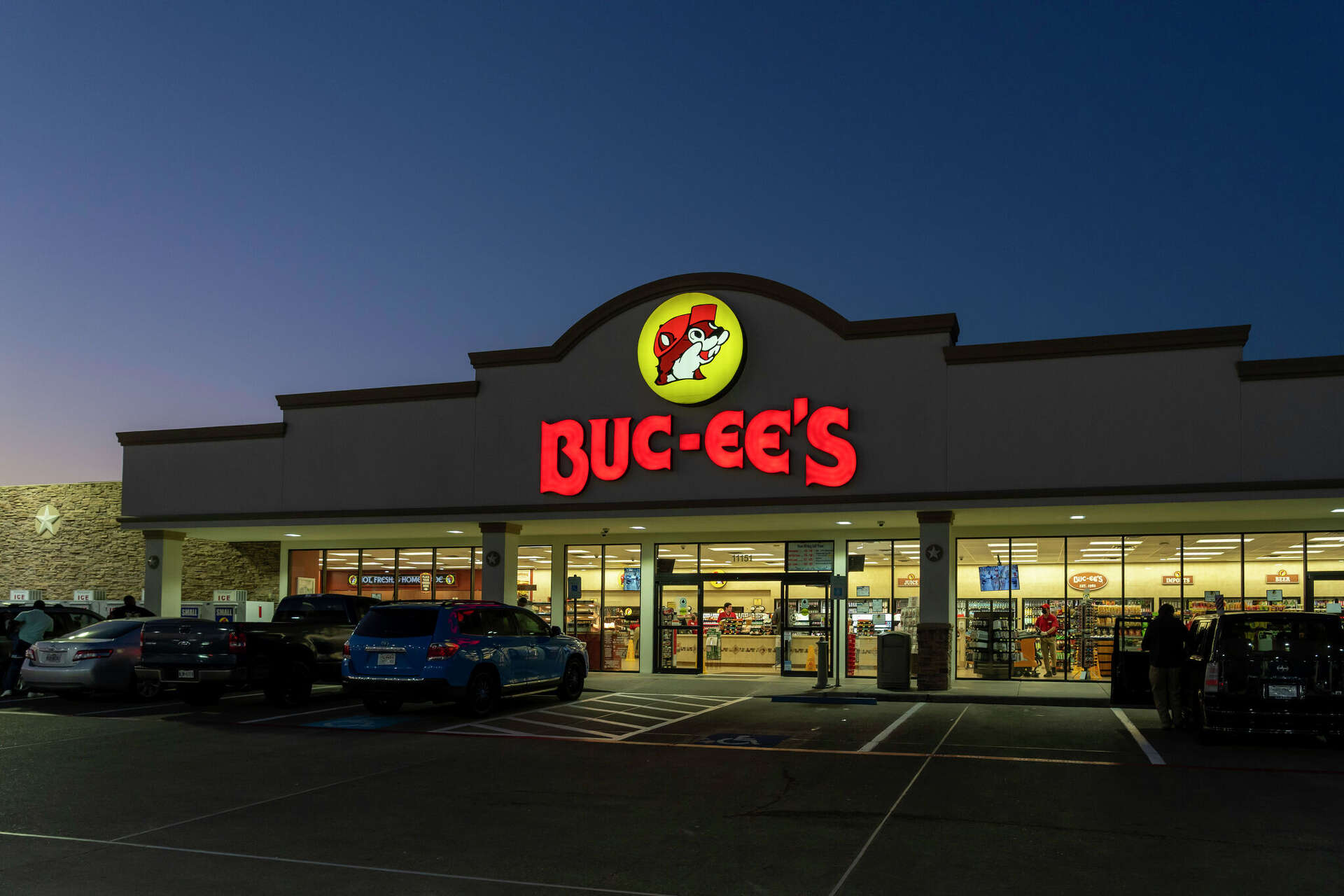
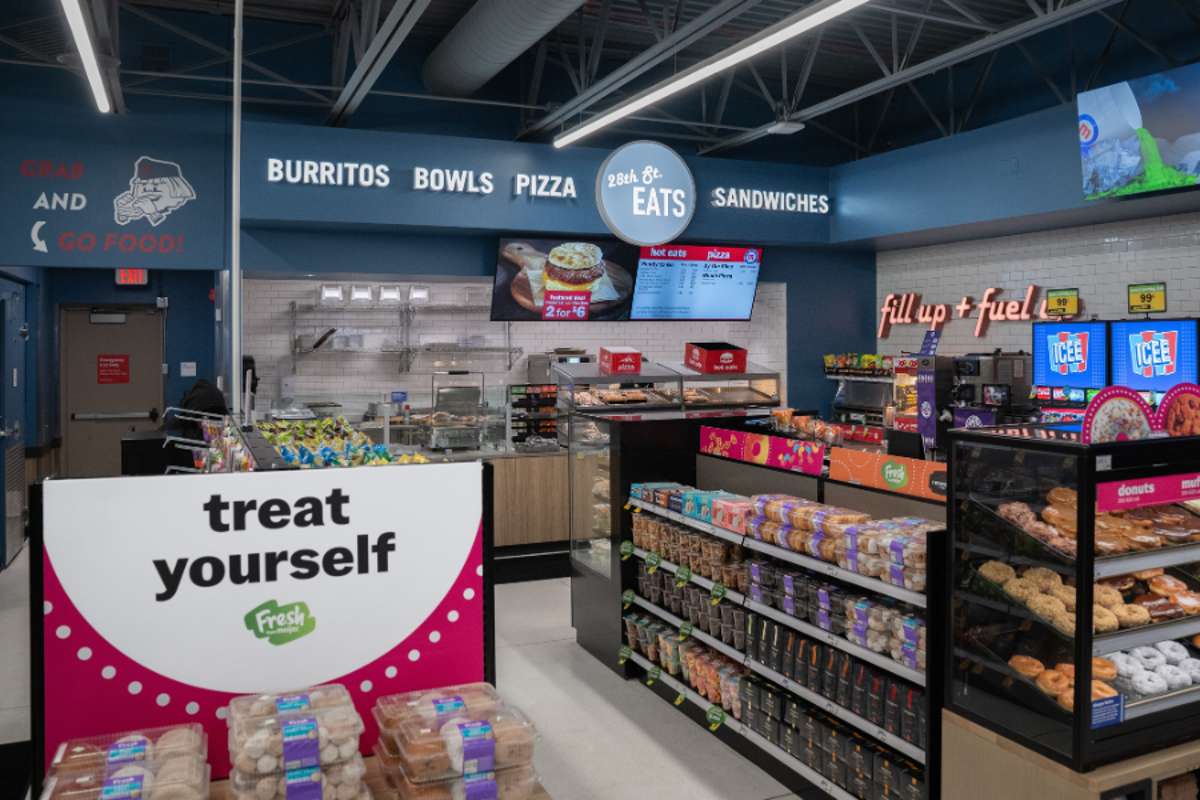
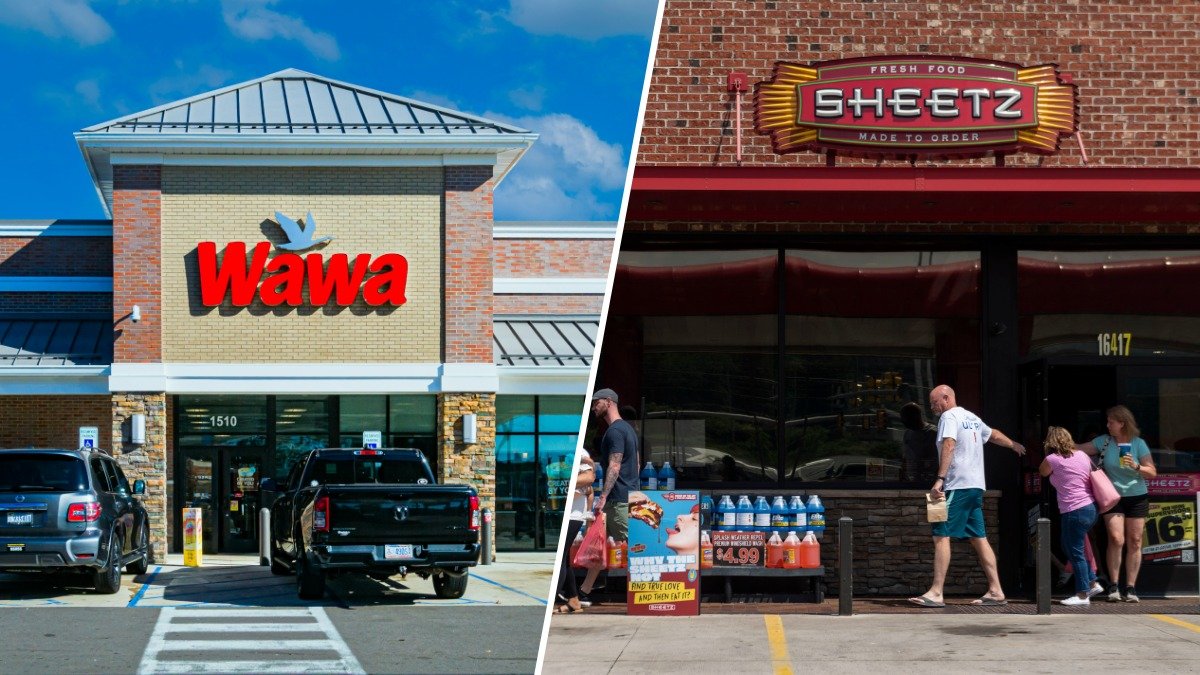
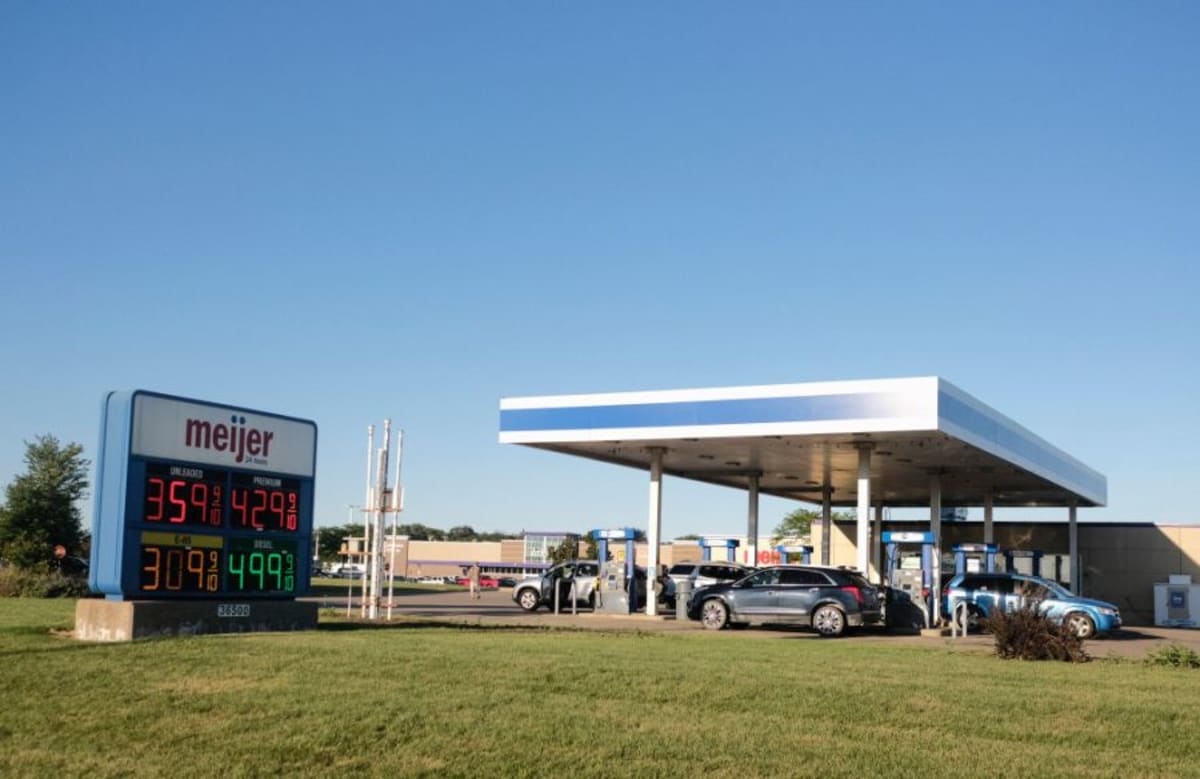
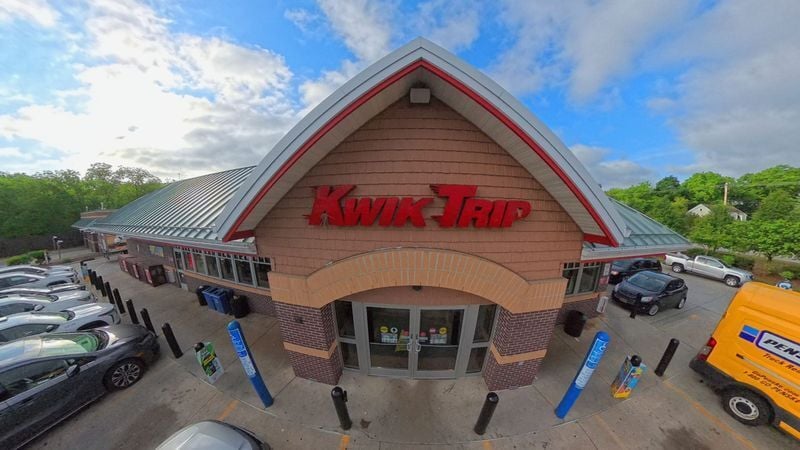
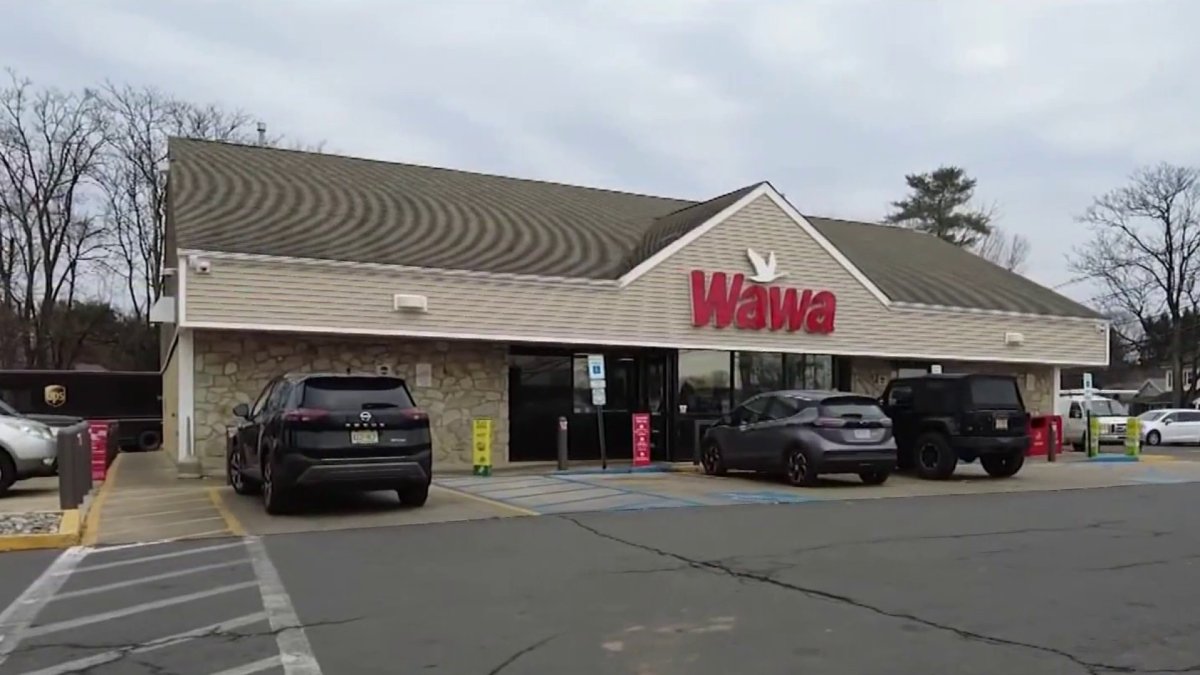
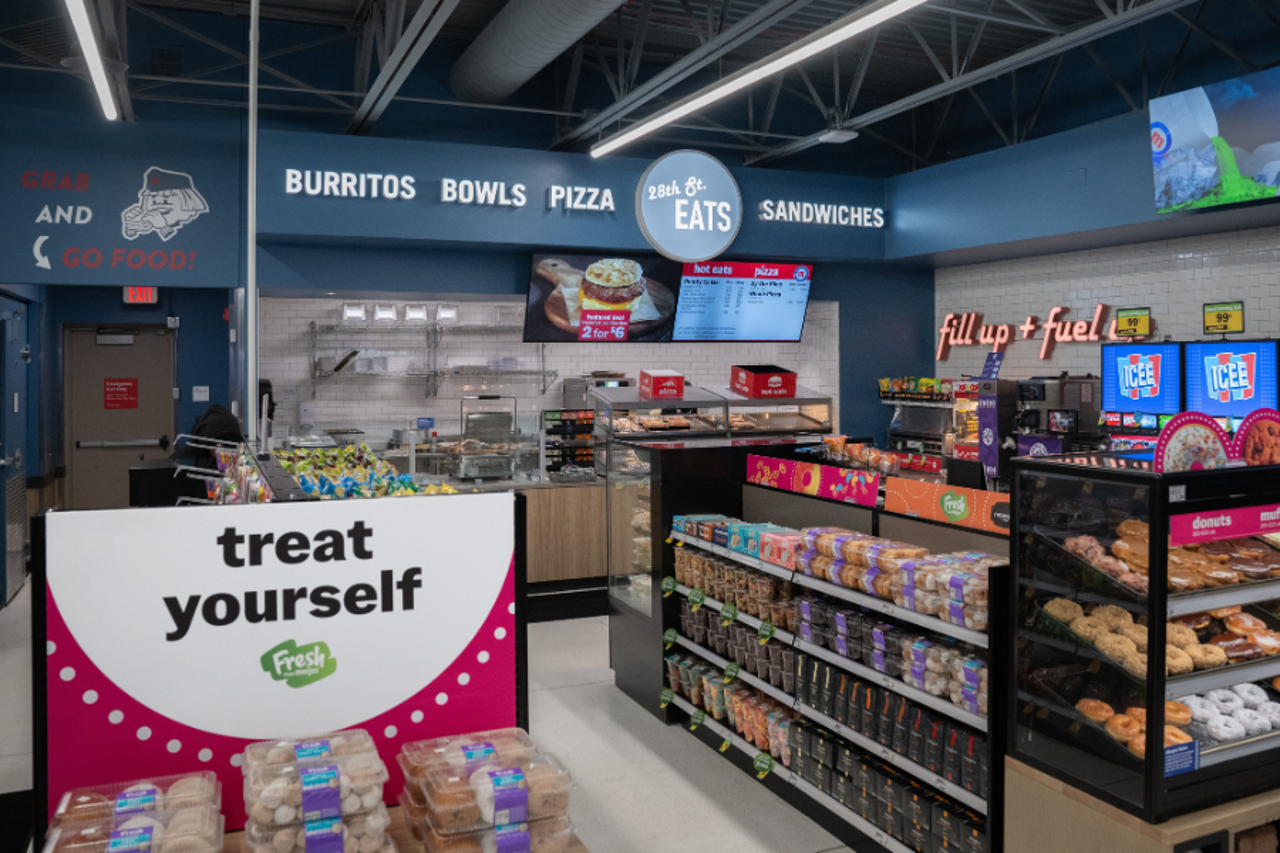
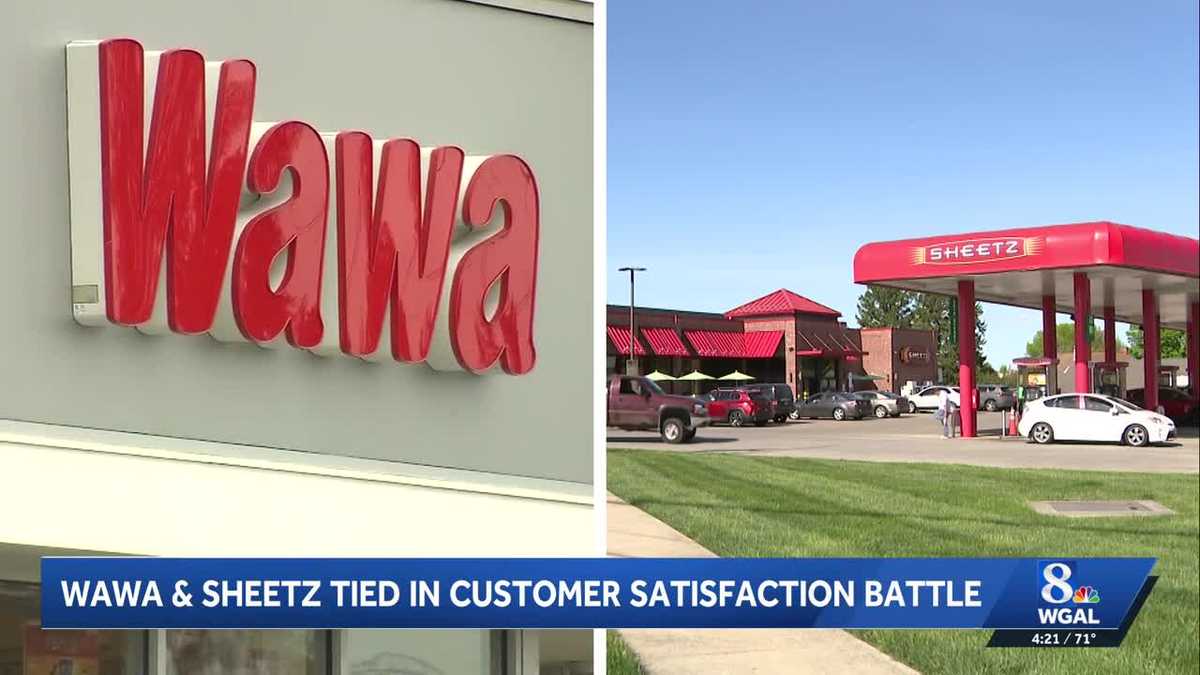
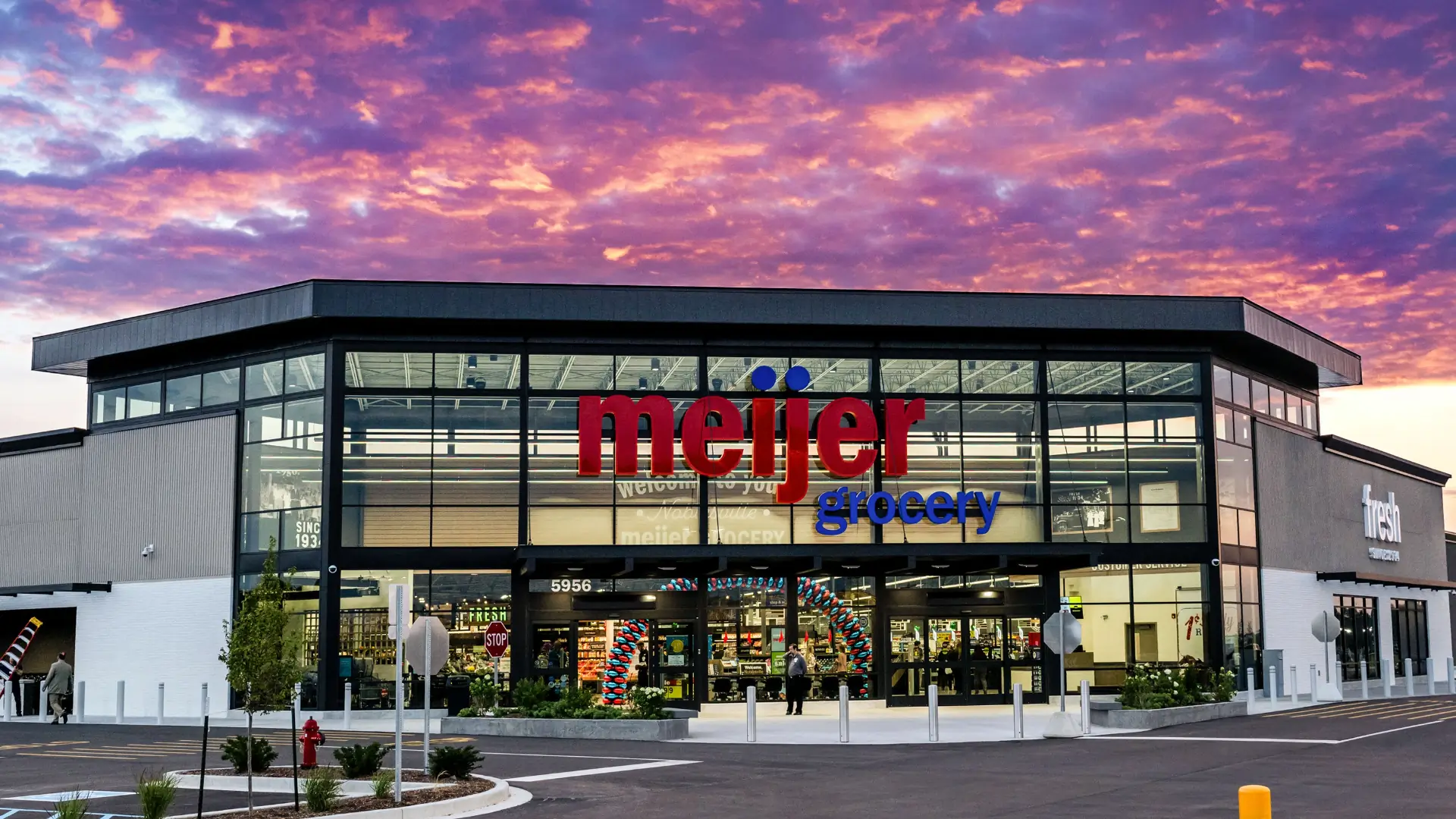
Meijer's dramatic rise from 9th place (2025) to #1 (2026) in the American Customer Satisfaction Index's Convenience Store Study reveals a critical shift in retail strategy that directly impacts cross-border sellers and O2O marketplace opportunities. The Michigan-based retailer achieved an 82/100 satisfaction score—surpassing Buc-ee's (77) and tying competitors Sheetz, QuikTrip, and Wawa at 80—through integrated loyalty programs (mPerks), fuel rewards, and aggressive small-format store expansion. The ACSI survey of 9,475 customers (October 2025-September 2026) demonstrates that convenience stores have successfully repositioned themselves as food-centric retail destinations, with prepared food now accounting for over 28% of inside sales—a category expansion that directly creates wholesale and direct-to-retail opportunities for CPG, specialty food, and beverage sellers.
The prepared food category expansion represents a $2-4B annual opportunity for cross-border sellers. Fifteen percent of prepared-food visits now involve consumers choosing convenience stores over quick-service restaurants, indicating successful category cannibalization. Retailers like Sheetz, Wawa, and Casey's have invested heavily in food quality and menu expansion, reshaping customer perceptions and creating demand for premium ingredients, specialty snacks, and beverage products. For sellers, this signals three immediate opportunities: (1) wholesale partnerships with expanding convenience store chains (Sheetz announced dozens of new Michigan locations in 2024), (2) private-label food product development for regional chains, and (3) Amazon Fresh and Instacart integration strategies to capture convenience-store-adjacent online demand.
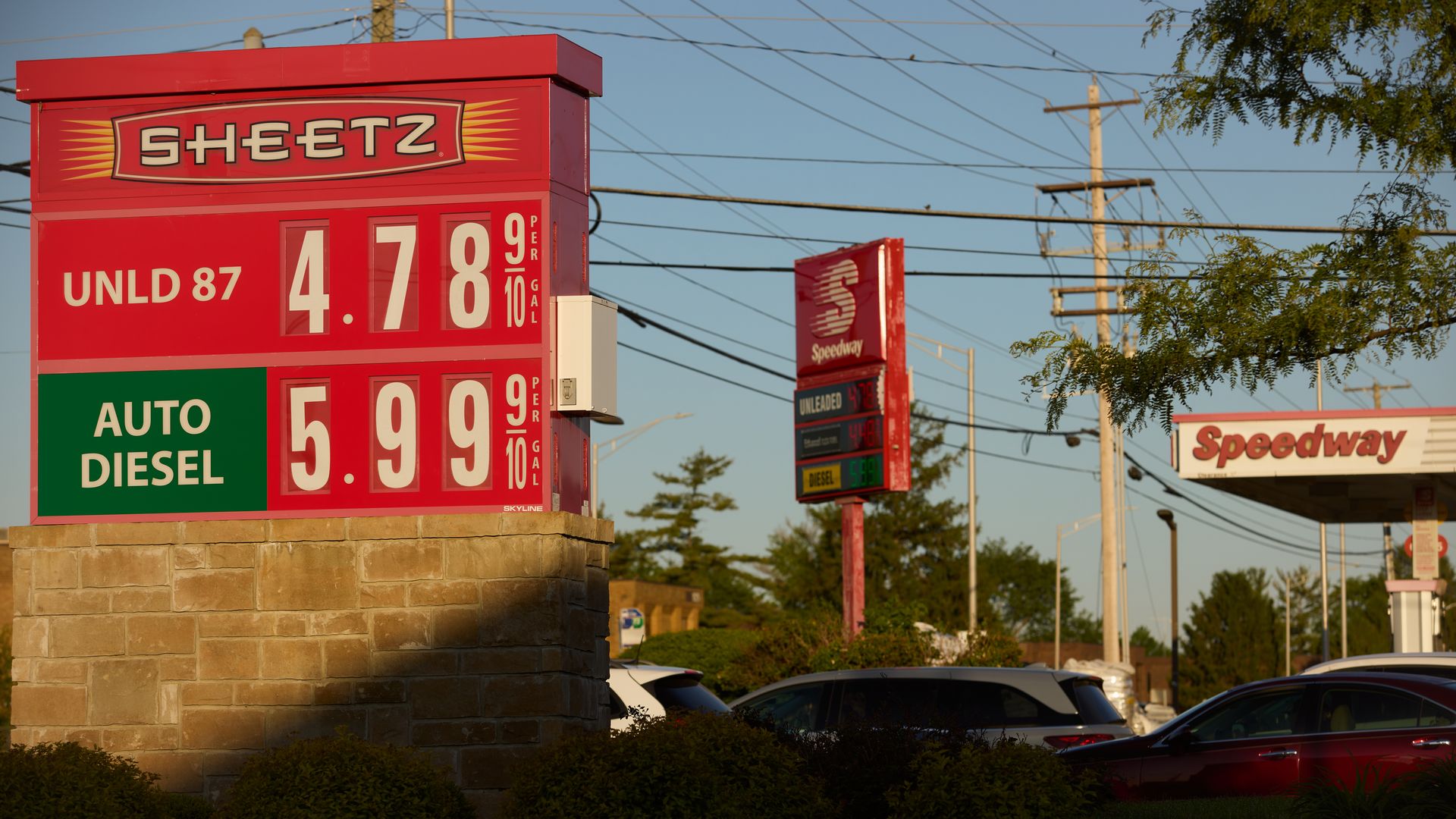
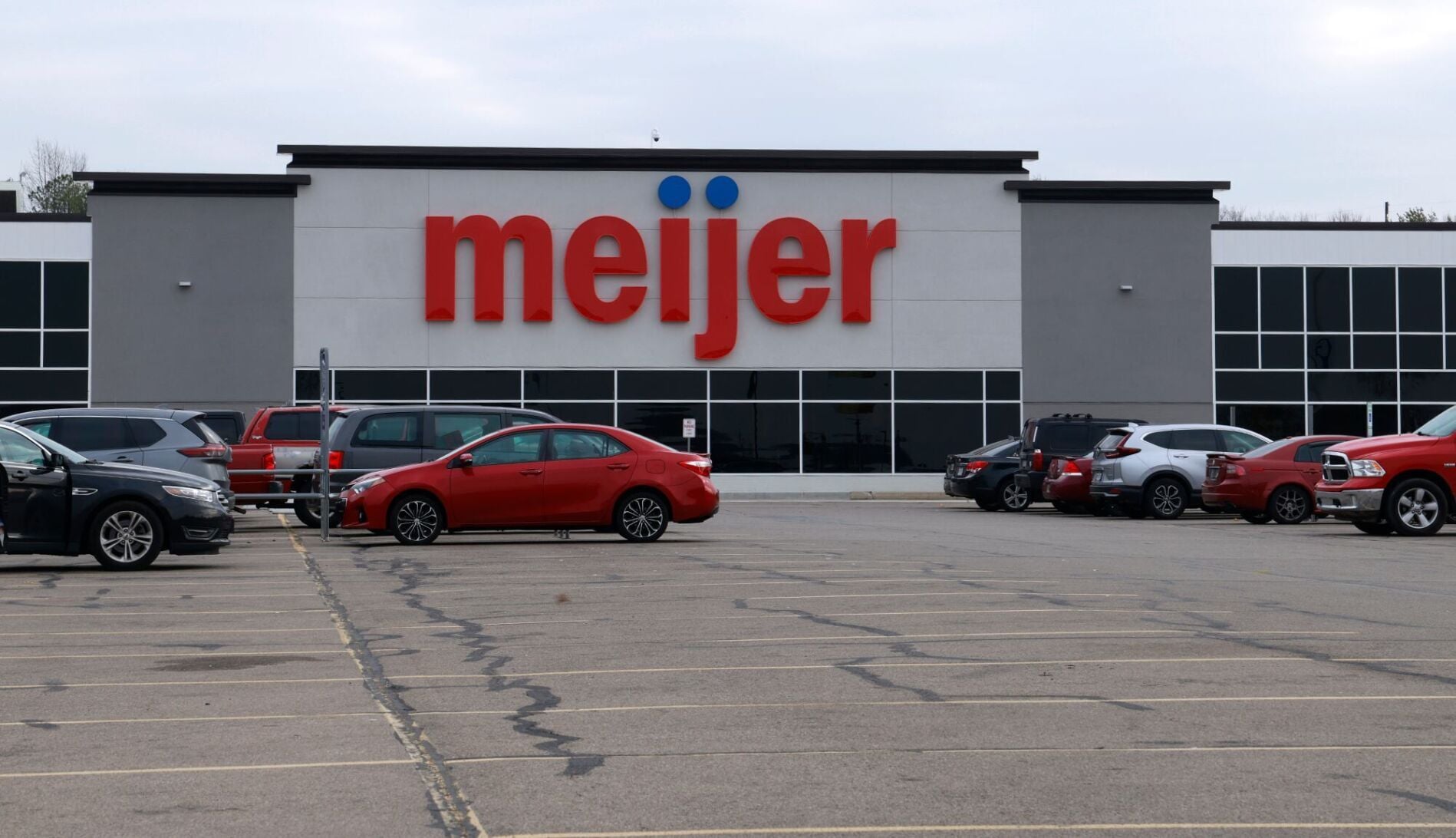
Regional expansion creates localized O2O opportunities with measurable ROI. Sheetz led the Midwest with 83/100 and opened its first Michigan location in Romulus (2024) with plans for dozens more across southeast Michigan—despite community opposition regarding traffic and logistics. Meijer's 75,000-square-foot Livonia Grocery location exemplifies the small-format strategy driving satisfaction gains. For sellers, this geographic expansion creates immediate pop-up and showroom opportunities: Midwest sellers can test prepared-food products, specialty beverages, and premium snacks at new Sheetz/Meijer locations before scaling to national distribution. The Midwest's 83-82 satisfaction scores (Sheetz/Meijer) versus West's 78 (Maverik/QuikTrip) indicate regional demand variance—sellers should prioritize Midwest test markets for convenience-store-focused product launches.
Loyalty program integration and mobile app gaps create digital commerce opportunities. Meijer's mPerks program generated $200M in customer savings annually, with loyalty members rating convenience stores significantly higher than non-members. However, customers rated convenience store apps poorly—a critical gap for sellers offering mobile ordering, subscription services, or app-exclusive products. Sellers can capitalize by developing app-native products (meal kits, beverage subscriptions, premium snack bundles) designed for convenience store distribution, positioning themselves as technology partners to retailers upgrading digital experiences. The "experience of buying" gap identified by Michigan State University's Forrest Morgeson indicates that retailers are still catching up on digital integration—creating 6-12 month windows for sellers to establish partnerships before major chains standardize their tech stacks.
Questions 7
How should sellers approach Meijer and Sheetz for wholesale partnerships?
Both Meijer and Sheetz use formal vendor management systems and require suppliers to meet specific criteria: product liability insurance ($1-2M minimum), food safety certifications, and minimum order quantities (500-2,000 units monthly). Recommended approach: (1) Research vendor contact information through each company's supplier portal (Meijer Supplier Portal, Sheetz Vendor Relations), (2) Prepare product samples, food safety documentation, and 12-month sales projections, (3) Request 15-30 minute vendor meeting to present product category opportunity, (4) Propose 4-8 week pilot program in 5-10 locations with performance metrics. Timeline: 6-12 weeks from initial contact to shelf placement. Expected wholesale pricing: 40-50% discount from retail price, with payment terms of net 30-60 days. Volume commitments typically start at 500-1,000 units/month, scaling to 5,000+ units/month for successful products.
What compliance and food safety requirements apply to prepared food products for convenience store distribution?
Prepared food products distributed through convenience stores must comply with FDA Food Safety Modernization Act (FSMA) requirements, including facility registration, hazard analysis, preventive controls, and labeling compliance. Sellers should ensure: (1) FDA facility registration and inspection history, (2) HACCP or FSMA preventive controls plan, (3) Allergen labeling and nutritional information compliance, (4) State-level food service permits for each distribution region. Processing timeline: 4-8 weeks for FDA registration and state permits. Recommended action: Engage food safety consultant ($2,000-5,000) to audit current processes and identify gaps before approaching retailers. Retailers like Meijer and Sheetz conduct vendor audits (2-4 weeks) before approving new suppliers, so compliance documentation must be complete before initial outreach.