





Rising Treasury Yields & Fed Rate Signals | Cross-Border Seller Financing & FX Impact
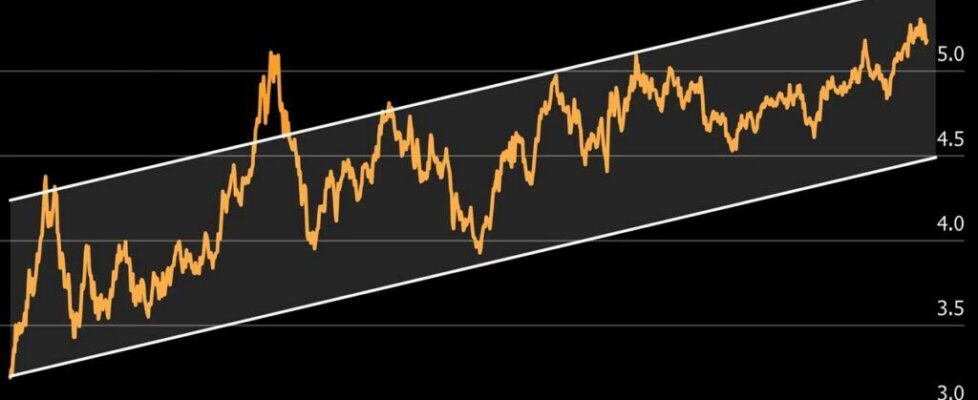
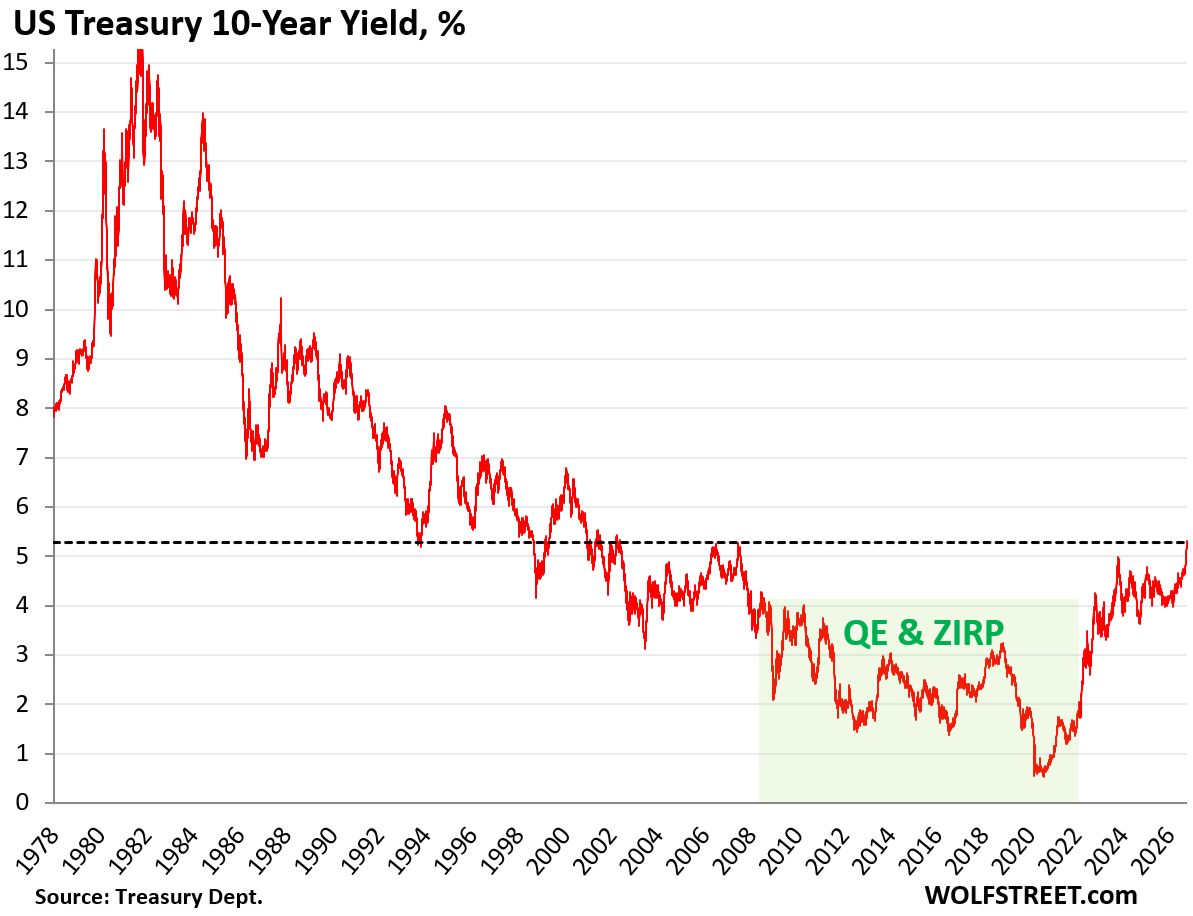
- 10-year yields hit 5.307% (Oct 7, 2026); 30-year at 24-year highs; impacts working capital costs, USD strength, and inventory financing for international sellers














Overview
Rising U.S. Treasury yields and elevated interest rate expectations are creating immediate financial headwinds for cross-border e-commerce sellers. On October 7, 2026, the 10-year Treasury yield climbed to 5.307% (+3 bps), while the 30-year bond reached 5.69% (+4 bps)—the highest level since 2002. The Federal Reserve's September rate hike (first since 2023) and CME FedWatch data showing 78% probability of rate stability signal an extended period of elevated borrowing costs. This macroeconomic shift directly impacts sellers through three critical financial channels: (1) Working Capital Financing Costs: Higher Treasury yields translate to increased APR rates on inventory loans, PO financing, and trade credit facilities. Sellers relying on invoice factoring or supply chain financing will face 150-300 basis point increases in borrowing costs, compressing margins by 2-4% on financed inventory. (2) Currency Strength & FX Headwinds: Rising U.S. yields typically strengthen the dollar against EUR, GBP, CNY, and emerging market currencies. Sellers importing from Asia or selling into EU/UK markets face margin compression of 5-8% as their foreign currency revenues convert at weaker rates. A 2-3% USD appreciation (typical during yield spikes) directly reduces profitability for non-USD revenue streams. (3) Consumer Spending Contraction Risk: Higher borrowing costs reduce consumer purchasing power, particularly affecting discretionary categories (electronics, apparel, home goods). Historical data shows 0.5-1% GDP growth reduction for every 100 bps yield increase, signaling potential 3-6% demand softening in Q4 2026 and Q1 2027.
For sellers, the immediate financial optimization opportunity lies in locking in favorable financing terms before rates rise further. The $39 billion 10-year Treasury auction on October 7 and pending FOMC minutes will set the tone for corporate lending rates. Sellers should: (1) Accelerate PO financing and inventory loans at current rates before lenders reprice (typically 2-4 weeks post-yield spike); (2) Implement FX hedging strategies for EUR, GBP, and CNY exposures—forward contracts or currency options can lock in current rates and protect against further USD appreciation; (3) Shift payment methods to reduce fees—prioritize ACH and bank transfers (0.5-1% fees) over credit card processing (2.9-3.5%) to preserve margin in a higher-cost environment. Sellers with 30-60 day payment cycles should negotiate shorter terms (net-10 or net-15) to accelerate cash conversion and reduce working capital needs. The 78% probability of rate stability suggests yields may plateau, creating a 2-4 week window to lock in financing before the next Fed decision cycle. Sellers exposed to consumer discretionary categories should also consider inventory reduction strategies (clearance sales, promotional velocity) to minimize working capital tied up in slow-moving SKUs during a potential demand contraction.
Questions 8
What specific actions should sellers take in the next 30 days to optimize for higher rates?
Immediate 30-day action plan: (1) **Week 1**: Contact financing providers to lock in PO financing and inventory loans at current rates; request rate quotes valid for 30+ days. (2) **Week 1-2**: Implement FX hedging for EUR, GBP, CNY exposures—forward contracts for 30-90 day periods protect against further USD appreciation. (3) **Week 2**: Audit payment processing methods; shift from credit cards to ACH/bank transfers to reduce fees by 2-3%. (4) **Week 2-3**: Renegotiate supplier payment terms from net-30 to net-10/net-15 to accelerate cash conversion. (5) **Week 3-4**: Analyze inventory by category; run clearance promotions on slow-moving discretionary SKUs to convert to cash. (6) **Ongoing**: Monitor FOMC minutes (Oct 7) and CME FedWatch for next rate decision; adjust strategy if probability of rate hike increases above 50%. These actions can preserve 2-4% margin and free up $5-15K in working capital for a typical mid-sized seller.
How does the global bond sell-off (30-year yields at 2002 highs) affect cross-border sellers?
The global bond sell-off signals synchronized tightening across major economies, which typically precedes consumer demand contraction. When 30-year yields reach 24-year highs (as reported), it indicates investors expect sustained higher rates and inflation concerns. For cross-border sellers, this creates a dual headwind: (1) higher financing costs domestically (as discussed), and (2) potential demand softening in key export markets (EU, UK, Canada) as their central banks follow the Fed's tightening cycle. Historically, global bond sell-offs correlate with 2-4% reduction in cross-border e-commerce volume within 8-12 weeks. Sellers should diversify revenue streams away from discretionary categories, accelerate cash conversion, and reduce working capital exposure. The 2002 comparison is particularly concerning—that period preceded the 2008 financial crisis, suggesting elevated economic uncertainty ahead.