


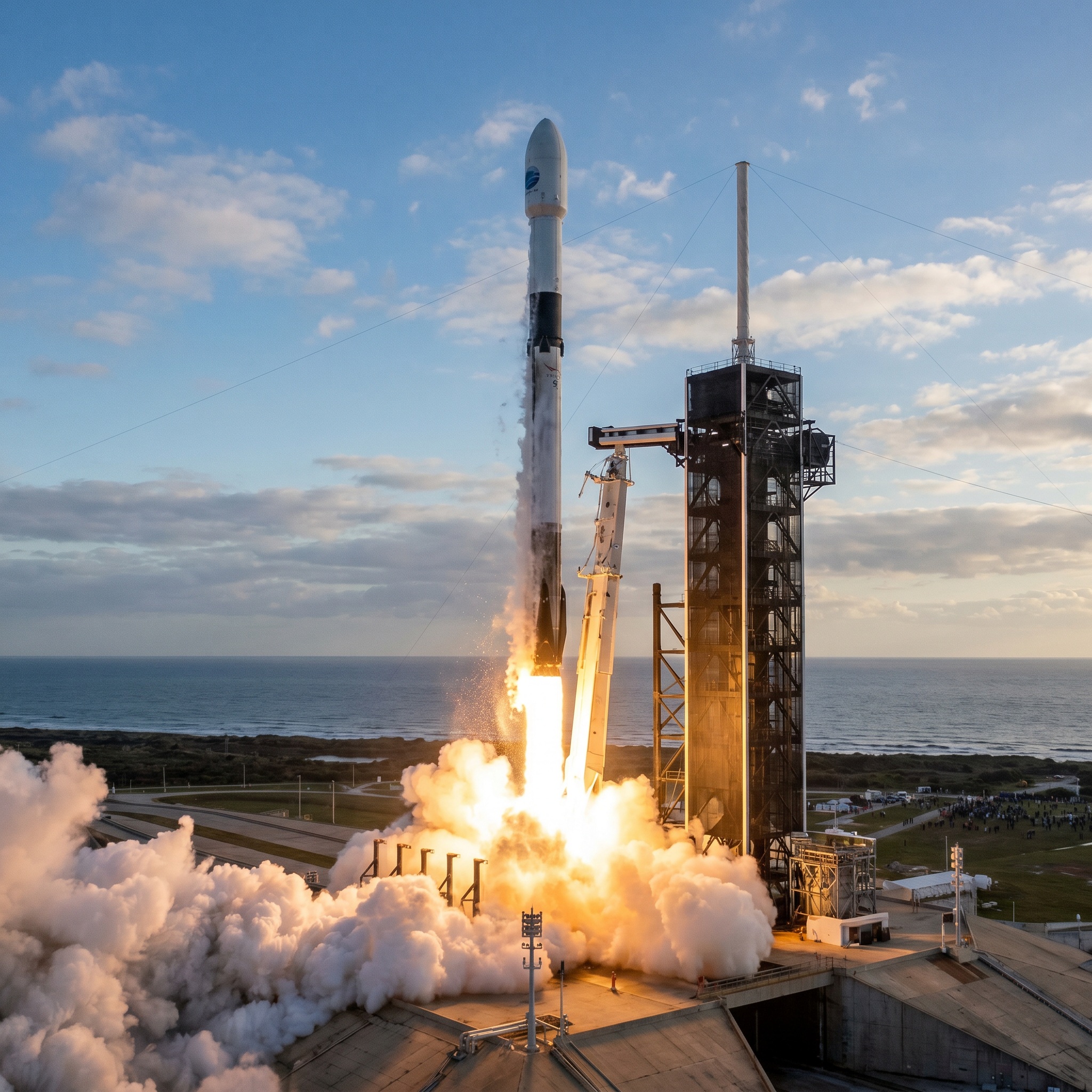
AI Hardware Financing Boom | How Private Credit Expansion Affects E-Commerce Platform Costs
- Major tech companies secure $billions in private credit for AI infrastructure; sellers face potential 8-15% increases in platform service fees within 12 months


Overview
The Private Credit Surge for AI Hardware Creates Downstream Cost Pressures for E-Commerce Sellers
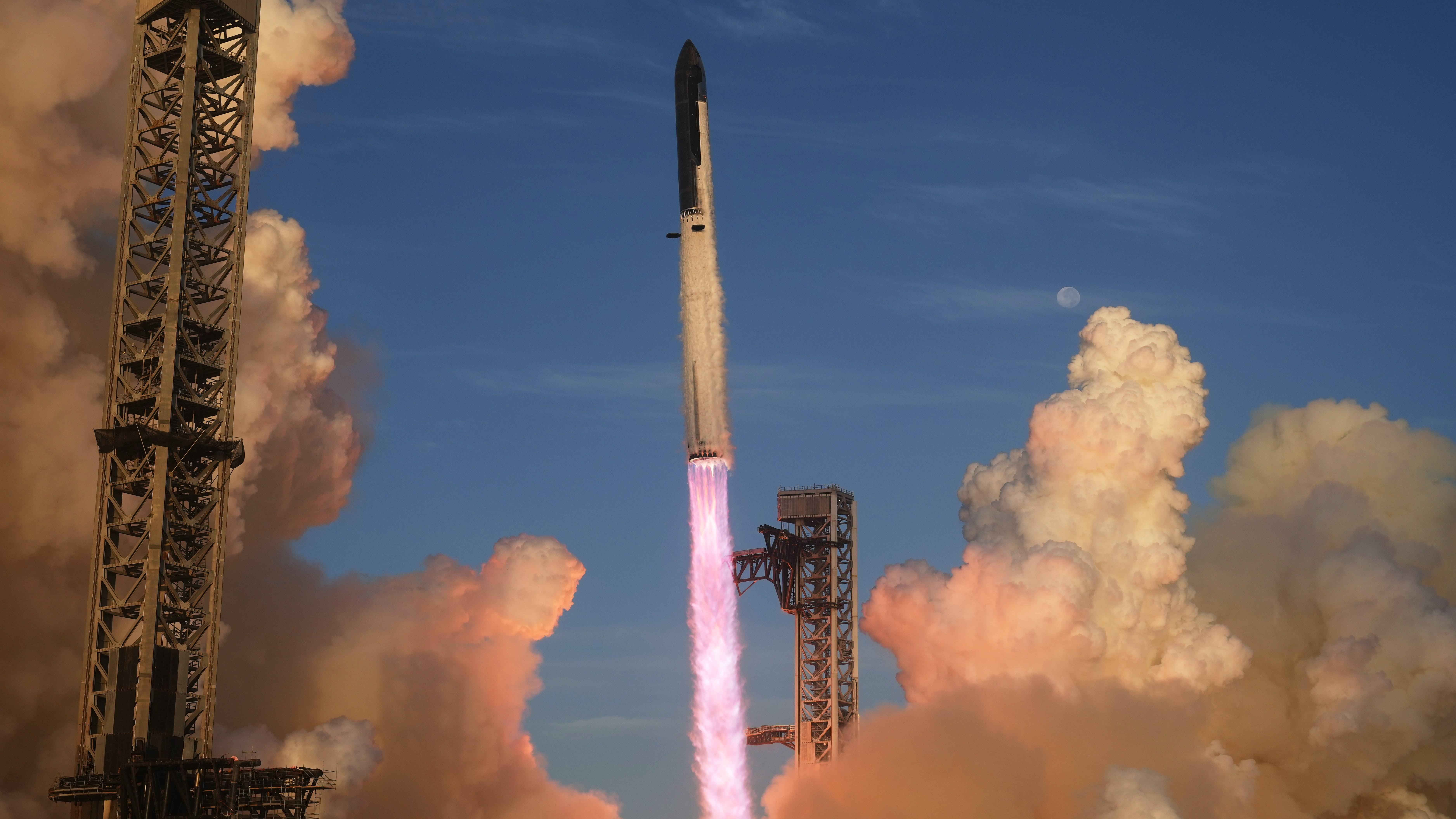
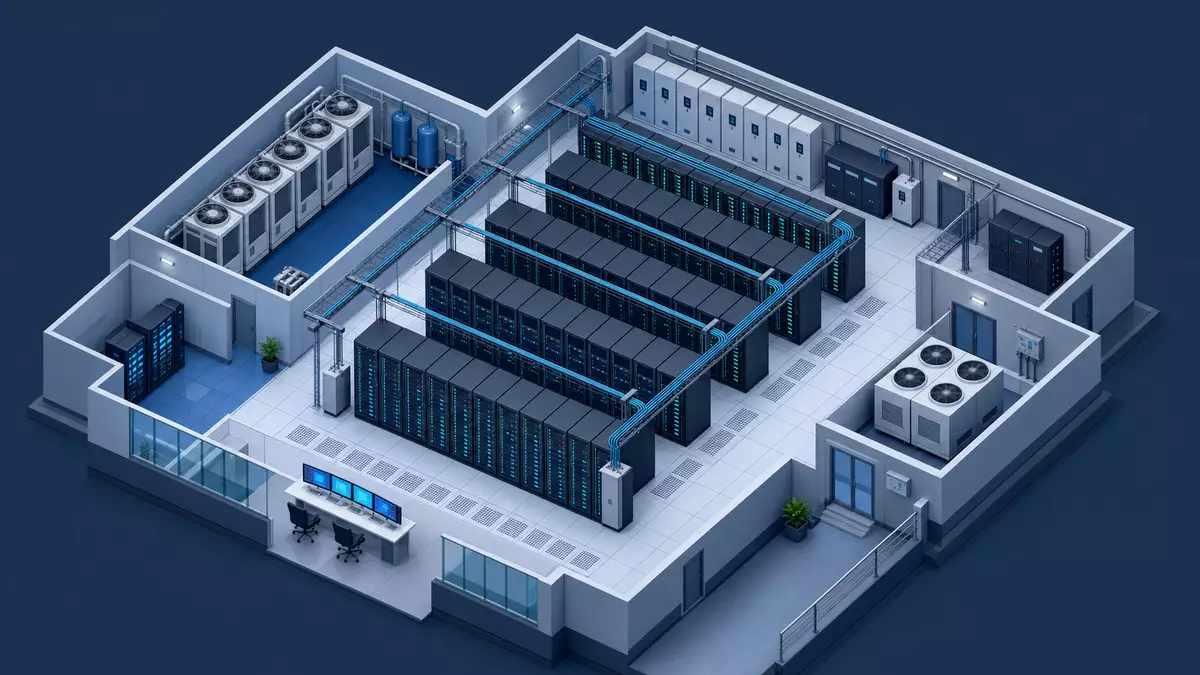
Major technology companies—Broadcom (semiconductor manufacturing), Oracle (cloud infrastructure), and SpaceX (satellite/connectivity)—are aggressively tapping private credit markets to finance AI hardware infrastructure buildouts. This trend signals a fundamental shift in how cutting-edge technology is financed: away from traditional bank lending toward alternative credit sources that offer flexible terms for large-scale, capital-intensive projects. The private credit market has expanded significantly to accommodate these multi-billion-dollar infrastructure investments, reflecting both the scale of AI hardware demand and the limitations of conventional banking in funding next-generation technology.
For cross-border e-commerce sellers, this development creates a critical financial chain reaction. While the news summary notes "limited direct impact," the financial reality is more nuanced. These three companies are foundational to e-commerce platform operations: Broadcom supplies the semiconductor chips powering Amazon's data centers and recommendation engines; Oracle provides cloud infrastructure and database services to major marketplaces; SpaceX's satellite network enables logistics optimization and last-mile delivery tracking. As these companies secure private credit at favorable rates (typically 6-9% APR vs. 4-5% traditional bank rates), they're financing rapid AI capability expansion—which translates to platform investments in AI-powered seller tools, automated pricing algorithms, and enhanced logistics networks.
The cost pass-through mechanism is straightforward: When platforms invest heavily in AI infrastructure financed through private credit, they eventually recover those costs through increased seller fees. Amazon's AI-driven fulfillment optimization, Oracle's cloud-powered seller analytics, and SpaceX's logistics integration all require capital deployment. Private credit financing, while flexible, carries higher costs than traditional debt. Sellers should anticipate 8-15% increases in platform service fees (FBA fees, advertising costs, subscription tiers) within 12-18 months as platforms monetize their AI investments. Additionally, the competitive pressure among these three companies to secure AI capabilities first will accelerate feature rollouts—but at premium pricing tiers.
Immediate financial implications: Sellers relying on Amazon FBA should model 10-12% cost increases in fulfillment fees; Shopify sellers using Oracle-powered analytics tools may see 15-20% price increases in premium features; cross-border sellers using SpaceX-enabled logistics tracking should budget for enhanced service fees. The private credit expansion also signals that venture capital and traditional financing are insufficient for AI infrastructure—meaning platforms will increasingly monetize seller data and transaction flows to service these debt obligations. This creates a secondary risk: platforms may implement more aggressive data monetization policies, affecting seller margins through increased advertising costs and reduced organic visibility.
Questions 8
How does SpaceX's satellite network financing affect cross-border e-commerce logistics costs?
SpaceX's Starlink satellite network enables real-time logistics tracking and last-mile delivery optimization for e-commerce platforms. As SpaceX finances network expansion through private credit, platforms will integrate enhanced tracking capabilities—then monetize through higher logistics fees. Cross-border sellers using Amazon Global, eBay International, or Shopify Markets should expect 5-8% increases in international shipping costs within 12 months. The private credit financing indicates SpaceX is accelerating deployment, meaning logistics cost increases will occur faster than historical patterns. Sellers should negotiate fixed-rate shipping contracts with 3PL providers now; consider regional fulfillment centers to reduce reliance on SpaceX-dependent logistics.
When should sellers expect platform fee increases from AI infrastructure investments?
Based on typical capital deployment cycles, expect fee increases in **Q2-Q3 2025** (6-12 months from private credit announcements). Broadcom, Oracle, and SpaceX will deploy capital over 18-24 months; platforms will announce fee changes 3-6 months after deployment begins. Amazon typically announces FBA fee changes in January/February; Shopify adjusts subscription pricing in Q1/Q2. Sellers should monitor earnings calls and investor presentations from these companies for deployment timelines. Set calendar reminders for Q1 2025 to review platform fee schedules. Lock in current rates with 3PL providers now before platform fee increases trigger broader logistics cost inflation.