


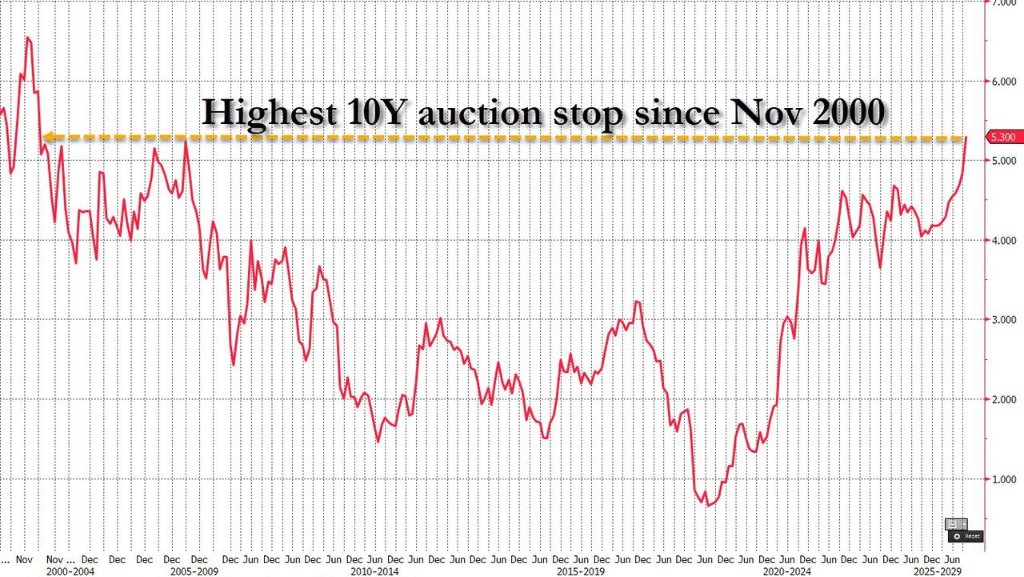

Rising US Treasury Yields & Fed Rate Signals Impact Cross-Border Seller Financing Costs
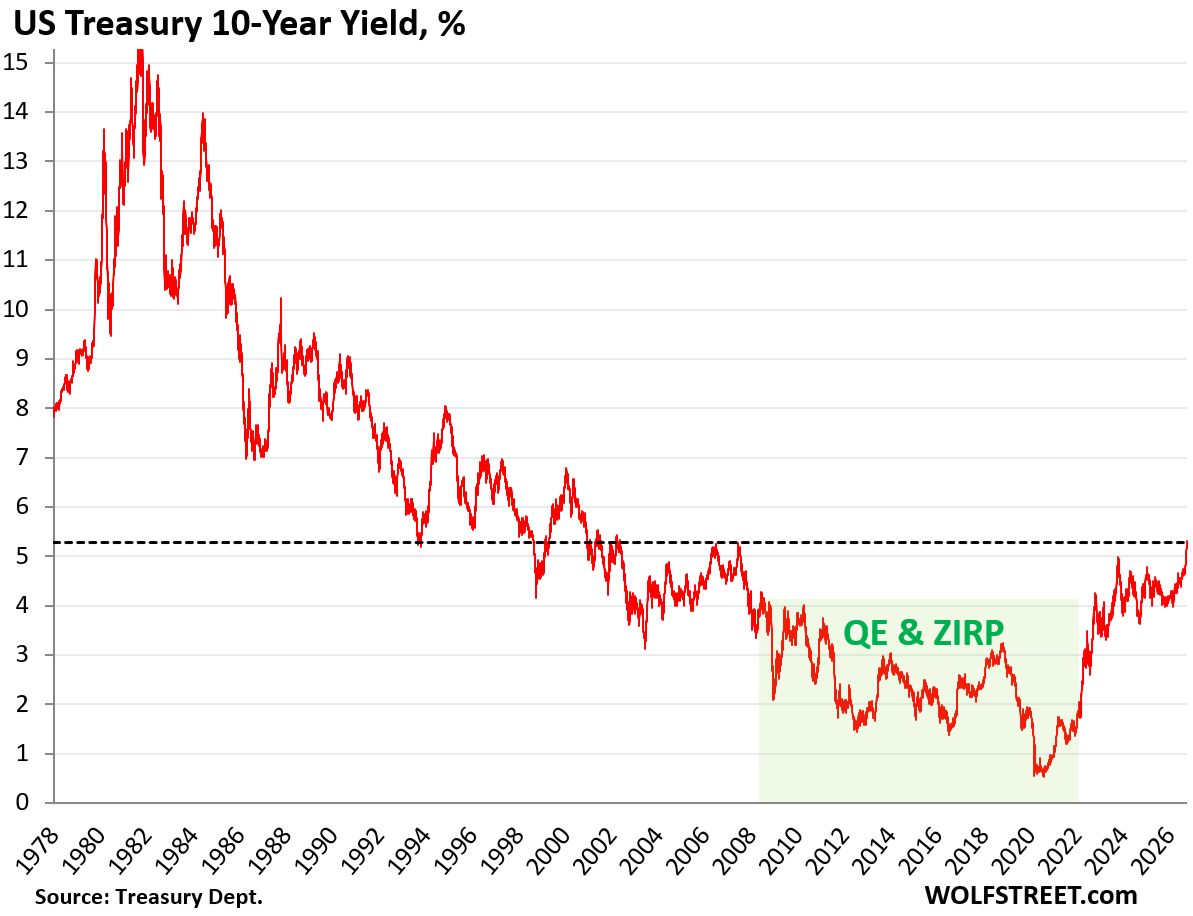
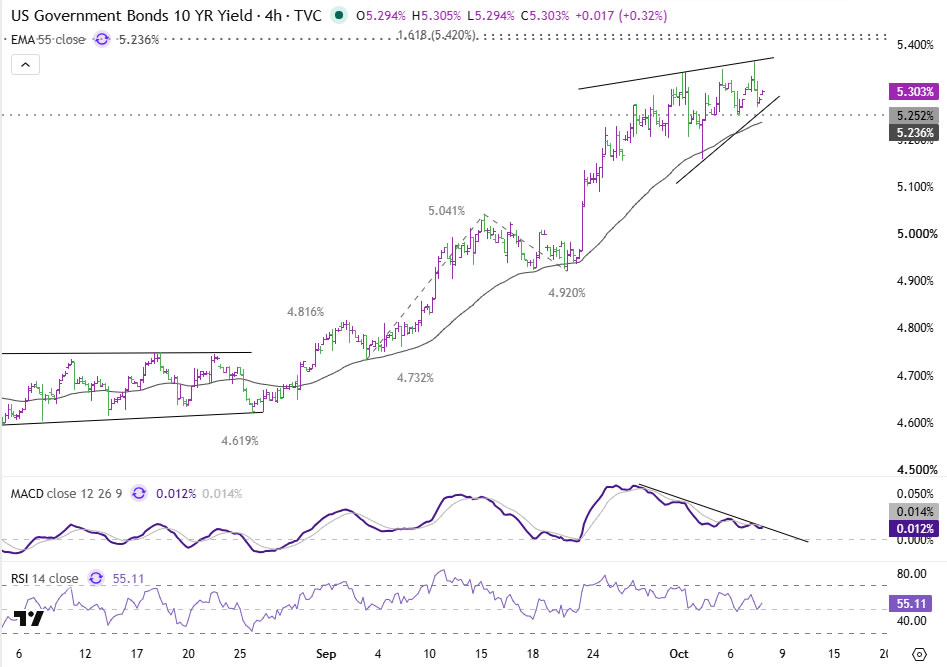
- 10-year yields hit 5.307% on Oct 7, 2026; 78% probability Fed holds rates steady; working capital financing costs rise 40-80 bps for sellers






















Overview
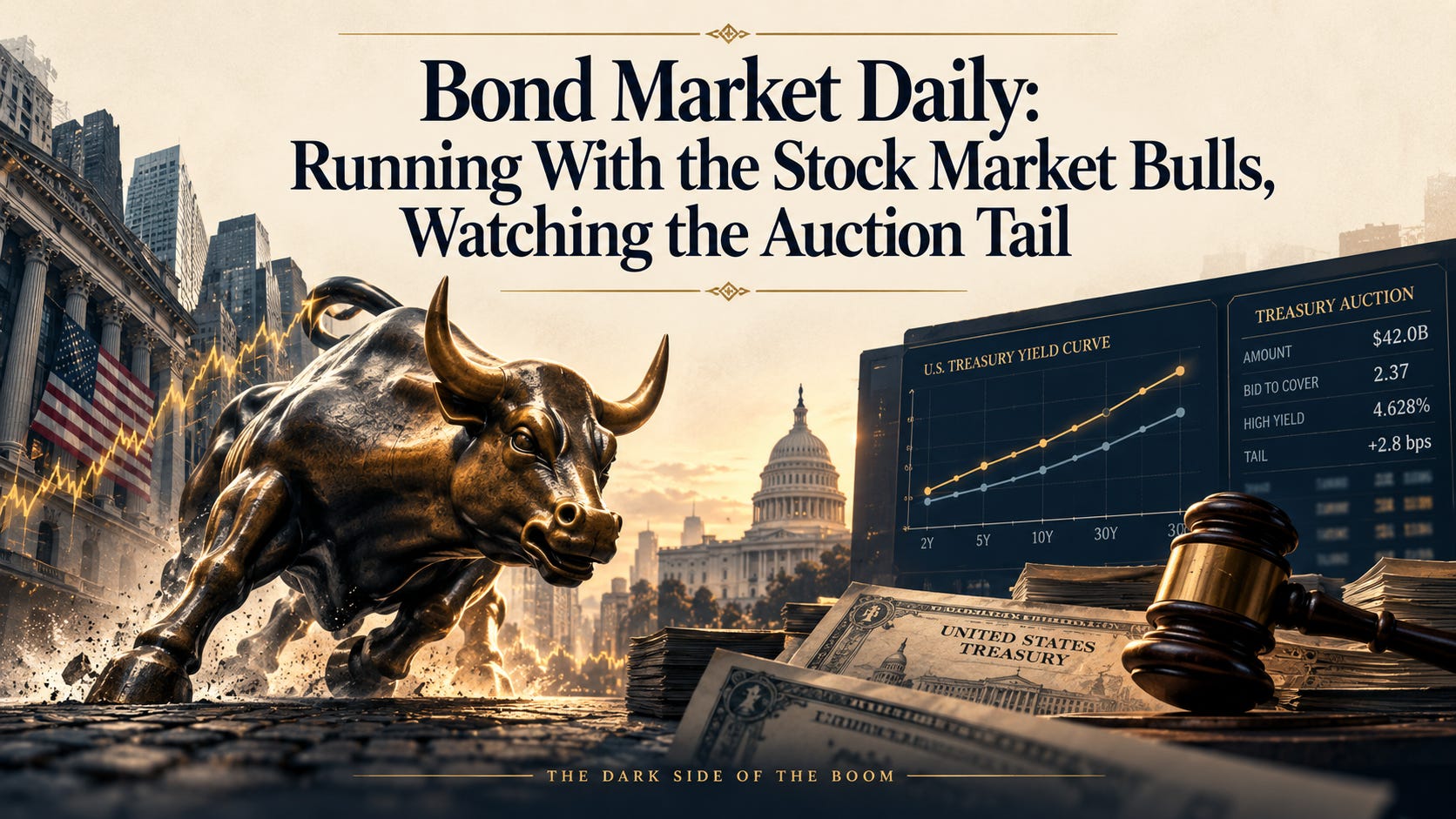
The October 7, 2026 Treasury yield surge to 5.307% (10-year) signals a critical inflection point for cross-border e-commerce sellers relying on working capital financing. The Federal Reserve's September rate hike—the first since 2023—combined with the $39 billion 10-year note auction and 78% probability of rate stability, creates immediate implications for seller cash flow management. As Treasury yields climb amid inflation concerns and rising energy prices, the cost of capital for inventory financing, invoice factoring, and trade credit is rising 40-80 basis points across major lending platforms.
For cross-border sellers, this yield environment directly impacts three critical financial levers: First, working capital financing costs are accelerating. Sellers using inventory loans, PO financing, or invoice factoring through providers like Fundbox, Kabbage, or traditional trade finance platforms will see APR increases of 0.4-0.8% as lenders reprice risk against higher Treasury benchmarks. A seller with $500K in outstanding PO financing at 8% APR will now face 8.4-8.8% rates on renewal—adding $2,000-4,000 in annual interest expense. Second, cross-border payment corridors face FX headwinds. The 10-year yield at 5.307% strengthens the US dollar relative to EUR, GBP, and CNY, creating both opportunities and risks. Sellers importing from Asia face 2-4% currency headwinds on USD-denominated costs, while those exporting from the US gain temporary FX tailwinds. Third, cash conversion cycles are compressing. With financing costs rising, sellers must accelerate inventory turnover—reducing days inventory outstanding (DIO) from 45-60 days to 30-45 days to maintain margin. This creates urgency for sellers to optimize SKU velocity, reduce slow-moving inventory, and shift toward faster-turning categories like electronics, home goods, and seasonal apparel.
The 78% probability of rate stability (per CME FedWatch) suggests yields may stabilize near current levels through Q4 2026, but the six-week selling pressure indicates volatility ahead. Sellers should immediately lock in financing rates before further yield increases, consider hedging FX exposure on major currency pairs (USD/EUR, USD/CNY), and evaluate alternative payment routes. For instance, sellers shipping from China to US markets should prioritize USD-denominated invoicing with suppliers to avoid CNY appreciation losses. Those using Wise, Remitly, or OFX for cross-border payments should compare rates now—a 50 bps difference on $100K monthly transfers equals $500 in monthly savings. Additionally, sellers should stress-test inventory financing under 6.0-6.5% rate scenarios, as the Fed's inflation concerns suggest further tightening is possible despite current hold expectations.
Questions 7
How should sellers hedge against further Fed rate increases beyond the current hold?
The 78% probability of rate stability masks underlying inflation concerns that could trigger further hikes. Sellers should stress-test financing under 6.0-6.5% rate scenarios (50-150 bps higher). Immediate actions: (1) Lock in 6-12 month financing rates now before further increases; (2) Diversify lenders—use a mix of invoice factoring, PO financing, and inventory loans to avoid single-provider rate shocks; (3) Build cash reserves to reduce financing dependency; (4) Hedge FX exposure on major currency pairs for 90+ days using forward contracts. For sellers with $1M+ in annual financing needs, a 100 bps rate increase costs $10,000 annually. Hedging costs 0.5-1% but provides certainty—a worthwhile trade-off given macroeconomic uncertainty.
What payment routes offer the lowest fees given current market conditions?
Cross-border payment providers are repricing fees upward as Treasury yields rise. Wise currently charges 0.5-1.5% on international transfers with mid-market rates; Remitly charges 1-3% depending on corridor; OFX charges 1-2%. For a $100K monthly transfer from US to China, Wise saves $500-1,000 monthly versus traditional banks (2-3% fees). Sellers should compare rates across all three providers for their specific corridors (USD/EUR, USD/CNY, USD/GBP) and lock in rates for 30-90 days if possible. Additionally, sellers should evaluate whether consolidating payments (fewer, larger transfers) reduces per-transaction fees—a $100K single transfer typically costs less per dollar than ten $10K transfers.