

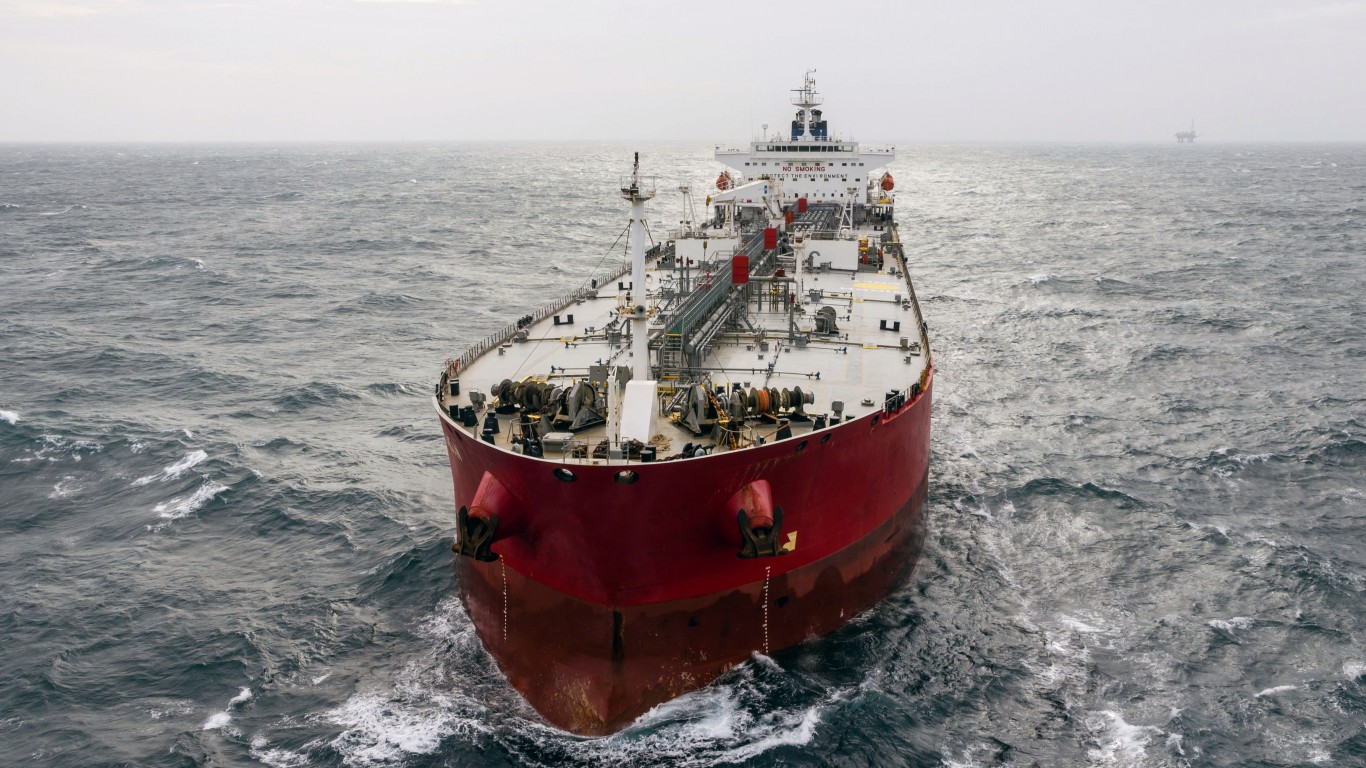

Hormuz Strait Attacks Drive 27% Shipping Decline | E-Commerce Logistics Crisis
- Tanker traffic hits 2-month low with 12+ weekly vessel attacks; cross-border sellers face 15-25% shipping cost increases and 2-4 week delivery delays on Asia-Europe-North America routes












Overview
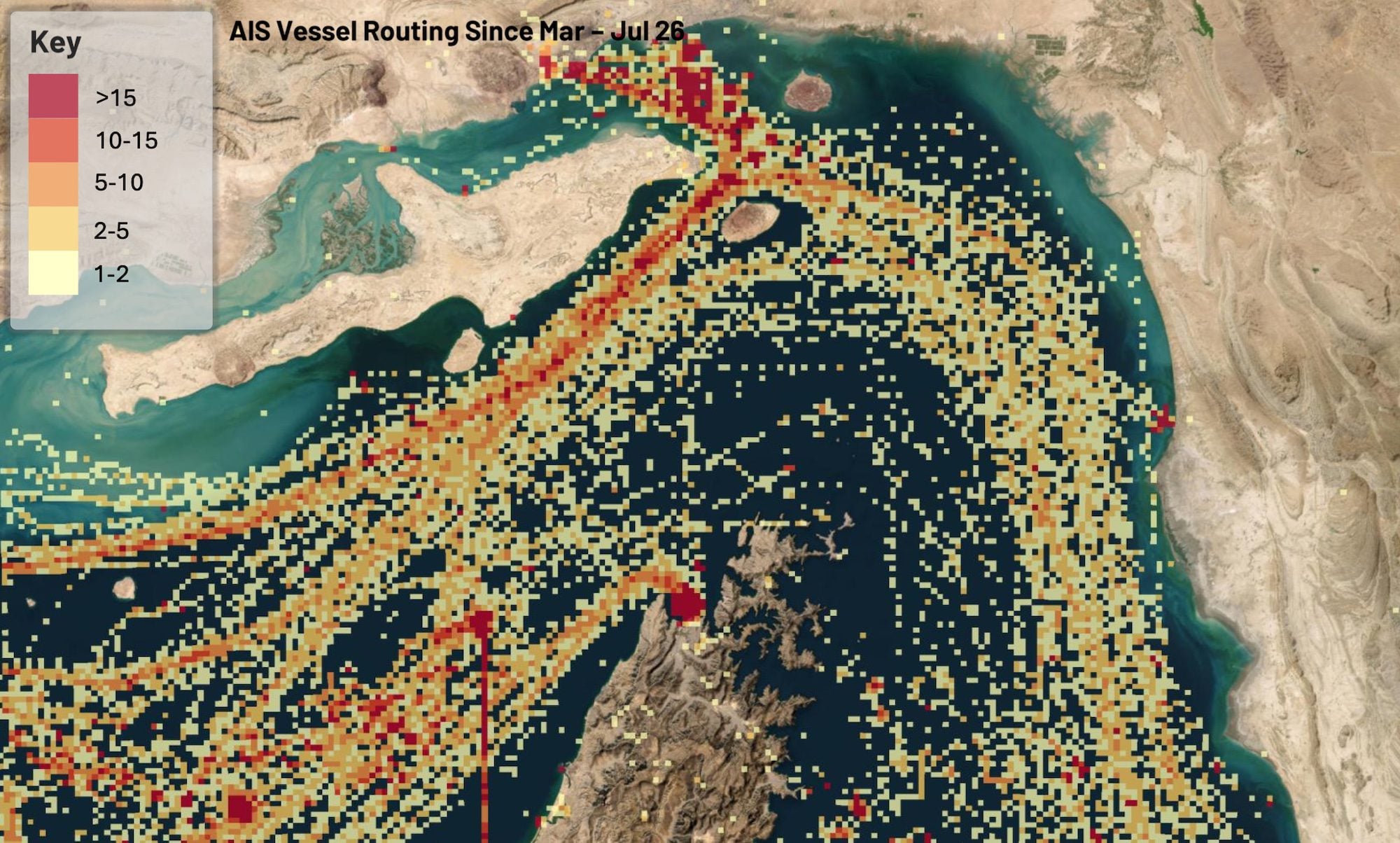
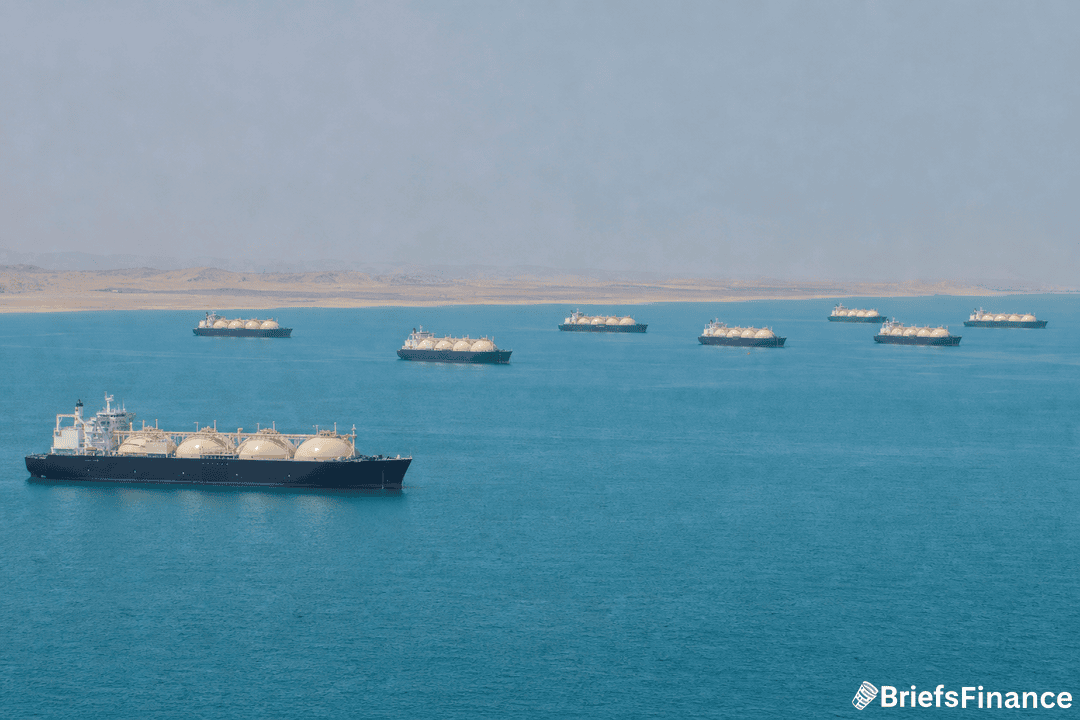
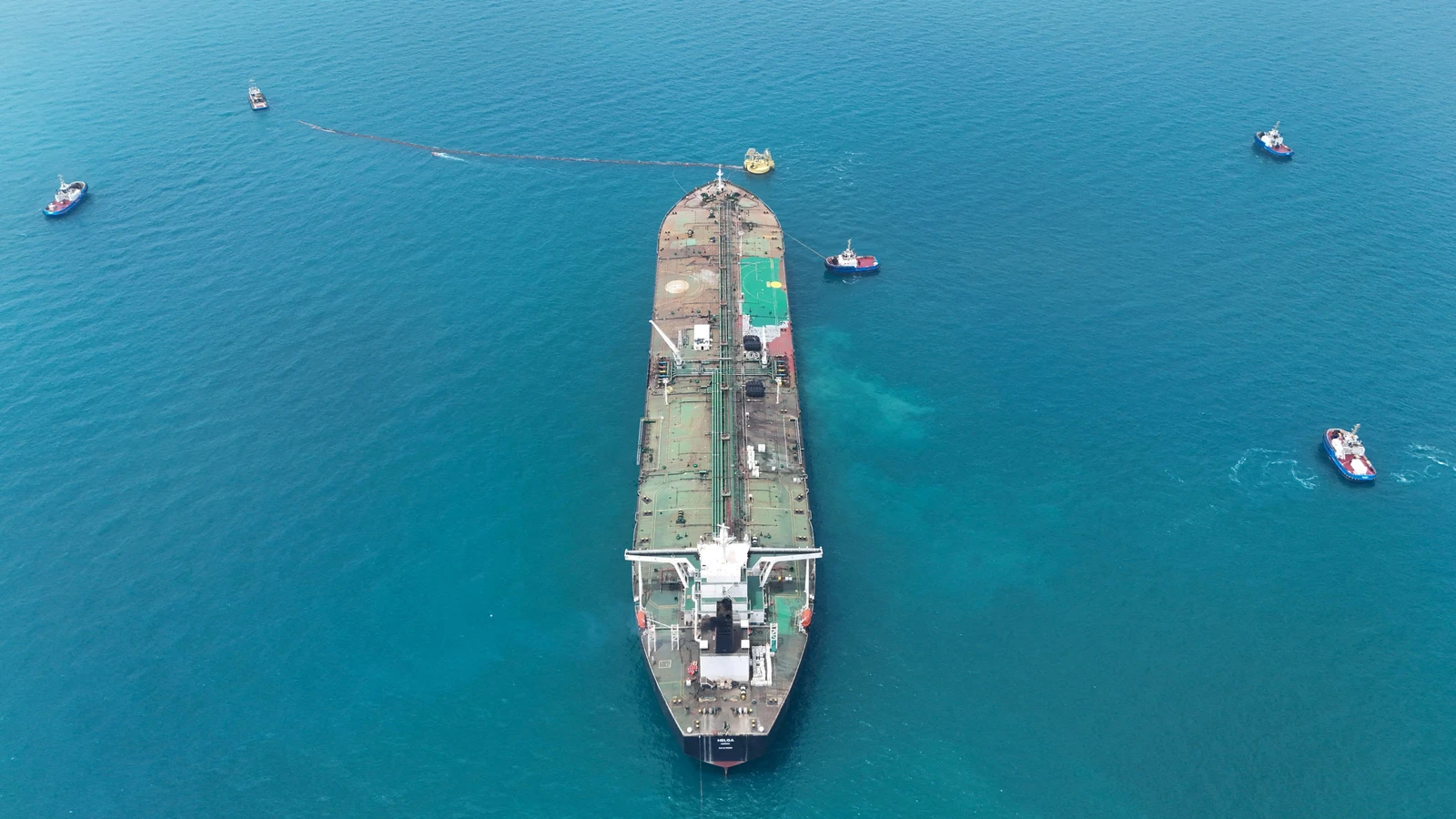
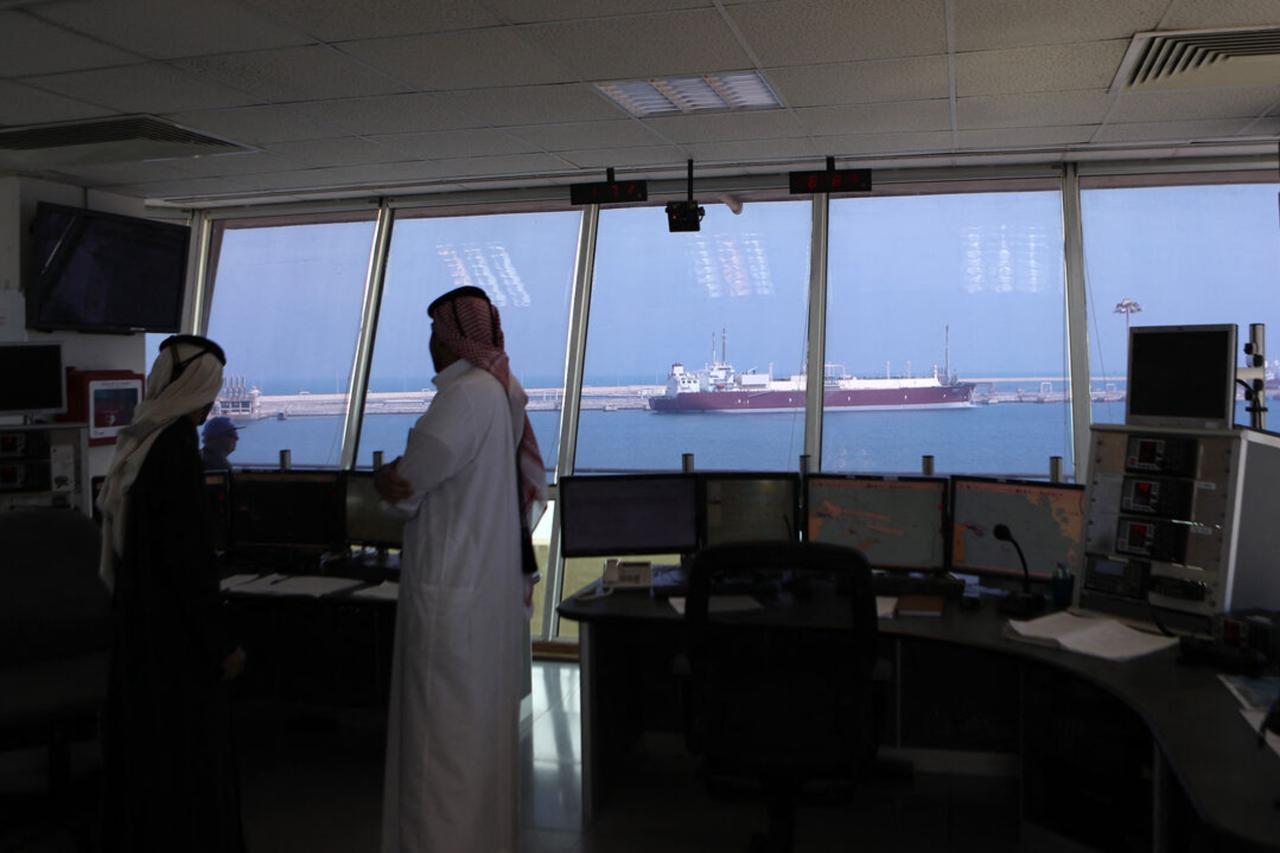
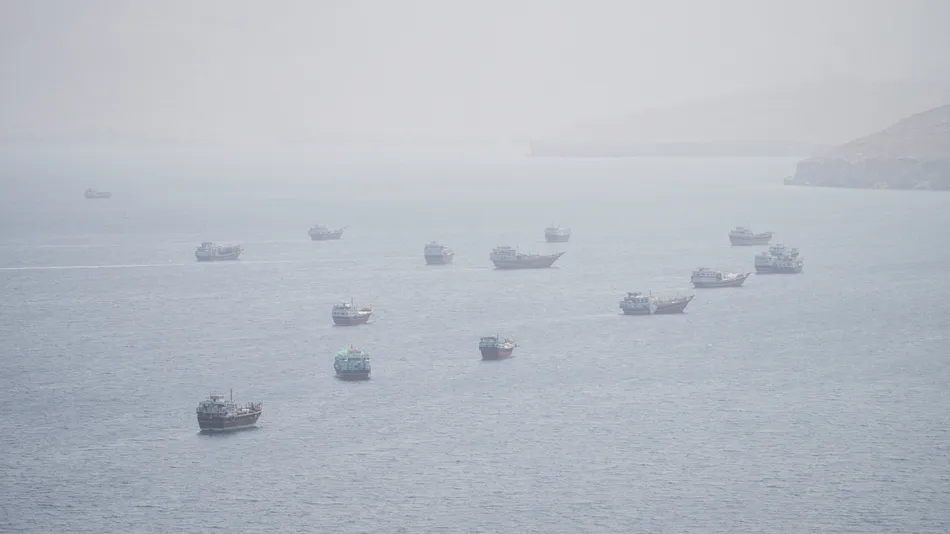
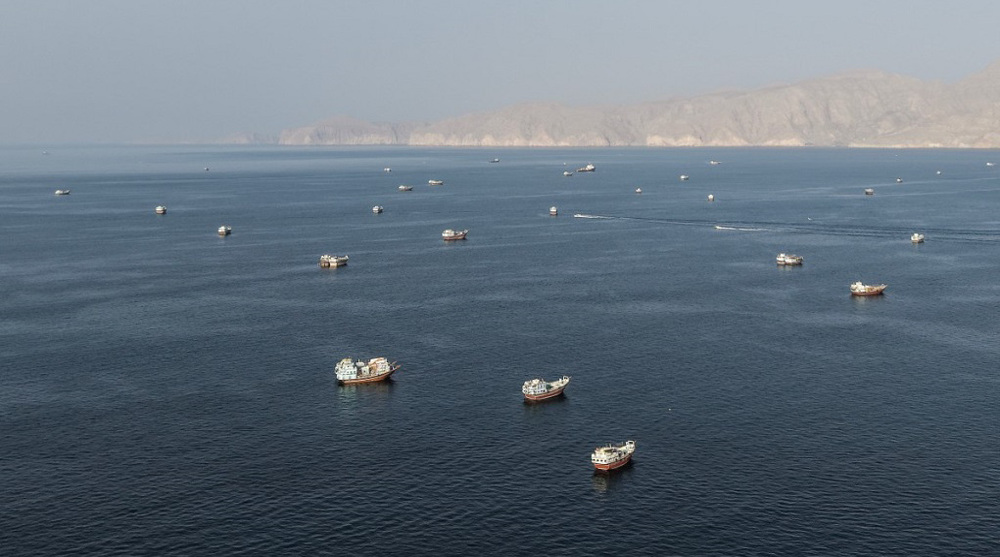
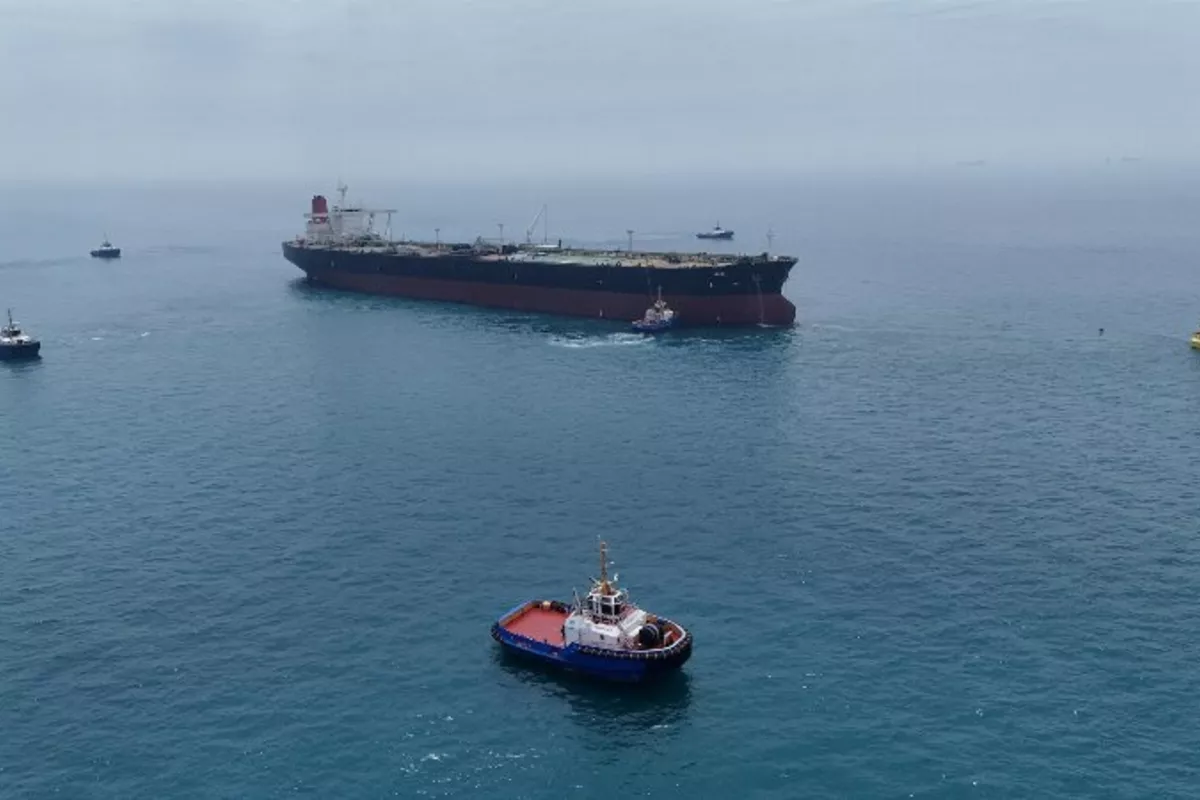
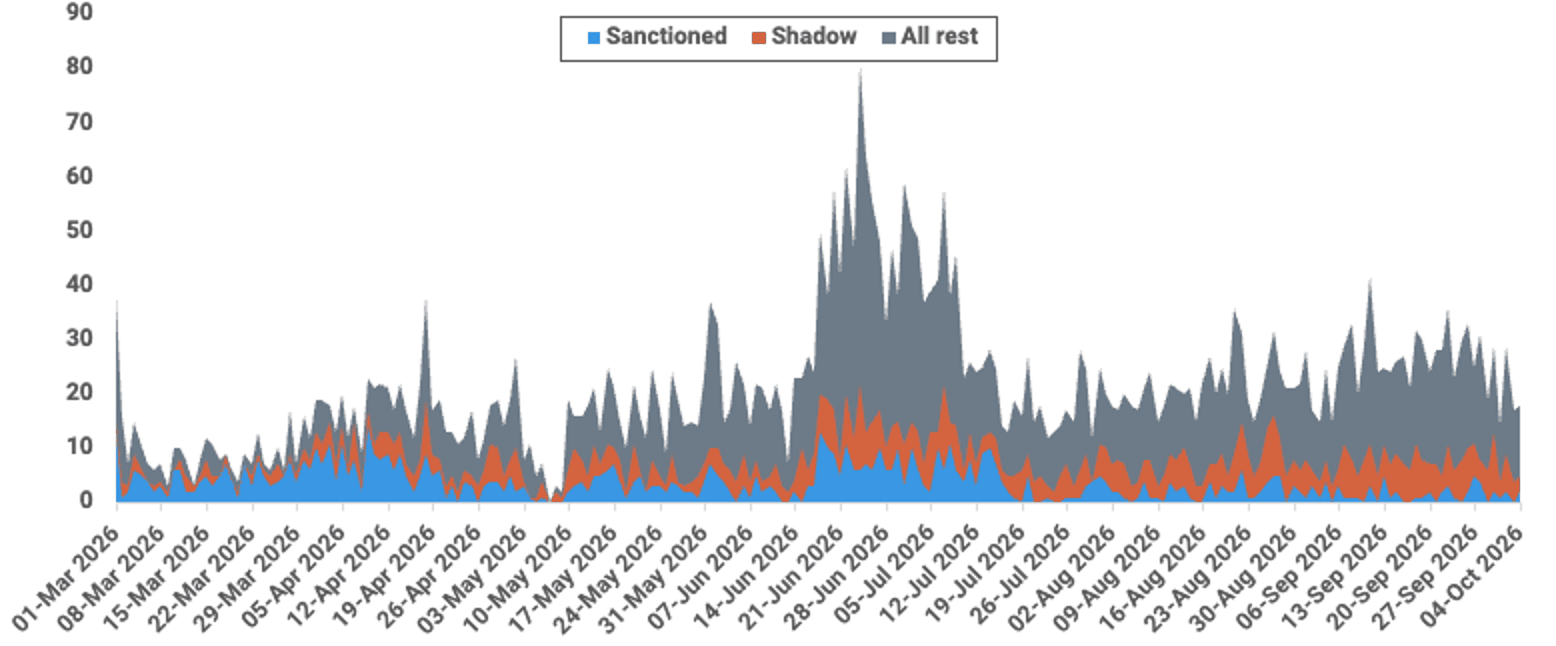
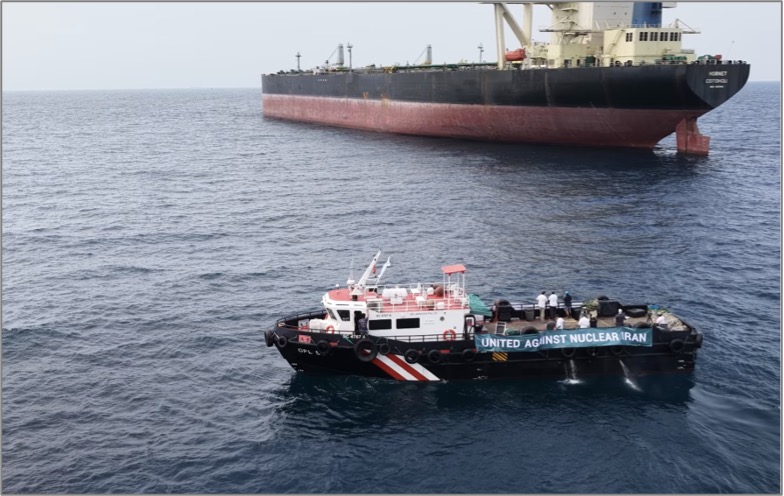
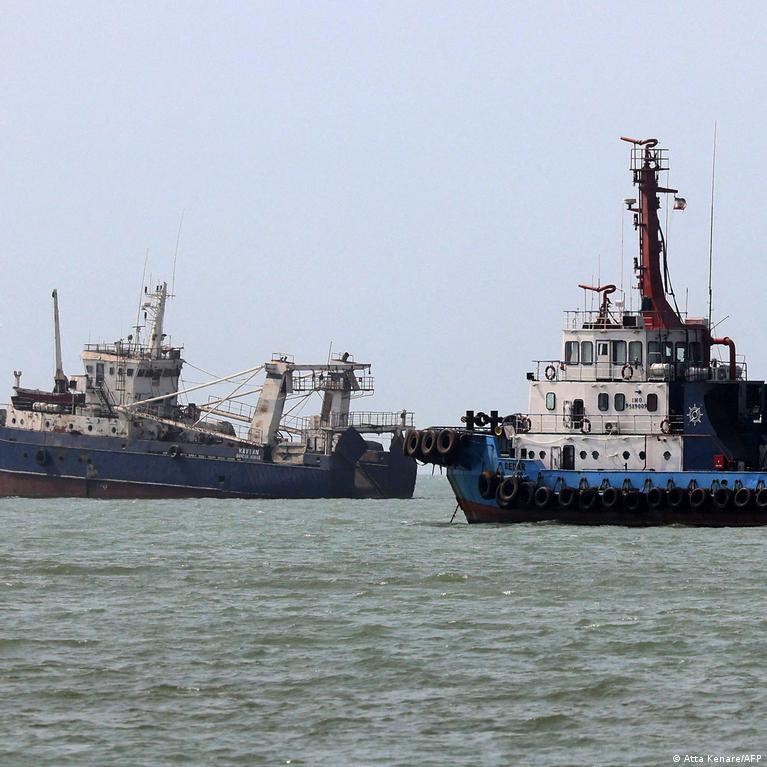
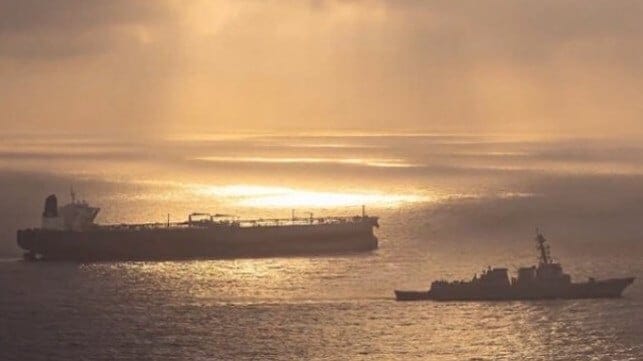
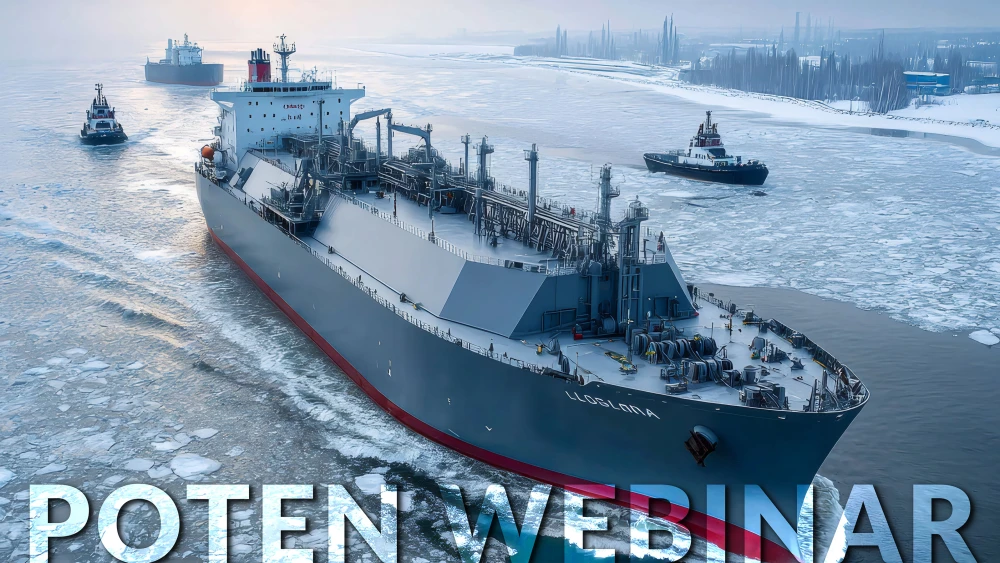
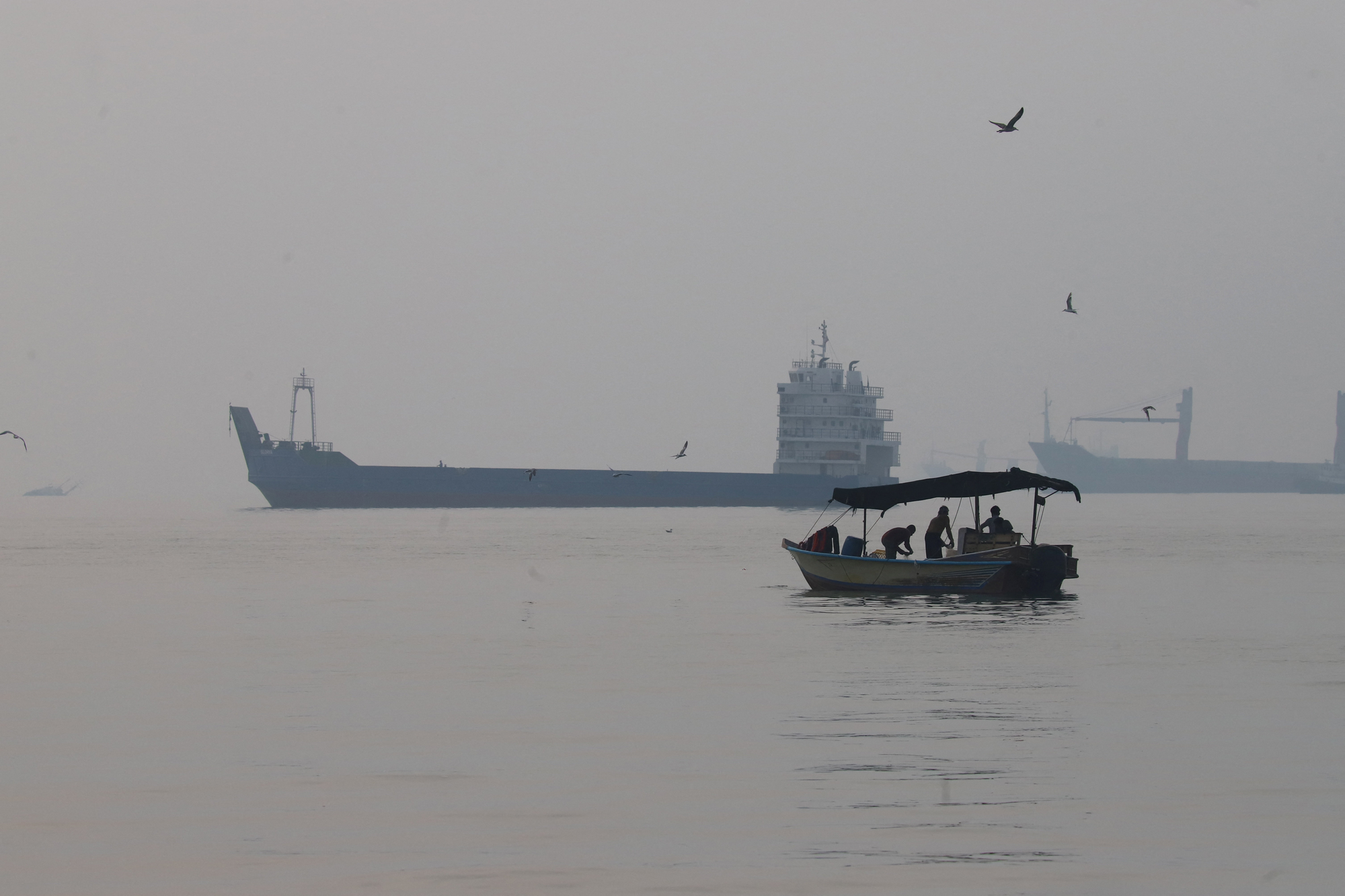
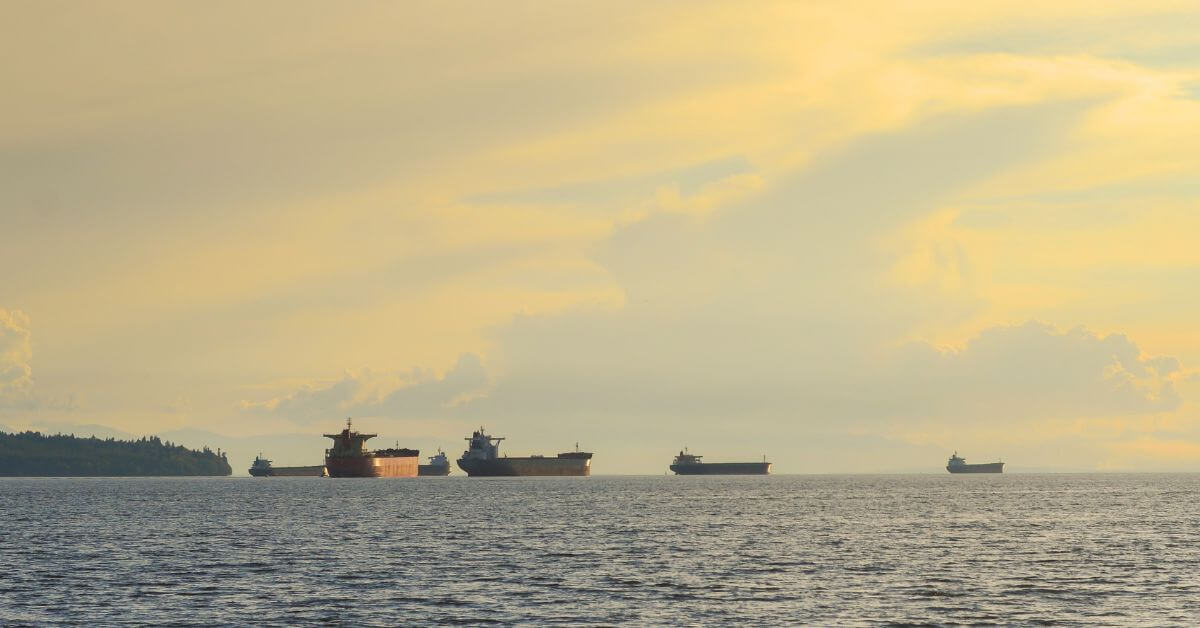
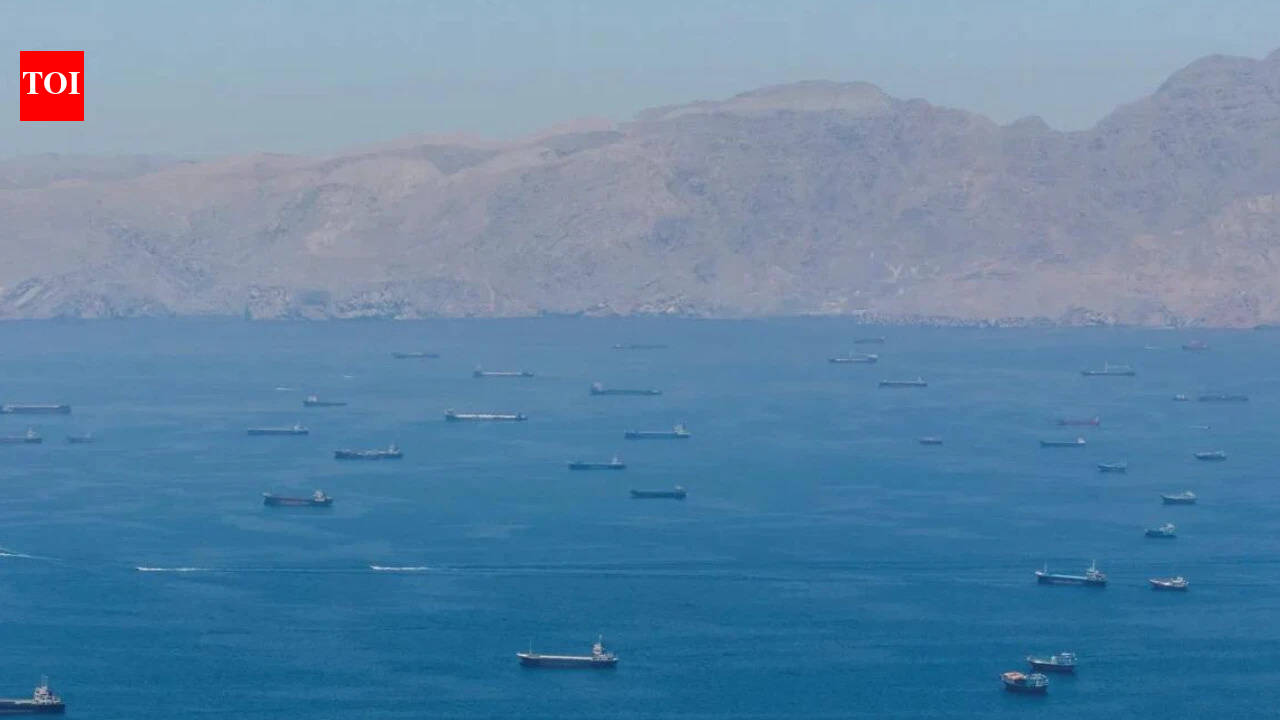
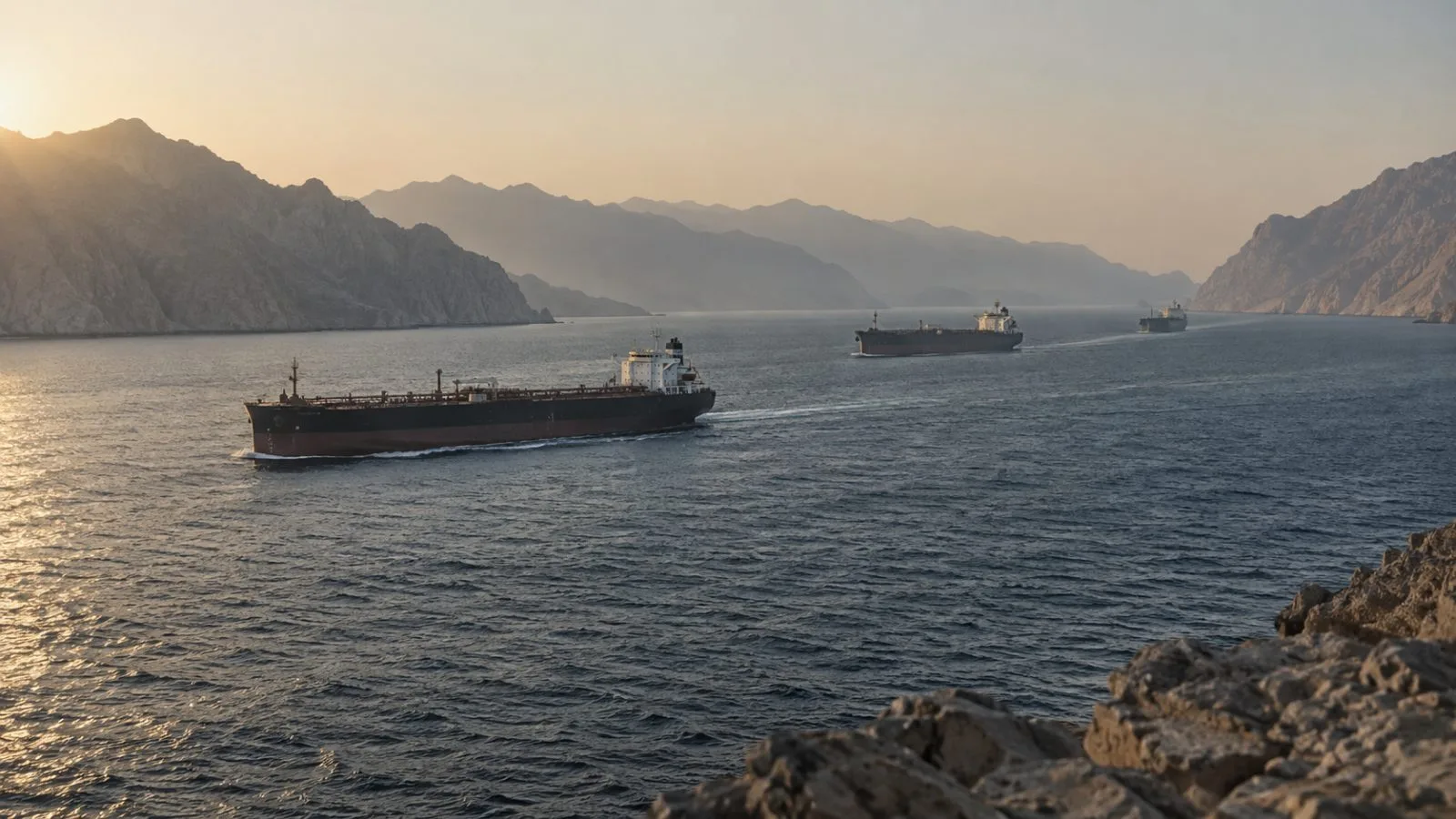
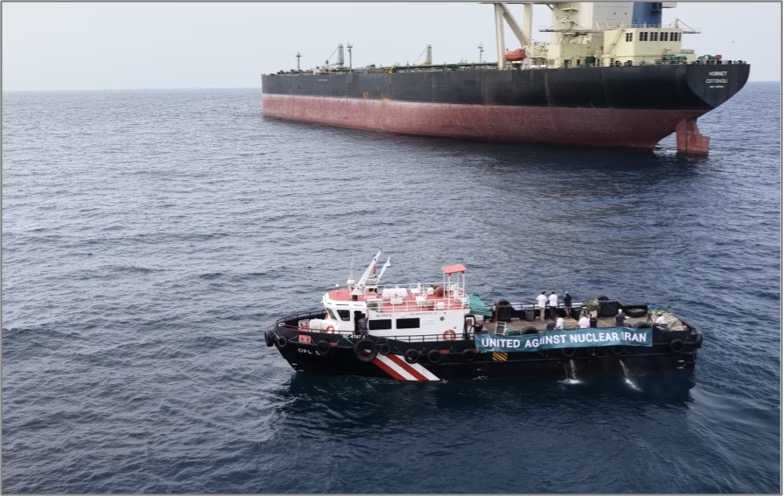
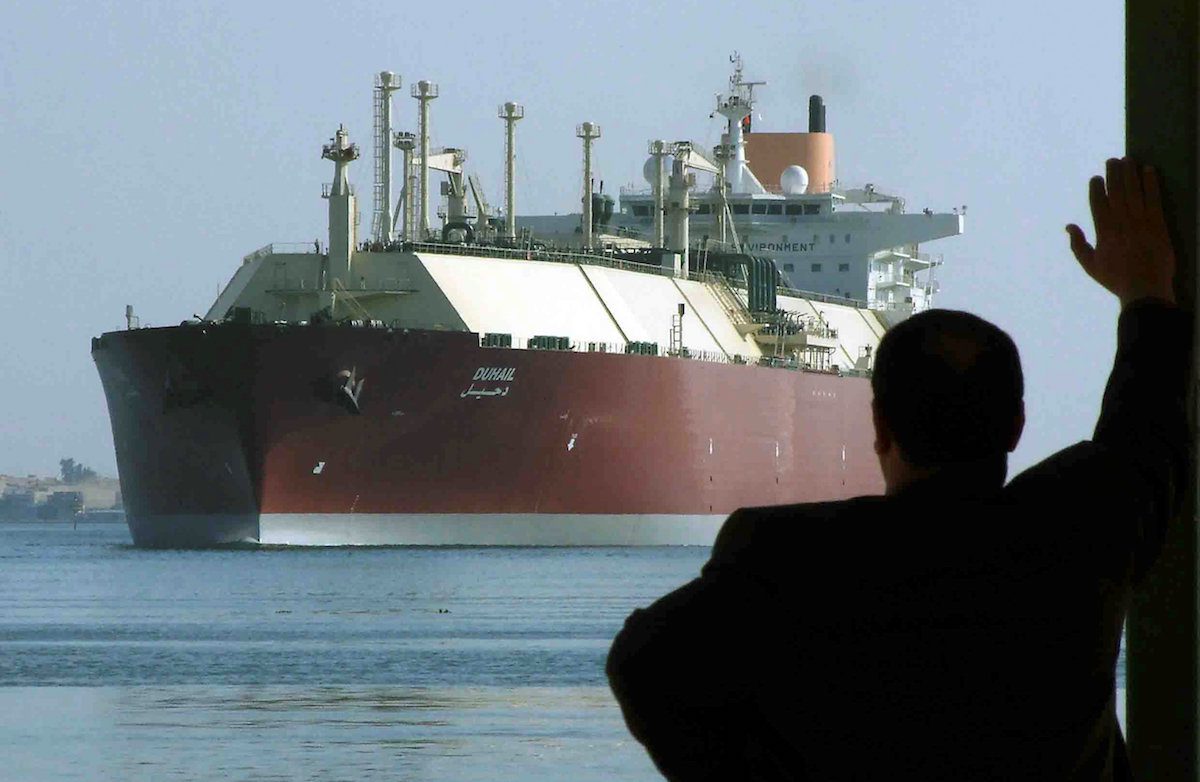
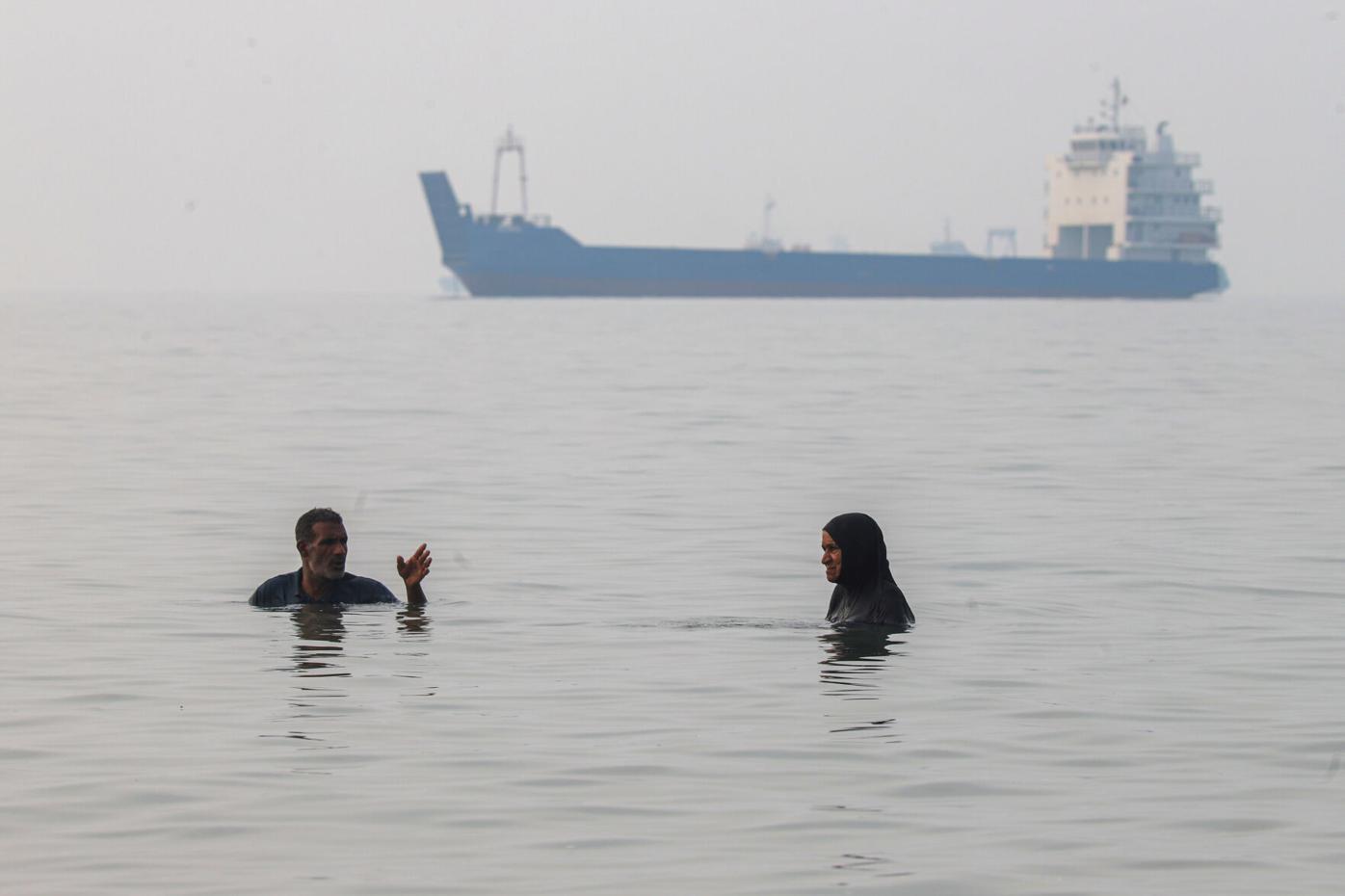
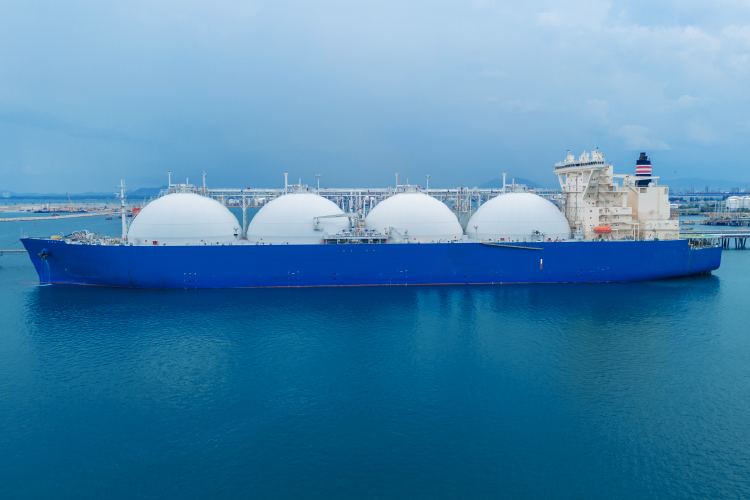
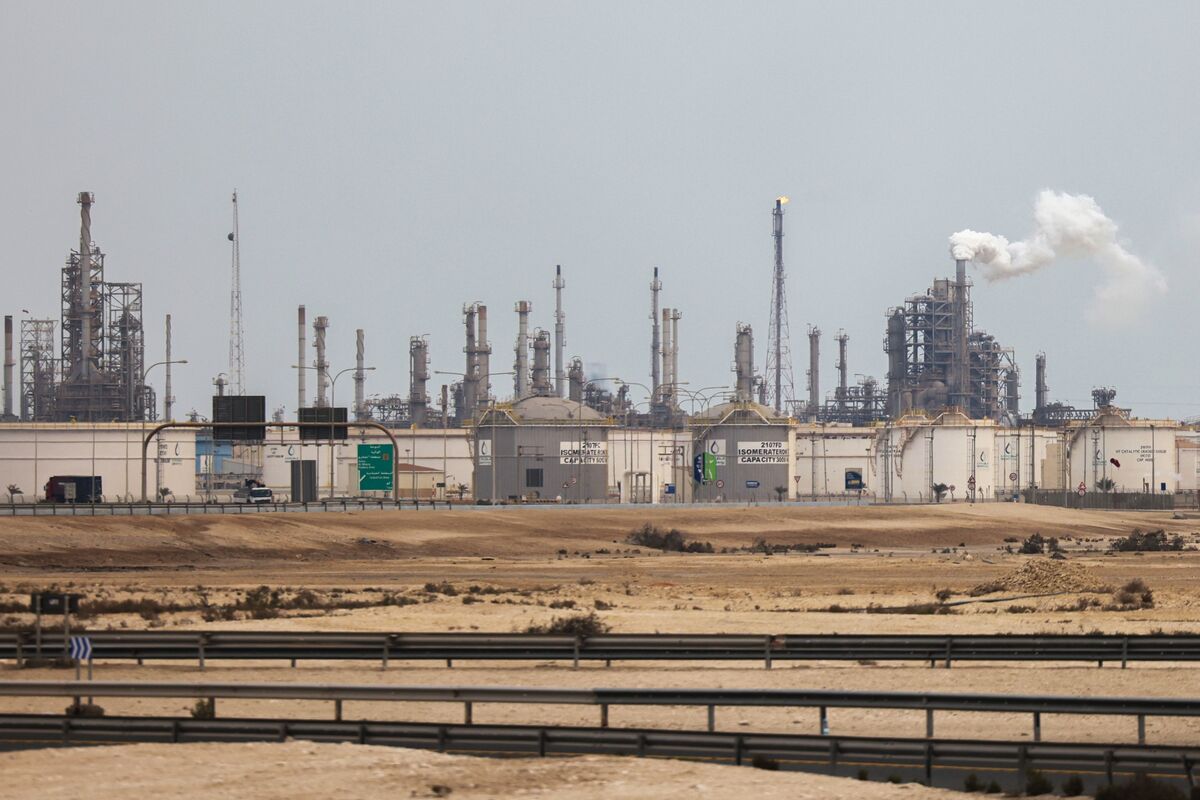
The Strait of Hormuz—through which 21% of global petroleum trade flows—has experienced its lowest tanker traffic in over two months following escalated Iranian military attacks, creating an immediate supply chain crisis for cross-border e-commerce sellers. Between September 28 and October 2, the Joint Maritime Information Center documented at least 12 attacks on vessels, with Kpler data confirming only seven commodity carriers transited the strait on a single Tuesday—the lowest count since late July. Crude oil flows have dropped 27% from wartime highs to approximately 10.1 million barrels per day, remaining 74% below pre-war levels. This geopolitical disruption directly impacts e-commerce logistics: freight forwarders report rising insurance premiums and surcharges for vessels transiting the region, with shipping costs increasing 15-25% for sellers relying on time-sensitive shipments from Asia to Europe and North America.
For cross-border sellers, the operational impact is immediate and quantifiable. Sellers shipping electronics, apparel, home goods, and consumer products via the Hormuz corridor face extended transit times (adding 2-4 weeks to typical 30-45 day ocean freight schedules) and elevated per-unit shipping costs. A seller moving 500 units monthly from China to EU via Hormuz-dependent routes could see monthly shipping costs increase by $3,000-$8,000 depending on product weight and volume. The news explicitly states that "prolonged disruptions could force permanent shifts in global logistics networks, affecting supply chain costs for e-commerce businesses dependent on efficient maritime transport." Insurance premiums have spiked as maritime operators reassess security risks; some freight forwarders are implementing armed escort surcharges and alternative routing through longer passages (Red Sea alternatives, Suez Canal congestion, or Cape of Good Hope routes), adding 10-15 additional transit days and 20-30% cost premiums.
Strategic sourcing and inventory management decisions are now time-sensitive. Sellers with inventory in transit face potential delays affecting Q4 holiday season fulfillment windows—a critical period for electronics, toys, and seasonal apparel categories. The escalation risk remains high: Iran has stated it will respond "with full force" to any military action, and U.N. data confirms this represents the highest weekly vessel attack total of 2024. Sellers should immediately audit their supply chain exposure: identify which SKUs depend on Hormuz-routed shipments, calculate inventory buffer requirements, and evaluate alternative sourcing from Vietnam, India, or Mexico to bypass Middle Eastern maritime chokepoints. Companies with 3PL partnerships should negotiate alternative routing agreements now, before capacity constraints tighten further. The situation remains fluid, but industry analysts warn that "alternative routing methods and reduced traffic volumes characterize current operations rather than normalized conditions," suggesting this disruption will persist through Q4 2024 and potentially into 2025.
Questions 8
How do I calculate the true cost impact of Hormuz disruptions on my business?
Calculate three cost components: (1) Direct shipping cost increase: multiply monthly unit volume × average weight × 15-25% cost premium; (2) Working capital cost: increased inventory buffers (30-50% additional stock) × product cost × your cost of capital; (3) Opportunity cost: delayed inventory arriving after peak selling windows, reducing sell-through rates and increasing markdowns. Example: A seller shipping 1,000 units/month (10kg average) from China to EU at $2/kg base rate faces $2,000 monthly shipping cost increasing to $2,300-$2,500 (15-25% premium). Adding 30% inventory buffer = $15,000-$20,000 additional working capital tied up. The news confirms 'freight forwarders report rising insurance premiums and surcharges,' making these costs quantifiable in your 3PL invoices. Request detailed cost breakdowns from your freight forwarder showing base rate vs. Hormuz surcharges, security premiums, and alternative routing costs to model scenarios.
What compliance or documentation changes do I need for alternative shipping routes?
Alternative routes (Red Sea, Cape of Good Hope, air freight) require no additional customs documentation but may trigger different insurance classifications and transit time declarations. If shifting to alternative sourcing countries (Vietnam, India, Mexico), verify origin-of-goods certifications and any preferential trade agreement eligibility (USMCA for Mexico, CPTPP for Vietnam). The news focuses on logistics disruption rather than regulatory changes, so compliance burden remains stable. However, notify your Amazon Seller Central, eBay, or Shopify fulfillment partners of extended transit times to update expected delivery date calculations and avoid performance penalties. Update your supplier agreements to specify alternative routing authorization and cost-sharing terms for Hormuz surcharges. Most importantly: communicate transparently with customers about potential delivery delays during this period to manage expectations and reduce return rates from disappointed buyers.