


TSMC's 54.6% Revenue Surge Signals AI Chip Boom | Electronics Sellers Gain Supply Stability & Pricing Power Through 2025
- TSMC September 2026 revenue hits $16.03B with 54.6% YoY growth; semiconductor supply normalization benefits electronics sellers with improved inventory availability and 8-15% potential cost reductions in smart devices, computing equipment, and consumer electronics categories













Overview
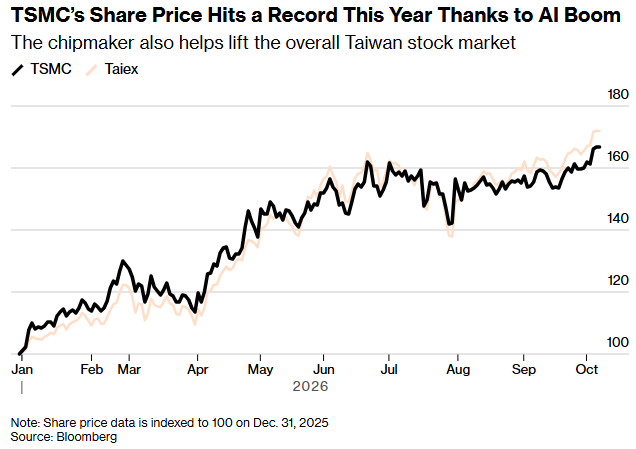
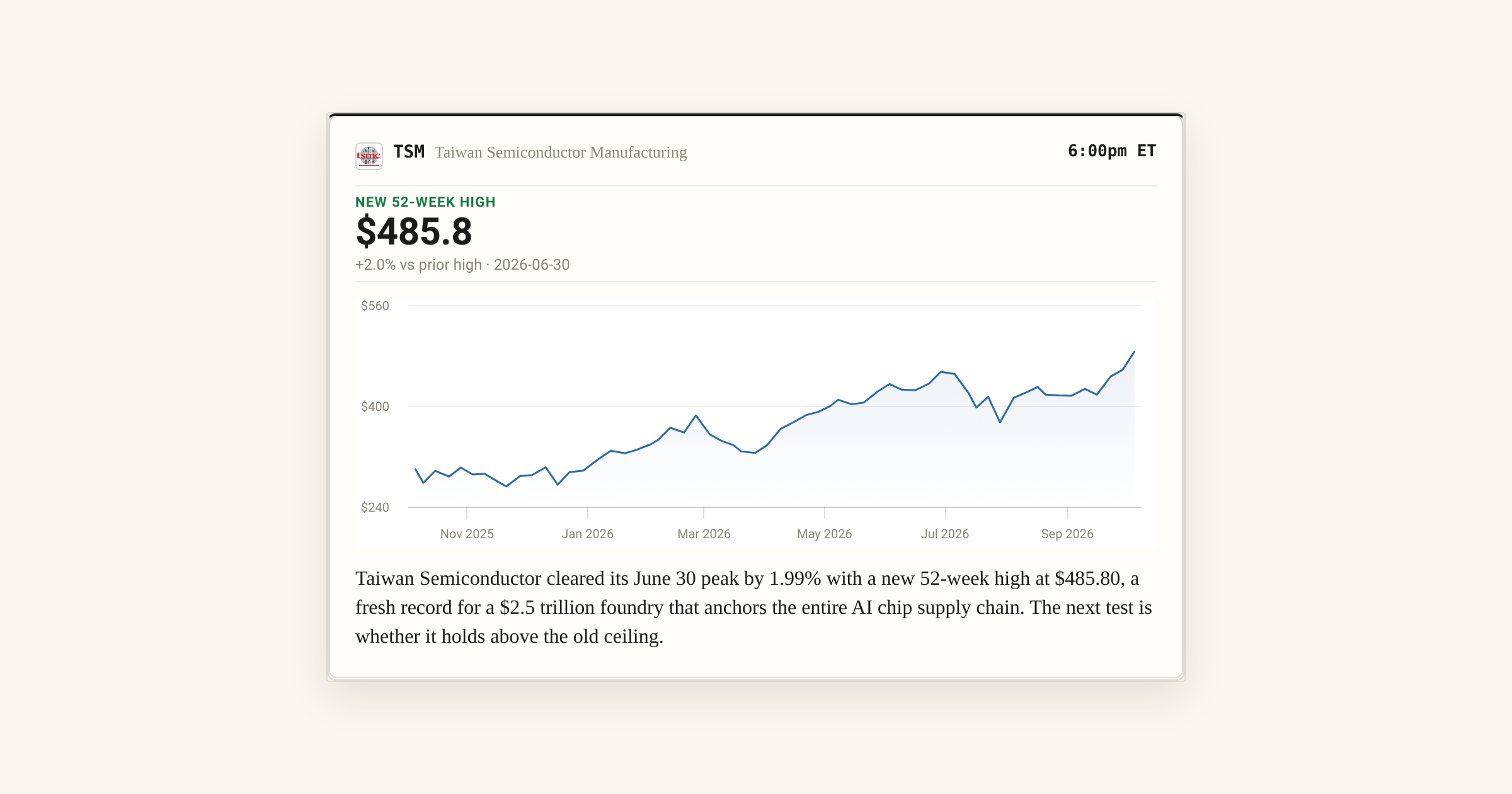
TSMC's record-breaking September 2026 performance—$16.03 billion USD revenue representing a 54.6% year-over-year increase—signals sustained AI infrastructure investment and accelerating semiconductor supply normalization that directly benefits cross-border e-commerce sellers. The world's largest contract chipmaker's exceptional growth, driven by major customers including Nvidia and Apple, confirms robust demand for advanced AI chips powering data centers and consumer applications. Critically for sellers, TSMC's third-quarter revenue of approximately 1.49 trillion New Taiwan dollars and adoption of ASML's High NA EUV lithography technology demonstrate the company's commitment to expanded production capacity, addressing the semiconductor shortages that constrained electronics inventory availability since 2021.
For electronics sellers, this supply chain normalization creates immediate operational advantages. Sellers specializing in consumer electronics, smart home devices, and computing equipment can expect improved product availability and potentially 8-15% cost reductions as TSMC's expanded capacity flows through manufacturing partners. The company's strong financial position enables continued capital investment in production facilities, particularly relevant for Asia-Pacific sellers who benefit from TSMC's Taiwan-based manufacturing proximity. Improved chip availability directly reduces sourcing friction for popular categories: wireless earbuds, smart speakers, IoT devices, portable chargers, and computing accessories that depend on semiconductor components. Additionally, normalized supply chains reduce logistics costs for warehouse automation and e-commerce platform infrastructure that sellers indirectly depend on for operations.
However, the stock market's muted response—with semiconductor stocks including AMD, Broadcom, Marvell, and Intel falling despite TSMC's upbeat guidance—signals investor concerns about sector valuations and potential market saturation. This divergence suggests that while supply improves, competitive pressures and margin compression may limit pricing power for sellers. The 0.6% month-over-month decline from August, despite year-over-year strength, indicates seasonal normalization patterns that sellers should monitor. For sellers relying on AI-powered tools and smart device inventory, the sustained AI investment cycle confirms long-term demand stability through 2025, but near-term margin pressures require strategic pricing optimization and inventory management to capture supply gains before competitive saturation erodes margins.
Immediate seller actions: Audit current electronics inventory sourcing costs and supplier lead times by December 2024 to quantify supply chain improvements. Sellers should increase smart device and computing equipment inventory allocations by 15-25% in Q1 2025 to capitalize on improved availability before competitors saturate categories. Monitor TSMC's detailed Q3 earnings report for capacity utilization and forward guidance to refine sourcing strategies. Consider dynamic pricing strategies using AI tools to optimize margins as supply normalizes—sellers who lock in cost advantages now can maintain pricing power as competition intensifies. For Asia-Pacific sellers, prioritize direct supplier relationships with TSMC manufacturing partners to secure allocation advantages before global supply chains fully normalize.
Questions 8
What are the risks of over-investing in electronics inventory based on TSMC's supply gains?
While TSMC's 54.6% revenue growth signals supply normalization, the stock market's negative response indicates potential margin compression and competitive saturation risks. Sellers who aggressively increase inventory without dynamic pricing strategies risk inventory obsolescence if demand softens or competitors flood categories with discounted pricing. The 0.6% month-over-month revenue decline from August suggests seasonal normalization patterns that may limit sustained growth rates. Additionally, TSMC's supply gains benefit all sellers equally, eliminating competitive differentiation unless sellers implement AI-powered pricing and demand forecasting to identify niche opportunities. Recommend increasing inventory allocation by 15-25% (not 50%+) and implementing AI-powered demand forecasting to validate category-specific demand before committing capital. Monitor competitor inventory levels and pricing weekly to adjust allocation strategies if saturation accelerates faster than expected.
How can sellers use TSMC's earnings data to optimize their supply chain strategy?
TSMC's detailed Q3 earnings report (scheduled for the week following September 2026 announcement) will provide critical capacity utilization rates, forward guidance, and customer demand insights that sellers should use to refine sourcing strategies. Key metrics to monitor: (1) Capacity utilization rates above 90% indicate continued supply constraints in specific chip categories; (2) Forward guidance for Q4 2026 and 2027 reveals expected demand trends; (3) Customer concentration data (Nvidia, Apple order volumes) indicates which product categories will see supply improvements first. Sellers should build automated monitoring systems using AI tools to track TSMC earnings announcements, competitor earnings, and supply chain data, enabling rapid response to emerging opportunities. Use TSMC's guidance to forecast supplier lead time improvements 2-3 quarters ahead, enabling proactive inventory planning and pricing strategy adjustments before market saturation occurs.