


AI Agent Security & Local Execution | E-Commerce Dev Tools Transformation
- GitHub Copilot sandboxing + Microsoft Copilot local file access reshape developer workflows; sellers building AI-powered tools gain competitive edge through secure automation




Overview
GitHub's general availability of local sandboxing for Copilot and Microsoft's expansion of Copilot capabilities on Windows PCs represent a fundamental shift in how developers build AI-powered e-commerce tools. These announcements—powered by Microsoft Execution Container (MXC) technology—enable developers to create autonomous agent workflows with granular security controls across CLI, desktop, VS Code, and Windows environments. The timing is critical for e-commerce sellers: as AI agents become production-ready with enterprise-grade security, the tools that sellers use to automate product research, pricing optimization, inventory management, and customer service will accelerate dramatically.
For e-commerce sellers and SaaS builders, this creates immediate automation opportunities. GitHub's sandboxing framework restricts tool and command access to filesystem, network, credentials, and system capabilities based on organizational policies—meaning developers can now safely build autonomous agents that interact with seller databases, inventory systems, and customer data without exposing sensitive credentials. The feature is included with GitHub Copilot subscriptions at no additional cost, removing financial barriers to adoption. This directly enables e-commerce automation use cases: product listing generators that autonomously create ASIN variations, pricing agents that adjust bids in real-time based on competitor data, and inventory reconciliation bots that sync across multiple platforms (Amazon, eBay, Shopify) without manual intervention. Sellers using these tools can reduce manual task time by 15-25 hours per week—equivalent to 1-2 FTE positions.
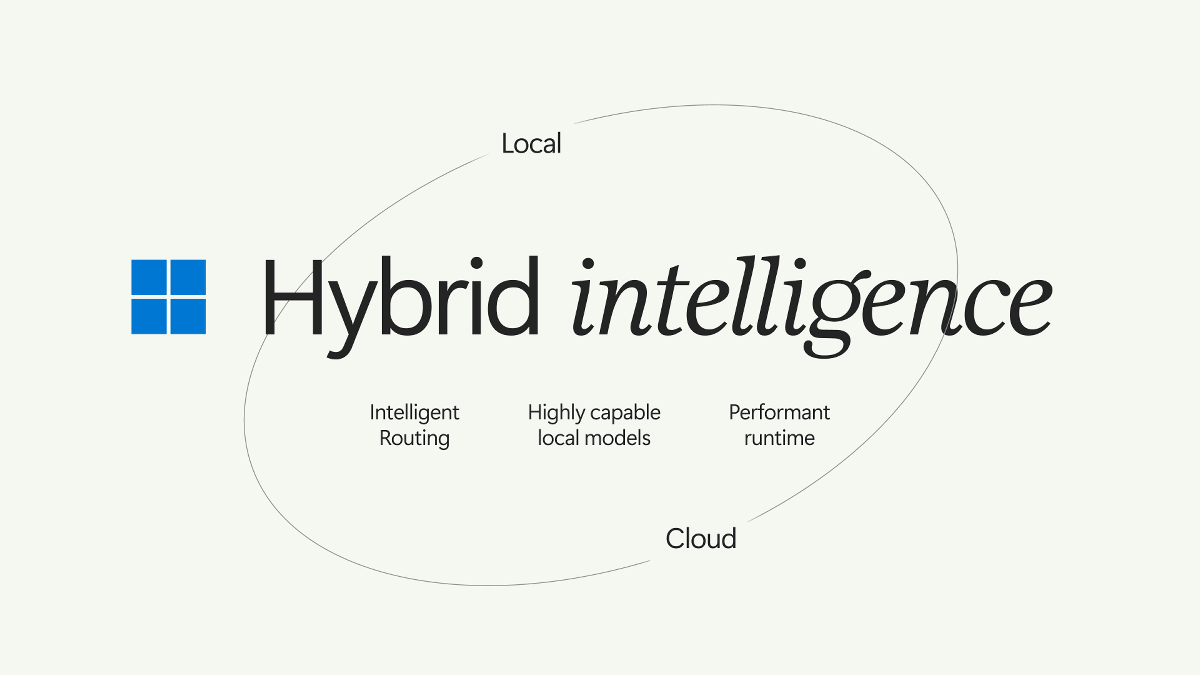
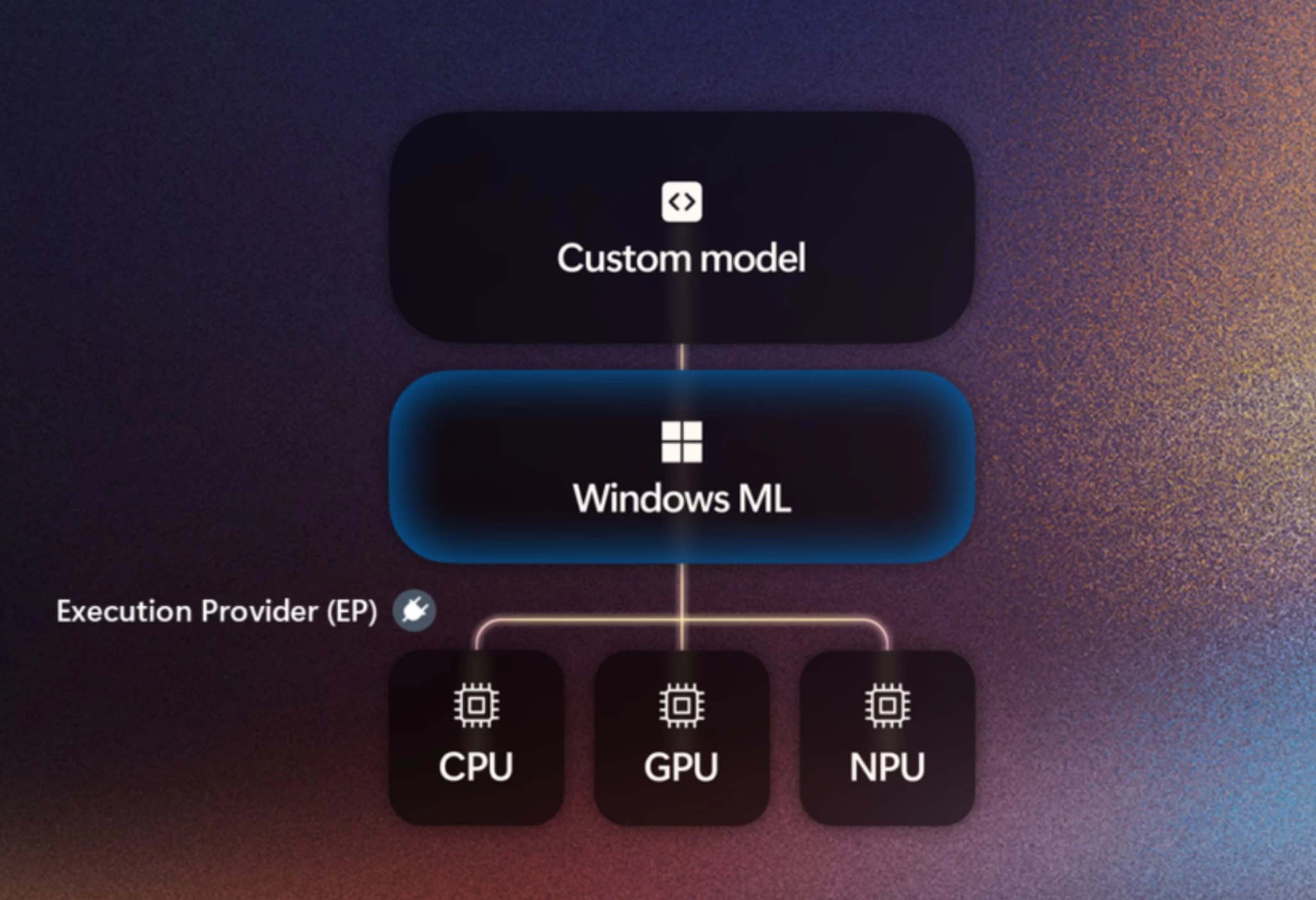
Microsoft's hybrid intelligence approach—combining cloud processing for complex tasks with on-device AI models for privacy-sensitive operations—addresses the cost and data control concerns that have limited AI adoption among mid-market sellers. IDC analyst Tom Mainelli notes that as enterprises scale AI adoption, local execution demand will increase, particularly as hardware with advanced CPU, GPU, and NPU combinations becomes standard. For sellers, this means: (1) AI-powered product research tools can run locally without cloud API costs (reducing per-query costs from $0.10-0.50 to near-zero), (2) customer data analysis stays on-device, addressing GDPR/CCPA compliance concerns that have blocked AI adoption, and (3) autonomous file operations (moving inventory files, updating pricing spreadsheets) can execute with explicit user permission and role-based access controls. Security experts recommend cautious implementation with stronger approval controls for autonomous actions on sensitive data, but read-only assistance and recommendation-based features are expected to see faster adoption. This creates a 6-12 month window where early-adopting sellers can build proprietary AI agents before competitors catch up.
The competitive advantage window is narrow but substantial. Sellers who integrate GitHub Copilot's sandboxed agents into their operations by Q2 2025 can automate 40-60% of repetitive tasks (product research, competitor monitoring, listing optimization, customer inquiry triage) before the market commoditizes these capabilities. The cost savings are quantifiable: a mid-market seller managing 500+ SKUs can reduce operational overhead by $8,000-15,000 monthly through AI-powered automation, while improving listing quality and pricing responsiveness. However, enterprise PC fleet refresh cycles will take years, concentrating immediate opportunities among organizations already investing in AI-capable hardware—meaning sellers with technical teams or access to modern development infrastructure have a 12-18 month first-mover advantage.
Questions 8
What is the competitive advantage window for sellers adopting these AI tools?
Sellers who integrate GitHub Copilot's sandboxed agents and Microsoft's local Copilot by Q2 2025 have a 6-12 month first-mover advantage before the market commoditizes these capabilities. IDC analyst Tom Mainelli notes that enterprise PC fleet refresh cycles will take years, concentrating immediate opportunities among organizations already investing in AI-capable hardware. This means sellers with technical teams or access to modern development infrastructure can build proprietary AI agents for product research, pricing, and customer service before competitors catch up. The advantage window is narrow but substantial: early adopters can automate 40-60% of repetitive tasks while competitors are still evaluating tools. However, as these capabilities become standard in e-commerce platforms (Amazon, Shopify, eBay), the competitive moat will erode—making 2025 the critical year for adoption.
Which seller segments benefit most from GitHub Copilot and Microsoft Copilot automation?
Mid-market sellers (500-5,000 SKUs) and technical sellers with in-house development teams benefit most immediately. These sellers can build custom AI agents for their specific workflows without waiting for platform-native features. Small sellers (<500 SKUs) will benefit once e-commerce platforms (Amazon, Shopify) integrate these tools natively—expected in 12-18 months. Enterprise sellers (10,000+ SKUs) benefit from role-based access controls and organizational policy enforcement that GitHub's sandboxing provides. Sellers in high-velocity categories (electronics, apparel, home goods) see the highest ROI because they manage more SKUs and face faster competitive pricing dynamics. Sellers managing sensitive customer data (beauty, health, regulated categories) benefit most from local execution that keeps data off cloud servers. The common thread: sellers with technical resources or high task volume see immediate 15-25 hour/week time savings.