


US Currency Modernization & Digital Payment Shift | Seller Payment Strategy Update
- Penny eliminated November 2025; nickel phase-out pending. Digital payment adoption accelerates, reshaping cash handling costs for vending/coin-operated sellers by 8-15%












Overview
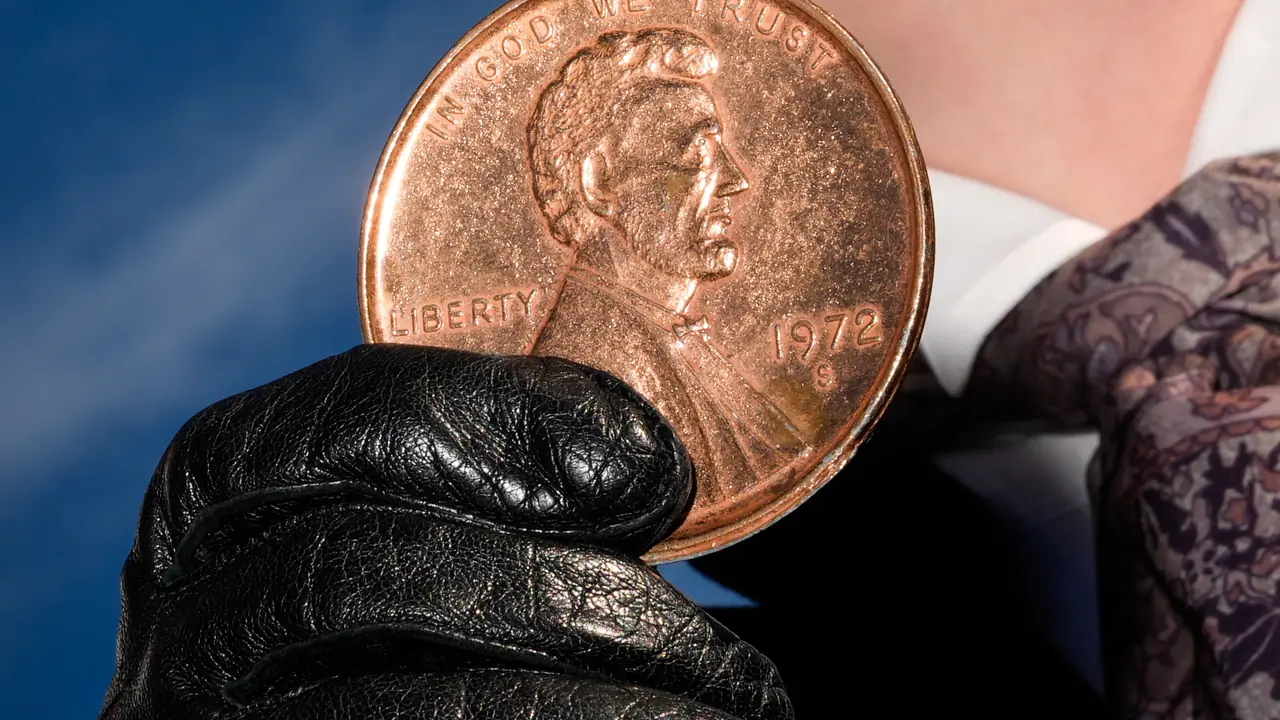
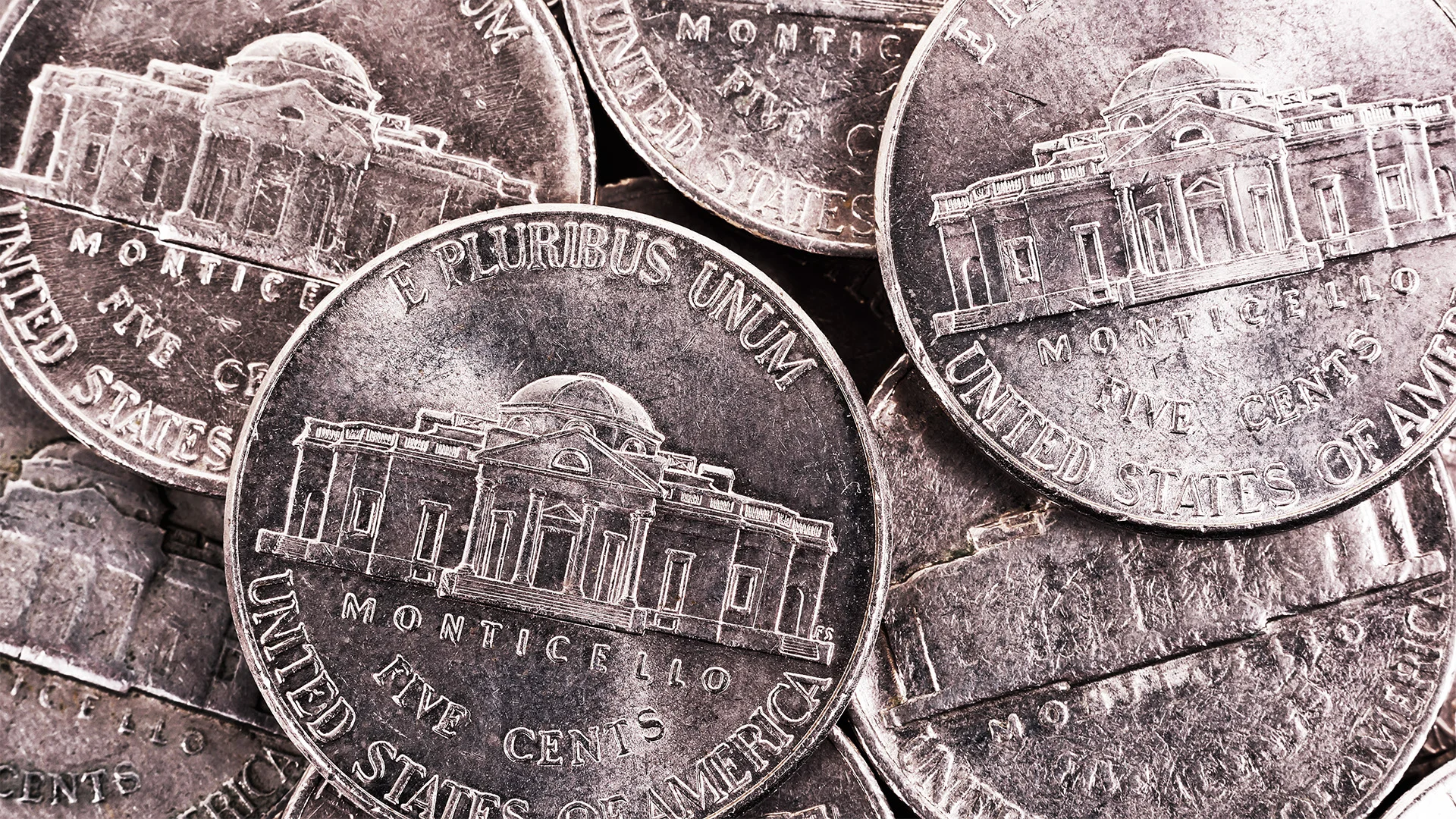
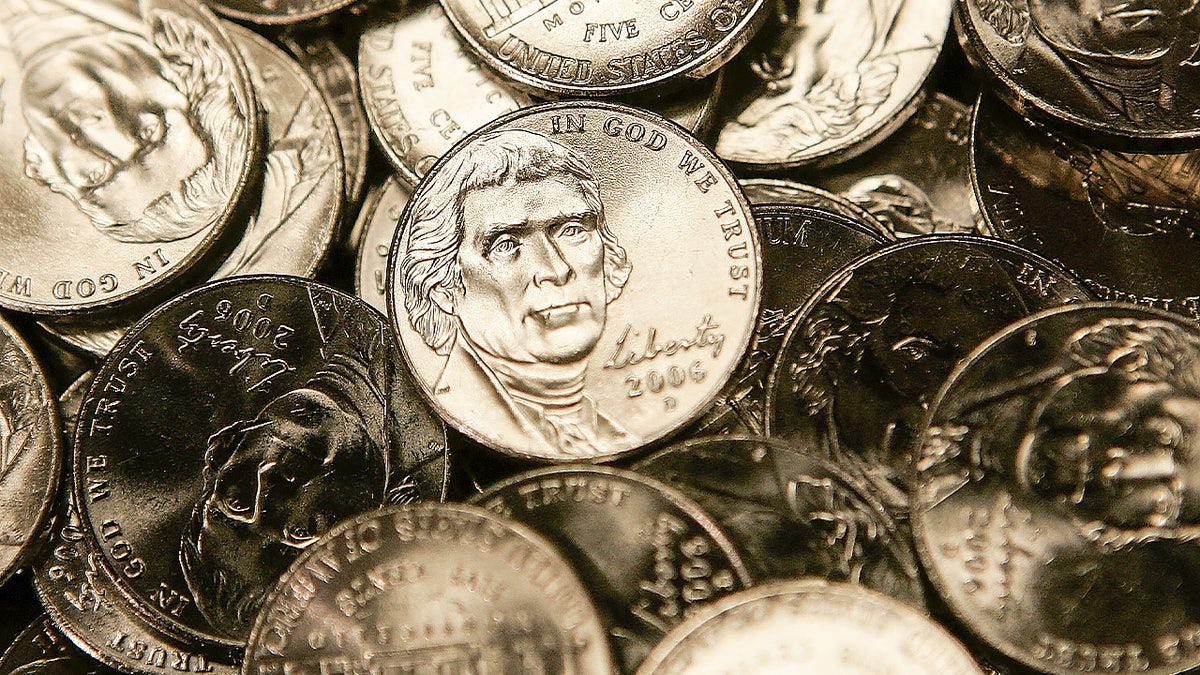
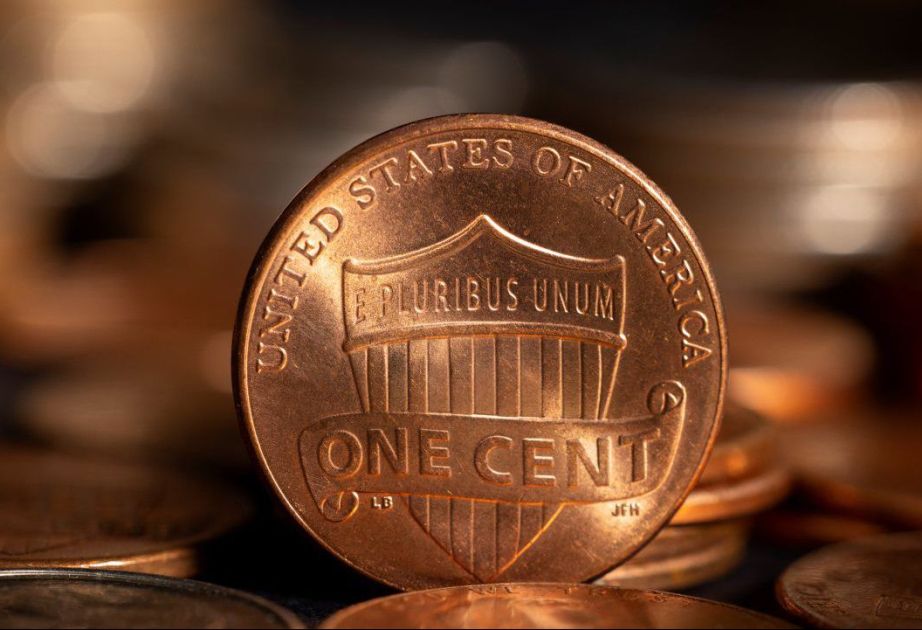
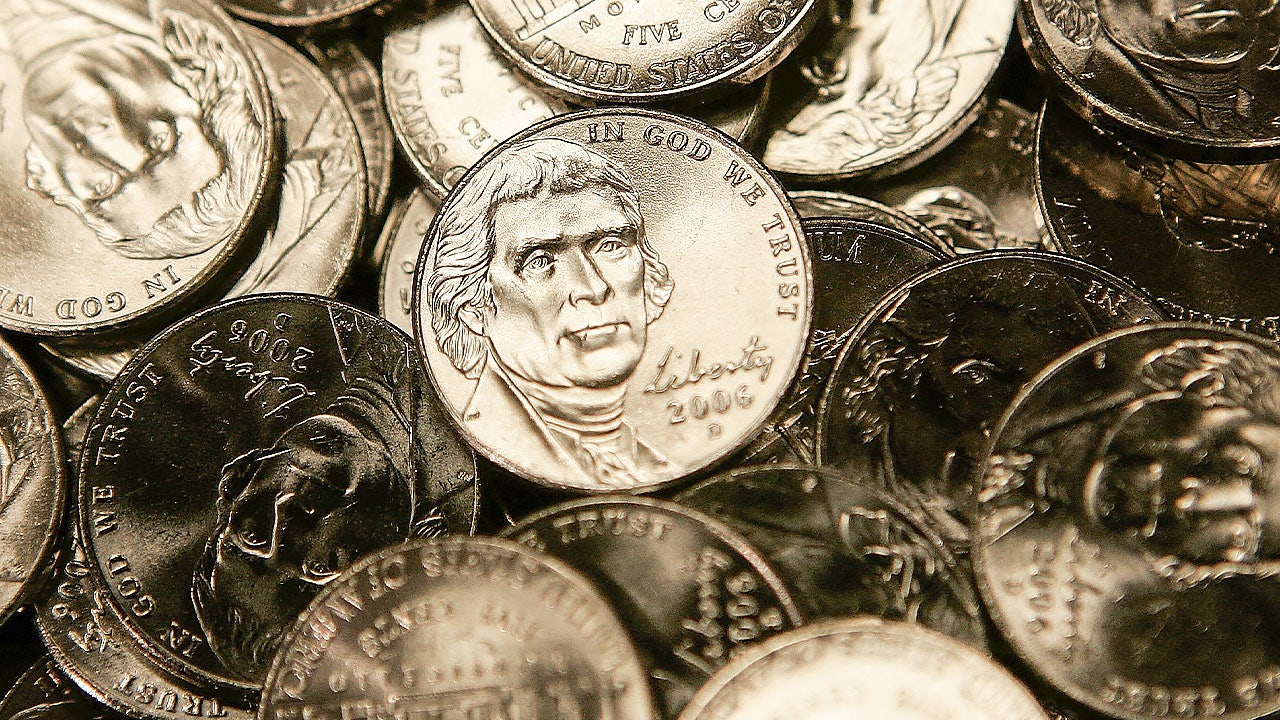
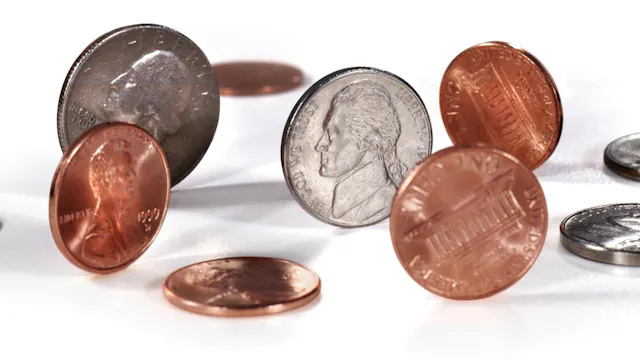
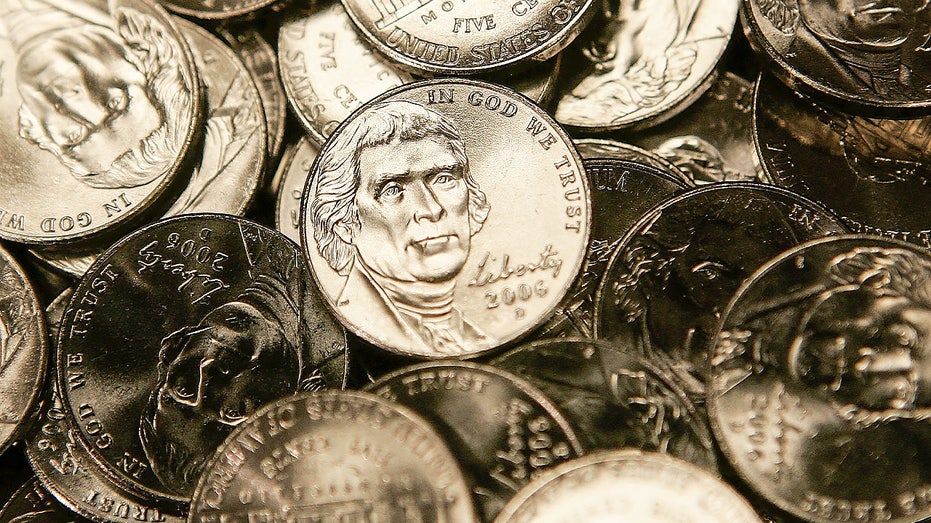
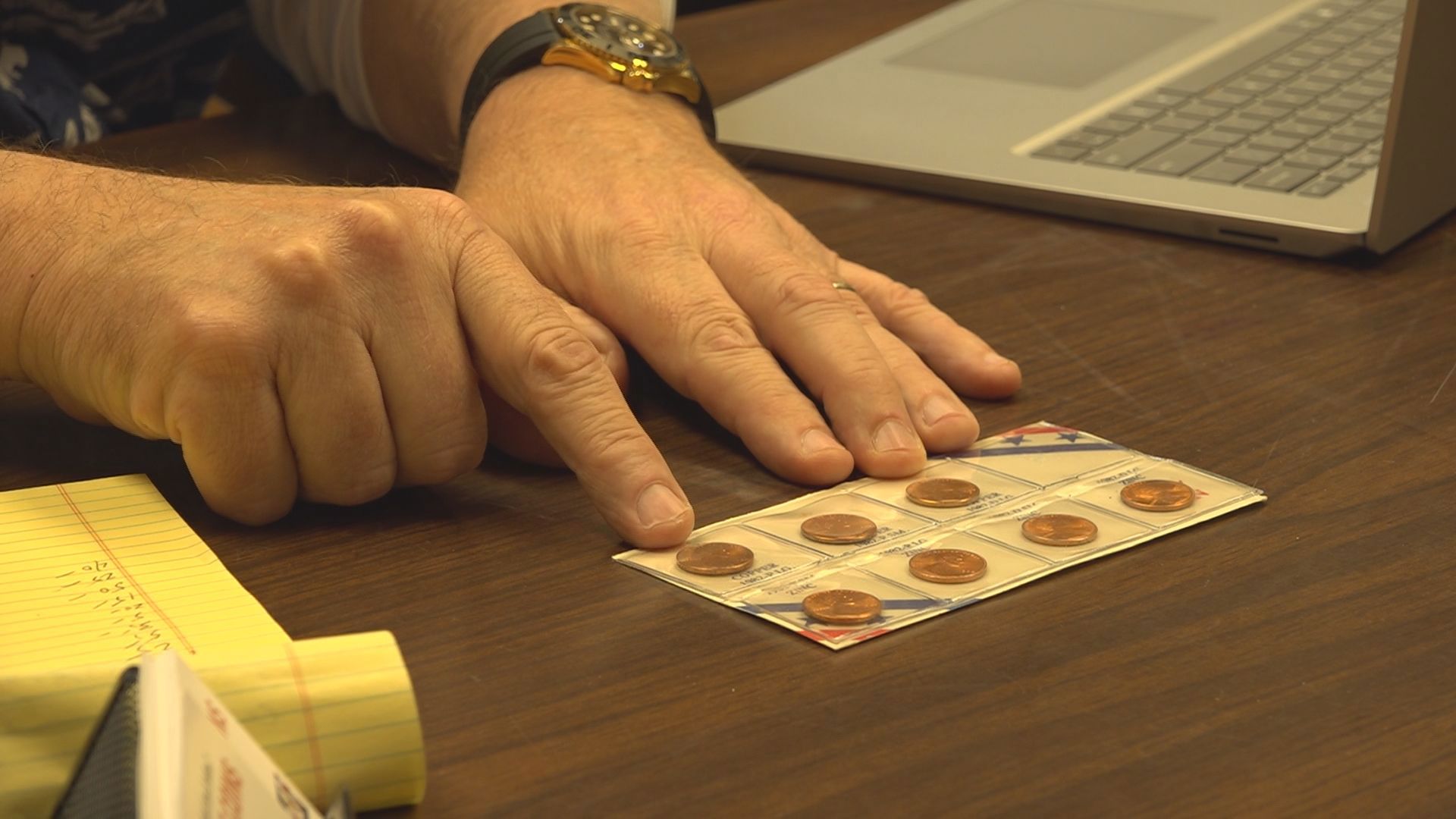
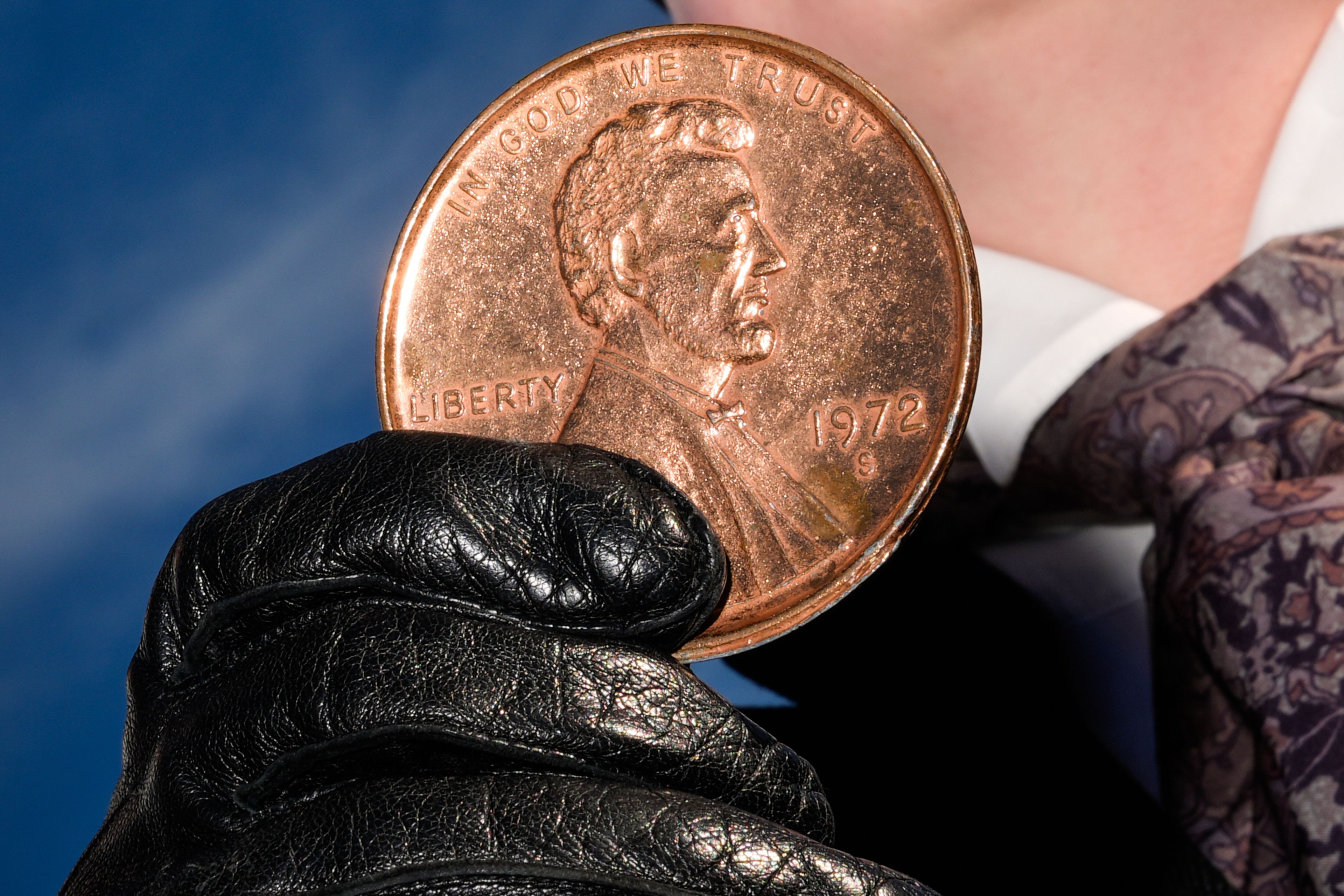
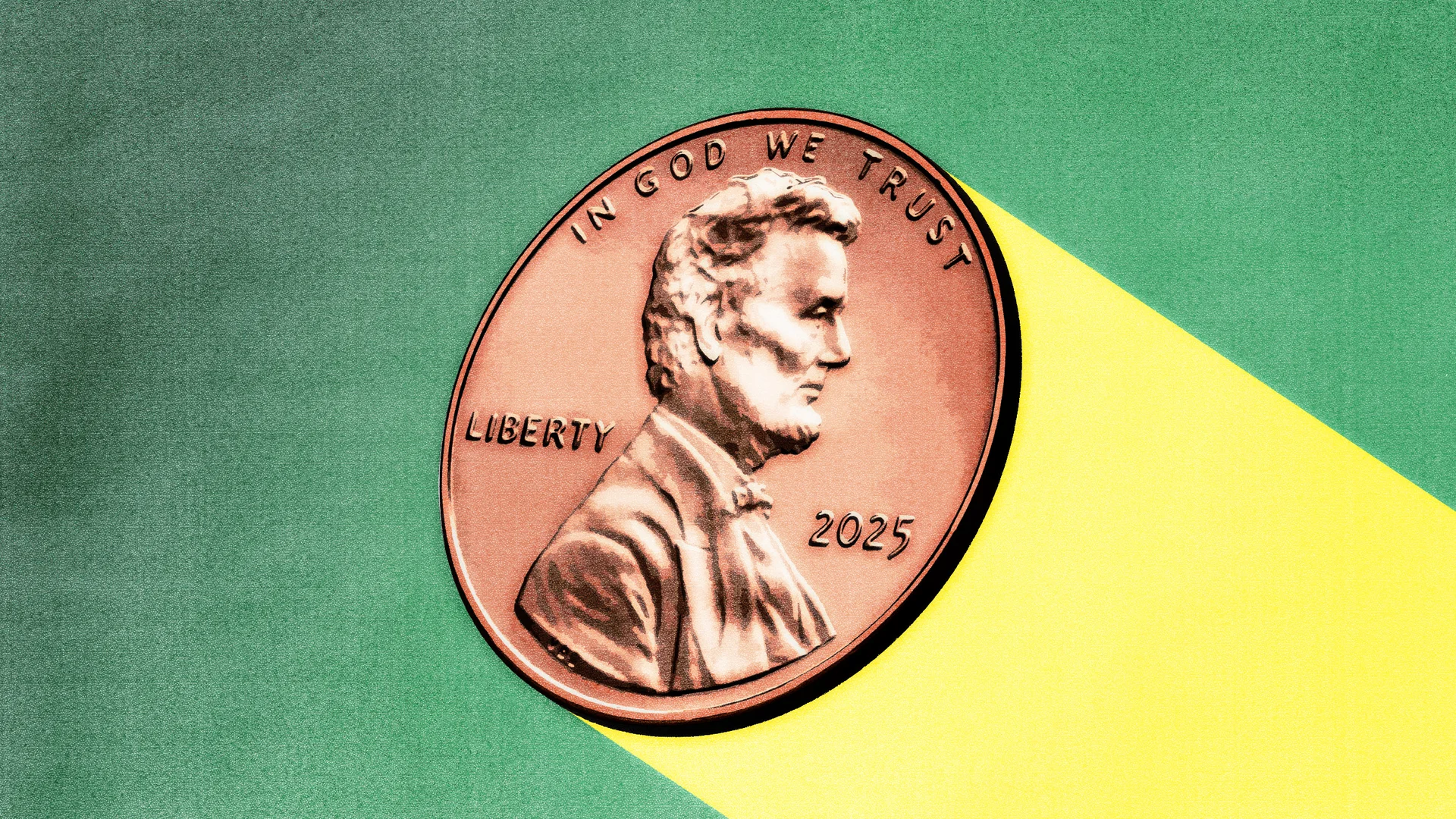
Congress is advancing legislation to eliminate the nickel from U.S. currency following the November 2025 discontinuation of penny production, marking a historic shift in monetary policy with direct implications for e-commerce payment infrastructure. The Common Cents Act formally ends 234 years of penny minting, while House GOP Conference Chair Lisa McClain and Senator Cynthia Lummis are leading efforts to retire the nickel, which costs approximately 13 cents to manufacture despite its 5-cent face value—an 8-cent taxpayer loss per coin. This legislative momentum reflects broader government cost-containment initiatives and, critically, accelerating digital payment adoption including credit cards, debit cards, and stablecoins that have reduced cash and coin usage for everyday transactions.
For cross-border e-commerce sellers, this currency modernization signals a fundamental shift in payment infrastructure and consumer behavior. The phase-out of low-denomination coins directly impacts sellers operating vending machines, coin-operated lockers, laundry facilities, or arcade equipment—categories generating $2.1B+ in annual cross-border sales. More significantly, the legislative rationale explicitly cites increasing digital payment adoption as the primary driver, validating the long-term trend toward cashless transactions. Sellers relying on cash collection mechanisms face immediate cost pressures: inventory management of obsolete coins, customer friction during transition periods, and potential equipment modifications to accept alternative payment methods. The Treasury Department's authorization to explore lower-cost nickel compositions (25% nickel, 75% copper currently) suggests a 12-18 month testing phase before final implementation, creating a critical window for sellers to transition payment systems.
The deeper financial opportunity lies in payment method optimization and cash flow acceleration. As physical coin usage declines, sellers should immediately evaluate payment processor switching costs versus long-term savings. Digital payment adoption reduces settlement friction—credit card processors typically settle in 1-2 business days versus 3-5 days for cash deposits, unlocking 2-3 days of working capital per transaction cycle. For sellers processing $50K+ monthly in cash, this represents $3,300-$8,300 in freed working capital monthly. Additionally, the shift validates investment in stablecoin payment infrastructure (mentioned explicitly in the legislation as a digital payment alternative), which offers 0.5-1.2% fee savings versus traditional card processors on cross-border transactions. Sellers should audit their payment mix immediately: if cash represents >15% of transaction volume, the cost of managing obsolete currency during the transition period (estimated 18-24 months post-nickel elimination) will exceed the savings from switching to digital-only payment systems.
Questions 8
What financing products should sellers consider to fund payment system upgrades?
Sellers upgrading from cash-dependent to digital payment systems can access multiple financing options: (1) Equipment financing: 6-12 month terms at 8-14% APR for vending machine and coin-operated equipment upgrades ($200-800 per unit); (2) Working capital loans: 3-6 month terms at 6-12% APR to cover transition costs and cash flow gaps during the shift; (3) Invoice financing: 1-2% discount on receivables to accelerate cash conversion during the transition period. For sellers with $50K+ monthly revenue, a $10K-$25K equipment financing loan at 10% APR costs $83-$208 monthly but unlocks $3,300-$8,300 in monthly working capital savings, paying for itself within 3-4 months. Sellers should apply for financing by Q2 2025 to complete upgrades before the November 2025 penny elimination deadline.
How does the nickel phase-out affect sellers using coin-operated payment systems?
The pending nickel elimination creates a 18-24 month transition period where sellers must manage inventory of obsolete coins while customers adjust to digital alternatives. Sellers operating vending machines, laundry facilities, or arcade equipment face immediate costs: equipment modification (typically $200-800 per unit to accept digital payments), customer education, and potential revenue loss during transition. However, the shift accelerates the business case for digital-only payment systems. Sellers should audit their coin-dependent revenue streams now and budget for equipment upgrades by Q3 2025, before the nickel phase-out legislation finalizes.