




Rising Mortgage Rates Trigger Consumer Spending Contraction | E-Commerce Demand Shift Alert
- October 2026 mortgage rates hit 7.49%, refinance demand drops 56% YoY, signaling reduced consumer purchasing power for home-related e-commerce categories





















Overview
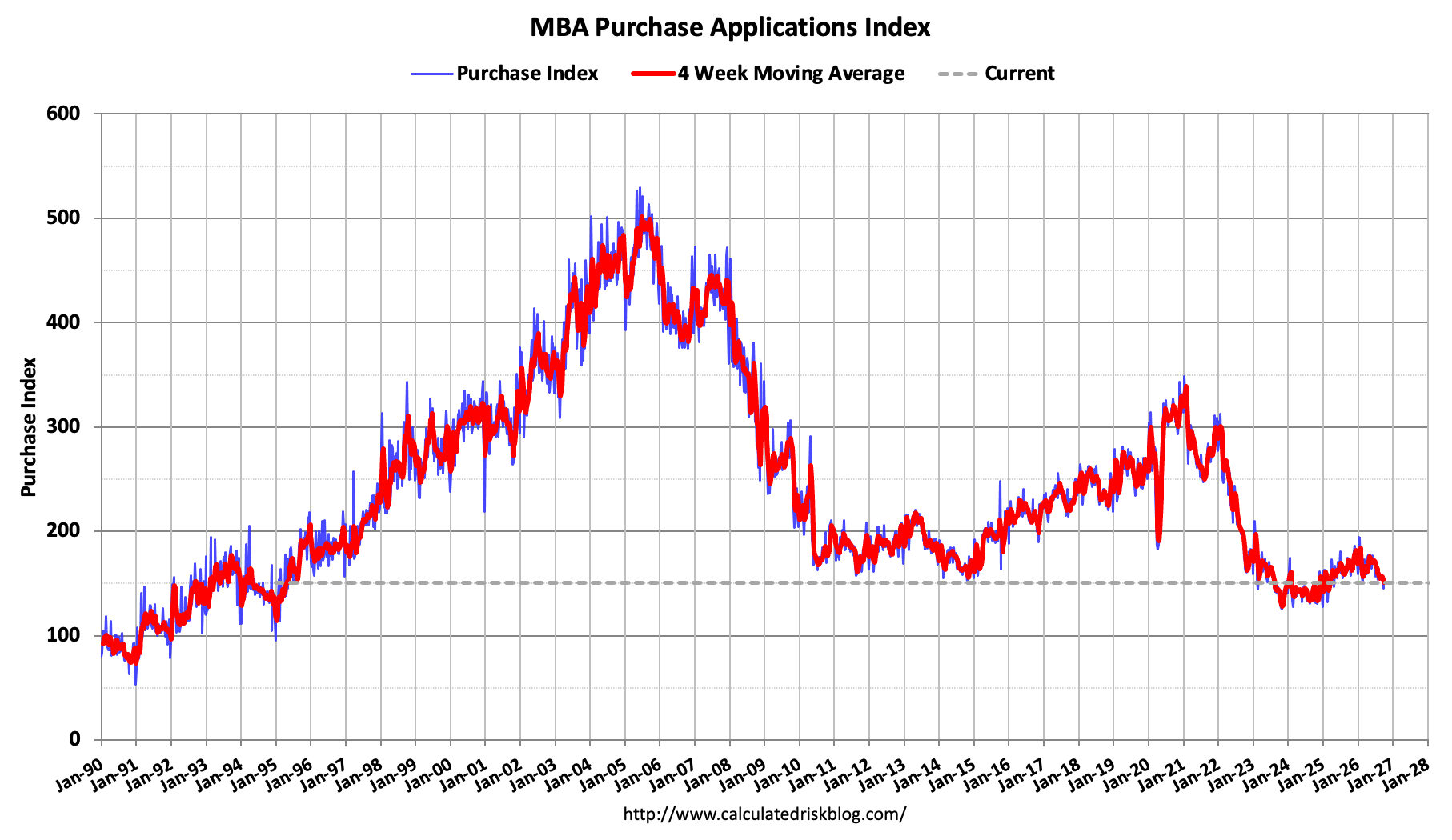
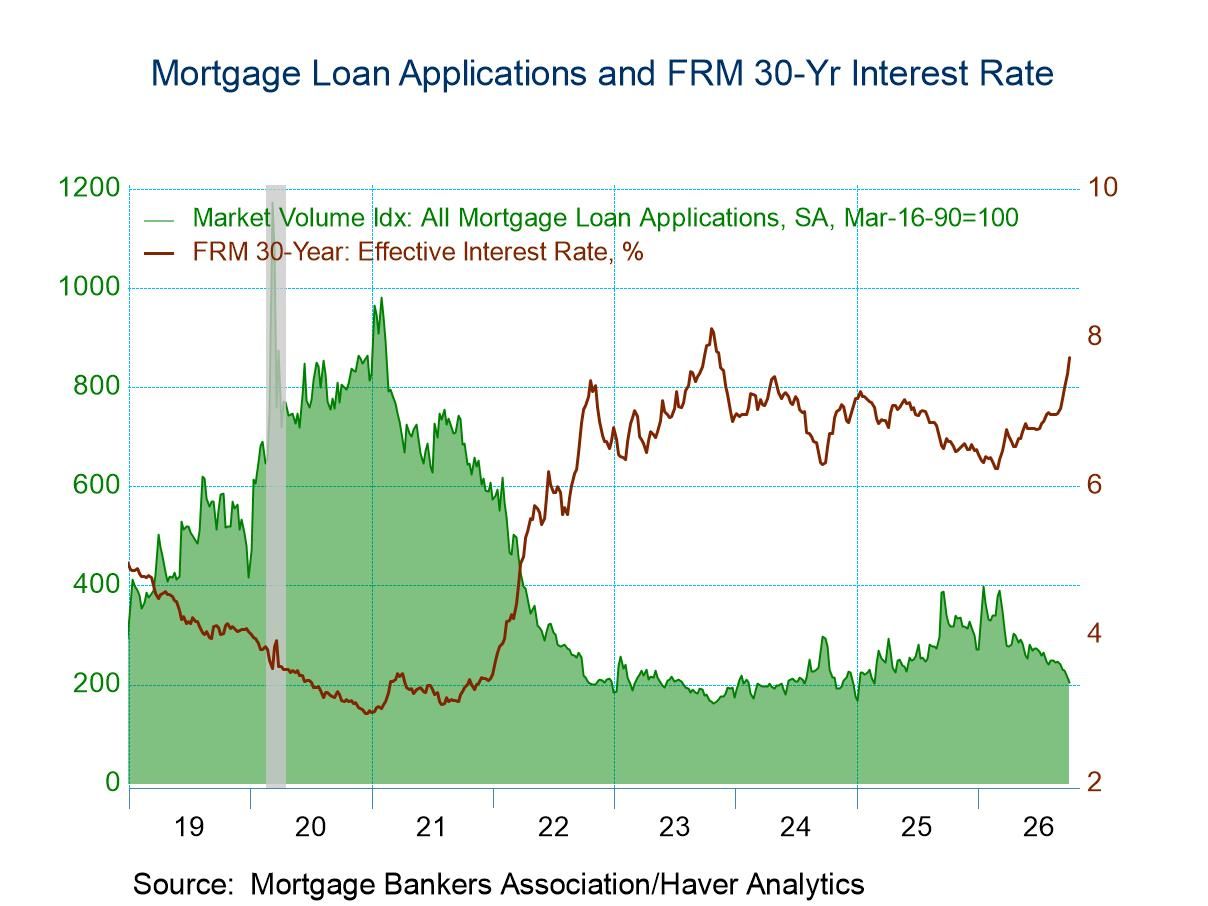
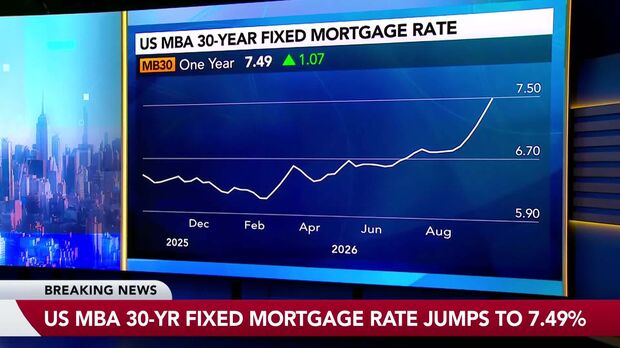
The mortgage market's sharp contraction in October 2026 signals a critical demand shift for cross-border e-commerce sellers. According to the Mortgage Bankers Association, 30-year fixed mortgage rates surged to 7.49% (up from 7.30%), causing refinance applications to plummet 56% year-over-year to their lowest level since 2025. Total mortgage applications dropped 4.2% week-over-week, with purchase applications declining 15% annually, reflecting severe affordability pressures on US homebuyers.
This macroeconomic headwind directly impacts e-commerce sellers across multiple categories. Home improvement and furniture categories face immediate demand compression as homeowners with reduced equity access and higher borrowing costs defer renovation and decoration purchases. The data shows FHA purchase applications fell 6%—the steepest decline—indicating lower-income households are most affected, which historically correlates with reduced discretionary spending on home goods, electronics, and lifestyle products on Amazon, Walmart, and Shopify platforms.
Working capital implications are severe for sellers reliant on US consumer spending. With homeowners increasingly choosing adjustable-rate mortgages (ARM share at 10.3%, up from pandemic-era 3%) to manage initial payments, household cash flow becomes tighter. This forces consumers to prioritize essential purchases over discretionary items, directly reducing demand for home décor, furniture, appliances, and non-essential electronics. Sellers holding inventory in these categories face extended cash conversion cycles—potentially 30-60 days longer as inventory velocity slows.
Payment and financing dynamics shift immediately. Higher mortgage rates increase the cost of seller financing and working capital loans tied to prime rates. Sellers using invoice factoring or inventory financing will see APR rates rise 50-100 basis points as lenders price in elevated risk. Cross-border sellers financing operations through US-based lenders face immediate cost increases on revolving credit facilities. Additionally, reduced consumer home equity access eliminates a major funding source for small business owners—many e-commerce entrepreneurs previously used home equity lines of credit (HELOCs) for inventory purchases and business expansion.
Currency and cash flow optimization becomes critical. With US consumer demand softening, sellers should accelerate collections from existing orders (reducing DSO by 5-10 days), shift inventory focus to non-discretionary categories (electronics, apparel, health/beauty), and consider geographic diversification to EU and Asia-Pacific markets where mortgage pressures differ. FX hedging strategies should protect against USD strength as capital flows seek higher US rates.
Questions 8
How do adjustable-rate mortgages (ARMs) at 10.3% share affect consumer spending patterns?
ARM adoption at 10.3% (up from 3% pre-pandemic) indicates consumers are prioritizing lower initial payments over long-term affordability. This signals household cash flow stress—consumers expect rates to decline or plan to refinance within 3-5 years. This creates two spending patterns: (1) Immediate cash flow constraint—lower initial ARM payments still leave less discretionary income than pre-rate-increase periods; (2) Uncertainty-driven caution—consumers delay major purchases (furniture, appliances) until rate environment stabilizes. For sellers, this means demand remains depressed for 6-12 months until rate clarity emerges. Recommend shifting to subscription/recurring revenue models (e.g., furniture rental, appliance leasing) that align with consumer cash flow constraints. Also increase marketing spend on payment plan options (Affirm, Klarna) which see 30-40% higher conversion when consumers face cash flow pressure.
What immediate actions should sellers take in response to October 2026 mortgage rate data?
Immediate actions (0-30 days): (1) Audit inventory by category and reduce home-related SKUs by 20-30% by November 15; (2) Lock in fixed-rate inventory financing at current rates (before further increases) by November 10; (3) Implement DSO reduction program targeting 5-10 day improvement by December 1; (4) Shift 10-15% of ad spend from home categories to defensive categories (health/beauty, apparel) by November 20. Medium-term (1-3 months): (5) Establish EU VAT registration and Asia-Pacific logistics partnerships by January 2027; (6) Implement FX hedging for 50% of supplier payments by December 15; (7) Negotiate extended supplier payment terms (60-90 days) by December 31. Strategic (3-6 months): (8) Diversify product mix away from rate-sensitive categories; (9) Explore supply chain finance platforms for lower-cost working capital. Monitor mortgage rate trends weekly and adjust inventory allocation monthly.