
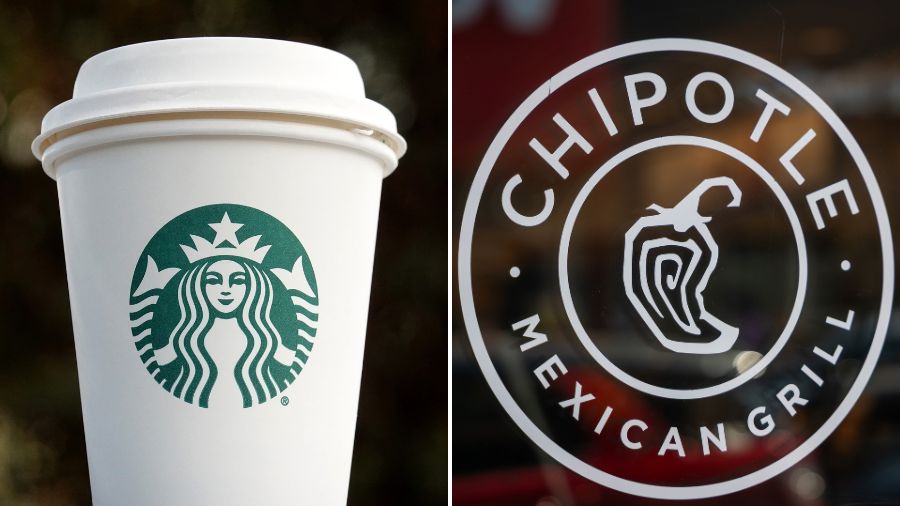




Starbucks-Chipotle Mega-Merger | $50B Restaurant Consolidation Reshapes QSR Supply Chain & CPG Opportunities
- Potential $50B+ combined entity creates 45,000-store distribution network; signals aggressive retail consolidation affecting food/beverage suppliers, CPG brands, and foodservice equipment vendors




Overview
The reported exploration of a Starbucks acquisition of Chipotle represents the largest potential restaurant industry consolidation in history, with profound implications for cross-border sellers in food, beverage, and hospitality categories. The combined entity would generate approximately $50 billion in annual U.S. systemwide sales across roughly 45,000 stores globally, uniting the second- and seventh-largest U.S. restaurant chains by sales volume. While analyst Matt Curtis estimates deal probability at only 20%, the strategic intent signals a critical shift in how major QSR (Quick Service Restaurant) operators are consolidating purchasing power, supply chain infrastructure, and retail footprints.
For CPG and foodservice sellers, this consolidation creates both immediate risks and significant opportunities. The merged company would command unprecedented negotiating leverage with suppliers—food manufacturers, beverage brands, and equipment vendors would face pressure to accept lower margins, longer payment terms, and exclusive distribution arrangements. Sellers currently supplying either Starbucks or Chipotle independently would need to prepare for consolidated procurement processes, potentially reducing SKU counts and favoring larger, established brands. However, the 45,000-store network also represents an unparalleled distribution channel for premium food products, specialty beverages, and branded merchandise. Starbucks' existing CPG partnerships (packaged coffee, ready-to-drink beverages, food items) could expand dramatically through Chipotle's supply chain, creating opportunities for sellers in premium snacks, organic ingredients, and meal-prep categories.
The operational context reveals critical timing for sellers. Starbucks has been closing hundreds of U.S. locations since mid-2025 while implementing its "Back to Starbucks" strategy, citing underperforming financial results and inability to deliver desired customer experiences. This suggests the company is consolidating its retail footprint before a potential major acquisition—a pattern that typically precedes significant M&A activity. The presence of two former Chipotle executives (Tressie Lieberman in marketing, Stephen Piacentini in coffeehouse development) at Starbucks implementing this strategy indicates serious integration planning is already underway. For sellers, this means supply chain disruption is likely if the deal proceeds: inventory management systems would be consolidated, supplier relationships would be renegotiated, and distribution networks would be optimized over 12-18 months.
Immediate seller opportunities exist in three areas: (1) Specialty food suppliers should position premium, differentiated products for potential co-branded offerings across the merged network; (2) Equipment and technology vendors should prepare RFPs for point-of-sale integration, kitchen equipment standardization, and supply chain software; (3) Branded merchandise sellers should develop co-branded product lines (Starbucks-Chipotle merchandise, limited editions) for the combined customer base. The 6% stock price increase in Chipotle following the announcement suggests market confidence in the strategic rationale, even if deal probability remains low. Sellers should monitor quarterly earnings calls and SEC filings for supply chain commentary, as management guidance on supplier consolidation will signal timing for strategic positioning.
Questions 7
How would a Starbucks-Chipotle merger affect food and beverage suppliers?
A combined entity with $50B in annual sales and 45,000 stores would create unprecedented procurement consolidation. Current suppliers to either company would face renegotiation of contracts, likely with pressure for lower margins and longer payment terms. However, the merged company would also represent a massive distribution channel for premium food products and specialty beverages. Sellers should prepare for a 12-18 month integration period where supply chain systems are consolidated and supplier relationships are rationalized. The deal probability is estimated at 20%, but the strategic intent is clear from Starbucks' current store closures and executive hiring from Chipotle.
What product categories would benefit most from a Starbucks-Chipotle merger?
Three categories would see immediate opportunities: (1) Specialty food and organic ingredients that align with Chipotle's brand positioning; (2) Premium beverages and ready-to-drink products that leverage Starbucks' CPG expertise; (3) Branded merchandise and co-branded limited editions targeting the combined customer base. The merged company would have 45,000 stores globally, creating unparalleled distribution for differentiated products. Sellers in premium snacks, meal-prep categories, and foodservice equipment should begin positioning products for potential RFPs. The 6% stock price increase in Chipotle suggests market confidence in the strategic rationale.