



Halloween 2024 Record $13.5B Spending Surge | Candy Inflation 71% Drives Alternative Product Opportunities
- Record $13.5B US spending creates urgent inventory opportunities for costume/decoration sellers; candy inflation (71% in 5 years) shifts consumer demand toward non-candy alternatives worth $2-3B in cross-border e-commerce potential














Overview
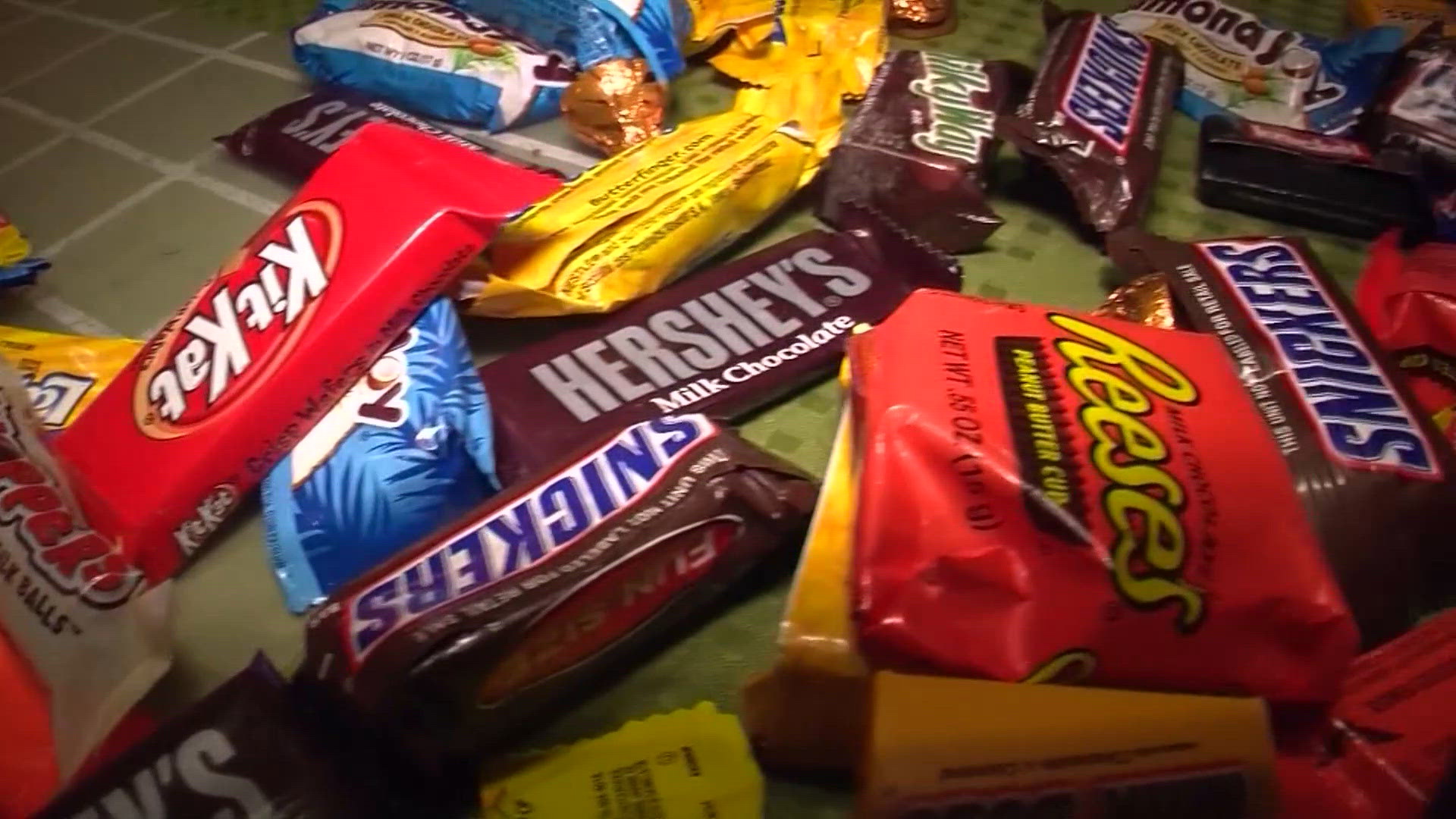
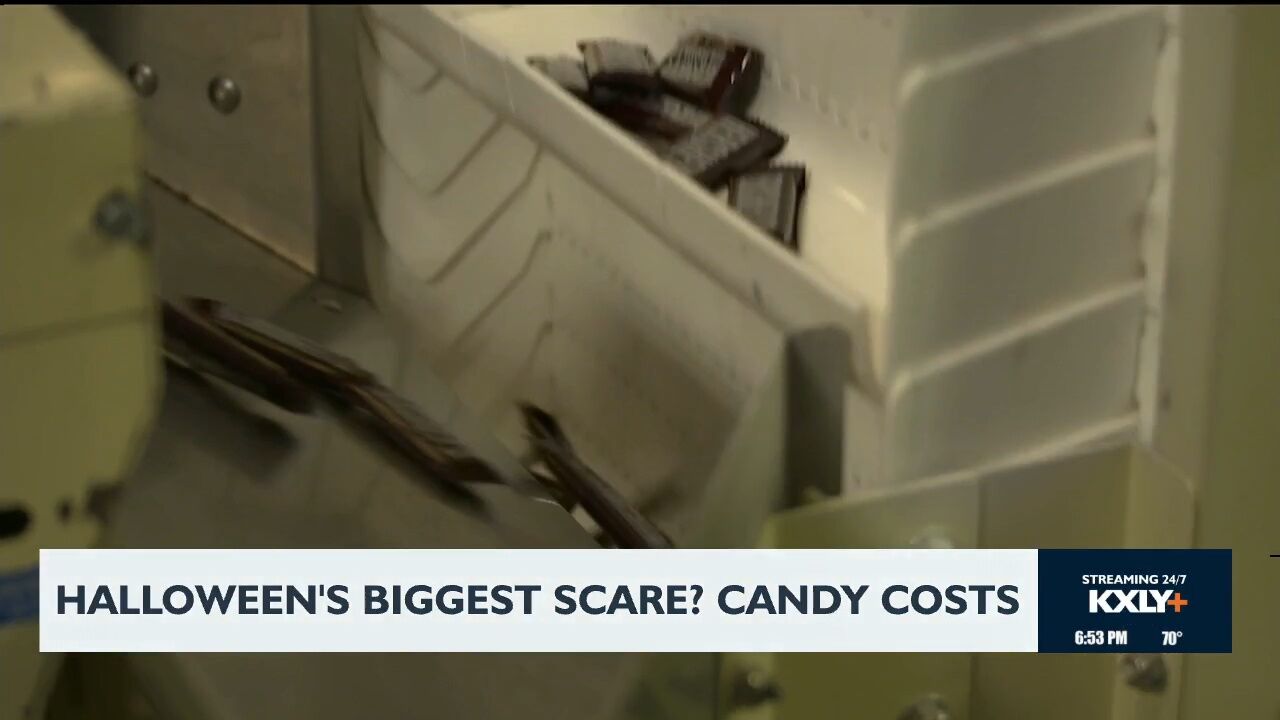
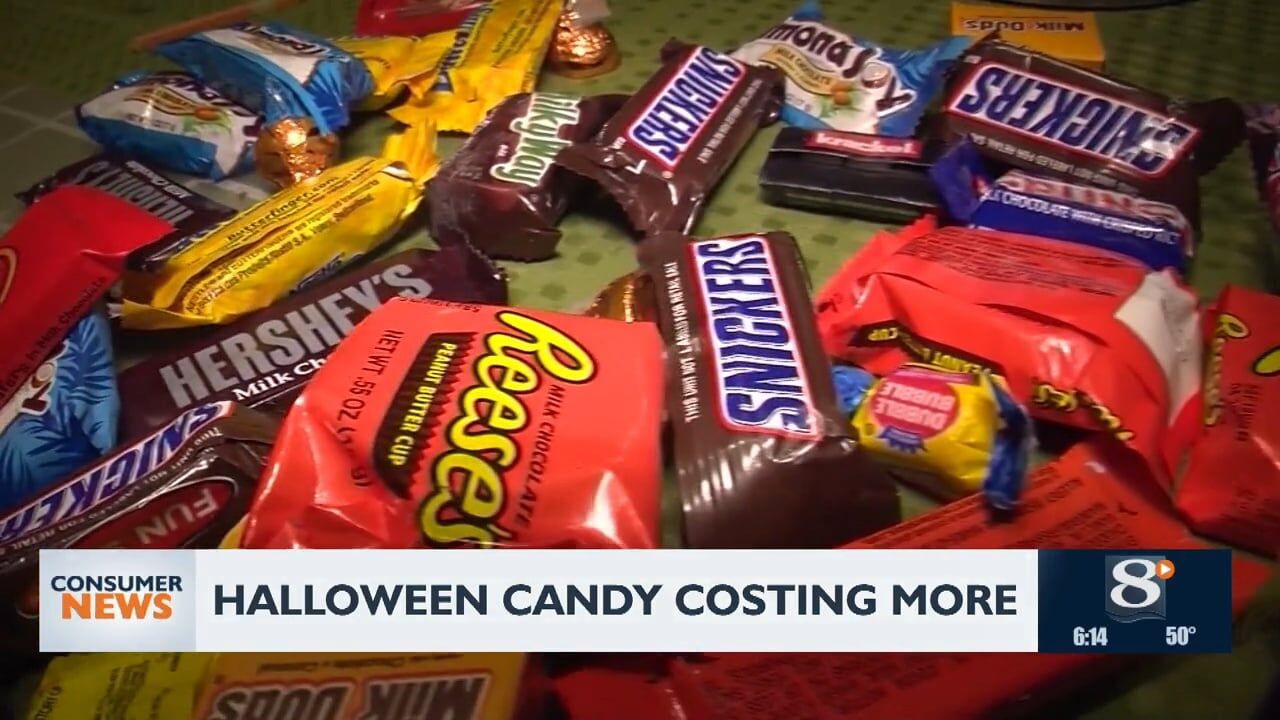
Halloween 2024 represents a critical market inflection point for cross-border e-commerce sellers, with record consumer spending of $13.5 billion projected nationwide, yet traditional candy categories face unprecedented cost pressures that fundamentally reshape buyer behavior. The core tension: while overall Halloween spending hits all-time highs, Halloween candy prices have surged 71% over five years—tripling inflation rates (22% national average)—forcing budget-conscious consumers toward alternative products that present immediate monetization opportunities for agile sellers.
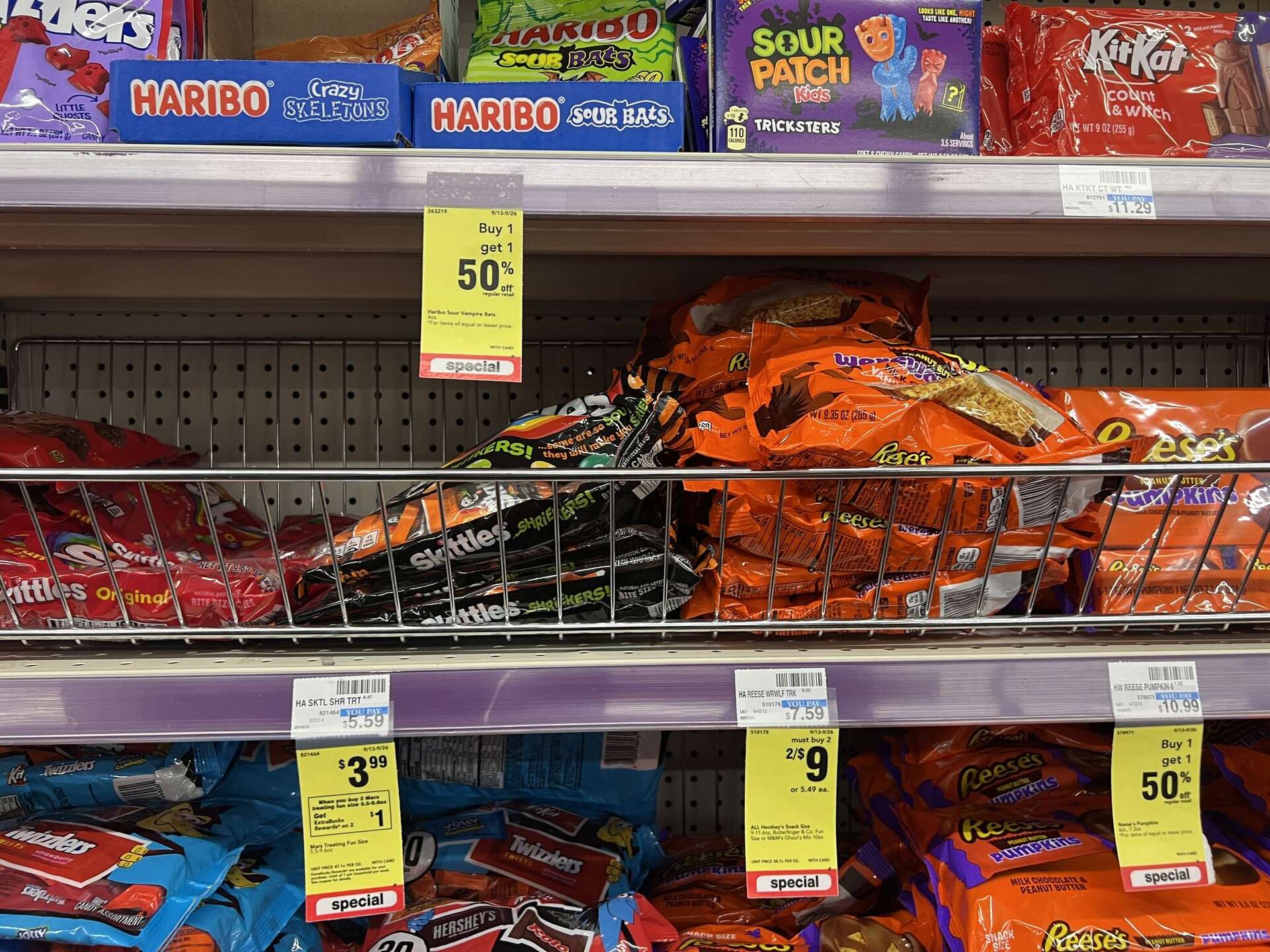
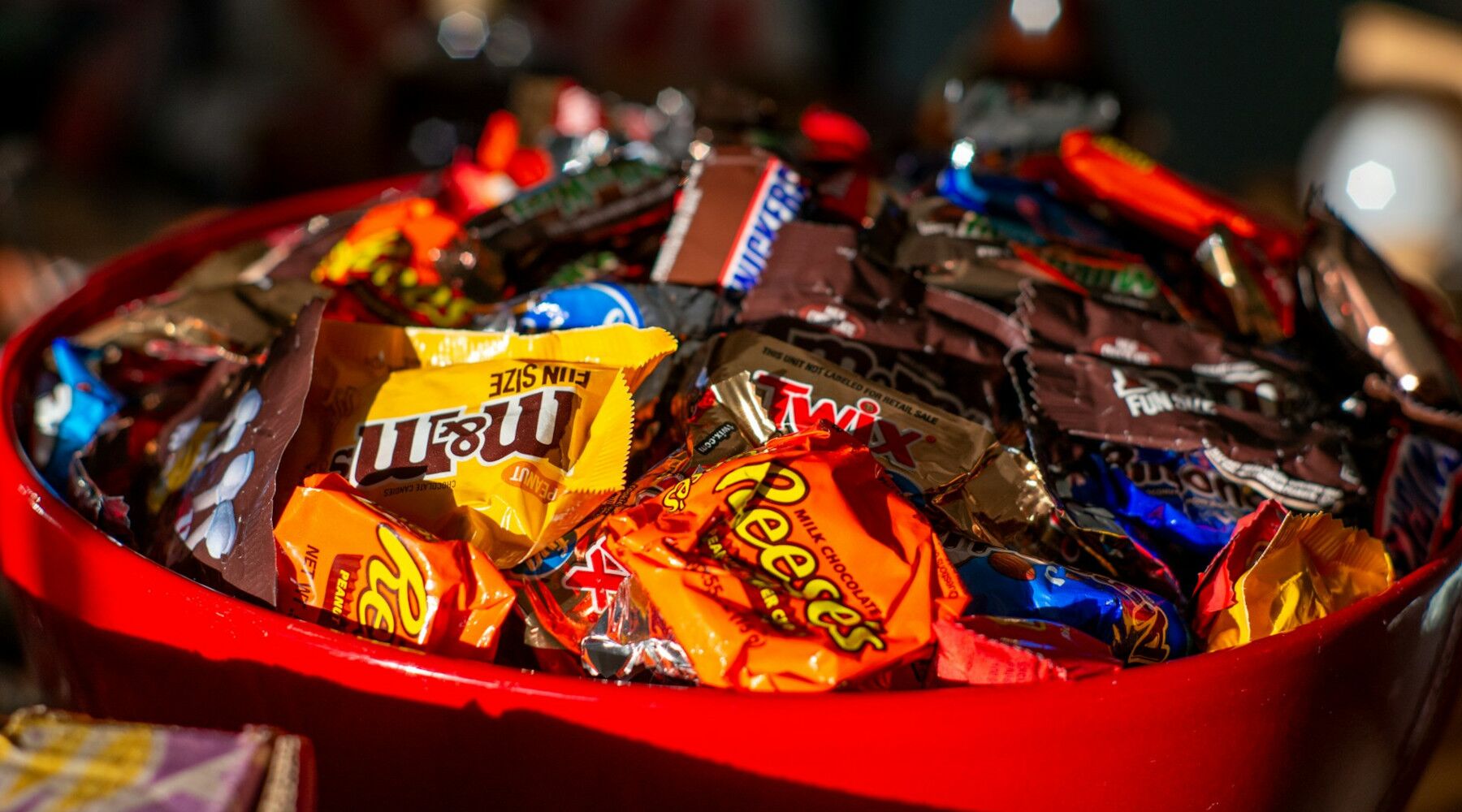
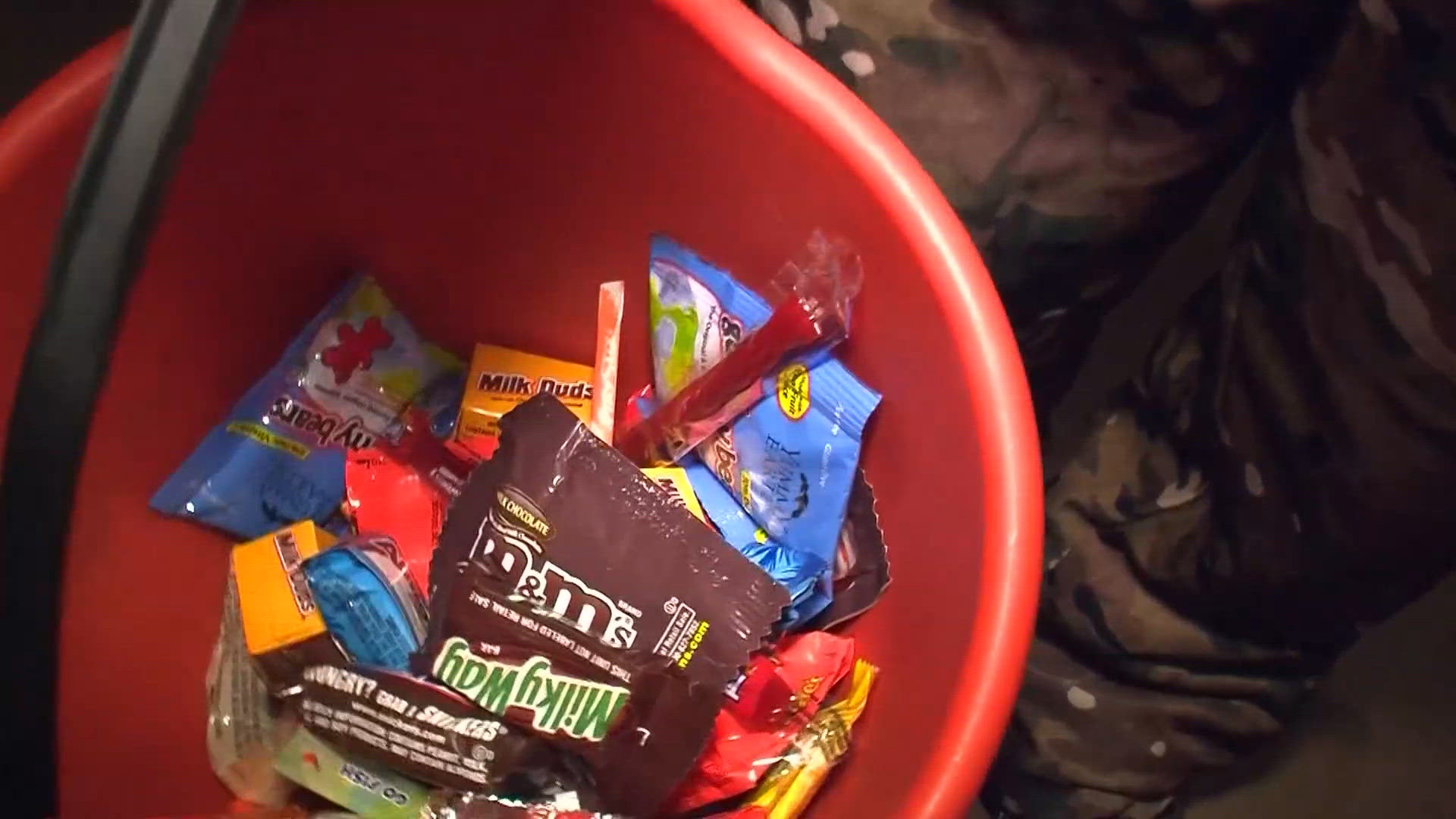
The supply-side crisis driving this shift is severe and quantifiable. Cocoa prices reached record highs of $12,000 per ton in 2024 due to environmental disruptions in Ghana and Ivory Coast, while plastic packaging faces unprecedented supply constraints linked to Middle East conflicts affecting petrochemical resin availability. A 100-piece candy bag now averages $16.96 (up $3.50 year-over-year, $7.05 over five years), with per-piece costs at approximately 17 cents—making traditional trick-or-treat candy economically unviable for price-sensitive households. In high-cost markets like New York City, a 75-piece bag at Target costs $20.68 (28 cents per piece), while CVS charges $23.40 for 100-piece packs, creating a 35-40% regional price premium that accelerates substitution behavior.
Consumer substitution patterns reveal the actual opportunity landscape for sellers. News reports document explicit consumer pivots toward non-candy alternatives: glow sticks ($26 for 500-pack = 5.2 cents per unit), Halloween pencils ($19 for 100-pack = 19 cents), temporary tattoos ($7 for 300-pack = 2.3 cents), honey sticks (20 cents per unit), and pretzel bags (35 cents per piece). These alternatives represent 40-80% cost savings versus traditional candy while maintaining trick-or-treat appeal. The shift toward online purchasing channels—where e-commerce platforms captured increasing share of total Halloween spending—directly benefits international sellers offering unique, specialty, or bulk-packaged novelty items. Peak ordering windows occur 4-6 weeks before October 31st, creating a compressed 3-4 week window (mid-September through early October) for sellers to capture demand through Amazon, eBay, Shopify, and specialty marketplaces.
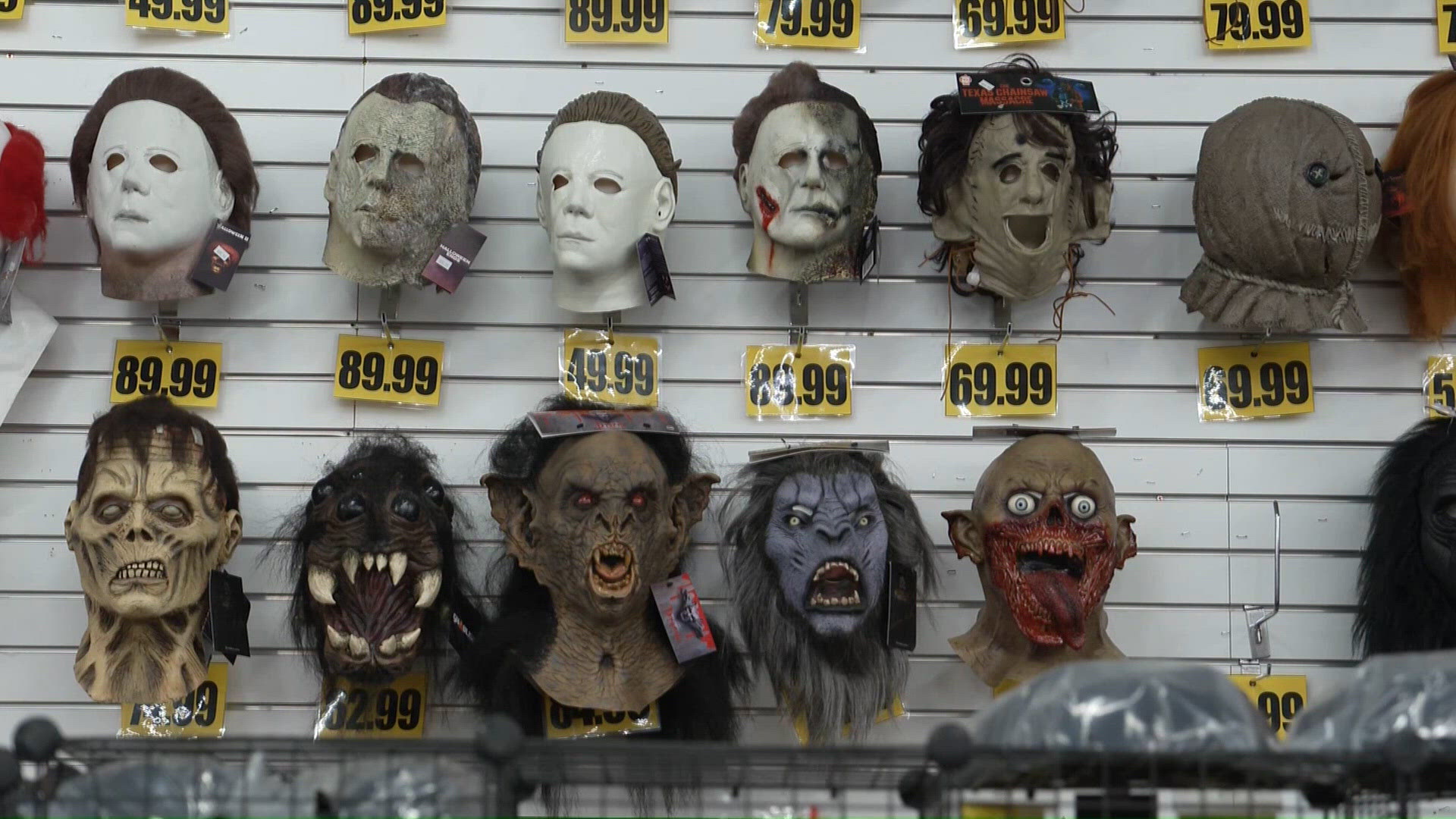
For cross-border sellers, the operational implications are immediate and actionable. Costume and decoration categories—which already show strong e-commerce penetration—will absorb spending redirected from candy. Sellers should prioritize inventory in: (1) bulk novelty packs (glow sticks, pencils, temporary tattoos in 100-500 unit quantities), (2) costume accessories and specialty items unavailable in traditional retail, (3) decoration bundles targeting budget-conscious households seeking value. Logistics providers will experience volume surges, potentially increasing shipping costs 8-15% during peak weeks. Sellers shipping to US markets should secure fulfillment capacity and negotiate carrier rates by mid-September. Risk factors include inventory obsolescence (Halloween-specific products have zero post-October value) and platform competition intensification as major retailers expand online offerings. The actionable window is narrow: sellers must finalize sourcing and inventory positioning by late August 2024 to capture the September-October demand surge.
Questions 8
Which e-commerce platforms show the strongest Halloween demand and how should sellers optimize listings?
Amazon, eBay, and Shopify all show strong Halloween demand, with e-commerce platforms capturing increasing share of total spending. Amazon shows particular strength in costume and decoration categories, while eBay performs well in bulk novelty items and specialty products. Shopify merchants report strong performance in niche/themed Halloween products. For listing optimization: (1) Use high-volume keywords like 'Halloween bulk pack,' 'glow sticks 500,' 'Halloween pencils 100-pack'; (2) Emphasize cost savings vs. traditional candy (40-80% cheaper); (3) Highlight bulk quantities and per-unit pricing; (4) Include lifestyle images showing trick-or-treat use cases; (5) Optimize for mobile (60%+ of Halloween shopping occurs on mobile devices). Launch campaigns by early September to capture search volume growth during peak planning weeks.
What inventory risks should sellers consider for Halloween 2024 products?
Halloween products face critical inventory risks: (1) **Obsolescence risk**: Halloween-specific items have zero post-October value, making overstock catastrophic. (2) **Timing risk**: Peak demand window is only 4-6 weeks (mid-September through early October), requiring precise inventory positioning. (3) **Competition risk**: Major retailers (Walmart, Target, Amazon) are expanding Halloween inventory and promotional offerings, intensifying price competition. (4) **Logistics risk**: Peak season congestion can delay fulfillment by 3-5 days, damaging customer satisfaction. Mitigation strategies: (1) Use conservative demand forecasting (assume 20-30% lower sales than optimistic projections); (2) Prioritize fast-moving SKUs (glow sticks, pencils, tattoos show strongest demand signals); (3) Secure fulfillment capacity by mid-September; (4) Plan clearance strategies for unsold inventory by late October.