


H-1B Visa Crackdown & Tech Talent Shortage | E-Commerce Seller Impact 2025
- Trump administration suspends 8 major tech firms from Perm program; threatens 140K+ visa-dependent roles and reshapes US tech labor market affecting e-commerce platform development and seller tools




Overview
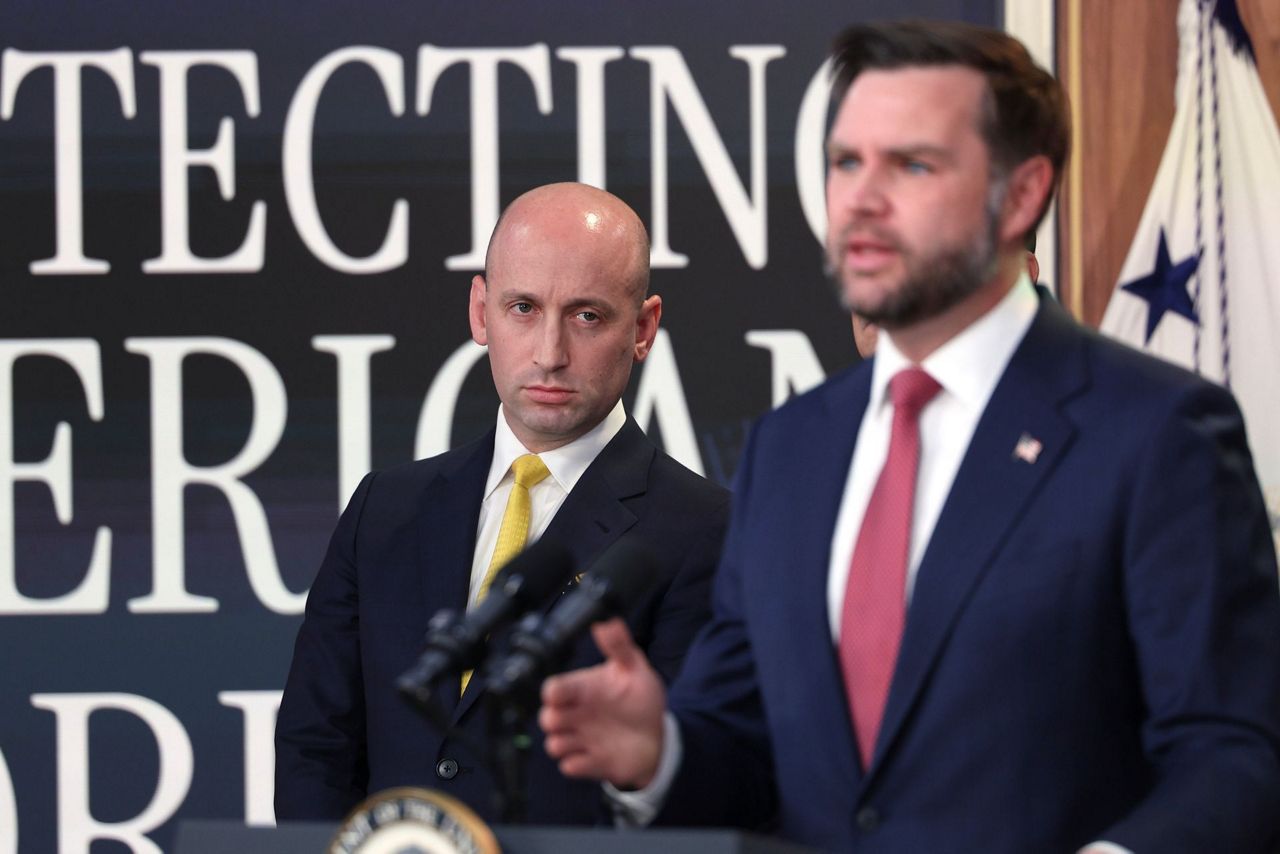
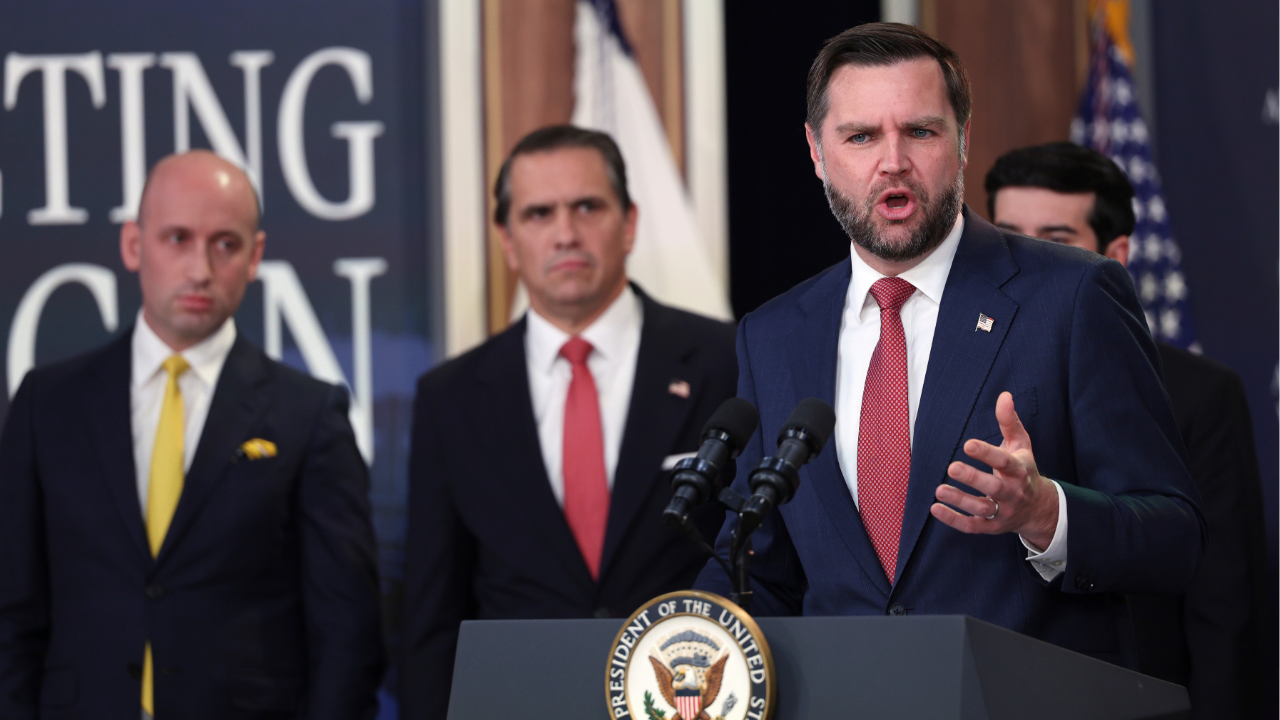
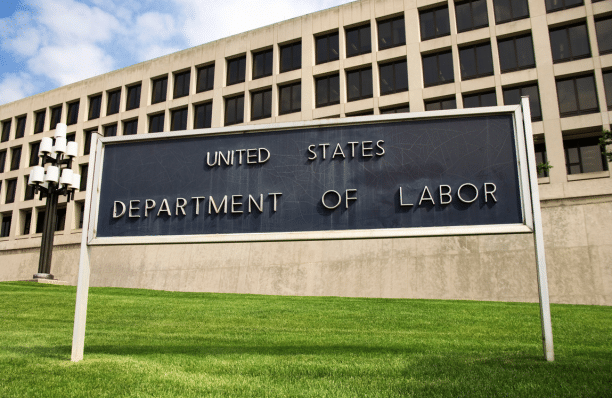
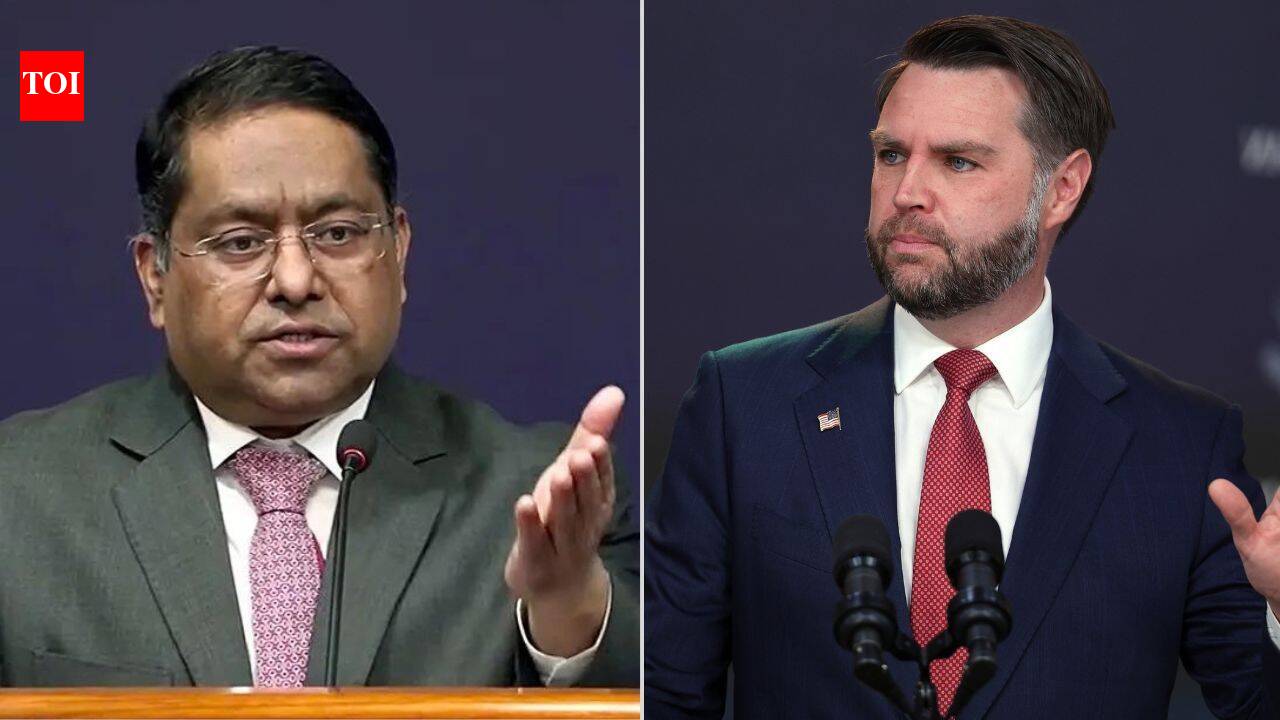
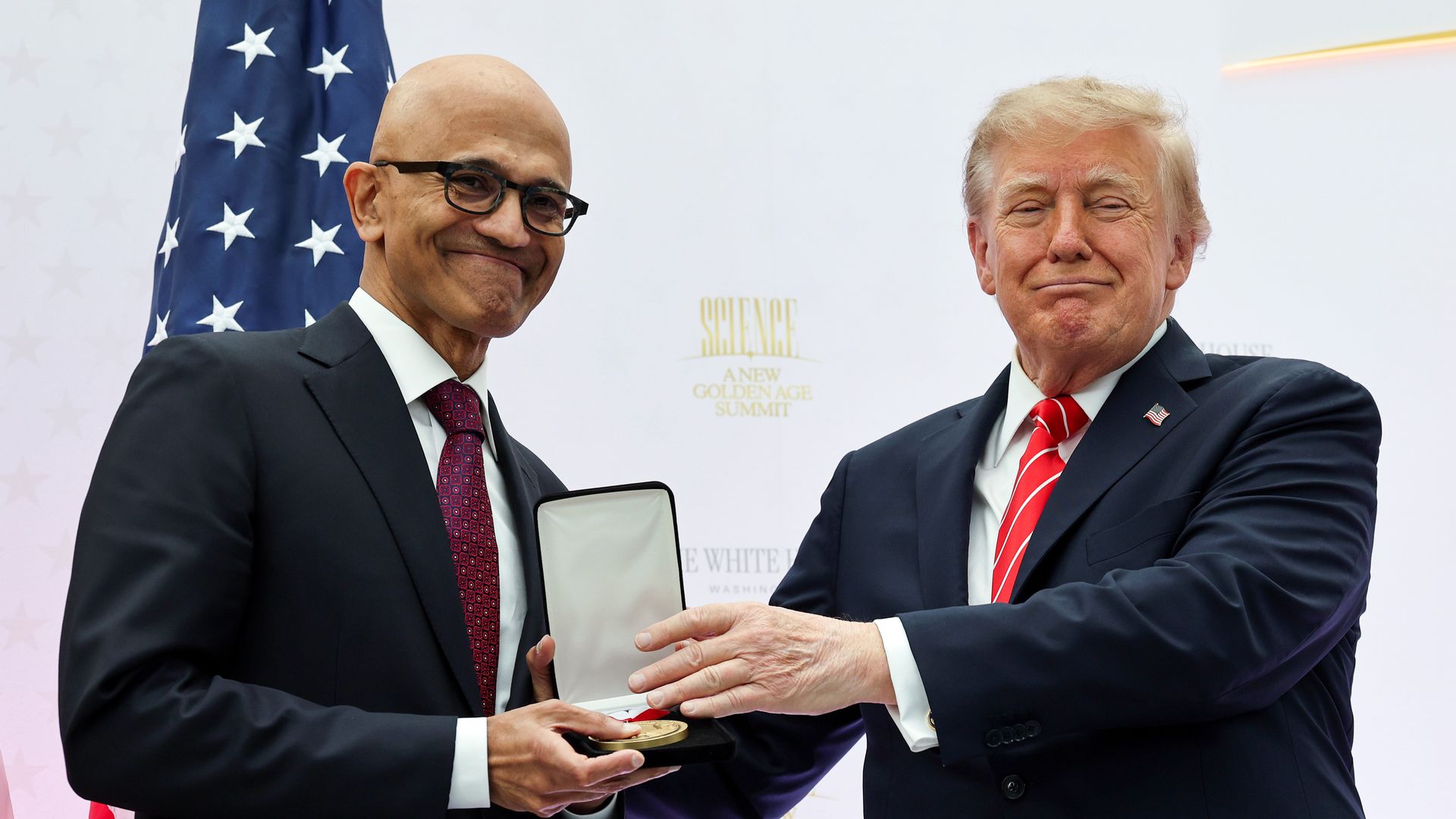
The Trump administration's suspension of Microsoft, Adobe, and six IT services firms from the Permanent Employment Program (Perm) represents a watershed moment for US technology infrastructure—with cascading implications for cross-border e-commerce sellers. On the same day President Trump awarded Microsoft CEO Satya Nadella the National Medal of Technology and Innovation, the Department of Labor halted new Perm applications and pipeline processing for these eight companies, citing wage-suppression concerns. Vice President Vance claimed Microsoft laid off 6,000 American workers while hiring 6,300 H-1B visa holders, though Microsoft countered that 80 recent Perm applications involved status extensions rather than new hires.
The immediate seller impact centers on platform development velocity and feature innovation. Amazon, eBay, Shopify, and other e-commerce platforms rely heavily on H-1B visa holders for software development, data science, and systems architecture roles. The Labor Department certified nearly 140,000 Perm applications in fiscal 2025, with approximately 30% designated for software developers, computer systems analysts, and data scientists—precisely the talent pools these platforms depend on. A sustained talent shortage could slow rollout of critical seller tools: FBA automation features, AI-powered listing optimization, fraud detection systems, and cross-border logistics integrations. Sellers relying on platform innovation for competitive advantage face potential 6-12 month delays in feature releases.
Secondary impact: increased operational costs for tech-dependent sellers. Sellers using advanced tools—Amazon Advertising API integrations, Shopify Plus custom development, eBay's machine learning-powered pricing—may face higher service fees as platforms invest in domestic talent recruitment and retention. Tech talent in the US commands 30-50% higher salaries than H-1B visa holders, creating cost pressures that platforms will likely pass to sellers through fee increases or reduced feature access in lower-tier seller plans. Small sellers (under $1M annual revenue) using basic tools face minimal impact; mid-market sellers ($1-10M) relying on API integrations and custom automation face 8-15% cost increases; enterprise sellers may negotiate fixed-rate contracts to lock in current pricing.
Strategic sourcing implications emerge for sellers manufacturing in the US. The visa suspension signals administration commitment to domestic labor prioritization, potentially triggering tariff reductions on imported components and manufacturing equipment to incentivize US-based production. Sellers sourcing electronics, apparel, and home goods from China/Vietnam should monitor for tariff arbitrage opportunities if the administration implements "Made in America" incentives. Conversely, sellers dependent on Chinese manufacturing face potential tariff increases, making nearshoring to Mexico or domestic production more cost-competitive within 6-12 months.
Questions 8
How will the visa suspension impact eBay's fraud detection and seller protection tools?
eBay's machine learning-powered fraud detection, buyer protection systems, and seller analytics depend on data scientists and ML engineers—roles heavily filled by H-1B visa holders. The suspension will slow development of advanced tools that help sellers identify counterfeit risks, optimize pricing, and prevent account suspension. Sellers relying on eBay's automated protection systems may experience 15-20% longer fraud investigation timelines and delayed access to new seller analytics features. The platform will likely increase seller fees by 2-4% in 2025 to fund domestic talent recruitment, with impact concentrated on high-volume sellers (10K+ monthly listings) who depend most on platform automation.
Should sellers shift sourcing from China to Mexico or US manufacturing due to tariff implications?
The H-1B suspension signals the Trump administration's commitment to domestic labor prioritization, which historically precedes tariff reductions on imported manufacturing equipment and potential tariff increases on finished goods from China. Sellers in electronics, apparel, and home goods should monitor tariff schedules for HS codes relevant to their categories. Nearshoring to Mexico offers 15-25% cost savings versus US manufacturing while avoiding potential China tariffs. However, tariff changes typically take 3-6 months to implement, so sellers should delay major sourcing shifts until Q2 2025 when policy direction clarifies. Small sellers ($100K-500K revenue) should maintain current China sourcing; mid-market sellers should pilot Mexico sourcing for 10-20% of SKUs; enterprise sellers should negotiate tariff-hedging clauses in supplier contracts.