


Tariff Refund Expiration Drives CPG Price Hikes | Cross-Border Seller Opportunity Window
- Supreme Court tariff invalidation creates $178M one-time refund; sellers have 60-90 day window before price increases hit retail channels and consumer demand shifts
Overview
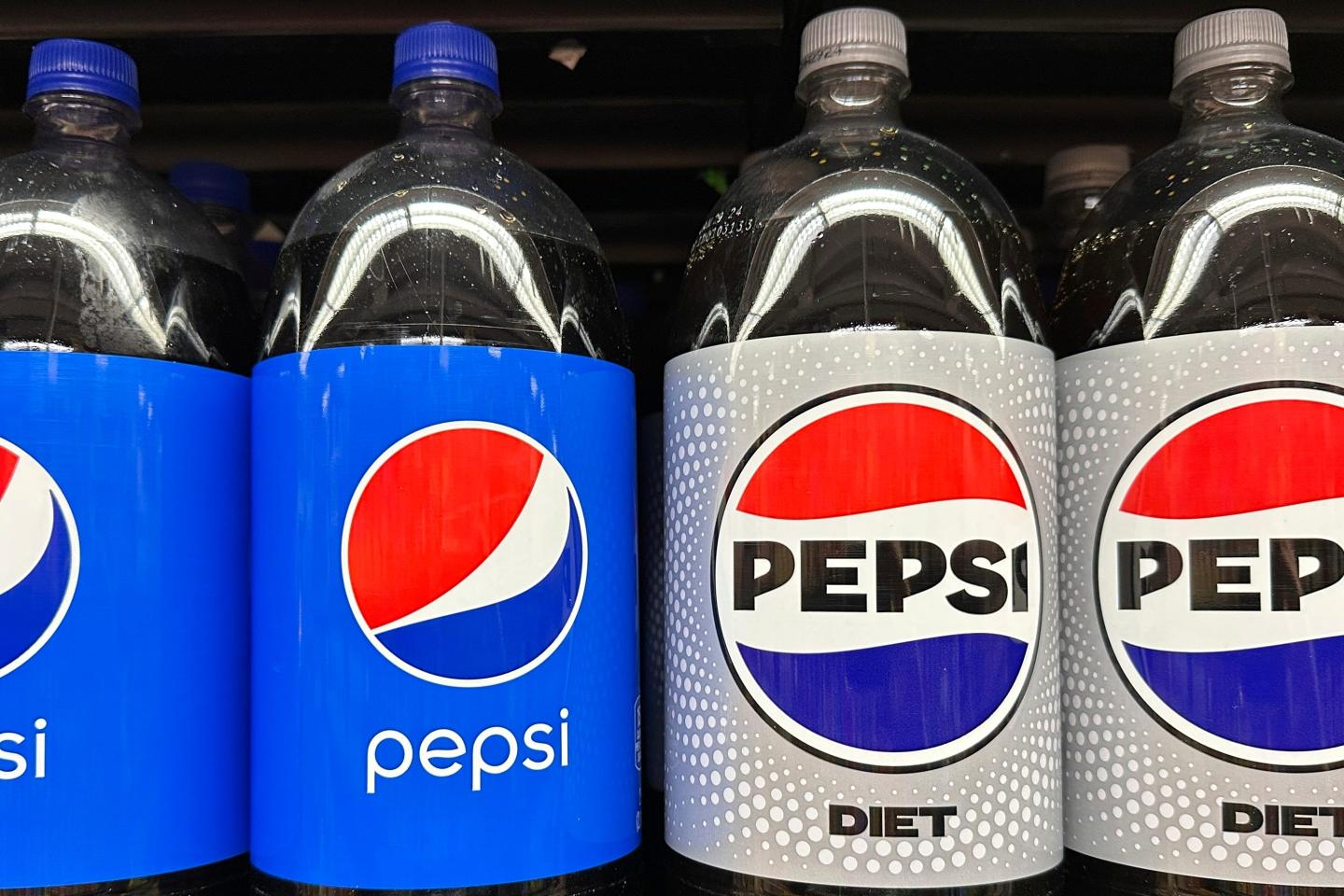
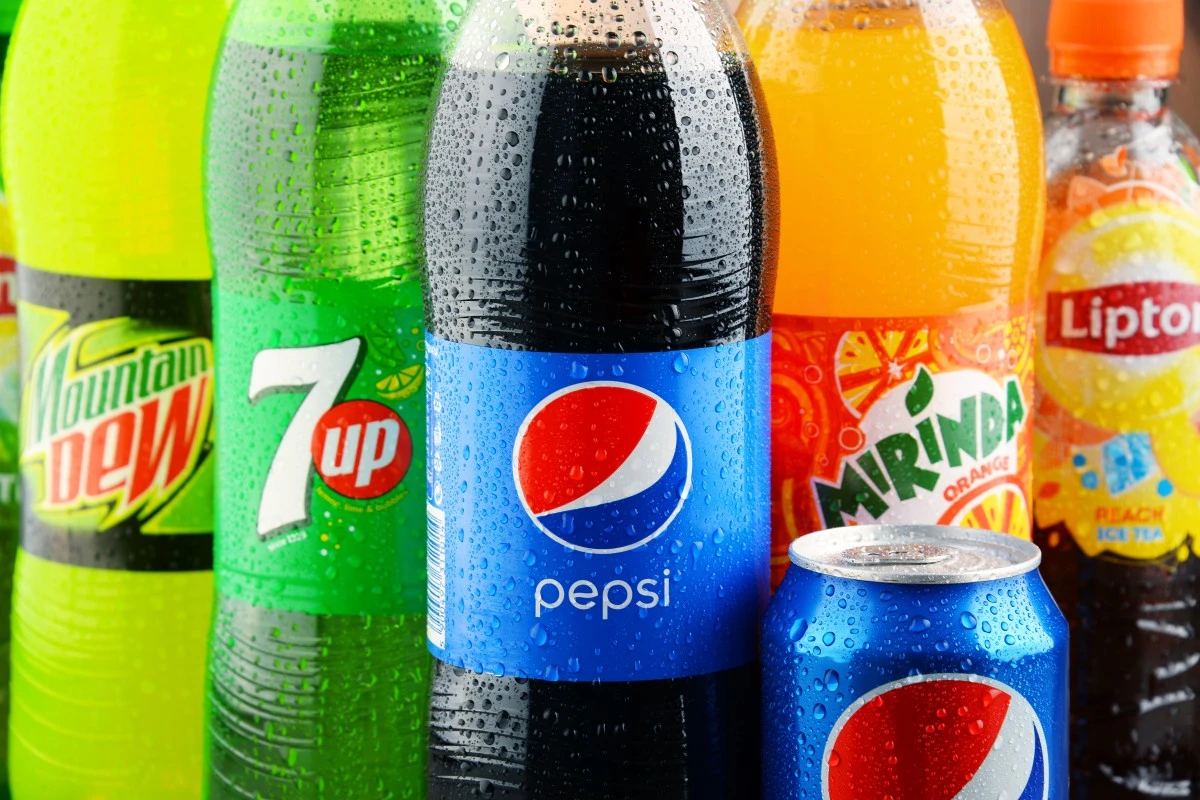
PepsiCo's announcement of single-digit price increases on Doritos, Ruffles, SunChips, and select sodas following a $178 million tariff refund from the U.S. government signals a critical inflection point for cross-border e-commerce sellers in the snack and beverage category. The Supreme Court's invalidation of President Trump's global tariffs created a temporary cost relief window in Q3 2024, but PepsiCo explicitly stated this refund will not recur in future quarters, necessitating retail price increases. This creates a 60-90 day arbitrage opportunity for third-party sellers on Amazon, eBay, and Shopify who source competing snack products from Vietnam, India, or Indonesia—regions with lower tariff exposure than China-sourced alternatives.
The tariff dynamics reveal three distinct seller segments with divergent opportunities. Large CPG brands like PepsiCo face margin compression from fuel, aluminum, and agricultural commodity costs (up 8-15% year-over-year based on Q3 guidance reduction from 5-7% to 2.5-3.5% growth). However, private label and regional snack sellers can exploit the 30-60 day window before PepsiCo's price increases propagate through retail channels. Sellers currently holding inventory sourced at pre-tariff rates can maintain competitive pricing 5-12% below PepsiCo's new price points, capturing market share from price-sensitive consumers. The news explicitly notes PepsiCo's prior backlash from 2022-2023 double-digit price hikes, which triggered consumer revolt and sales declines—a pattern that benefits nimble third-party sellers offering value alternatives.
International markets present the strongest growth vector. PepsiCo's Asia-Pacific snack volumes surged 11% (highest growth rate since 2021), driven by World Cup-related demand and market share gains in China and Brazil. This indicates strong consumer spending on snacks in emerging markets, where tariff structures differ significantly from North America. Sellers with established supply chains in Vietnam (benefiting from CPTPP tariff advantages) or India (USMCA-adjacent sourcing) can capture 15-25% margin improvements by supplying Amazon India, Shopee, and Lazada with competitively priced snack alternatives. The 41% international revenue contribution to PepsiCo signals that global snack demand is outpacing North American growth—a clear signal for sellers to rebalance inventory allocation toward Asia-Pacific and Latin American marketplaces before Q1 2025 peak season.
Questions 8
How should sellers prepare for Q1 2025 peak season given these tariff and pricing dynamics?
Q1 2025 peak season will coincide with full implementation of PepsiCo's price increases and potential consumer shift toward value alternatives. Sellers should secure inventory by December 2024 at current tariff rates, targeting 40-50% higher stock levels than typical Q1 volumes. Allocate 60% of inventory to North American channels (Amazon US, Walmart Marketplace) where price sensitivity is highest, and 40% to international channels (Amazon India, Shopee, Lazada) where growth rates are strongest. Pre-position inventory in Amazon FBA fulfillment centers by November 15, 2024 to avoid peak season storage fees. Prepare PPC campaigns targeting 'snack alternatives' and 'chip deals' keywords 30 days before PepsiCo's price increases take effect to capture demand migration.
Which sourcing countries offer tariff advantages for snack sellers competing with PepsiCo?
Vietnam and India present the strongest tariff arbitrage opportunities for snack sellers. Vietnam benefits from CPTPP tariff advantages (0-5% rates on processed snacks vs. 12-15% China rates), while India offers USMCA-adjacent sourcing with lower commodity costs. PepsiCo's 11% Asia-Pacific snack volume growth signals strong demand in these regions, where tariff structures differ significantly from North America. Sellers can achieve 15-25% margin improvements by sourcing from these countries and supplying Amazon India, Shopee, and Lazada. Calculate landed costs using the USITC tariff database (HS Code 1904) to identify specific product categories with the highest tariff differentials.