




Elevated Fuel Costs Through 2026 Midterms | Critical Supply Chain Impact for E-Commerce Sellers
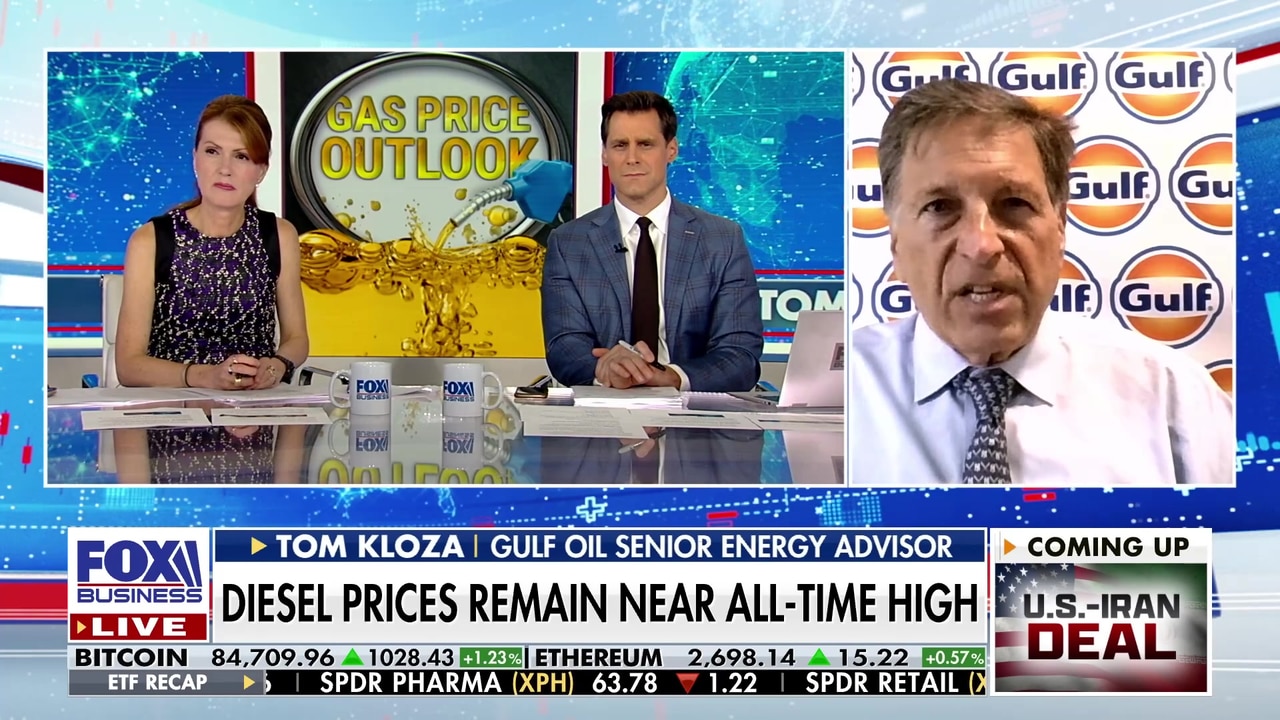
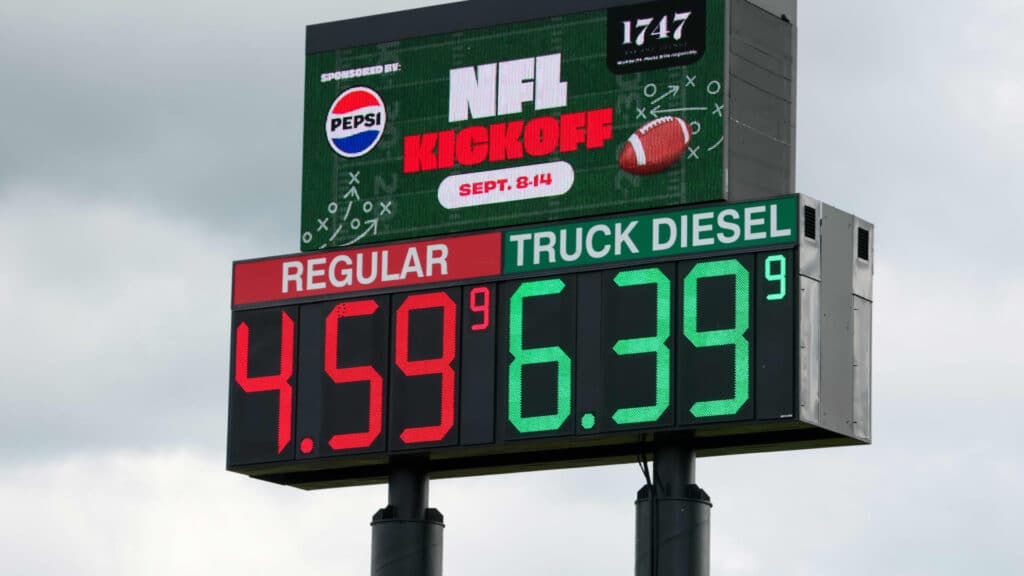
- Diesel prices at $6.28/gallon with 68% probability staying above $6 through November; shipping costs rising 8-15% for FBA and 3PL sellers nationwide

















Overview
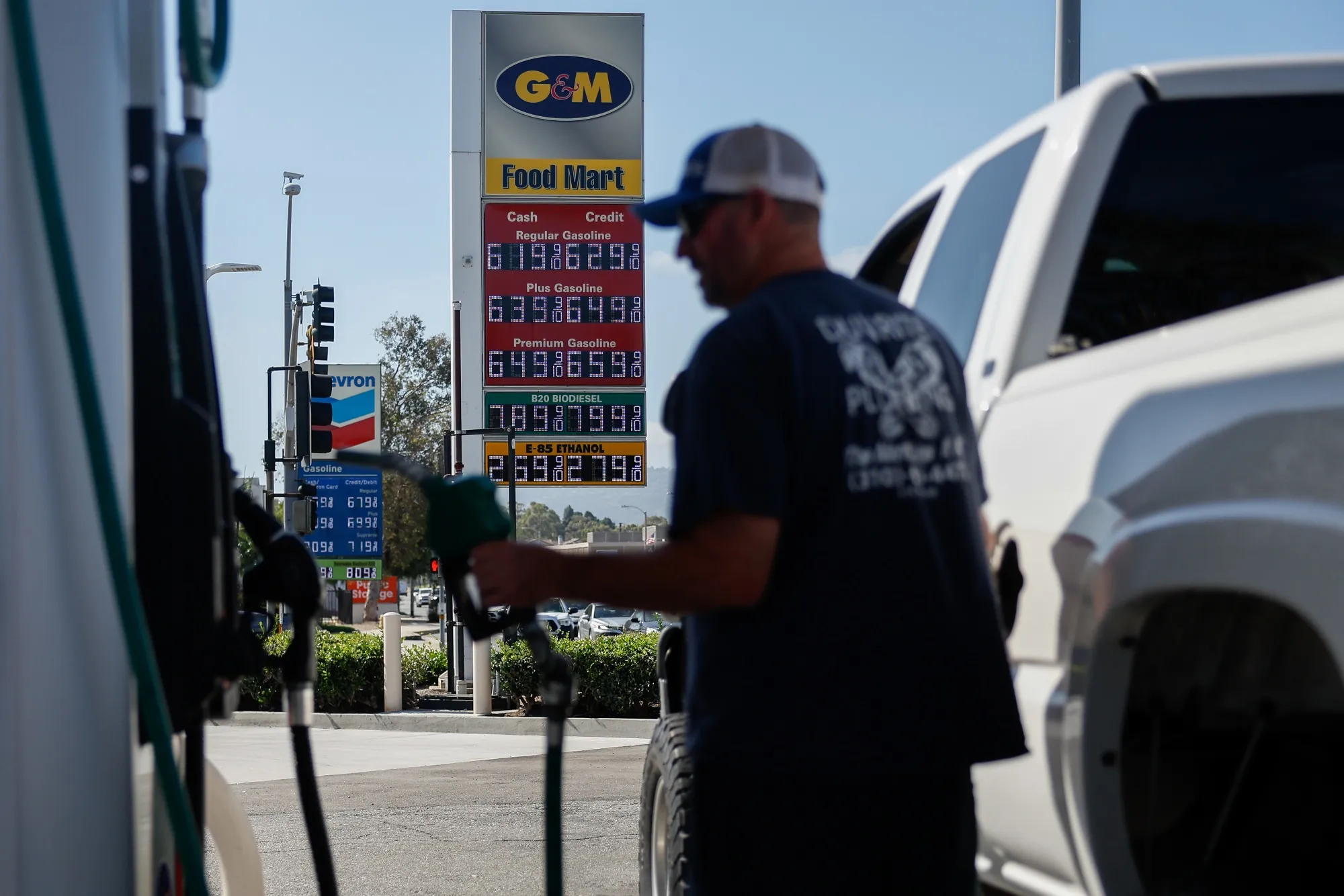
Sustained fuel price elevation through the 2026 midterm elections represents a structural cost shock for cross-border e-commerce sellers, with diesel prices settling at $6.28 per gallon and prediction markets (Kalshi) placing 68% odds they remain above $6 through Election Day. The price surge stems from geopolitical disruptions—Iran's closure of the Strait of Hormuz (60% of diesel increase) and Ukraine conflict impacts (40%)—creating a supply-constrained environment that Trump administration measures (100M barrel strategic reserve release, state tax cuts) can only temporarily relieve. For Amazon FBA sellers, Shopify merchants, and 3PL-dependent businesses, this translates to immediate operational cost increases of 8-15% on fulfillment and last-mile delivery, compressing margins across all categories but disproportionately impacting high-volume, low-margin products (electronics, home goods, apparel).
The competitive advantage shifts decisively toward sellers with diversified logistics strategies and regional inventory positioning. Large sellers with 3PL networks spanning multiple fulfillment centers can absorb cost increases through volume negotiations and geographic load-balancing; small-to-medium sellers relying on single FBA regions face 12-18% margin compression on products with <25% gross margins. Agricultural states (Iowa, Kansas) and Alaska—hosting competitive Senate races—experience the most acute diesel impacts, creating regional demand volatility for agricultural equipment, home heating supplies, and emergency power products. Sellers should immediately audit their fulfillment cost structure: FBA fees remain fixed, but inbound shipping (LTL and parcel) will increase 10-20% through Q4 2026, while 3PL providers are already implementing fuel surcharges (typically 3-5% of base rates).
Strategic sourcing and inventory timing become critical levers. With Middle East production facilities requiring 4-6 months for recovery even if geopolitical tensions resolve, sellers should front-load inventory purchases from current suppliers before Q1 2026 to lock in pricing, while simultaneously evaluating nearshoring opportunities (Mexico, Central America) to reduce fuel-dependent transportation. Consumer affordability concerns—reflected in elevated gas prices impacting voter sentiment—signal potential demand shifts toward value-oriented products and subscription models that reduce repeat shipping. Sellers in discretionary categories (luxury goods, non-essentials) should prepare for 5-10% demand softening in price-sensitive regions, while essential categories (groceries, health/beauty, home essentials) may see accelerated e-commerce adoption as consumers minimize driving trips.
Questions 7
What compliance or operational risks should I monitor related to fuel price volatility through 2026?
Monitor three key risks: (1) 3PL contract terms—ensure fuel surcharge caps are negotiated (typically 5% maximum) to prevent unlimited cost escalation; (2) inventory carrying costs—high fuel prices may trigger Amazon FBA storage fee increases if you over-inventory; (3) regional demand volatility in agricultural states (Iowa, Kansas, Alaska) hosting Senate races, where political uncertainty may suppress consumer spending. Trump administration measures (strategic reserve releases, state tax cuts) provide only temporary relief, so plan for sustained $6+ diesel through November 2026. Review your 3PL contracts quarterly and renegotiate fuel surcharge terms if they exceed 5% of base rates. Maintain 60-90 day cash reserves to absorb unexpected cost increases.
How much will my FBA shipping costs increase due to elevated diesel prices through 2026?
While Amazon FBA fees themselves remain fixed, your inbound shipping costs to fulfillment centers will increase 10-20% through 2026 as 3PL carriers implement fuel surcharges. Diesel prices at $6.28/gallon (up from $3 pre-February) mean LTL carriers are adding 3-5% fuel surcharges to base rates, and parcel carriers (UPS, FedEx) are adjusting zone-based pricing upward. For a seller shipping 500 units monthly via LTL to a single FBA region, expect an additional $400-800 monthly in inbound costs. Monitor your 3PL invoices for fuel surcharge line items and negotiate volume discounts to offset increases.