


Huawei's Smartphone Comeback & China's Chip Independence Reshape Global Electronics Supply Chains for Cross-Border Sellers
- Huawei targets 1-3 year international HarmonyOS expansion; domestic EUV chip tools threaten ASML monopoly; electronics sellers face 15-25% component cost volatility and new sourcing opportunities in 2026-2027



Overview
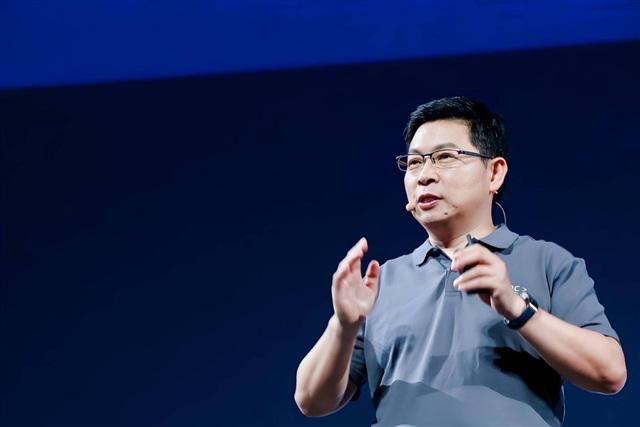
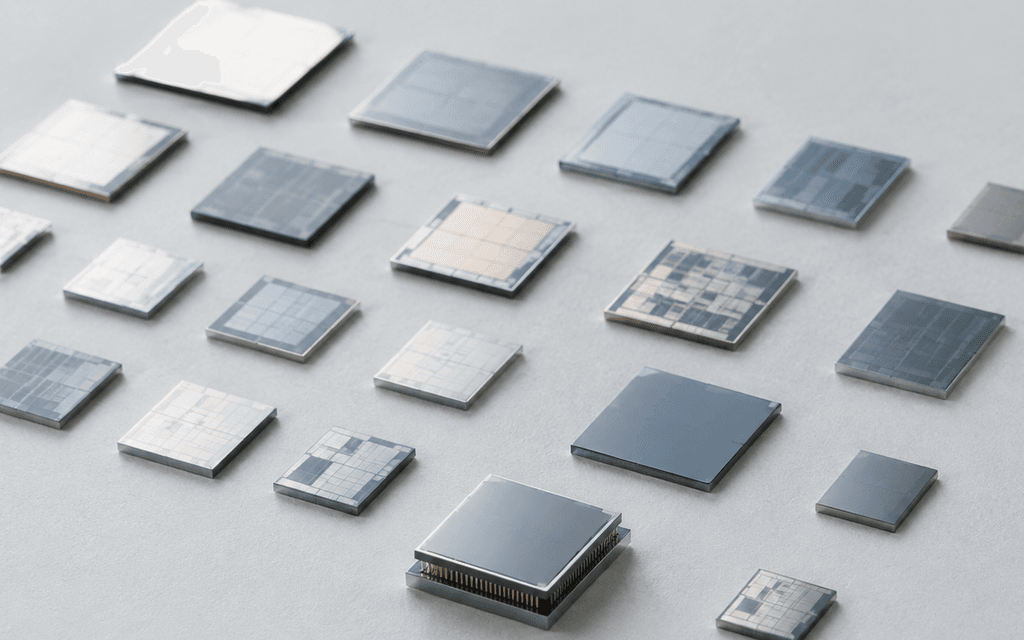
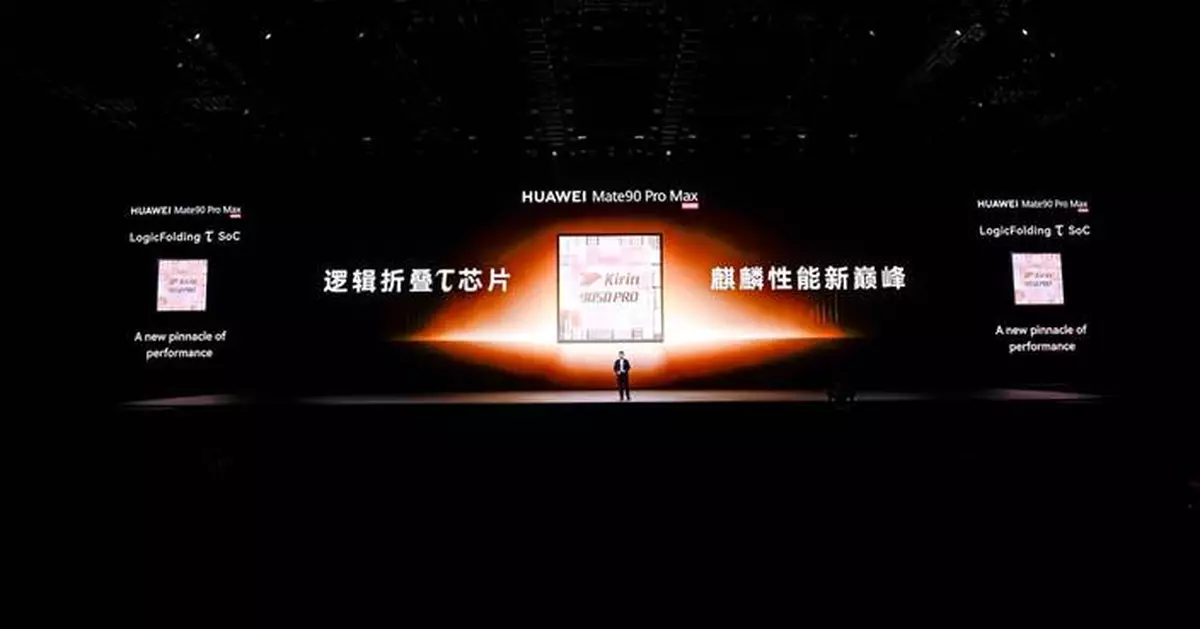
Huawei's strategic refocus on smartphones and China's indigenous semiconductor equipment development represent a fundamental shift in global electronics supply chains with direct implications for cross-border e-commerce sellers. On October 1, 2026, Huawei launched its Mate 90 series with proprietary LogicFolding chips, marking the company's first major self-developed semiconductor release since U.S. sanctions severed access to Android and TSMC in 2019. Executive Director Richard Yu announced plans to recover international market share by expanding HarmonyOS to overseas markets within 1-3 years—a critical signal that Chinese-origin smartphones will increasingly compete in Western markets where sellers source inventory. Simultaneously, Huawei's announcement of domestically-manufactured EUV lithography tools (currently dominated by Netherlands-based ASML under export controls) indicates China is pursuing semiconductor self-sufficiency through the Made in China 2025 initiative.
For electronics sellers, this creates three immediate supply chain impacts: First, smartphone component sourcing will diversify away from TSMC-dependent suppliers. Huawei's consumer business recovered to $51 billion in 2025 (39% of total revenue) from a 2021 low of $34 billion, signaling renewed manufacturing capacity. Sellers sourcing smartphone accessories, cases, chargers, and screen protectors will face new Chinese suppliers competing on price (estimated 8-15% cost reduction) but with unproven reliability. Second, EUV tool development threatens ASML's 95%+ market share, potentially reducing advanced chip costs by 20-30% within 3-5 years if China achieves production parity. This benefits sellers of consumer electronics (laptops, tablets, IoT devices) through lower component costs, but creates 18-24 month uncertainty as China's production timeline remains undisclosed. Third, HarmonyOS expansion into Western markets (1-3 year timeline) will fragment the Android/iOS duopoly, creating new app ecosystem opportunities and device compatibility challenges for sellers of smart home products, wearables, and connected devices.
Competitive dynamics shift dramatically for different seller segments. China-based electronics manufacturers gain 15-25% cost advantages through domestic chip sourcing, threatening Western suppliers. Small sellers (under $500K annual revenue) face inventory risk if they over-commit to TSMC-dependent components before Chinese alternatives mature. Large sellers (Amazon FBA, Shopify Plus) should begin dual-sourcing strategies now—testing Chinese semiconductor suppliers while maintaining TSMC relationships through 2027. The EV market contraction (China's automotive market down 20% in Q1-Q3 2026, Huawei-powered vehicles down 29% YoY) signals that consumer spending is shifting from vehicles to consumer electronics, creating demand tailwinds for smartphone accessories, charging solutions, and smart device categories. Seres Group's 60% stock decline and Huawei's 5-year partnership renewal suggest EV partnerships are stabilizing but not growing—freeing Huawei's manufacturing capacity for smartphone and chip production scaling.
Questions 8
When should sellers begin sourcing HarmonyOS-compatible products to capture first-mover advantage?
Sellers should begin HarmonyOS product sourcing immediately (Q4 2026) to capture first-mover advantage before Huawei's international expansion accelerates in 2027-2028. Timeline: **Q4 2026-Q1 2027:** Research HarmonyOS ecosystem requirements, identify compatible product categories (cases, chargers, smart home devices), and establish supplier relationships. **Q2-Q3 2027:** Launch initial HarmonyOS product lines on Amazon, AliExpress, and Shopify, targeting early adopters in Southeast Asia and India. **Q4 2027+:** Scale inventory as HarmonyOS market share grows. First-mover sellers can capture 30-50% market share in emerging HarmonyOS accessory categories before competition intensifies. Delay beyond Q2 2027 risks losing market position to competitors who establish brand presence and customer reviews earlier. The 1-3 year HarmonyOS expansion timeline provides a 12-18 month window for sellers to establish category leadership before mainstream adoption.
How should Amazon FBA sellers adjust inventory strategy given Huawei's supply chain shifts?
Amazon FBA sellers should implement a three-phase inventory strategy: **Phase 1 (Immediate, 0-3 months):** Audit current component sourcing—identify which suppliers depend on TSMC vs. Chinese alternatives. Reduce TSMC-dependent inventory to 45-60 days of supply (vs. typical 90 days) to minimize obsolescence risk if Chinese alternatives emerge. **Phase 2 (3-6 months):** Begin dual-sourcing testing—allocate 10-15% of component budgets to Chinese suppliers offering 8-15% cost reductions, but maintain TSMC relationships for core products. Monitor quality metrics closely (defect rates, return rates) before scaling. **Phase 3 (6-12 months):** Shift to 60% Chinese/40% TSMC sourcing for non-critical components as confidence builds. For smartphone accessories specifically, prioritize HarmonyOS-compatible product development—these categories will see 40-60% demand growth by 2027. Maintain 30-45 days of safety stock for all electronics to absorb supply chain disruptions during the 18-24 month transition period.