




Treasury Yields Approaching 6% | Critical Financing Cost Impact for E-Commerce Sellers
- Rising borrowing costs threaten inventory financing and working capital for 500K+ cross-border sellers; FX volatility compounds margins by 3-8%



Overview
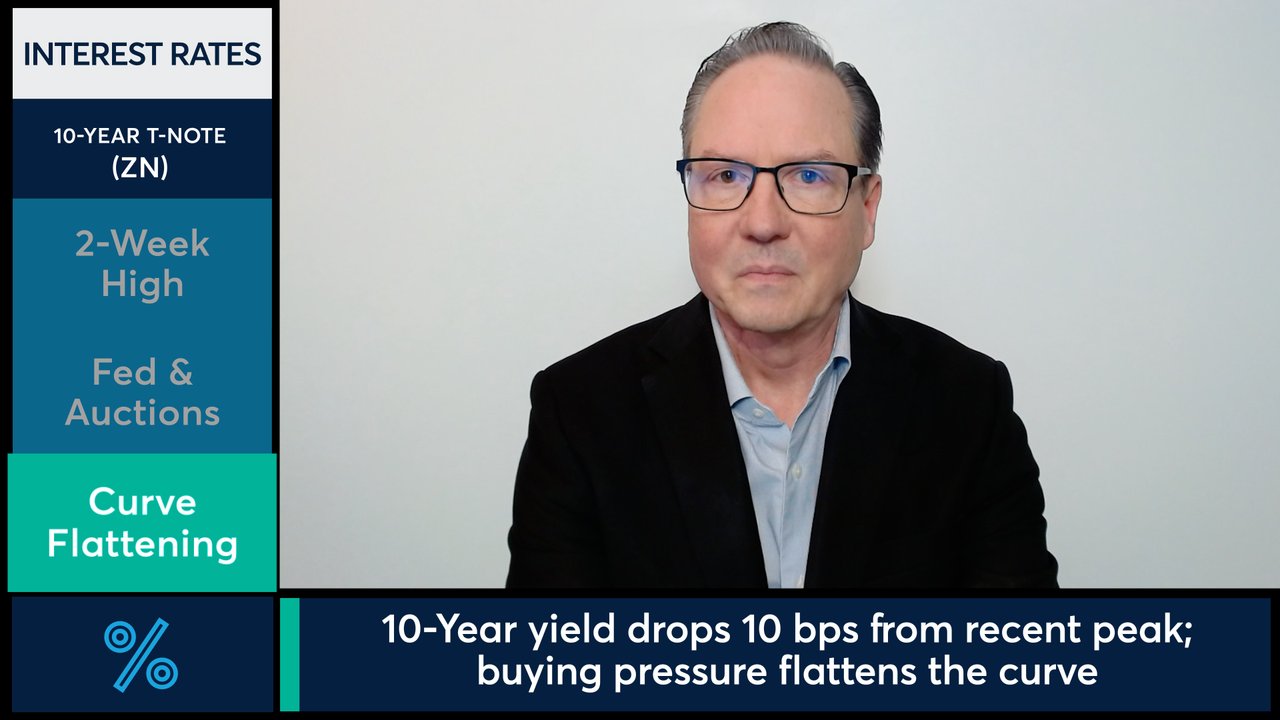
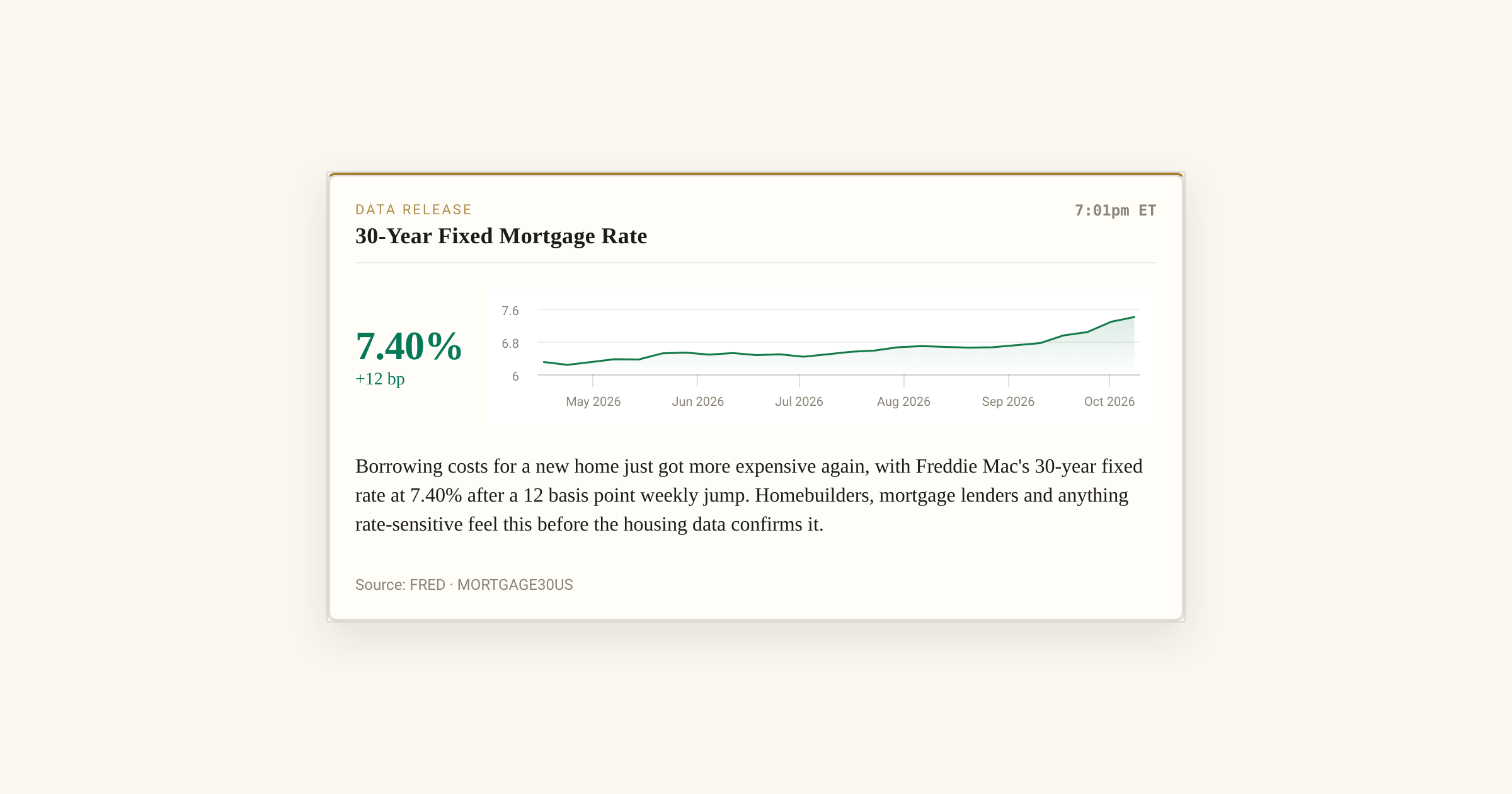
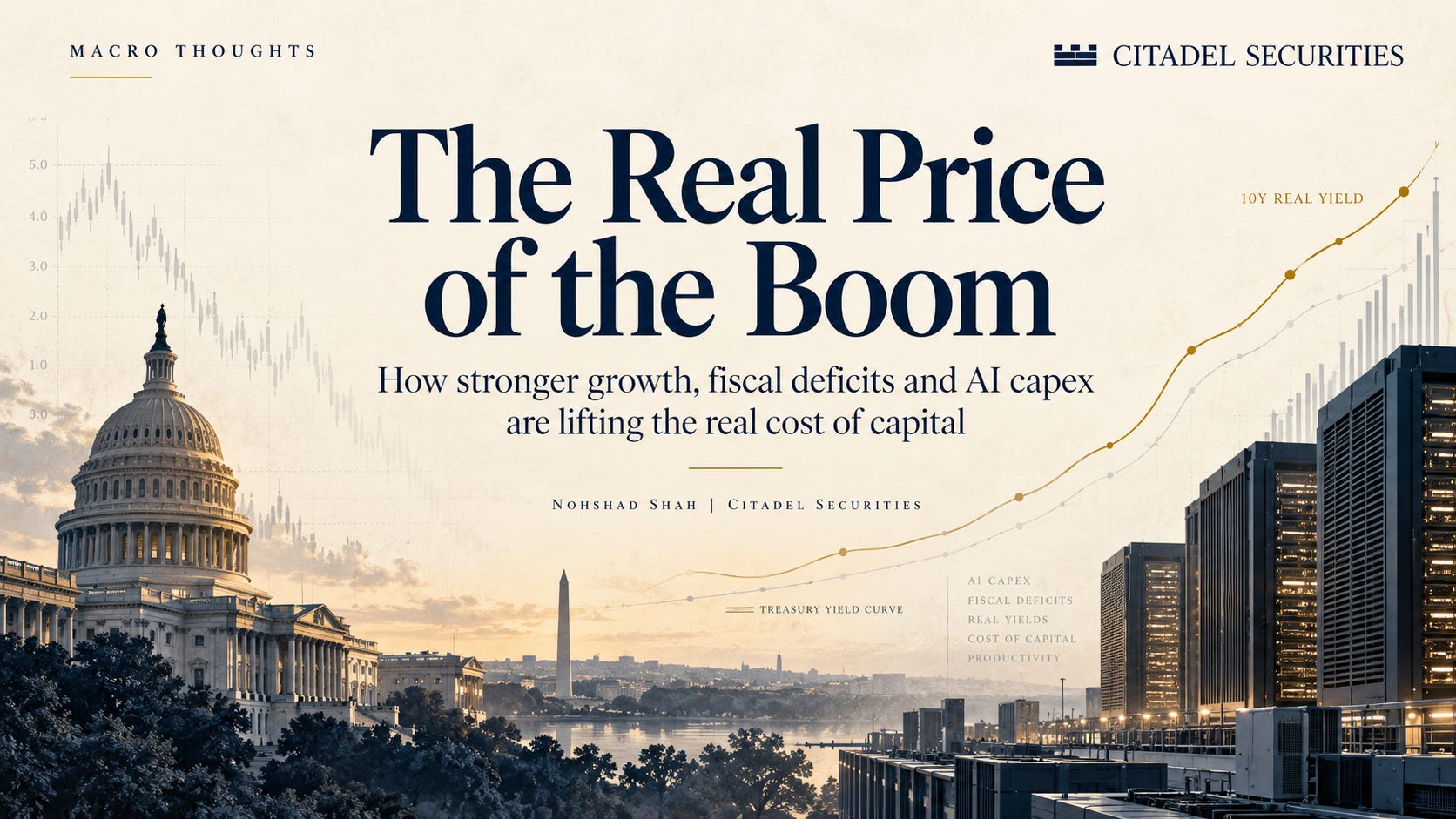
Pimco's warning that US 10-year Treasury yields risk reaching 6% for the first time since 2000 signals a critical macroeconomic inflection point with direct operational consequences for cross-border e-commerce sellers. This threshold, last approached during the 2000-2001 period, reflects persistent inflation concerns, Federal Reserve policy uncertainty, and fiscal sustainability questions. The 6% yield level carries symbolic and practical significance—it directly translates to higher borrowing costs across mortgages, business loans, and consumer credit, creating immediate ripple effects throughout the financial system.
For e-commerce sellers, rising Treasury yields create a three-pronged financing crisis. First, inventory financing costs are escalating rapidly. Sellers relying on working capital loans, lines of credit, and inventory financing through platforms like Amazon Lending or third-party lenders face APR increases of 150-300 basis points. A seller with a $100K inventory loan at 8% APR could see costs jump to 10-11% within 6 months, adding $2,000-3,000 annually to financing expenses. Mid-market sellers (those with $500K-$2M annual revenue) face disproportionate pressure because they lack the capital reserves of enterprise sellers but exceed the threshold for favorable small-business lending rates. Second, currency fluctuations typically accompany yield movements, amplifying foreign exchange costs. When US rates rise relative to other currencies, the dollar strengthens, making imports more expensive for sellers sourcing from China, Vietnam, and India while simultaneously reducing competitiveness for US-based sellers exporting to EU and Asia Pacific markets. Third, consumer demand for discretionary goods typically contracts during high-rate environments, directly impacting categories like electronics, apparel, home décor, and beauty products—which collectively represent 65-70% of cross-border e-commerce volume.
The cash conversion cycle deteriorates significantly in this environment. Sellers typically convert inventory to cash in 45-90 days; rising rates compress margins by 3-8% during this period. A seller with $500K in monthly inventory turnover faces an additional $15,000-40,000 in financing costs annually. Additionally, consumer spending patterns shift toward essentials (groceries, household staples) and away from discretionary purchases, forcing sellers to hold inventory longer while facing higher carrying costs. Small and mid-sized sellers with limited capital reserves face the most acute pressure—they cannot absorb 200+ basis point rate increases without reducing inventory levels or seeking alternative financing at unfavorable terms.
Questions 8
How do rising Treasury yields directly increase borrowing costs for e-commerce sellers?
Rising Treasury yields set the baseline for all borrowing costs in the economy. When 10-year yields approach 6%, lenders increase APR rates on business loans, lines of credit, and inventory financing by 150-300 basis points. A seller with a $100K working capital loan at 8% APR could see costs jump to 10-11%, adding $2,000-3,000 annually. Amazon Lending rates, third-party inventory financing, and traditional bank loans all track Treasury yields closely, making this a universal cost increase across all seller financing options.
How do rising interest rates affect consumer demand for e-commerce categories?
Higher Treasury yields and resulting interest rate increases dampen consumer spending, particularly for discretionary goods. Mortgage costs, auto loan rates, and credit card APRs all rise, reducing consumer purchasing power. Categories most affected include electronics (15-25% demand reduction), apparel (10-18% reduction), home décor (12-20% reduction), and beauty products (8-15% reduction). Essential categories like groceries and household staples show minimal demand impact. Sellers in discretionary categories must prepare for 2-4 week inventory holding periods and potential clearance pricing, compressing margins by 5-12%.