


Fed Rate Hikes Mid-2025 | Working Capital Squeeze for 50K+ E-Commerce Sellers
- 6-9 month timeline to rate increases; inventory financing costs rise 200-400 bps; USD strengthens, compressing margins for import-dependent sellers
















Overview
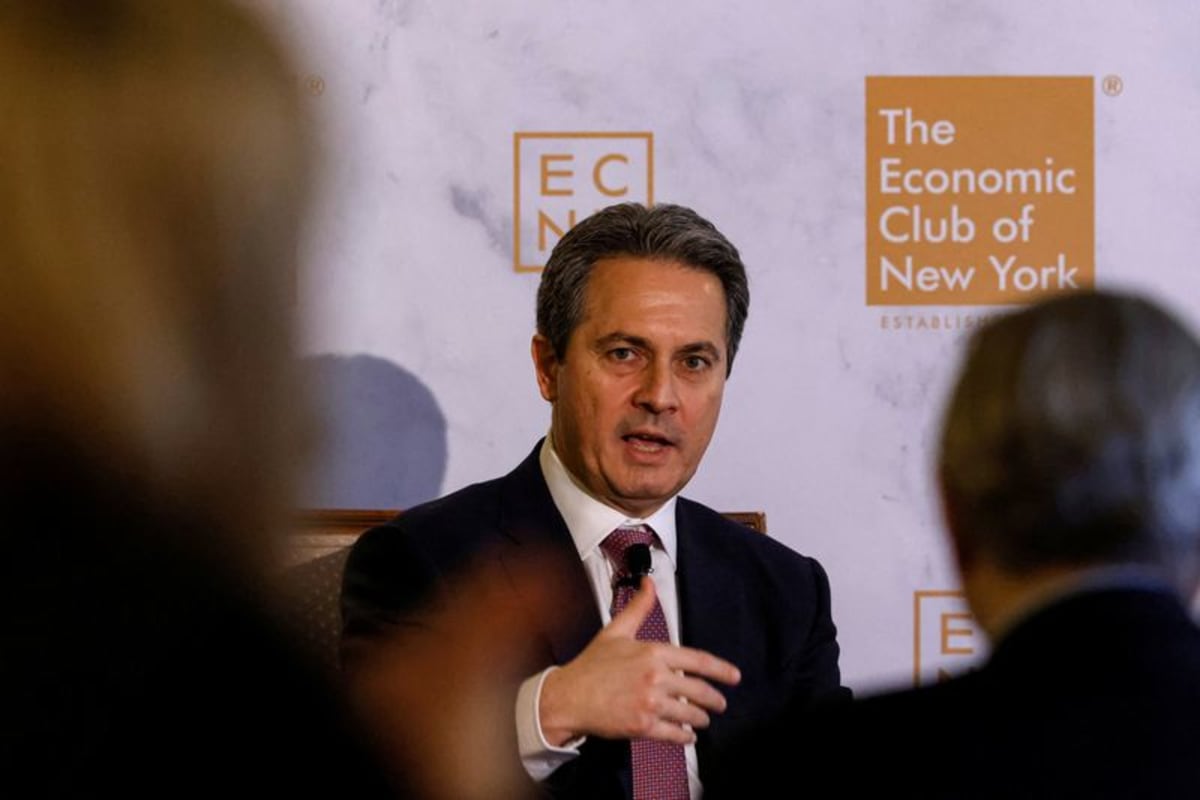
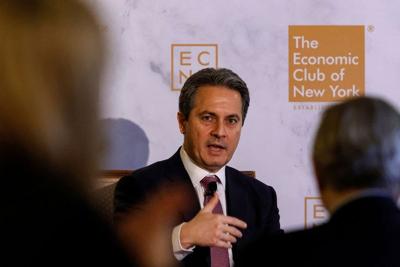
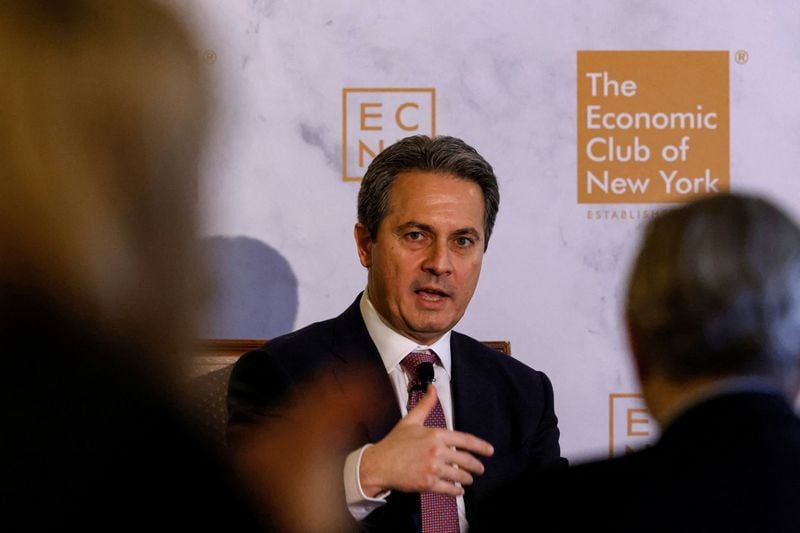
Federal Reserve Vice Chair Adriana Musalem's recent statements signal rate increases within 6-9 months (mid-2025 timeline), marking a critical inflection point for cross-border e-commerce sellers. The Fed's tighter monetary policy stance—driven by persistent inflation concerns—directly impacts three core seller pain points: working capital financing costs, inventory purchasing power, and currency exchange exposure.
Immediate Financing Impact: Sellers relying on inventory loans, credit lines, and PO financing face 200-400 basis point cost increases. A seller with $100K in variable-rate inventory financing currently paying 8% APR will see costs rise to 10-12% APR by Q2 2025—adding $2,000-4,000 annually in debt servicing. Small/medium sellers (SMBs) with tight 30-45 day cash conversion cycles are most vulnerable; those with 60+ day cycles have more flexibility. Action window: Lock in fixed-rate financing NOW before rate hikes materialize. Sellers should evaluate invoice factoring (3-5% discount vs. 10-12% APR loans) and supply chain financing products offering better terms than traditional credit lines.
Currency Headwind for Import-Dependent Sellers: Tighter Fed policy typically strengthens the USD 3-5% against major currencies (CNY, INR, VND, EUR). This creates dual pressure: (1) higher sourcing costs for sellers importing from Asia (10-15% margin compression on goods purchased in foreign currency), and (2) reduced competitiveness for US-based sellers exporting to international buyers. A seller importing electronics from Vietnam at 100M VND/unit faces 3-5% cost increase; margins compress unless prices rise (risking demand loss). Hedging opportunity: Sellers with 3-6 month inventory cycles should lock in forward FX contracts at current rates (typically 0.5-1.5% premium vs. spot) to protect against USD appreciation.
Demand Destruction Risk: Higher rates reduce consumer spending power, particularly for discretionary categories (apparel, home décor, electronics accessories). Historical Fed rate cycles show 8-12% demand decline in discretionary categories within 3-6 months of rate increases. Sellers should reduce discretionary inventory by 15-20% and shift capital toward essential/consumable categories (vitamins, household supplies, pet products) showing 2-4% growth during rate hike cycles. Pricing strategy: Avoid aggressive price cuts; instead, optimize product mix toward higher-margin items and bundle strategies to maintain AOV.
Strategic Recommendations: (1) Immediate (0-30 days): Audit all variable-rate debt; lock in fixed rates or refinance to invoice factoring by January 2025. (2) Short-term (1-3 months): Implement FX hedging for 50-75% of 3-6 month sourcing commitments; reduce discretionary inventory SKUs by 15-20%. (3) Medium-term (3-6 months): Shift 20-30% of inventory to 3PL providers (reducing working capital needs); evaluate alternative financing (supply chain finance, revenue-based financing at 6-8% vs. 12%+ traditional loans). Sellers with <$500K annual revenue should prioritize cash preservation over growth; those with $500K-$5M should rebalance portfolios toward resilient categories.
Questions 8
Will a stronger US dollar hurt my sourcing costs from Asia?
Yes. Tighter Fed policy typically strengthens the USD 3-5% against Asian currencies (CNY, INR, VND). A seller importing electronics from Vietnam at 100M VND/unit faces 3-5% cost increase—compressing margins by 10-15% unless prices rise. This affects 60-70% of cross-border sellers sourcing from Asia. To protect margins, implement forward FX contracts locking in current rates (0.5-1.5% premium vs. spot) for 50-75% of 3-6 month sourcing commitments. Sellers with 90+ day inventory cycles should hedge immediately to avoid cost surprises.
Which product categories will suffer most from higher interest rates?
Discretionary categories (apparel, home décor, electronics accessories, toys) typically see 8-12% demand decline within 3-6 months of Fed rate increases. Historical data shows consumers cut discretionary spending first when rates rise. Essential/consumable categories (vitamins, household supplies, pet products, food) show 2-4% growth during rate hike cycles. Sellers should reduce discretionary inventory by 15-20% and shift capital toward resilient categories. Avoid aggressive price cuts; instead optimize product mix toward higher-margin items and bundle strategies to maintain AOV.