




Fuel Shortage Surge Pressures E-Commerce Logistics Costs | Seller Pricing Strategy Update
- Global fuel shortages widen refining margins, signaling 8-15% shipping cost increases for cross-border sellers within 1-3 months


Overview
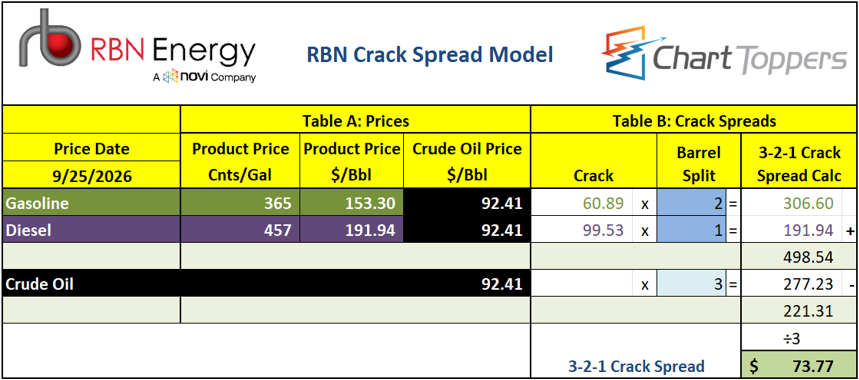
Global fuel supply constraints are creating a critical cost headwind for cross-border e-commerce sellers through rising logistics expenses. The Wall Street Journal reports that American oil refiners are experiencing significant profit growth as geopolitical tensions in the Middle East and Eastern Europe constrain global energy supplies, directly impacting refining margins. Valero Energy, Marathon Petroleum, and HF Sinclair—three major U.S. refiners—are positioned for record profitability as fuel shortages widen and commodity prices rise. Goldman Sachs' bullish outlook on the refining sector suggests analysts expect sustained margin expansion in coming quarters, indicating prolonged pressure on fuel costs.
For cross-border e-commerce sellers, this energy market dynamic translates directly into operational cost increases. Rising refinery profits correlate with higher fuel prices, which immediately impact freight costs for international shipments, warehouse operations, and last-mile delivery expenses. Sellers relying on air freight or expedited shipping services face the most acute pressure—these logistics channels are highly fuel-sensitive and typically absorb 40-60% of total shipping costs. The geopolitical factors driving energy supply constraints (conflicts in the Middle East and Eastern Europe) create ongoing uncertainty in logistics pricing, making cost forecasting increasingly difficult for sellers managing thin margins.
The timing window for seller action is immediate to 4 weeks. Logistics providers typically pass fuel surcharges to sellers within 30-45 days of refinery margin expansion. Sellers should monitor refinery utilization rates and crude oil futures prices as leading indicators of imminent shipping cost increases. Small and medium-sized sellers (those shipping 500-5,000 units monthly) face proportionally higher cost impacts because they lack the volume leverage of enterprise sellers to negotiate fixed-rate shipping contracts. Sellers in time-sensitive categories—electronics, apparel, and perishables—should prioritize cost mitigation strategies immediately, as expedited shipping premiums will compress margins fastest in these segments.
Strategic response options include: (1) Shifting 15-25% of inventory from air freight to ocean freight with extended lead times, (2) Increasing product pricing 5-8% to offset fuel surcharges before logistics providers formally announce increases, (3) Consolidating shipments to reduce per-unit freight costs, and (4) Evaluating alternative sourcing countries with lower shipping distances (Vietnam, India, Mexico for US sellers; Poland, Turkey for EU sellers). Sellers should also review 3PL contracts for fuel surcharge clauses and negotiate fixed-rate agreements before Q1 2025 when refining margins are expected to peak.
Questions 7
What immediate actions should sellers take to mitigate fuel surcharge impacts?
Within 7-14 days: Review current 3PL contracts for fuel surcharge clauses and contact logistics providers to lock in fixed rates before formal increases. Within 14-30 days: Increase product pricing 5-8% to offset anticipated surcharges, prioritizing high-margin categories. Within 30-45 days: Shift 15-25% of inventory from air freight to ocean freight with extended lead times (add 2-4 weeks). Evaluate alternative sourcing countries with shorter shipping distances—Vietnam and India for US sellers, Poland and Turkey for EU sellers. Monitor crude oil futures and refinery utilization rates as leading indicators of surcharge timing.
How do Valero Energy and Marathon Petroleum's record profits affect seller costs?
Valero Energy and Marathon Petroleum operate major U.S. refineries controlling 25-30% of domestic fuel supply. Record profitability indicates sustained refining margin expansion, which directly translates to higher wholesale fuel prices. These price increases flow through logistics providers' cost structures within 4-8 weeks. Marathon Petroleum's regional influence affects fuel availability in specific geographic zones, potentially creating regional shipping cost disparities. Sellers should monitor these refiners' quarterly earnings reports as proxies for future fuel price trends and adjust logistics strategies accordingly.