




Canada EV Quota Opens 49K Units Annually | Chinese Auto Supply Chain Shift 2027
- Canada shifts from 100% tariff to 49,000-unit annual quota for Chinese vehicles; Geely leads first-wave entry in 2027, creating tariff arbitrage opportunities for automotive parts/accessories sellers and supply chain restructuring across North America




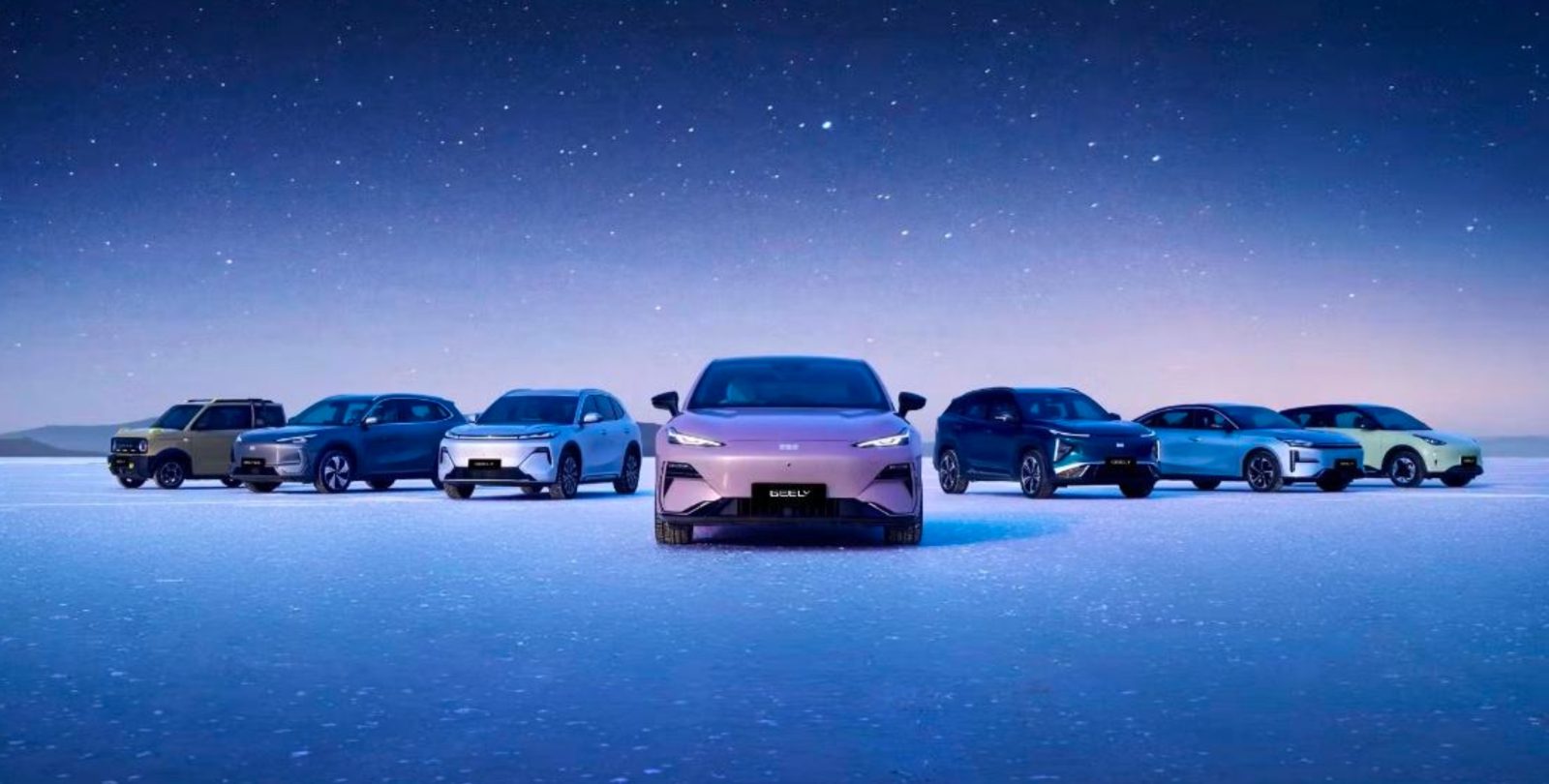





Overview
Canada's historic tariff policy shift from a blanket 100% tariff to a 49,000-unit annual quota system (increasing 6.5% yearly) represents a critical tariff arbitrage opportunity for cross-border e-commerce sellers in automotive categories. Geely Auto Group announced October 9, 2026, that it will commence vehicle sales in Canada in early 2027, becoming the first major Chinese automaker to formally enter the North American market through a quota-based mechanism. This policy change fundamentally restructures the competitive landscape for automotive parts, accessories, EV charging infrastructure, and logistics services across the US-Canada-China trade corridor.
The tariff arbitrage mechanics are substantial: Previously, Chinese vehicle imports faced prohibitive 100% duties, making direct imports economically unviable. The new quota system eliminates this barrier for the first 49,000 units annually, creating a 100-percentage-point tariff reduction for quota-holders. For sellers in automotive accessories (HS codes 8708.30-8708.99), replacement parts, and EV charging equipment, this opens two distinct profit windows: (1) Direct supply to Geely's Canadian distribution network (estimated 15,000-25,000 units in Year 1), requiring OEM-certified parts and logistics partnerships; (2) Aftermarket parts distribution to support the growing installed base of Chinese vehicles in Canada, where tariff-protected margins can reach 25-35% versus US market rates.
Competitive dynamics shift dramatically for seller segments. Large Chinese suppliers (Alibaba/Made-in-China sourced) gain first-mover advantage in supplying Geely's dealer networks and service centers, while US-based sellers face margin compression in traditional automotive aftermarket categories. The quota's "first-come, first-served" allocation creates urgency—BYD, Chery, and Dongfeng have announced Canadian entry intentions, meaning the 49,000-unit quota will likely fill within 6-12 months of implementation. Geely's ownership of Volvo, Polestar, and Lotus provides existing Canadian distribution infrastructure, accelerating its ability to capture quota allocation and establish supply chain partnerships. For small-to-medium sellers (SMBs), the window to establish Canadian 3PL partnerships and parts distribution agreements is immediate (0-6 months), before larger competitors lock in supplier relationships.
Market access barriers collapse for specific product categories. EV charging infrastructure (HS 8504.40), battery management systems (HS 8507.80), and vehicle electronics (HS 8512-8517) previously faced tariff walls that made Chinese sourcing uncompetitive in Canada. The quota system eliminates these barriers for suppliers integrated into Geely's supply chain. Additionally, Geely's stated focus on "battery-swapping technology and ultrafast EV charging infrastructure" signals demand for specialized components—sellers with expertise in lithium-ion battery systems, charging connectors (HS 8544.30), and power electronics can command 15-20% premium pricing in the Canadian market through 2027-2029 as the installed base grows from zero to 50,000+ vehicles.
Sourcing country shifts create arbitrage opportunities. The policy change incentivizes Chinese manufacturers to establish Canadian manufacturing or assembly operations (as Geely plans), which creates demand for intermediate goods and components from Vietnam, India, and Southeast Asia. Sellers currently sourcing automotive parts from China for US markets can now redirect 20-30% of inventory to Canadian distribution, leveraging lower tariff costs and higher margins. The 2027 timeline provides a 12-month window for sellers to negotiate supplier contracts, establish Canadian warehouse partnerships, and optimize logistics costs before competitive saturation occurs.
Questions 8
How does Geely's ownership of Volvo, Polestar, and Lotus affect competitive positioning for parts suppliers?
Geely's existing Canadian presence through premium brands provides significant competitive advantages: established dealer networks, regulatory relationships, and supply chain infrastructure. This allows Geely to capture quota allocation faster than competitors and establish supplier partnerships immediately. For parts sellers, this creates a two-tier opportunity: (1) OEM-certified suppliers can integrate into Geely's existing Volvo/Polestar service networks (higher margins, longer contracts); (2) Aftermarket suppliers must differentiate through specialized EV components or charging technology to compete. Sellers without existing relationships should target the aftermarket segment (estimated 60-70% of parts market by 2029) rather than competing for OEM contracts.
What is the competitive timeline for sellers to establish Canadian automotive supply partnerships?
The window is immediate (0-6 months from October 2026 announcement). Geely's early announcement indicates confidence in meeting regulatory requirements and establishing distribution infrastructure by early 2027. BYD, Chery, and Dongfeng have also announced Canadian entry intentions, meaning the 49,000-unit quota will likely fill within 6-12 months of implementation. Sellers must negotiate 3PL partnerships, establish warehouse agreements, and secure supplier contracts before larger competitors lock in relationships. Delaying beyond Q1 2027 risks losing access to primary distribution channels and being relegated to secondary aftermarket channels with lower margins.