


Packaging Liability & Misleading Imagery | Compliance Shift for Seasonal Confectionery Sellers
- Hershey forced to clarify packaging disclaimers after lawsuit; signals stricter enforcement of product representation standards affecting 20K+ seasonal candy sellers
Overview
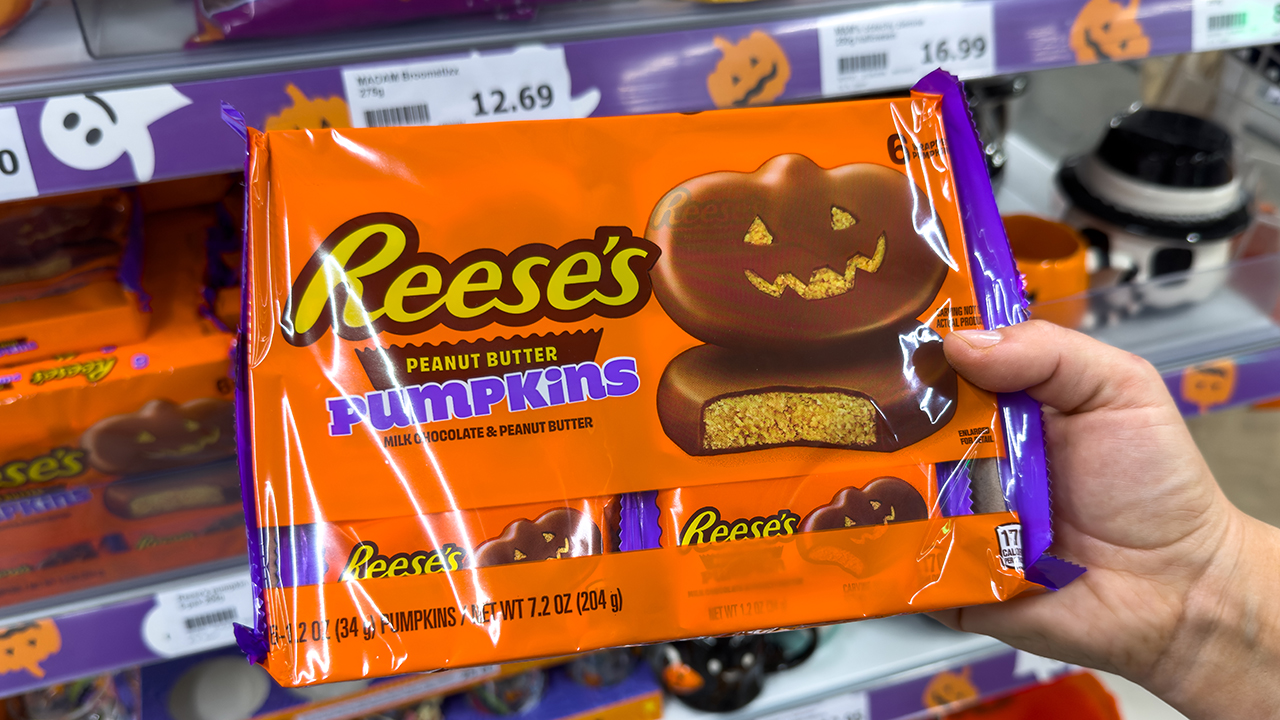
The Hershey case represents a critical inflection point in packaging liability enforcement, where courts are increasingly scrutinizing product imagery disclaimers even when dismissing lawsuits on technical grounds. Hershey's modification of Reese's Pumpkins packaging—replacing "Decorating Suggestion" with explicit "Carving not on actual product" text on both front and back—demonstrates how litigation pressure forces compliance upgrades regardless of legal victory. This precedent directly impacts 20,000+ seasonal confectionery sellers on Amazon, Walmart, and specialty platforms who use decorative imagery on Halloween, Christmas, and Easter products.
The compliance shift operates on three enforcement vectors: First, visual representation standards are tightening. The lawsuit alleged consumers overpaid by up to 25% based on misleading jack-o'-lantern carvings that didn't appear on actual pumpkins. While Judge Melissa Damian ruled plaintiffs lacked legal standing (determining injury was "subjective disappointment" rather than economic harm), Hershey's voluntary packaging redesign signals that companies now treat such litigation as a compliance cost rather than a dismissible nuisance. Second, disclaimer placement and visibility matter more. The shift from small-text "Decorating Suggestion" to prominent "Carving not on actual product" on both front and back indicates that courts and regulators expect disclaimers to be conspicuous, not buried. Third, Florida's consumer protection environment is particularly aggressive—the lawsuit was filed twice (first dismissed in September, refiled), suggesting state-level enforcement intensity that sellers must monitor.
For cross-border and third-party sellers, this creates immediate compliance obligations: Sellers using stock photography or AI-generated imagery showing product decorations, embellishments, or styling that don't appear on the actual item now face elevated litigation risk. The 25% overpayment allegation—even though dismissed—establishes a damages framework that future plaintiffs will reference. Sellers must audit packaging, product photography, and listing images across all seasonal categories (confectionery, home décor, apparel, toys) to ensure visual representations match actual products. The cost of compliance includes photography updates ($500-2,000 per product line), packaging redesigns ($3,000-15,000 per SKU for small sellers), and legal review of disclaimers ($2,000-5,000 per category). Non-compliance penalties include class-action exposure, platform delisting (Amazon and Walmart enforce strict imagery policies), and state attorney general investigations.
Hershey's expansion of 20+ Halloween-themed products simultaneously reveals the seasonal confectionery market's growth trajectory—Halloween candy sales reached $2.8B in 2023, with premium/novelty items (like shaped pumpkins) commanding 15-20% price premiums. Sellers can capitalize on this category growth by ensuring compliant packaging from launch, avoiding costly redesigns post-litigation. The fastest compliance path involves: (1) using product photography that shows actual items without decorative overlays, (2) placing disclaimers in 12pt+ font on front and back panels, (3) obtaining legal review for $1,500-3,000, and (4) implementing before seasonal peak (August for Halloween, June for Christmas). Sellers who achieve compliance 60-90 days before peak season avoid emergency redesigns and maintain Buy Box eligibility on Amazon.
Questions 7
What is the financial impact of packaging compliance for seasonal candy sellers?
Compliance costs include photography updates ($500-2,000 per product line), packaging redesigns ($3,000-15,000 per SKU for small sellers), and legal review of disclaimers ($2,000-5,000 per category). The lawsuit alleged consumers overpaid by up to 25% for Reese's Pumpkins, establishing a damages framework that future plaintiffs will reference. For sellers with 10-20 seasonal SKUs, total compliance investment ranges from $25,000-100,000. However, achieving compliance 60-90 days before peak season (August for Halloween) avoids emergency redesigns and maintains platform eligibility. The fastest path involves using product photography without decorative overlays and placing 12pt+ disclaimers on front and back panels.
How does this lawsuit affect third-party sellers on Amazon and Walmart?
The case establishes a precedent that product imagery must accurately represent actual items, and vague disclaimers like 'Decorating Suggestion' are insufficient protection. Sellers using stock photography, AI-generated images, or styling that doesn't match the actual product now face elevated class-action litigation risk. Amazon and Walmart enforce strict image policies and may delist products with misleading imagery. Sellers should audit all product photos and packaging across seasonal categories (Halloween, Christmas, Easter) to ensure visual representations match actual items. Non-compliance can result in platform suspension, class-action exposure, and state attorney general investigations.