


Billion-Dollar Lottery Fever: The Psychological Economics of Massive Jackpot Speculation
- Exploring the Financial Imagination and Risk Perception in Unprecedented Prize Environments


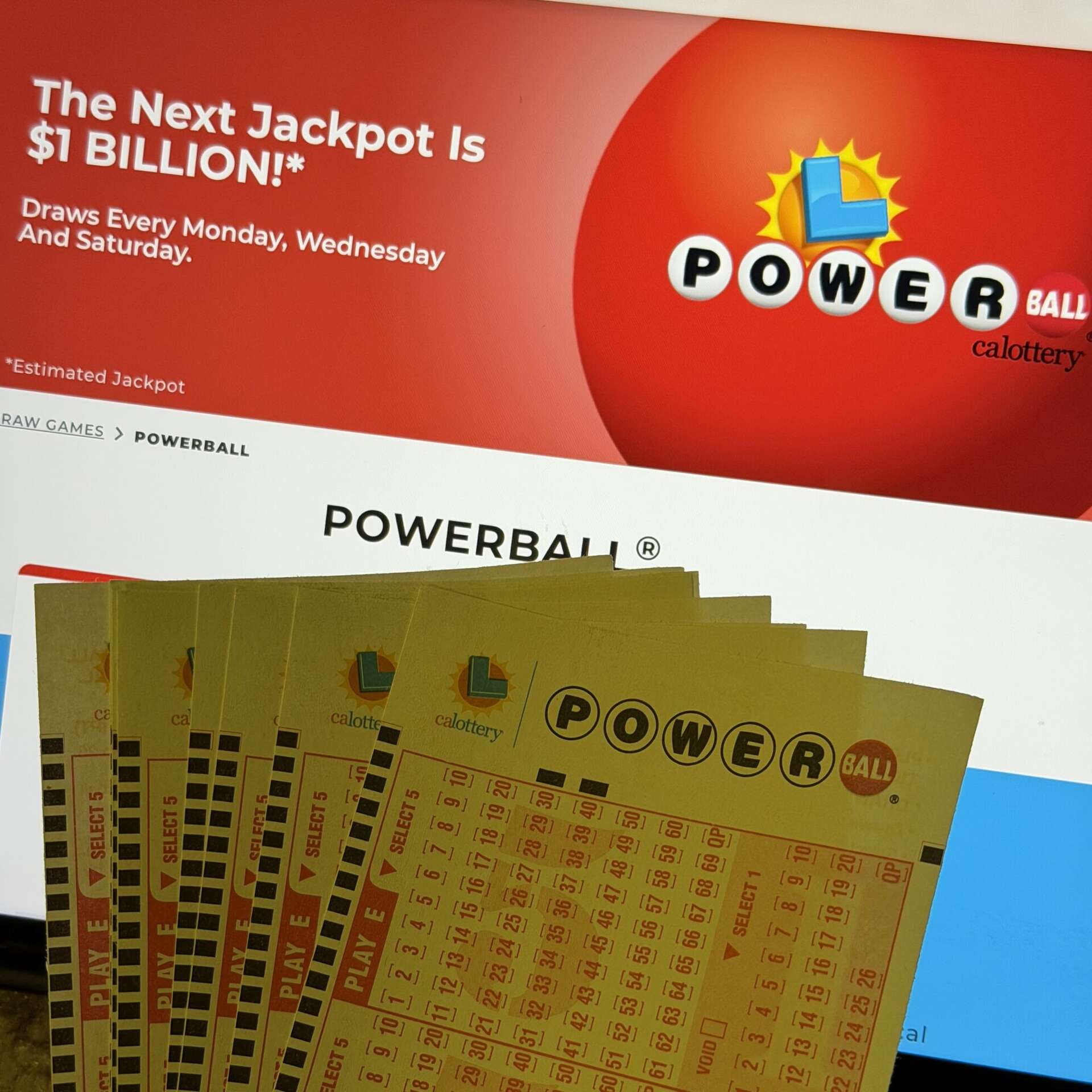
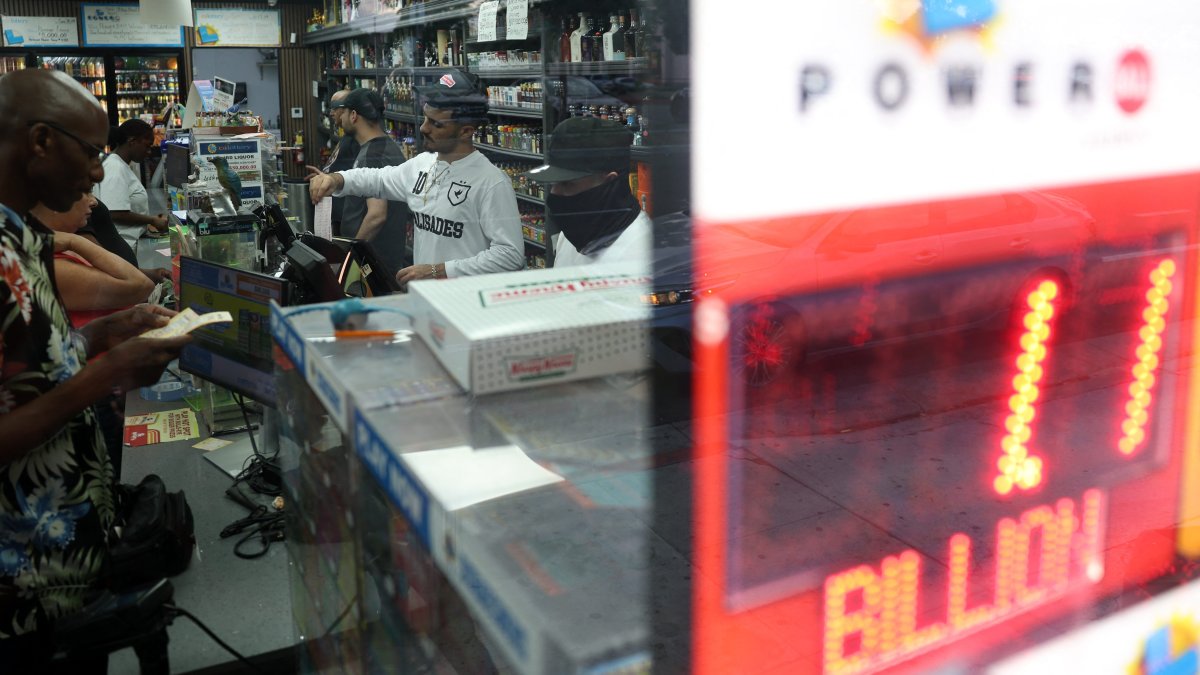
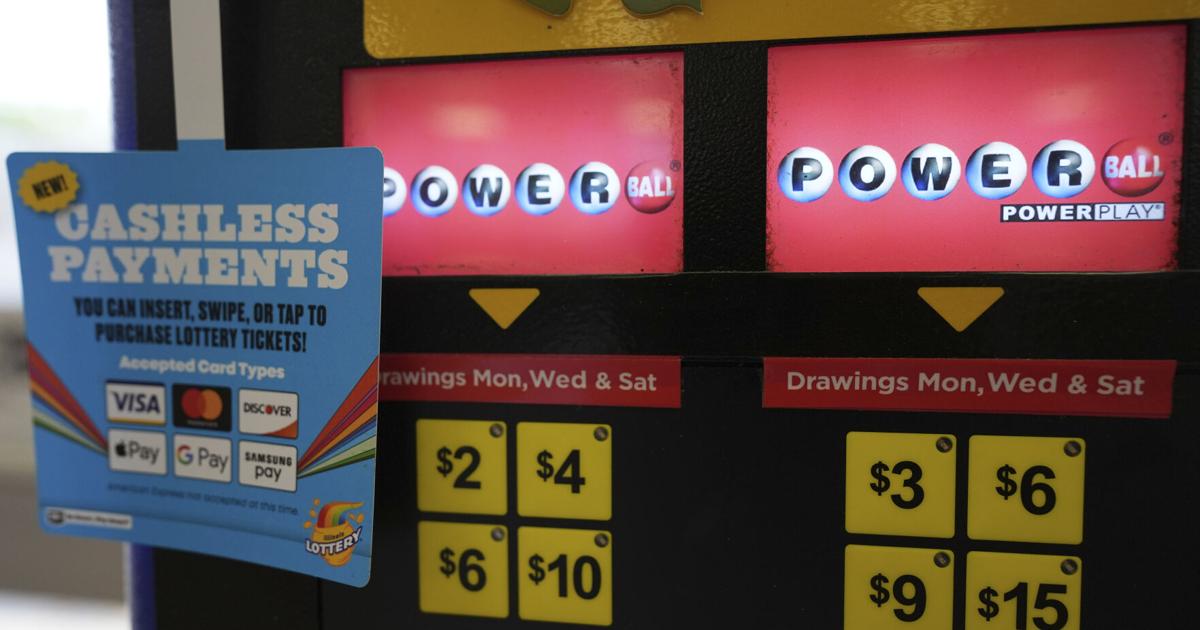














Overview
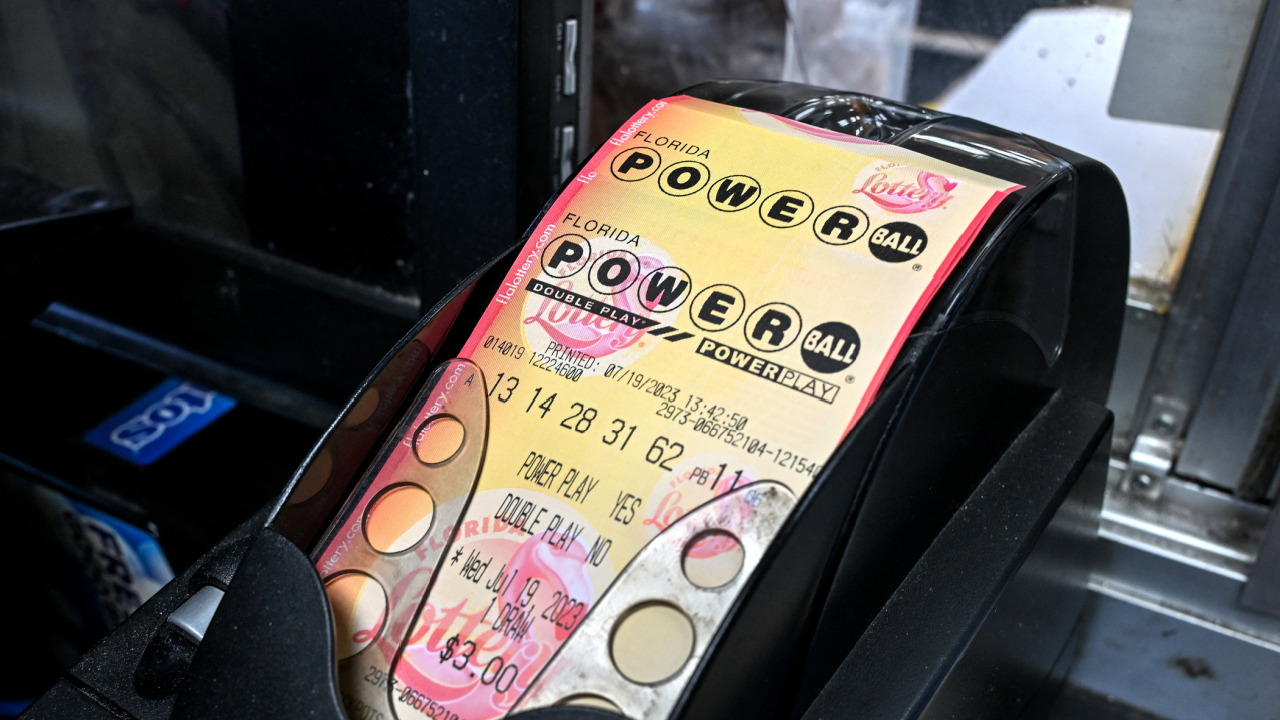
In an era of extraordinary financial speculation, the Powerball lottery reveals profound insights into collective economic psychology and risk perception. The current $1.1 billion jackpot represents more than a mere gambling opportunity—it's a complex social phenomenon that illuminates how humans process astronomical probabilities and financial dreams.
The statistical improbability is striking: with odds of 1 in 292.2 million, players are essentially purchasing a microscopic chance at transformative wealth. Since 2021, ten jackpots have exceeded $1 billion, suggesting a broader cultural shift in how society conceptualizes financial possibility. The recurring pattern of massive, unclaimed prizes—42 consecutive drawings without a grand winner—creates a compelling narrative of perpetual anticipation.
Economically, these mega-jackpots function as a form of distributed hope infrastructure. The $2 ticket price represents a minimal investment for an outsized psychological return: the brief, tantalizing moment of imagining complete financial liberation. The holiday season timing amplifies this effect, positioning the lottery as a potential miraculous intervention in personal economic narratives.
The structural design is psychologically brilliant: by maintaining astronomically low winning probabilities while periodically presenting life-changing sums, the lottery system creates a persistent engagement mechanism. The Power Play multiplier and varied prize tiers further sophisticate this engagement, offering multiple layers of potential reward that keep participants emotionally invested.
Critically, these massive jackpots reflect broader economic anxieties—a collective desire for sudden, transformative financial solutions in an increasingly complex economic landscape. The lottery becomes less about rational investment and more about purchasing a momentary escape from systemic economic constraints.
Questions 3
How do massive jackpots like $1.1 billion impact economic behavior?
These extraordinary prizes create a form of distributed hope infrastructure, temporarily suspending normal economic reasoning. They reflect collective economic anxieties and a desire for sudden, transformative financial solutions outside traditional wealth accumulation methods.
What psychological mechanisms make lottery participation compelling?
Lotteries leverage several psychological triggers: minimal investment cost, the Power Play multiplier offering varied reward tiers, holiday season timing, and the narrative of potential miraculous financial intervention. These elements create a persistent engagement mechanism that transcends pure mathematical probability.