


US Tech Worker Green Card Ban | Reshapes India-US Talent Flow & E-Commerce Operations
- Suspends 230,000+ H-1B visas and 100,000 green cards for 8 major tech firms; impacts 1M Indian workers and reshapes US tech talent supply chains






Overview
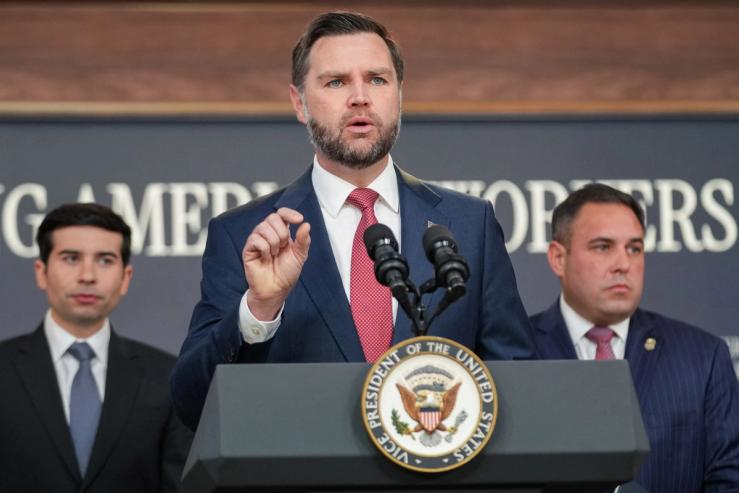
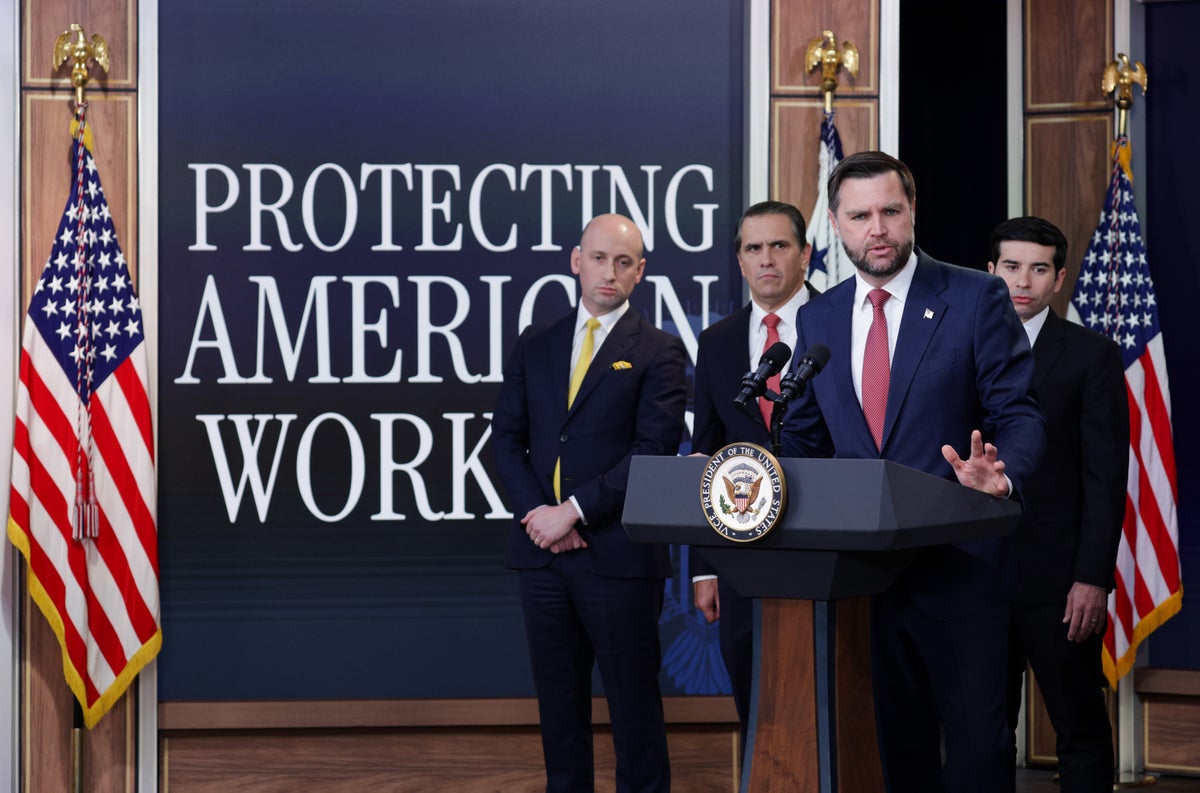
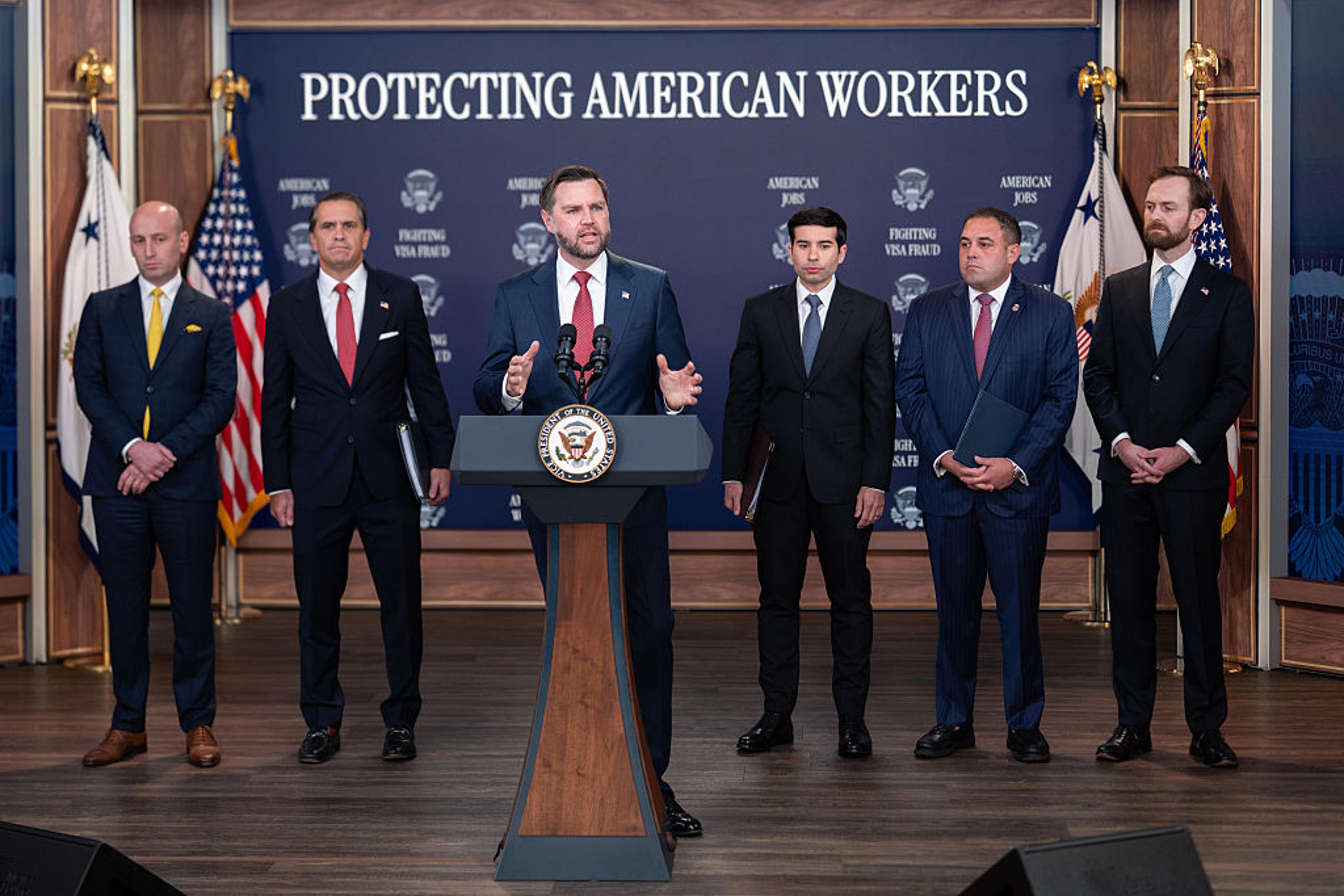
The Trump administration's indefinite suspension of Permanent Labour Certification (PERM) processing for Microsoft, Adobe, Cognizant, Infosys, Tata Consultancy Services, Wipro, HCL Technologies, and Capgemini represents a seismic shift in US tech labor policy with cascading implications for cross-border e-commerce operations. Vice President JD Vance announced the action citing Microsoft's 2024 layoff of 6,000 US workers while securing 6,300 H-1B visas and nearly 3,000 green cards as evidence of systemic abuse. Labour Secretary Keith Sonderling confirmed these 8 companies received over 230,000 H-1B visas and 100,000 permanent labour certifications since 2009, with Indian nationals comprising 70% of H-1B holders and 79% of the employment-based green card backlog.
For cross-border e-commerce sellers, this policy creates three critical operational impacts. First, the suspension directly affects India-based e-commerce service providers, software developers, and logistics tech specialists who support Amazon FBA operations, Shopify development, and supply chain management platforms. Nearly 1 million Indian workers on temporary US visas now face indefinite delays in permanent residency, creating talent retention risks for Indian IT outsourcing firms that power backend operations for US-based sellers. Companies like Infosys and Wipro—which process millions of e-commerce transactions through payment gateways, inventory systems, and fulfillment software—face workforce instability that could increase service costs by 15-25% as they invest in domestic Indian talent retention and training.
Second, this policy accelerates the shift of tech talent and service delivery from India to alternative markets. Sellers relying on Indian developers for custom Shopify themes, Amazon advertising automation, or supply chain optimization may experience 20-30% cost increases as Indian firms raise wages to retain talent domestically. This creates arbitrage opportunities for sellers to shift development work to Vietnam, Philippines, or Eastern Europe where tech talent costs remain 30-40% lower. Companies like Cognizant and HCL Technologies—major providers of e-commerce logistics software and payment processing—will likely increase nearshoring to Mexico and Latin America, creating new service provider options for US-based sellers.
Third, the policy signals broader US labor protectionism that will reshape e-commerce supply chains. The suspension reflects the Trump administration's commitment to prioritizing American workers, which extends beyond tech to manufacturing, logistics, and fulfillment operations. Sellers should anticipate increased scrutiny of foreign-owned 3PL providers, potential tariffs on India-sourced software services, and pressure to localize fulfillment operations. This creates competitive advantages for US-based sellers with domestic fulfillment networks and disadvantages for sellers heavily dependent on Indian tech outsourcing for competitive advantage.
Questions 8
Which e-commerce service providers are most affected by the green card suspension?
The 8 suspended companies—Microsoft, Adobe, Cognizant, Infosys, Tata Consultancy Services, Wipro, HCL Technologies, and Capgemini—collectively received 230,000+ H-1B visas and 100,000 green card certifications since 2009. Infosys, Wipro, and TCS are particularly critical for e-commerce sellers because they operate payment gateways, inventory management systems, and supply chain software used by thousands of Amazon and Shopify sellers. The suspension directly impacts their ability to retain skilled workers, which will increase service costs and potentially degrade service quality. Sellers should audit their dependencies on these firms' services and develop contingency plans with alternative providers.
How does the H-1B green card suspension affect Amazon FBA sellers using Indian tech support?
The suspension of PERM processing for companies like Infosys and Wipro—which provide backend support for Amazon FBA inventory management, pricing automation, and fulfillment optimization—creates immediate talent retention risks. These firms employ thousands of H-1B workers who now face indefinite green card delays, increasing their domestic wage pressure by 15-25% to retain talent. Sellers relying on Indian developers for custom FBA tools should expect 20-30% cost increases within 6-12 months and should begin evaluating alternative providers in Vietnam, Philippines, or Eastern Europe where tech talent costs remain 30-40% lower. The policy effectively makes India-based outsourcing more expensive, shifting the cost-benefit calculation for sellers using offshore development.