


PepsiCo Price Increases 2026 | Snack & Beverage Sellers Face Margin Compression
- Single-digit price hikes on Doritos, Ruffles, SunChips effective post-October 2026; tariffs and supply chain costs squeeze CPG seller margins 3-8% across North American e-commerce channels



Overview
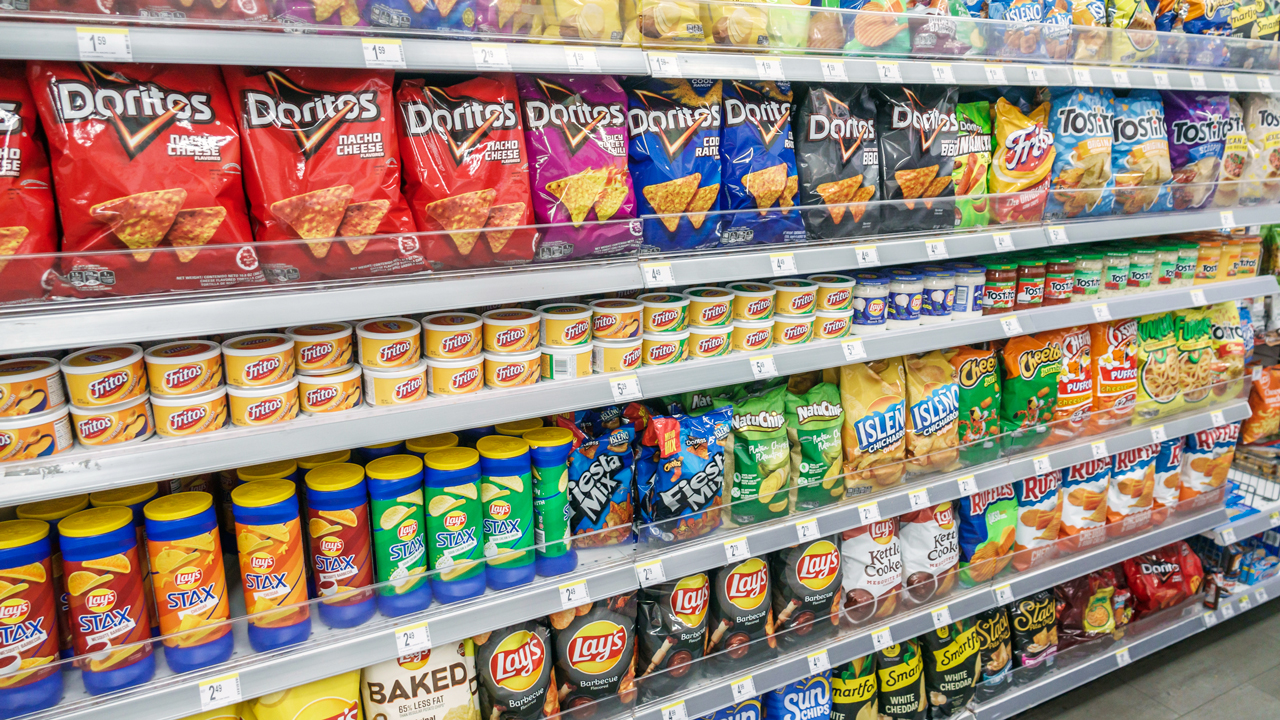
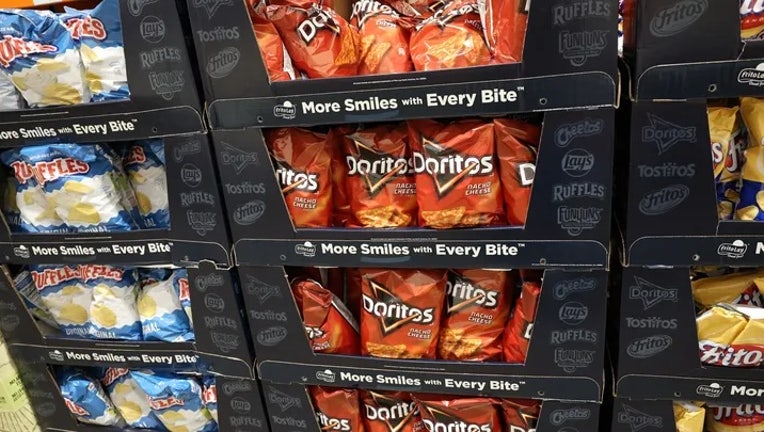
PepsiCo's strategic pricing reversal signals critical margin pressure for cross-border e-commerce sellers sourcing snack and beverage products. The company announced single-digit price increases on flagship brands including Doritos, Ruffles, SunChips, and sodas effective immediately following October 2026, reversing a February 2026 price-cut strategy that reduced prices by up to 15% on Lay's and Doritos. CEO Ramon Laguarta attributed increases to rising costs for fuel, aluminum, and agricultural supplies, with tariffs and geopolitical tensions (Iran conflict) cited as primary drivers. Critically, prices will remain below early-2026 levels, but the directional shift signals sustained input cost inflation.
For Amazon FBA, Walmart Marketplace, and Shopify sellers, this creates immediate margin compression challenges. Sellers who sourced PepsiCo products at February 2026 discounted wholesale prices now face higher acquisition costs without corresponding retail price flexibility. The news reveals that despite earlier price cuts, PepsiCo's North American division reported weaker Q3 results—Frito-Lay snack volumes remained flat year-over-year while beverage volumes declined 2%. This indicates consumer price sensitivity remains elevated, limiting sellers' ability to pass through cost increases to end customers. Sellers operating on thin margins (5-12% typical for CPG categories) will experience 3-8% margin compression if they maintain current retail pricing.
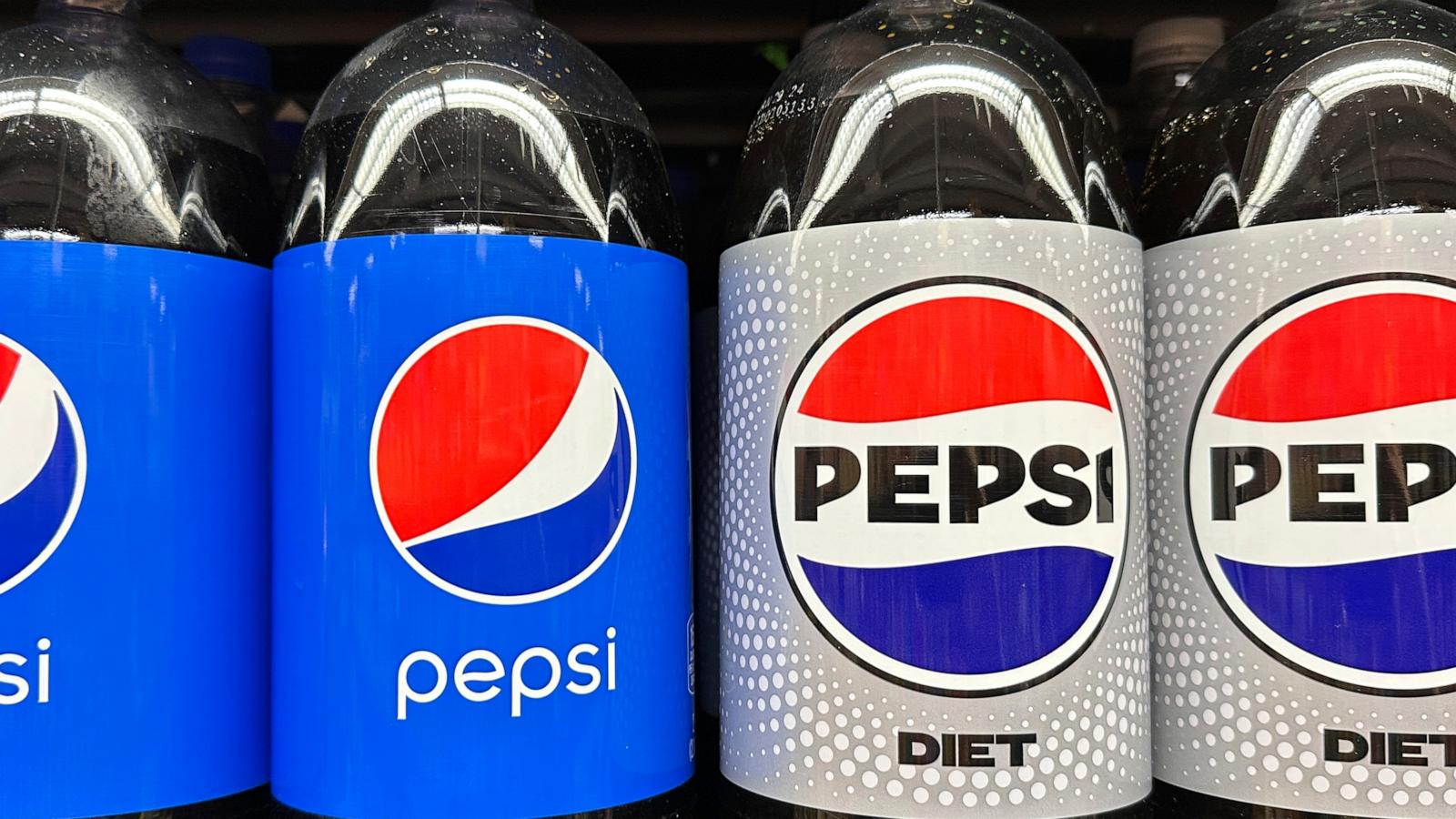
The broader supply chain context amplifies risk for sellers in food/beverage categories. PepsiCo's reinvestment of cost-cutting measures into premium brands (Poppi, Mountain Dew, Pepsi) signals a two-tier strategy: defending volume in core categories while investing in higher-margin premium segments. This creates category-specific opportunities and threats. Sellers of mainstream snacks face volume pressure and margin squeeze, while sellers positioned in premium/functional beverage segments (Poppi, energy drinks) may benefit from brand investment and category growth. Cross-border sellers importing PepsiCo products from Asia-Pacific or Latin America face additional tariff exposure, potentially adding 8-15% to landed costs depending on origin country and current trade agreements.
Actionable implications span inventory, pricing, and category strategy. Sellers must immediately audit current inventory costs against wholesale price lists (effective post-October 2026) to model margin impact. Those with 60+ days of inventory at old pricing face potential 3-5% margin loss on clearance. Strategic sellers should consider shifting mix toward premium/functional beverage brands where PepsiCo is investing marketing support, and evaluate private-label snack alternatives to reduce brand-specific cost exposure. Monitor competitor pricing on Amazon and Walmart to identify arbitrage windows before broader market repricing occurs.
Questions 8
How much will PepsiCo price increases impact my snack seller margins?
PepsiCo's single-digit price increases (effective post-October 2026) will compress margins 3-8% for sellers maintaining current retail prices. If you source Doritos, Ruffles, or SunChips at wholesale, expect acquisition costs to rise while consumer demand remains price-sensitive (evidenced by PepsiCo's flat Frito-Lay volumes despite February 2026 price cuts). Sellers with 60+ days of inventory at old wholesale pricing face immediate margin loss on clearance. Calculate your current wholesale cost per unit and compare against post-October 2026 pricing lists from your distributor to quantify impact. Sellers in the 5-12% margin range typical for CPG categories should model worst-case scenarios where retail prices cannot increase proportionally.
What tariff risks should cross-border sellers monitor?
PepsiCo cited tariffs and the Iran conflict as cost drivers, indicating elevated trade uncertainty. Cross-border sellers importing snacks/beverages from Asia-Pacific or Latin America face 8-15% additional landed cost exposure depending on origin country and current trade agreements. Monitor USTR tariff tracker and trade.gov for updates on food/beverage tariff codes (HTS 1905-2106 range). If sourcing from China, Vietnam, or Mexico, verify current tariff rates and build 10-15% buffer into cost models. Consider diversifying sourcing to tariff-advantaged origins (USMCA countries, GSP-eligible nations) to hedge against further increases. Review landed cost quarterly as tariff policy evolves.