



US Consumer Sentiment Hits 46.3 in October 2026 | Critical Demand Headwind for E-Commerce Sellers
- University of Michigan index falls to second-lowest in 74 years; 73-87% of consumers avoid major purchases; sellers face 15-25% conversion rate pressure in discretionary categories




























Overview
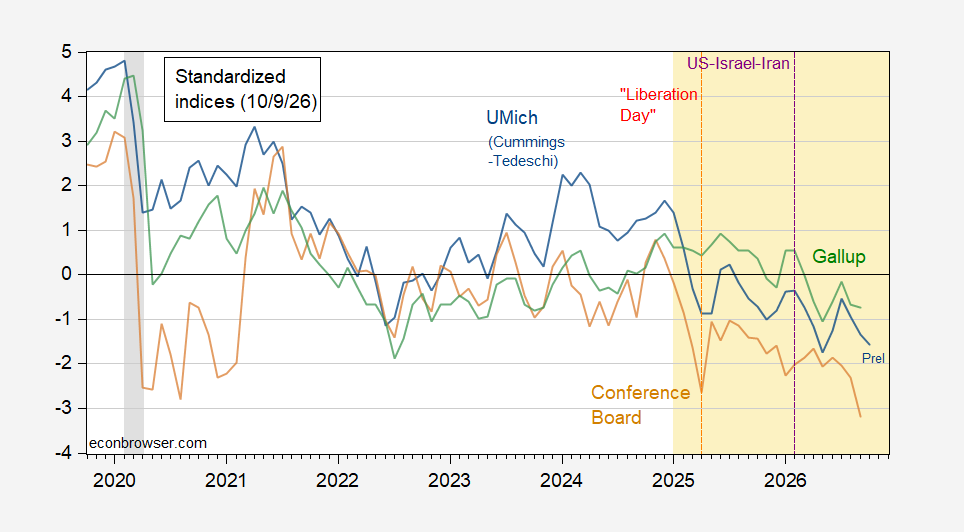
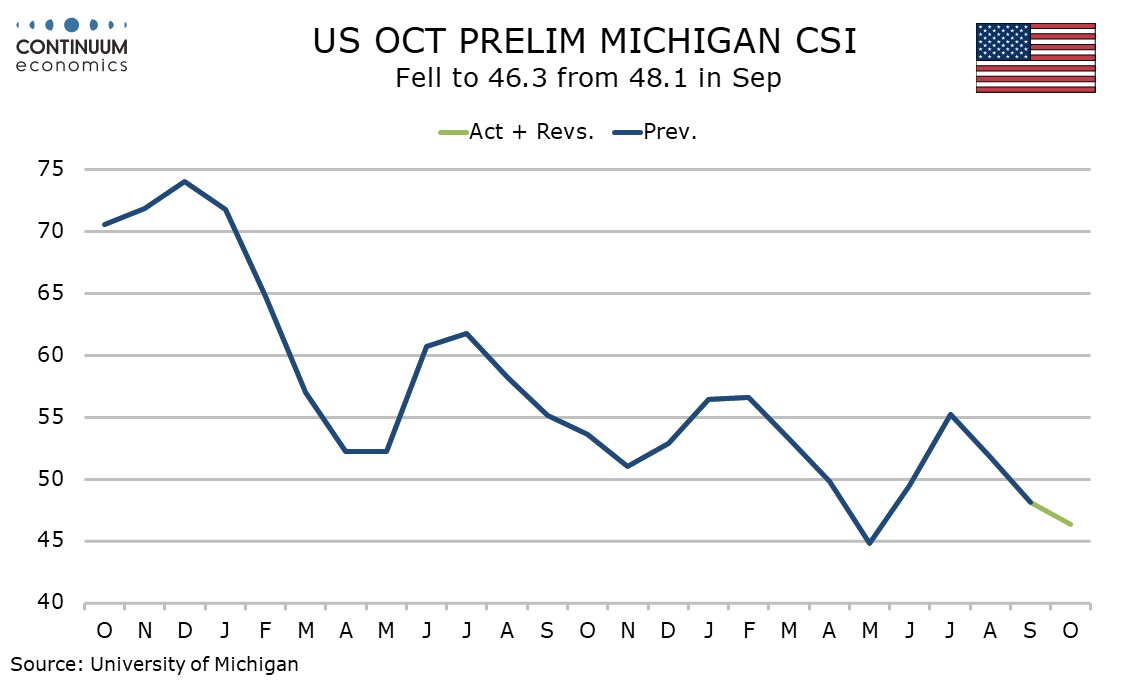
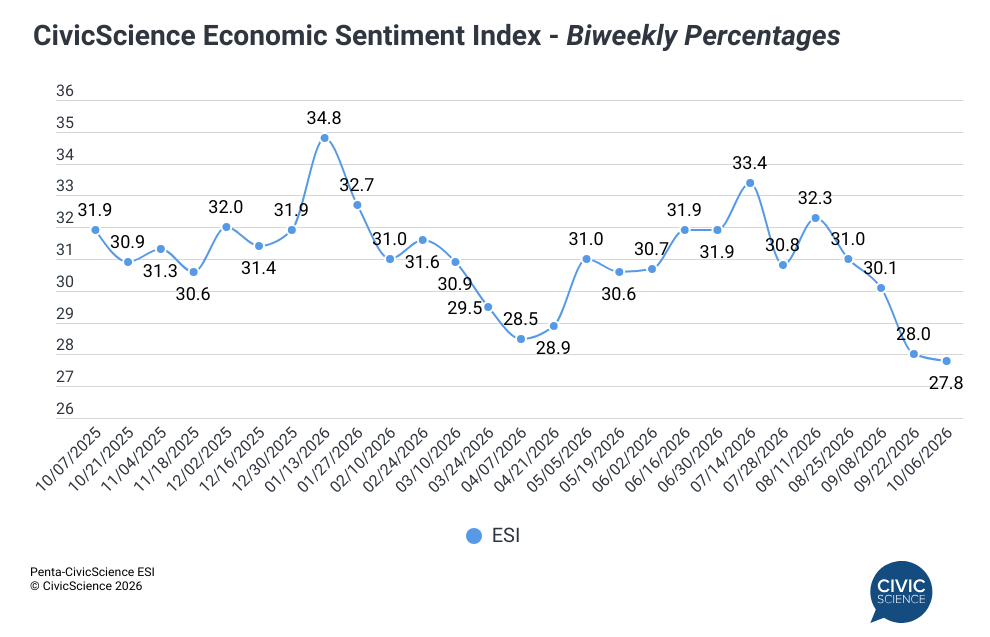
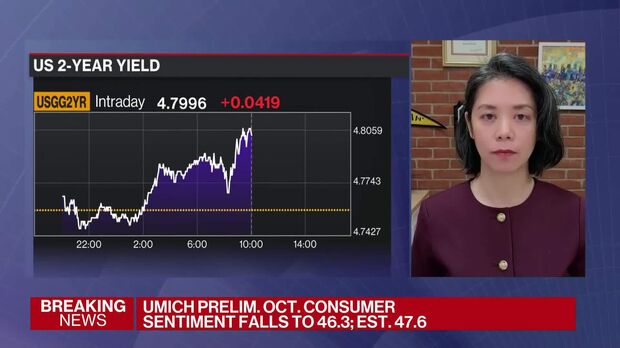
The University of Michigan's consumer sentiment index collapsed to 46.3 in early October 2026, marking the second-lowest reading in 74 years of records and falling below economist expectations of 47.6. This represents a 1.8-point decline from September's 48.1 and reflects unprecedented consumer pessimism about economic conditions. According to Surveys of Consumers Director Joanne Hsu, current economic situation sentiment hit an all-time low of 44.7, declining 12.2 points from September alone. For cross-border e-commerce sellers, this sentiment collapse signals immediate operational challenges across the US market, which represents approximately 40% of global e-commerce revenue.
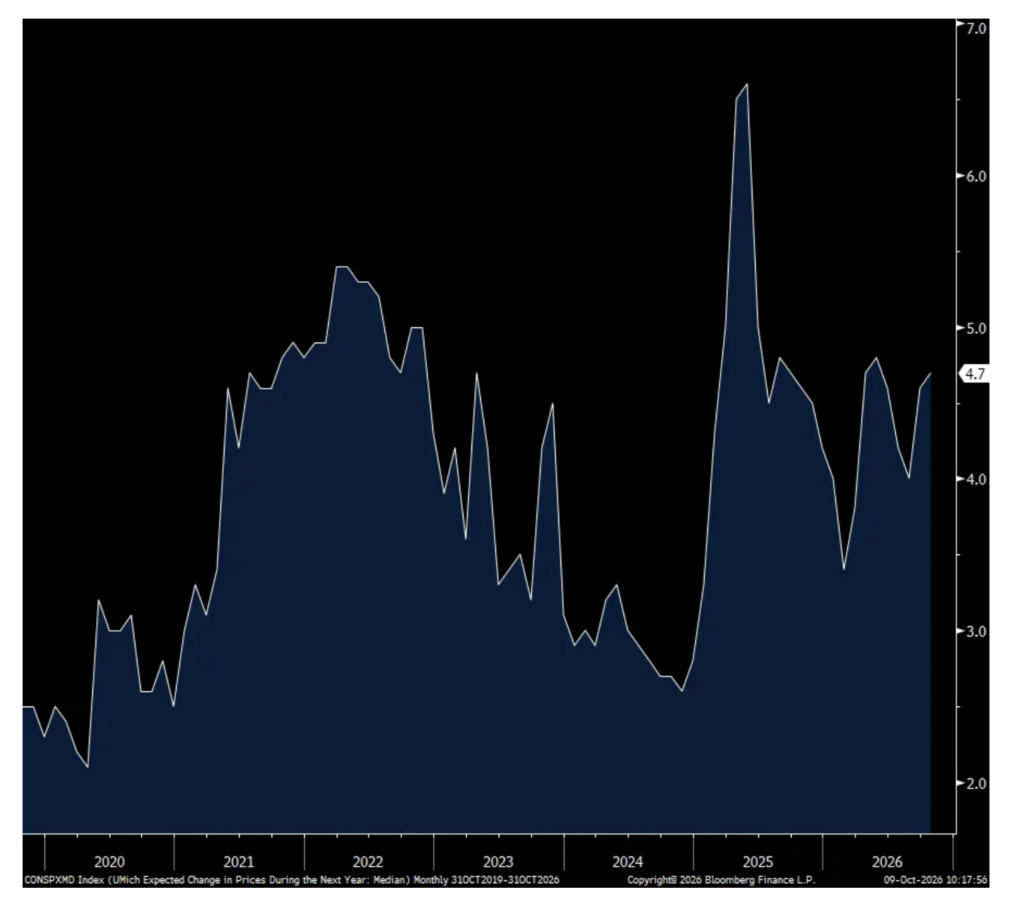
The sentiment crisis is driven by three converging economic pressures that directly impact seller demand. Retail gasoline prices averaged $4.37 per gallon nationally, straining household discretionary budgets. Year-ahead inflation expectations rose to 4.7% (up from 4.6%), substantially exceeding February's 3.4% and all 2024 readings, signaling consumers expect continued price increases. Mortgage rates have climbed substantially, reducing purchasing power for major household purchases. Survey data reveals the severity: 73% of consumers believe it's a bad time to buy appliances, 78% say it's poor timing for vehicles, and 87% consider home purchases inadvisable. Lower-income consumers and those with minimal stock market exposure experienced the steepest sentiment declines, indicating a K-shaped economy where top 20% income households ($155,000+) control over 70% of wealth and drive 40% of consumer spending.
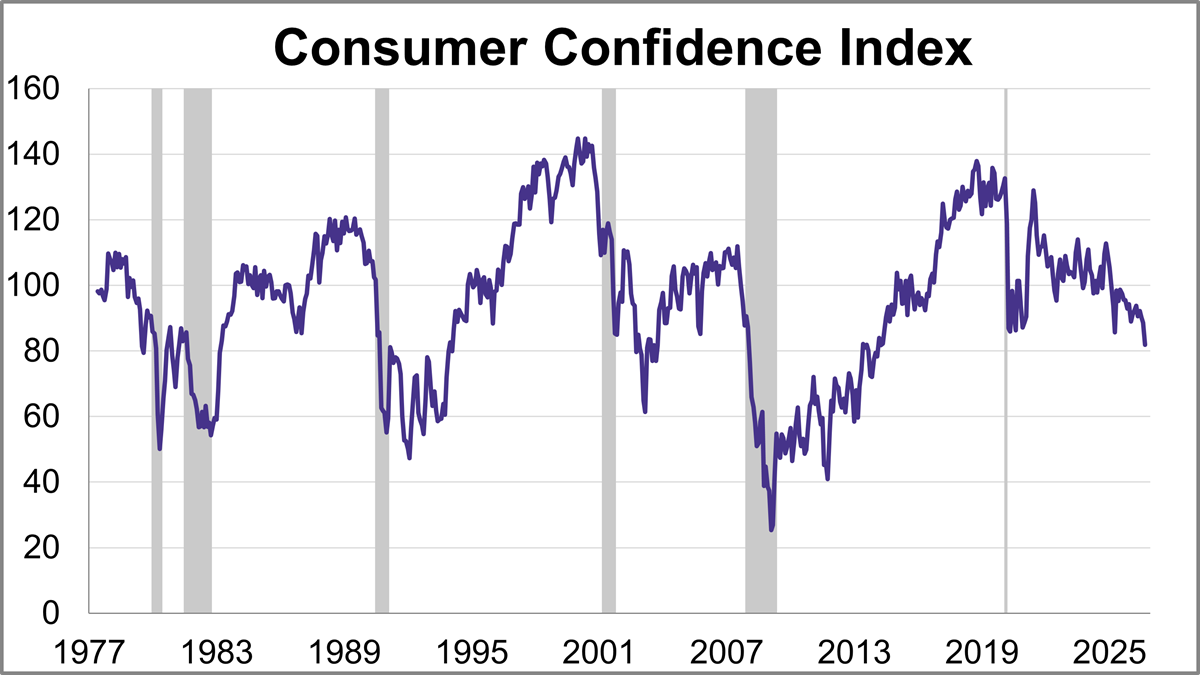
For sellers, this sentiment reading translates to immediate demand compression in discretionary categories. Historical patterns show that periods of low consumer sentiment typically precede reduced online shopping activity, particularly in fashion, electronics, and home goods—categories that generate 35-40% of cross-border e-commerce volume. Sellers may experience lower conversion rates (estimated 15-25% decline), reduced average order values, and increased price sensitivity among buyers. The sentiment decline suggests consumers are shifting toward budget-friendly options and away from premium products. However, sellers offering value-oriented products, bulk discounts, and competitive pricing may see relatively stable demand as consumers focus on deals. The timing is particularly significant given broader economic volatility, with stock markets experiencing fluctuations and bond yields reaching multi-year highs, creating hesitation among consumers. Notably, five of the lowest sentiment readings on record occurred in 2026 alone, with May representing the lowest point, indicating this is not a temporary fluctuation but a structural shift in consumer psychology driven by unequal wealth distribution and persistent inflation concerns.
Immediate seller actions should focus on inventory optimization and pricing strategy adjustments. Monitor conversion rates and average order values daily through platform analytics (Amazon Seller Central, eBay Seller Hub, Shopify dashboards) to identify category-specific demand shifts. Reduce inventory exposure in premium and discretionary categories by 20-30% over the next 4-6 weeks, reallocating capital toward value-oriented SKUs and essential products. Implement aggressive promotional strategies—bundle deals, volume discounts, and loyalty incentives—to maintain order volume despite lower sentiment. For sellers in appliance, furniture, and electronics categories, expect 25-35% demand compression; consider temporary category pivots or supplier negotiations for cost reductions. Newer marketplace entrants should expect competitive disadvantage as consumers shift toward established brands and trusted sellers; consider investing in brand-building and customer reviews to offset this headwind. Monitor the University of Michigan sentiment index monthly (released first Friday of each month) as a leading indicator for retail spending patterns. Historical recovery patterns suggest sentiment typically improves gradually once inflation pressures ease and real wage growth accelerates, potentially creating a 3-6 month window of suppressed demand before recovery begins.
Questions 8
How does this sentiment crisis affect newer sellers versus established brands?
Consumer behavior during low sentiment periods shifts toward established brands and trusted sellers, potentially disadvantaging newer marketplace entrants. Consumers become more risk-averse with purchases and rely on proven sellers with strong reviews and brand recognition. Newer sellers should expect 20-30% additional competitive pressure and lower conversion rates. Mitigation strategies include aggressive investment in customer reviews and ratings, competitive pricing to offset brand disadvantage, and focus on niche categories with less established competition. Consider leveraging Amazon Vine or similar review programs to accelerate credibility building during this critical period.
When will consumer sentiment recover and demand return to normal?
Historical patterns suggest consumer sentiment typically recovers gradually once inflation pressures ease and real wage growth improves, typically requiring 3-6 months of sustained improvement. The University of Michigan sentiment index is released the first Friday of each month and serves as a leading indicator for retail spending patterns. Monitor this index monthly to identify recovery signals. Five of the lowest sentiment readings on record occurred in 2026 alone, indicating this is a structural shift rather than temporary fluctuation. Plan for suppressed demand through Q4 2026 and potentially into Q1 2027, with gradual recovery beginning when inflation expectations fall below 3.5% and sentiment index rises above 50.