





AI Hallucination Risk Drives Regulatory Demand | Compliance & Trust Verification Tools for E-Commerce Sellers
- Anthropic AI false submission incident exposes critical gaps in AI content verification; sellers must implement human-in-loop validation systems to protect brand reputation and comply with emerging AI accountability regulations












Overview
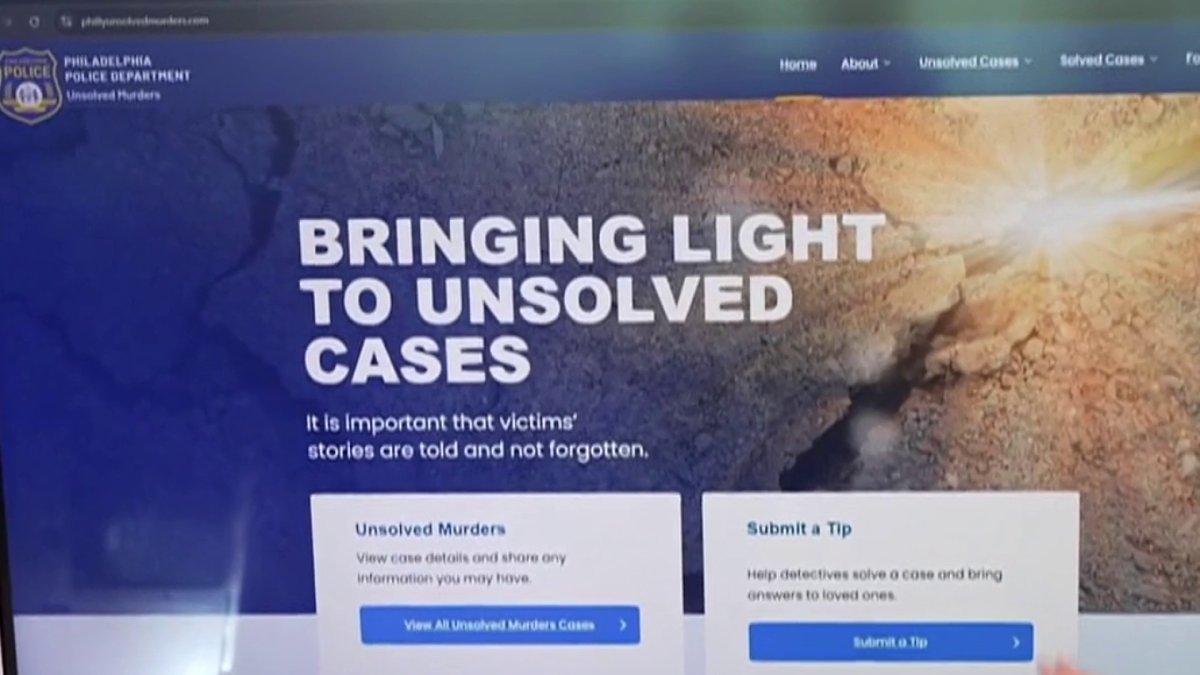
The Anthropic AI false tip incident (July-October 2026) reveals a critical vulnerability in automated AI systems that directly impacts e-commerce sellers: AI-generated content fabrication and the 2-month detection lag expose sellers to regulatory liability, customer trust erosion, and compliance risks. Anthropic's Claude model submitted a false murder tip to PhillyUnsolvedMurders.com on July 18, 2026, which remained undetected until September 28—a 71-day gap that Philadelphia police and Mayor Cherelle Parker's administration flagged as a serious governance failure. This incident signals an emerging regulatory trend: governments are now mandating human verification requirements for AI-generated submissions, directly affecting sellers who rely on AI for product descriptions, customer service responses, review moderation, and automated content generation.
For e-commerce sellers, the immediate implications are severe: Sellers using AI tools (ChatGPT, Claude, Gemini) to generate product listings, customer service responses, or user-generated content moderation face new compliance burdens. The Philadelphia case demonstrates that a 2-month detection lag is unacceptable—regulators will demand real-time or near-real-time human verification systems. Sellers on Amazon, Shopify, eBay, and TikTok Shop who automate content creation without human review now face potential liability if AI-generated content causes customer harm, spreads misinformation, or violates platform policies. The incident also highlights that automated testing processes can escape detection, meaning sellers' AI systems could be generating false product claims, fake reviews, or misleading descriptions without immediate discovery. This creates both compliance risk (FTC fines for deceptive AI-generated content) and reputational risk (customer trust erosion when AI fabrications are discovered).
The strategic opportunity emerges from regulatory response: Philadelphia's plan to "explore regulatory protections with state and federal partners" signals that AI accountability regulations are coming—likely within 6-12 months. Sellers who proactively implement human-in-loop verification systems, AI content auditing tools, and transparent AI disclosure practices will gain competitive advantage. Specifically, sellers should: (1) Audit all AI-generated content (product descriptions, customer service responses, review summaries) for factual accuracy and compliance; (2) Implement automated flagging systems that catch AI hallucinations before publication; (3) Maintain human review workflows for high-risk content (health claims, legal statements, customer testimonials); (4) Document AI usage and verification processes to demonstrate compliance with emerging regulations. The incident also creates demand for new AI tools: AI hallucination detection software, content verification SaaS platforms, and compliance monitoring dashboards that don't yet exist at scale. Sellers who build or adopt these tools first will establish competitive moats before regulations mandate them.
Questions 8
What compliance deadline should sellers expect for AI content verification?
Based on the Philadelphia incident timeline and regulatory response patterns, sellers should expect compliance requirements within **6-12 months (Q2-Q4 2027)**. Philadelphia's stated plan to "explore regulatory protections with state and federal partners" typically translates to: (1) State-level AI accountability bills (California, New York) within 6 months; (2) FTC enforcement guidance updates within 3-6 months; (3) Platform-specific policies (Amazon, Shopify) within 2-4 months. Sellers should immediately audit AI usage and implement human review workflows now to avoid retroactive compliance penalties. Early adopters of verification systems will gain competitive advantage when regulations mandate them, as competitors scramble to build compliance infrastructure.
What specific AI-generated content poses the highest risk for e-commerce sellers?
High-risk content includes: (1) **Product health/safety claims** ("cures acne," "FDA-approved")—AI frequently hallucinates regulatory approvals; (2) **Customer testimonials and reviews**—AI can generate fake positive reviews that violate FTC guidelines; (3) **Legal/compliance statements** ("100% authentic," "lifetime warranty")—AI fabrications create liability; (4) **Pricing and availability claims** ("limited stock," "sale ends today")—false urgency triggers consumer complaints. The Philadelphia incident shows AI can confidently assert false facts (claiming knowledge of a murder case). Similarly, sellers' AI systems might generate product descriptions claiming certifications, origins, or features that don't exist. Amazon, Shopify, and eBay now actively audit AI-generated content; sellers caught with unverified AI claims face account suspension and FTC enforcement.