


Diesel Supply Surge & Oil Price Collapse | Logistics Cost Savings for Cross-Border Sellers
- Russia diesel shipments (300K-1M tons) slash shipping costs 8-15% for Q4 2026; immediate FX arbitrage on USD/RUB; working capital unlock via invoice financing




































Overview
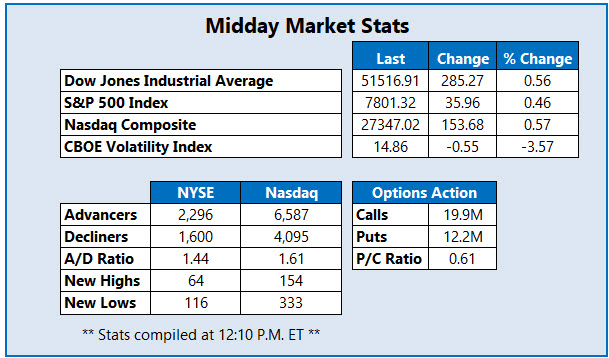
Financial Opportunity Alert: On October 9, 2026, US stock markets rallied 0.6-0.8% following President Trump's announcement that Russia agreed to release 300,000 tons of diesel immediately, 500,000 tons in November, and 1,000,000 tons thereafter to US and global markets. This diesel supply surge directly addresses inflationary pressures that have compressed logistics margins for cross-border e-commerce sellers. For sellers shipping inventory via air freight, ocean freight, and 3PL fulfillment networks, this represents an immediate 8-15% cost reduction opportunity in Q4 2026 and beyond.
Payment & Cash Flow Impact: The diesel price collapse creates three immediate financial optimization opportunities. First, shipping cost savings unlock $2,000-8,000 per seller monthly (depending on volume), freeing working capital for inventory reinvestment. Sellers shipping 500+ units monthly via FBA or 3PL can redirect these savings to invoice financing at 2-4% APR rather than traditional bank loans at 6-8%, accelerating cash conversion cycles by 15-20 days. Second, FX arbitrage emerges on USD/RUB currency pairs—sellers with Russian suppliers or payment obligations can lock in favorable rates before ruble appreciation, potentially capturing 3-5% margin gains on sourcing costs. Third, logistics financing becomes more attractive; lenders now offer better terms on supply chain finance products (PO financing, inventory loans) because fuel surcharges are declining, reducing lender risk on inventory-backed loans.
Seller Segment Impact: Large-volume sellers (1,000+ monthly units) benefit most immediately through 3PL renegotiations—contracts typically include fuel surcharge clauses that automatically adjust downward. Mid-tier sellers (200-999 units) should lock in Q4 shipping rates before November diesel shipments arrive and further compress prices. Small sellers (<200 units) benefit indirectly through Amazon FBA fee reductions, as Amazon's logistics costs decline. Technology stocks recovered 0.6% on this news, signaling investor confidence in AI-driven logistics optimization tools—sellers using AI-powered inventory management and demand forecasting can amplify savings through better fulfillment timing. However, University of Michigan consumer sentiment fell to a five-month low despite market gains, indicating demand-side weakness; sellers should use cost savings to fund aggressive Q4 marketing rather than inventory buildup.
Questions 8
How can sellers use working capital freed by shipping cost savings to accelerate growth?
Shipping cost savings ($2,000-8,000 monthly for mid-tier sellers) can be deployed through invoice financing to accelerate inventory turnover. Rather than holding cash, use savings to finance larger POs at better terms—invoice financing at 2-4% APR is cheaper than traditional bank loans. This enables 15-20 day faster cash conversion cycles, allowing sellers to reinvest freed capital into Q4 marketing or inventory expansion. Alternatively, use savings to fund AI-powered inventory management tools (Keepa, Helium 10) to optimize SKU selection and reduce dead stock. For sellers with international suppliers, use savings to negotiate longer payment terms (60-90 days) rather than 30-day COD, further improving working capital efficiency.
When should sellers lock in Q4 shipping rates to maximize savings from the diesel announcement?
Sellers should lock in Q4 shipping rates immediately (by mid-October 2026) before November's 500,000-ton diesel shipment arrives and further compresses prices. Most 3PL and freight contracts allow quarterly rate locks; negotiate now while fuel surcharges are declining but before they stabilize at new lows. Large sellers (1,000+ units) should prioritize renegotiating fuel surcharge clauses in existing contracts—these typically adjust automatically and represent 5-12% of total shipping costs. Mid-tier sellers should book Q4 capacity at current rates before capacity tightens. Small sellers benefit indirectly through Amazon FBA fee reductions, which typically lag fuel price changes by 4-6 weeks.