
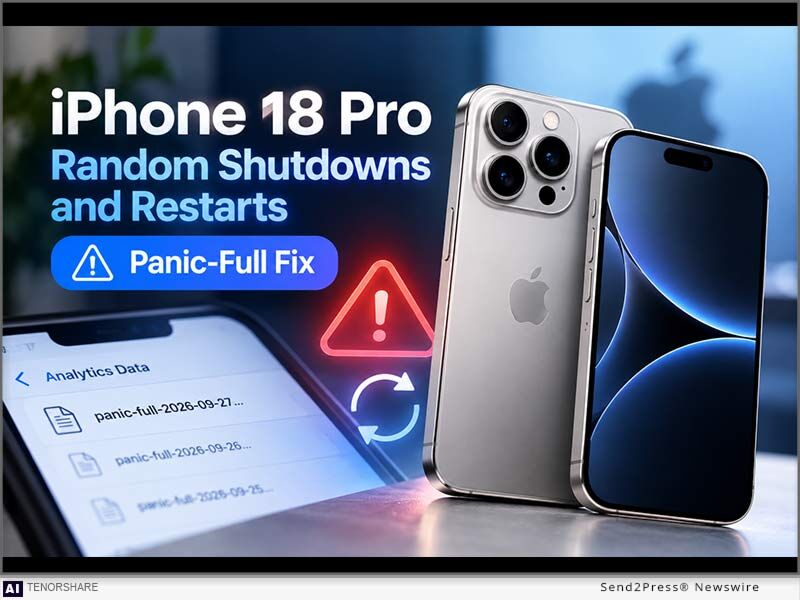

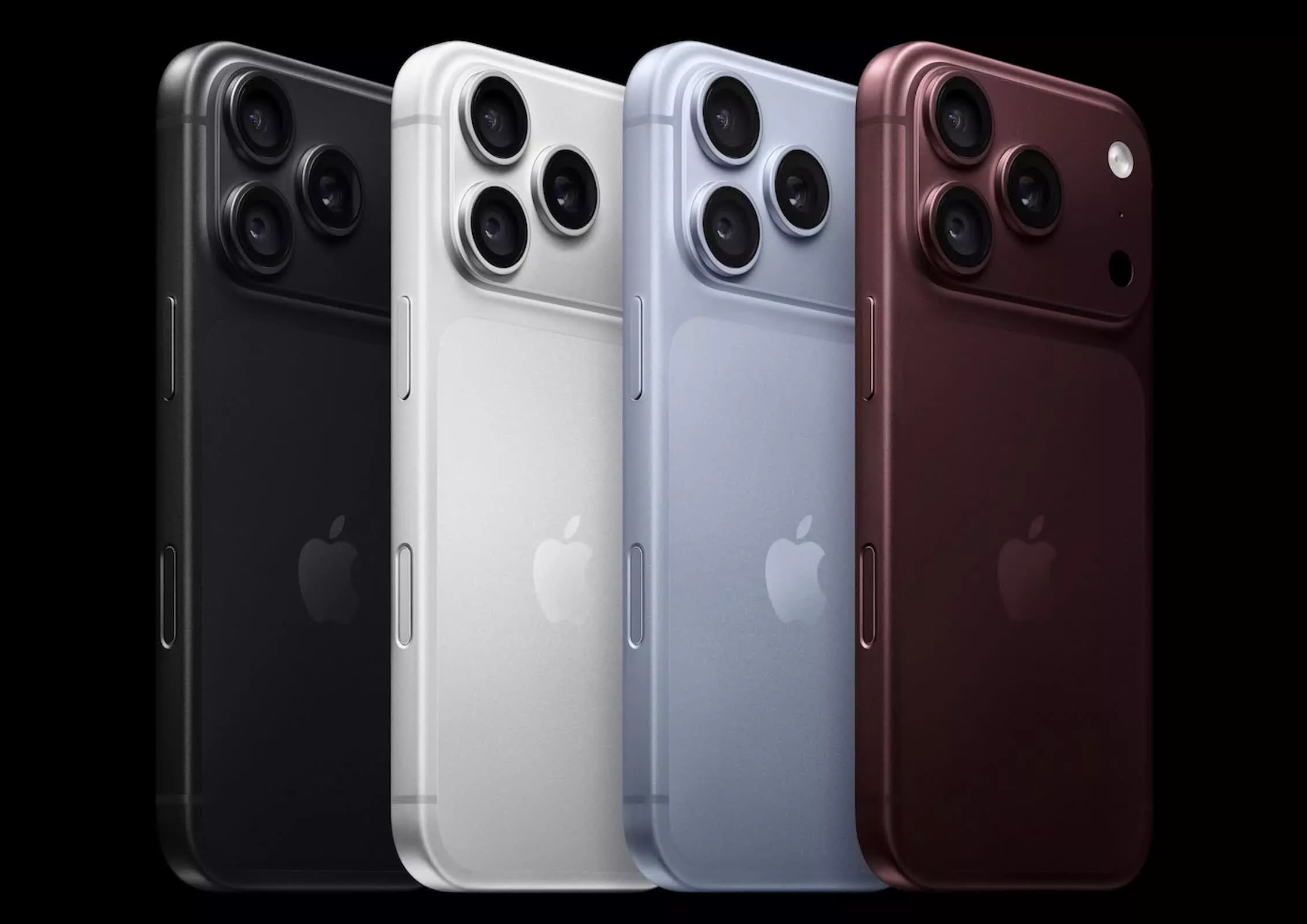

iPhone 18 Pro Max Defect Creates Refurbished Device & Repair Service Opportunities
- Thousands of AT&T customers face mandatory hardware replacement; sellers can capitalize on refurbished inventory, repair services, and protective accessories demand surge






Overview
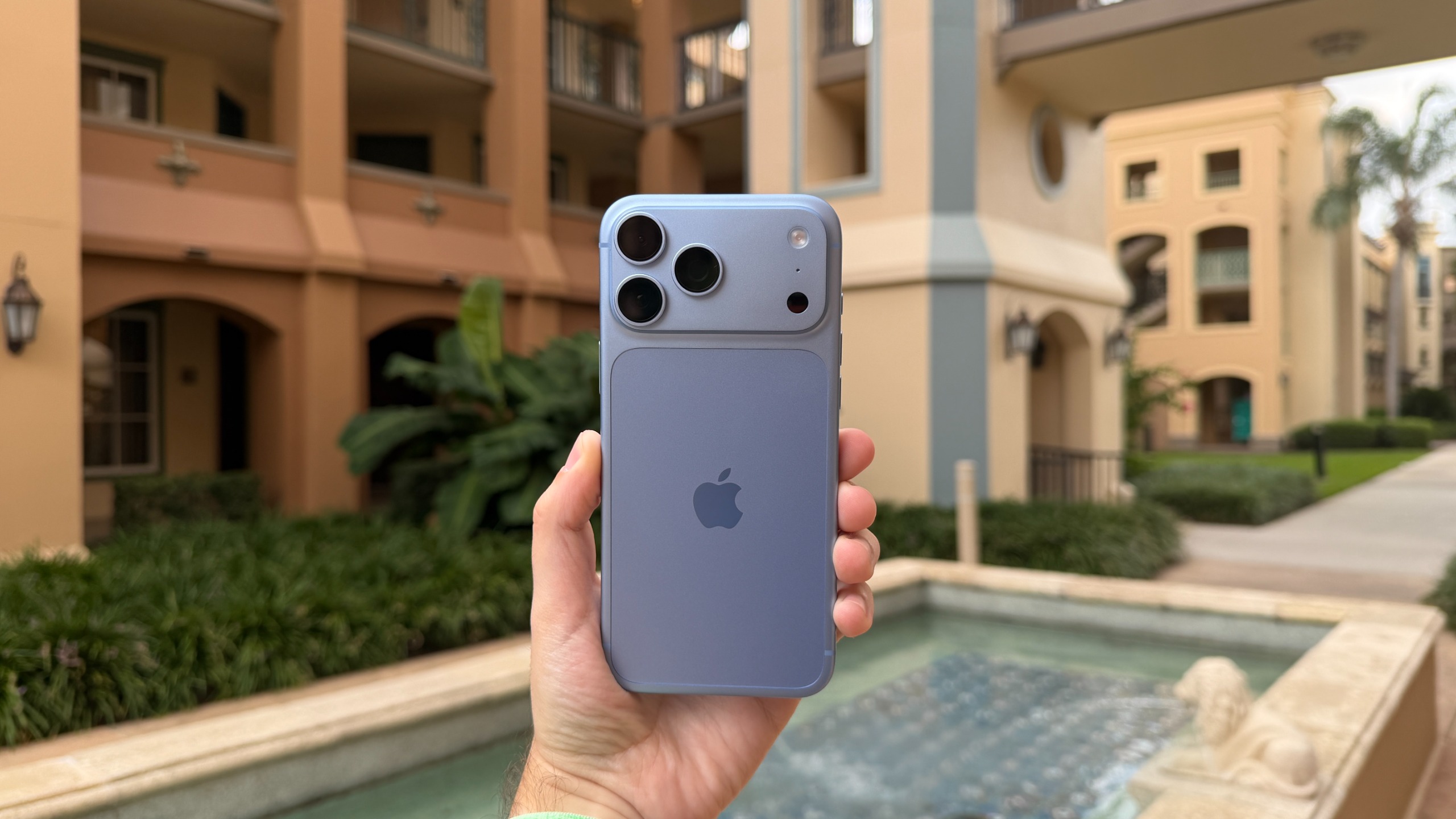
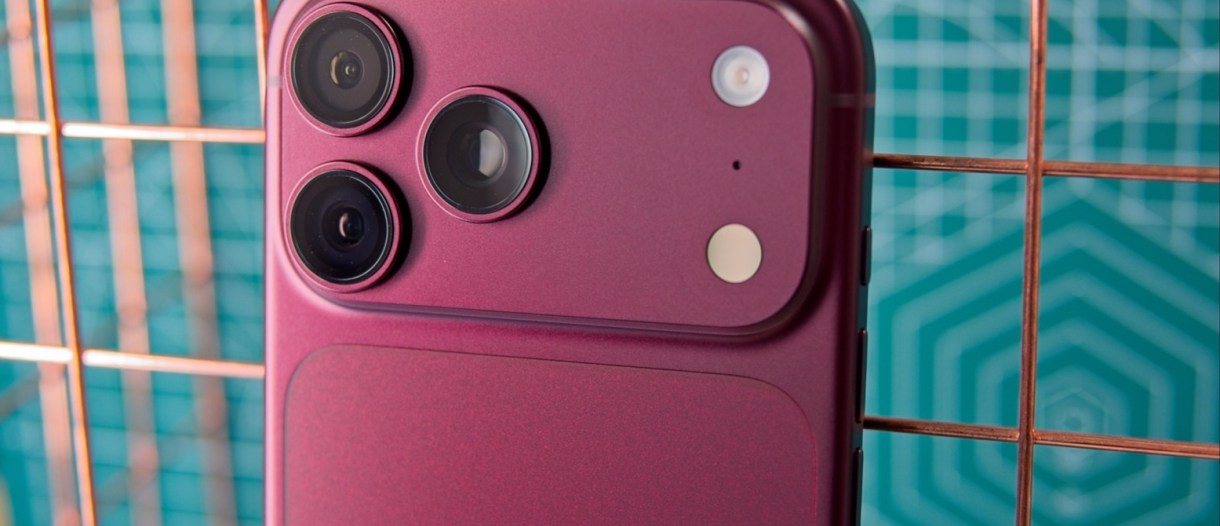
Apple's iPhone 18 Pro Max connectivity failure affecting AT&T customers represents a significant compliance and product quality issue with direct e-commerce implications. The defect, which emerged after the September 18 launch at $1,299, forced thousands of devices into SOS mode and rendered them non-functional for calls, texts, and data—a critical failure that triggered mandatory hardware replacement rather than software remediation. Apple's iOS 27.0.1 update released October 1 could only prevent future issues but cannot restore already-disconnected devices, creating a massive inventory of defective units requiring replacement.
Compliance and Regulatory Implications: This incident exemplifies product liability and consumer protection compliance failures. The defect affects only AT&T devices while Verizon and T-Mobile iPhone 18 Pro Max units remain unaffected, indicating a carrier-specific integration issue. This creates a compliance barrier: sellers offering refurbished or replacement iPhone 18 Pro Max units must now verify carrier compatibility and provide explicit AT&T-specific disclaimers. The FTC and state attorneys general will likely scrutinize Apple and AT&T's disclosure practices, potentially establishing precedent for mandatory defect disclosure timelines in electronics sales.
E-Commerce Seller Opportunities: The replacement cycle creates three distinct market opportunities. First, refurbished device inventory: Apple's replacement program will generate thousands of defective units that can be refurbished and sold at 30-40% discounts through Amazon Renewed, eBay, and Swappa. Sellers must obtain proper certification and provide transparent carrier compatibility information. Second, protective accessories surge: Customers replacing devices will purchase cases, screen protectors, and chargers—categories typically see 15-25% demand spikes following major device issues. Third, repair service demand: Third-party repair shops can capture customers seeking faster replacements than Apple's official channels, particularly for out-of-warranty devices.
Compliance Requirements for Sellers: Any seller offering iPhone 18 Pro Max units (new or refurbished) must now include explicit carrier compatibility warnings in listings. Amazon requires ASIN-level compliance documentation for electronics with known defects. Sellers must maintain records of device testing and carrier verification. The pattern of repeated Apple hardware issues (iPhone 14 Plus camera problems in 2024, iPhone 12 audio issues in 2021) suggests regulatory bodies may impose stricter pre-launch testing requirements, creating compliance costs that disadvantage smaller sellers but protect established players with quality assurance infrastructure.
Questions 8
What penalties apply if sellers fail to disclose the iPhone 18 Pro Max defect?
Amazon can suspend seller accounts for violating defect disclosure policies; eBay imposes 30-day selling restrictions and removes listings. The FTC can pursue enforcement actions against sellers making false claims about device functionality, with penalties up to $43,792 per violation (2024 civil penalty threshold). State attorneys general may pursue additional consumer protection violations. Customers can file chargebacks and negative reviews, reducing seller ratings 0.5-1.0 stars. Estimated cost of non-compliance: account suspension (2-4 weeks lost revenue) plus legal fees ($5,000-15,000).
What are the fastest compliance paths for refurbished iPhone 18 Pro Max sellers?
Amazon Renewed certification requires 5-7 business days for approval if sellers already hold electronics seller approval. The process requires: (1) Device testing documentation proving carrier compatibility, (2) Defect disclosure statement in product description, (3) Warranty terms (minimum 90 days), (4) Return authorization procedures. eBay's refurbished electronics category requires similar documentation but processes in 2-3 days. Sellers should prioritize Amazon Renewed given its 40% higher margins than eBay, but must complete carrier verification testing before listing—estimated cost $50-150 per device batch.