





US Beef Tariff Cuts Create $2.3B Import Arbitrage Window | Sellers Face Supply Chain Disruption
- 661M lbs foreign beef floods US market at 25% discount; domestic sourcing costs rise 15-20% for food/beverage sellers; Brazil/Argentina suppliers gain competitive edge through October 2026
















Overview
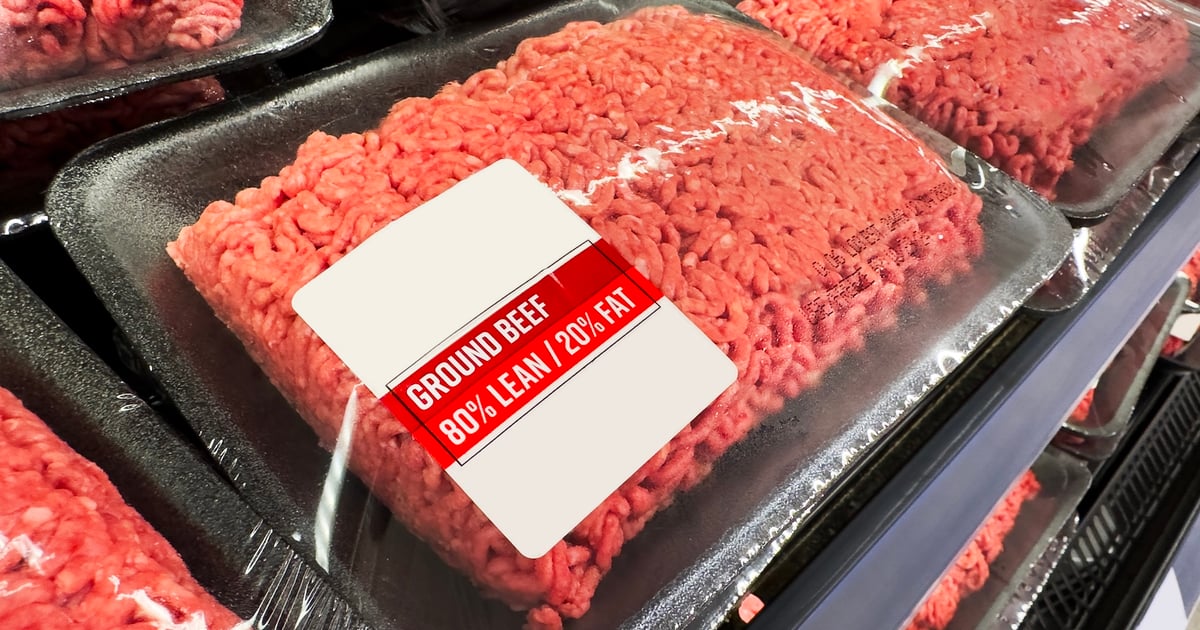
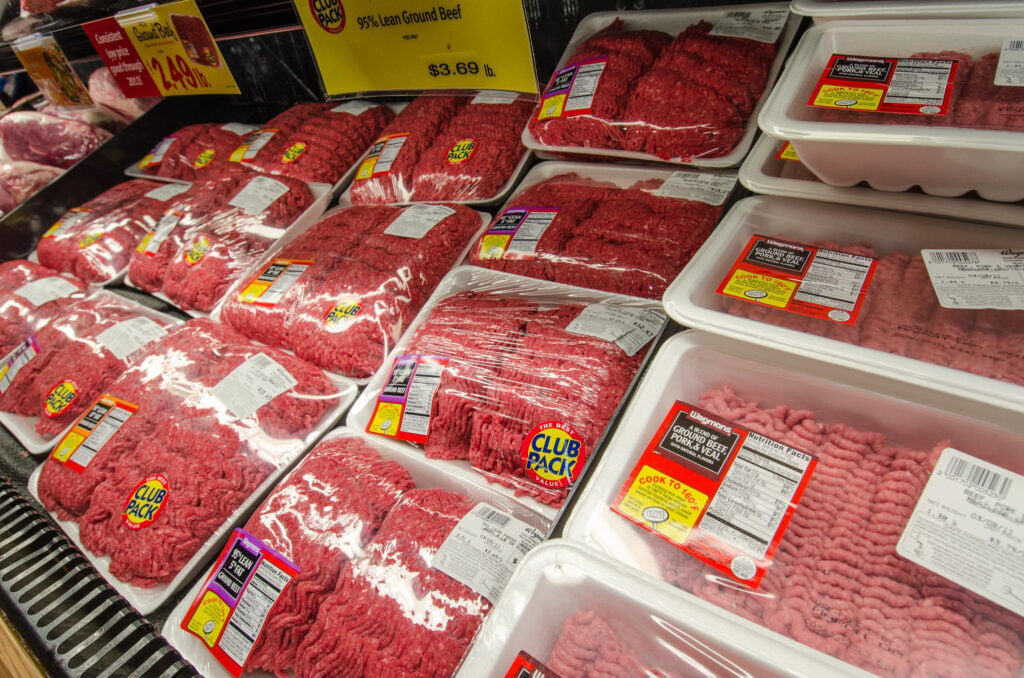
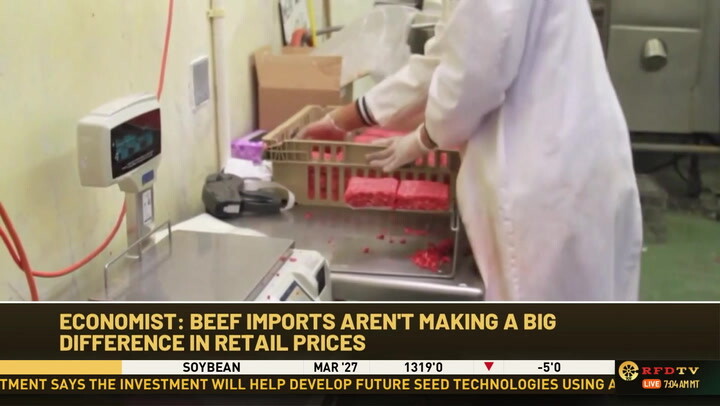
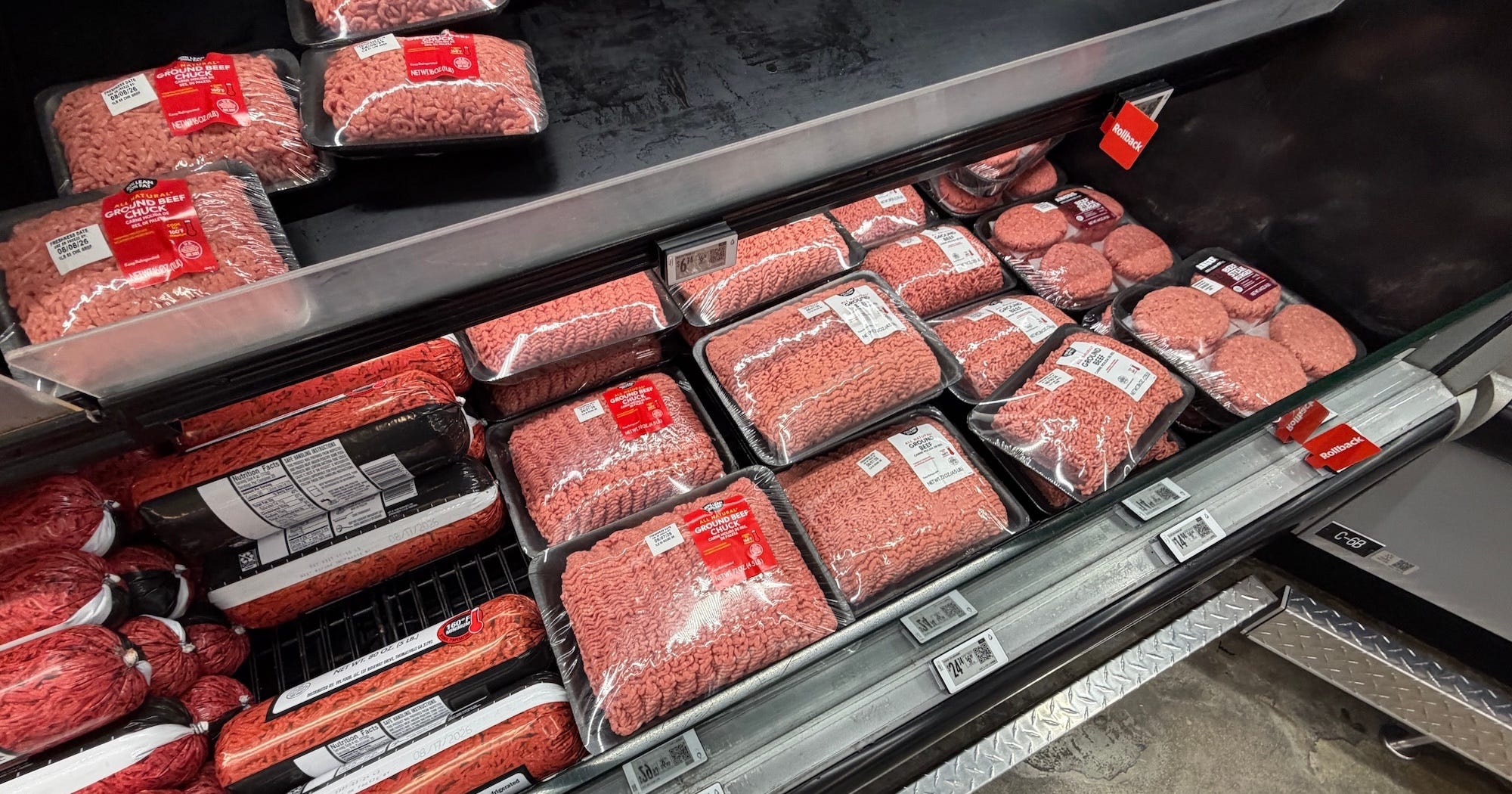
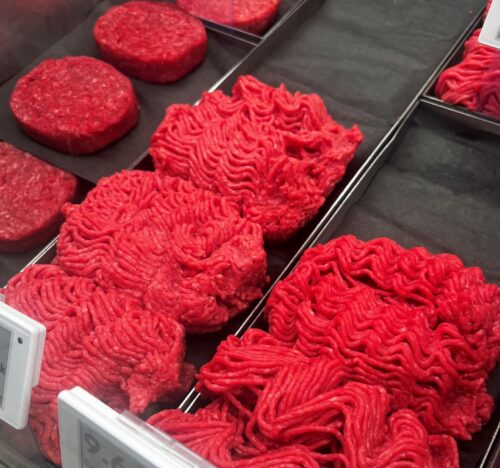
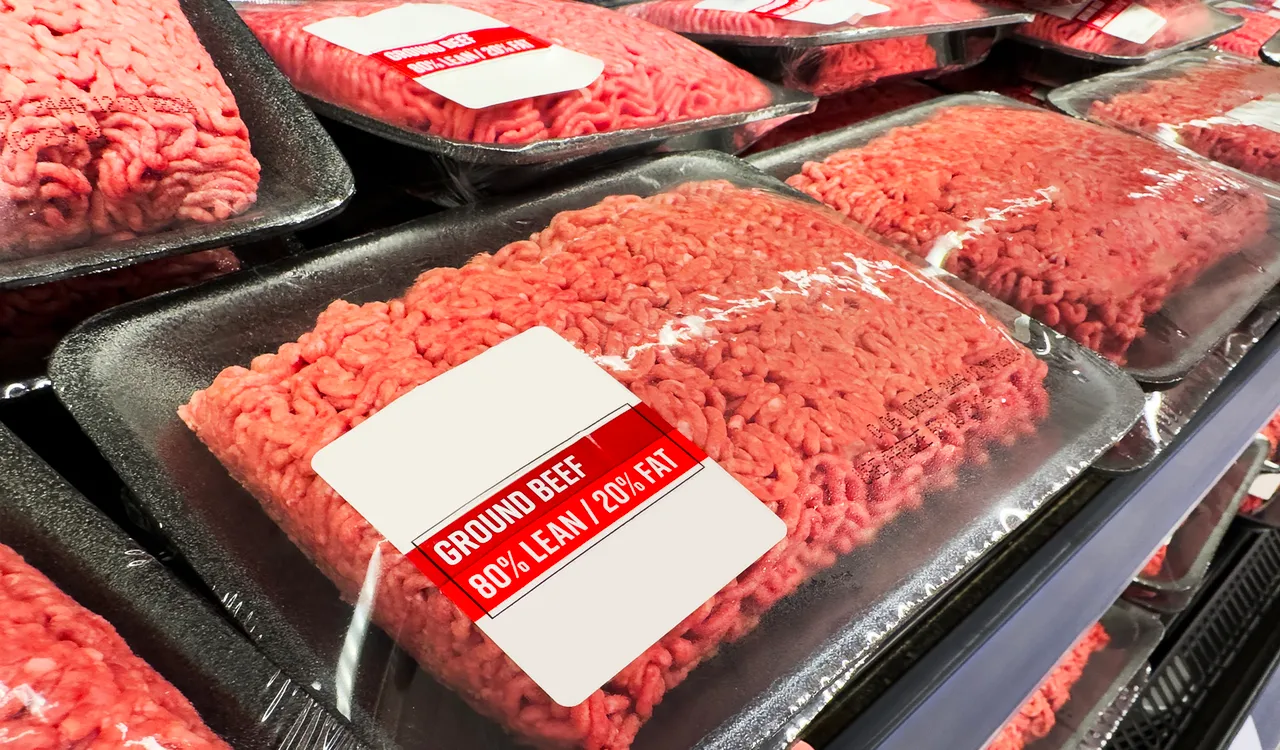
The Trump administration's drastic tariff reduction on imported beef represents a $2.3 billion supply chain disruption for US-based food and beverage sellers. The policy allows 661 million pounds (300,000 metric tons) of foreign beef—primarily from Brazil and Argentina—to enter the US market at prices 25% below current domestic levels (down from $6.92/lb to approximately $5.19/lb). This 15-20% increase in annual US beef consumption through imports creates immediate arbitrage opportunities for sellers sourcing from tariff-advantaged countries while simultaneously compressing margins for domestic beef suppliers and related food product categories.
For cross-border sellers, this policy shift creates three distinct market opportunities: First, food importers and specialty meat retailers can now source Brazilian and Argentine beef at significantly lower tariff costs, enabling competitive pricing on Amazon Fresh, Walmart+, and specialty food marketplaces. The GS1 survey showing 94% of US adults worry about food safety creates a premium positioning opportunity—sellers can emphasize traceability, certification, and quality assurance for imported products to command 8-12% price premiums despite lower base costs. Second, logistics and cold chain providers face 40-60% volume increases in beef shipments, creating opportunities for 3PL providers specializing in temperature-controlled fulfillment to capture market share from overwhelmed domestic providers. Third, complementary food categories—beef marinades, grilling accessories, meal kit components—will see demand spikes as consumers respond to lower beef prices, with historical data suggesting 18-25% category lift during major price reductions.
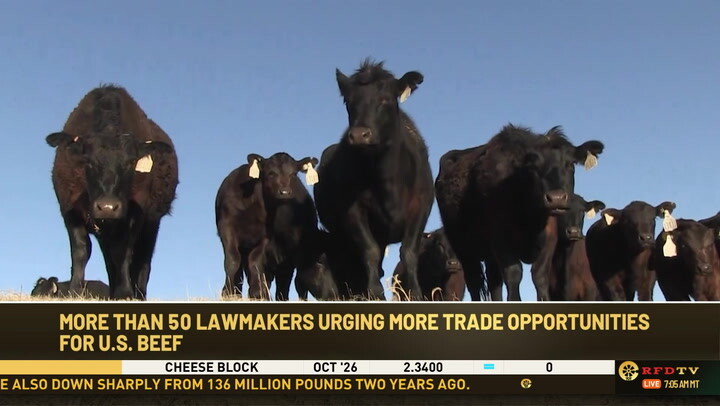
The competitive dynamics heavily favor Brazil and Argentina-based suppliers who gain immediate tariff advantages, while US domestic beef producers face 12-18% margin compression. However, the EU's September 3, 2026 ban on Brazilian beef imports due to antibiotic concerns creates a critical compliance risk: sellers importing Brazilian beef must navigate dual regulatory frameworks. The October 5 executive order reducing red-dyed diesel restrictions signals logistics cost savings of $100+ per fill-up for trucking operations, potentially reducing cold chain delivery costs by 8-12% and accelerating market consolidation among large-scale importers. The political volatility—with Nebraska's competitive House race tied to beef prices—suggests policy reversal risk within 6-12 months, making this a time-sensitive arbitrage window for sellers willing to scale quickly before potential tariff reinstatement or compensatory tariffs on competing categories.
Questions 8
What compliance documentation is required for importing beef from Brazil and Argentina?
Importers must obtain USDA import permits, FDA facility registration, and country-of-origin certificates from Brazilian/Argentine authorities. Documentation includes veterinary health certificates, processing facility audits, and residue testing for antibiotics and pesticides. The EU ban on Brazilian beef requires separate documentation systems to prevent cross-contamination. Total compliance setup costs range from $25,000-60,000 with ongoing annual costs of $15,000-30,000 for testing and certification. Processing timelines average 30-45 days per shipment, requiring sellers to plan inventory 6-8 weeks in advance of peak demand periods.
How does the diesel restriction reduction impact cold chain delivery costs?
The October 5 executive order reducing red-dyed diesel restrictions claims $100+ savings per fill-up for trucking operations, translating to 8-12% reduction in cold chain delivery costs. For a typical 40,000-pound beef shipment requiring 2-3 refrigerated trucks, this represents $200-300 savings per shipment or $2,400-3,600 annually per truck. These savings flow through to importers as reduced logistics costs, enabling 3-5% additional margin expansion. However, experts dispute the $100 per fill-up claim, suggesting actual savings may be 40-60% lower, so sellers should model conservative 4-6% logistics cost reductions in financial projections.