

Starbucks $1B Redesign Strategy Signals Major Retail Shift | O2O Opportunity for Sellers
- 1,000+ stores redesigned since late 2025; 1,500 target by end of FY2026; expanded to Mexico; creates supply chain and experiential retail opportunities


Overview
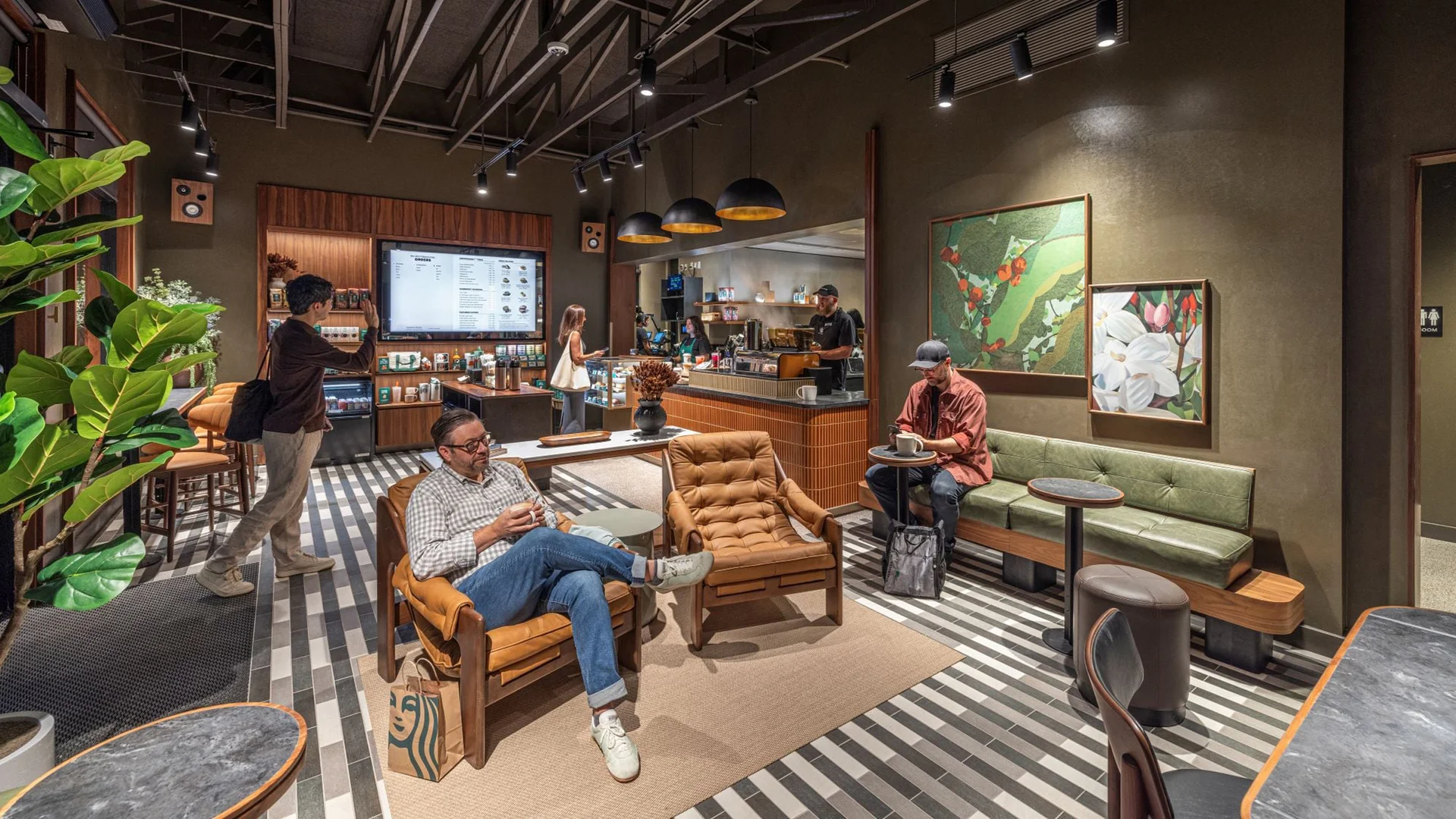
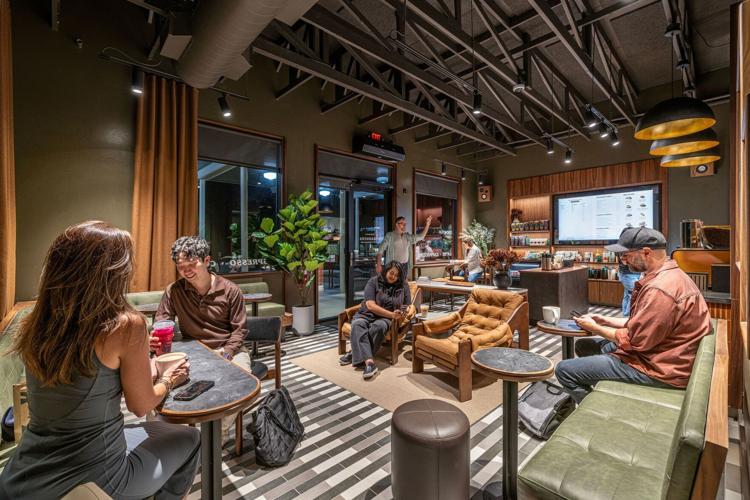
Starbucks' $1 billion "Back to Starbucks" turnaround strategy represents a fundamental shift in retail philosophy that directly impacts cross-border sellers and O2O (Online-to-Offline) commerce opportunities. Since late 2025, Starbucks has redesigned 1,000+ stores across North America with plans to reach 1,500 by end of fiscal 2026, featuring softer seating, warmer color palettes, locally-inspired artwork, and improved mobile order pickup areas. The company simultaneously closed 320 underperforming stores, signaling a strategic pivot from standardized retail to community-focused experiential spaces. This $1 billion investment directly addresses operational challenges and reconnects customers with the coffeehouse experience—a critical insight for sellers in home décor, furniture, and experiential retail categories.
For cross-border sellers, this redesign initiative creates three immediate O2O opportunities: First, the demand for locally-inspired artwork and community-focused décor elements opens supply channels for artisanal home décor, wall art, and furniture sellers targeting major redesign markets (NYC, LA, Austin, Chicago, Washington D.C., and expansion cities including Atlanta, Dallas, Houston, Miami, Nashville, Orlando, Seattle). Early performance data shows customers staying longer and visiting more frequently at redesigned locations—indicating higher foot traffic density and dwell time that benefits adjacent retail partnerships. Second, Starbucks' emphasis on "softer seating" and "plush seating with velvet drapery" (as seen in Beverly Hills location) signals demand for premium upholstered furniture, textiles, and interior design products that sellers can source and market to hospitality businesses undergoing similar transformations. Third, the international expansion to Mexican markets (Mexico City, Monterrey, Acapulco, Ensenada) indicates a global rollout of this strategy, creating cross-border sourcing opportunities for sellers positioned in Latin America or serving Mexican hospitality suppliers.
The operational context reveals critical supply chain implications: Starbucks' shift from standardized design to locally-customized stores requires increased procurement of unique, community-specific products—moving away from mass-produced fixtures toward artisanal and regional suppliers. This mirrors broader retail trends where major chains are investing in experiential differentiation rather than cost-cutting, creating premium pricing opportunities for sellers in furniture, décor, and hospitality supplies. The $1 billion allocation suggests sustained investment through 2027, providing a multi-year window for sellers to establish vendor relationships with Starbucks' procurement teams or position products on hospitality-focused B2B marketplaces. Additionally, the closure of 320 underperforming stores indicates Starbucks is consolidating to higher-traffic locations—a signal that remaining stores will see increased foot traffic and longer customer dwell times, benefiting pop-up retailers and experiential vendors positioned near redesigned locations.
Questions 7
Which geographic markets offer the highest O2O opportunity for pop-up retailers near redesigned Starbucks locations?
Starbucks has already redesigned stores in high-traffic markets including New York City, Los Angeles, Austin, Chicago, and Washington D.C., with expansion planned through 2027 to Atlanta, Dallas, Houston, Miami, Nashville, Orlando, and Seattle. Early performance data shows customers staying longer and visiting more frequently at redesigned locations, indicating increased foot traffic density. Pop-up retailers and experiential vendors should prioritize these markets for temporary retail presence, particularly in NYC and Southern California where redesigned stores are already generating positive customer feedback. The closure of 320 underperforming stores means remaining locations will see consolidated, higher-traffic customer bases.
What product categories benefit most from Starbucks' shift to experiential, community-focused retail design?
The redesign strategy directly benefits sellers in: (1) Premium upholstered furniture and seating (softer, plush designs); (2) Artisanal home décor and locally-inspired wall art; (3) Hospitality textiles including velvet drapery and soft furnishings; (4) Reclaimed wood and architectural salvage products; (5) Community-specific merchandise and regional crafts. The Beverly Hills location features 'plush seating and velvet drapery' while Capitol Hill showcases 'reclaimed wood floors and preserved architectural details'—indicating demand for premium, locally-sourced materials. Sellers in these categories can target hospitality procurement teams or position products on B2B marketplaces serving the restaurant and café sector.