





Crumbl's 57-Store Closure Signals Discretionary Goods Collapse | O2O Retail Contraction Warning for Food & Beverage Sellers
- 70% August sales drop and 32% traffic decline reveal inflation-driven consumer pullback from non-essential categories; offline retail consolidation creates O2O opportunity gaps and supply chain disruption for food/beverage vendors









Overview
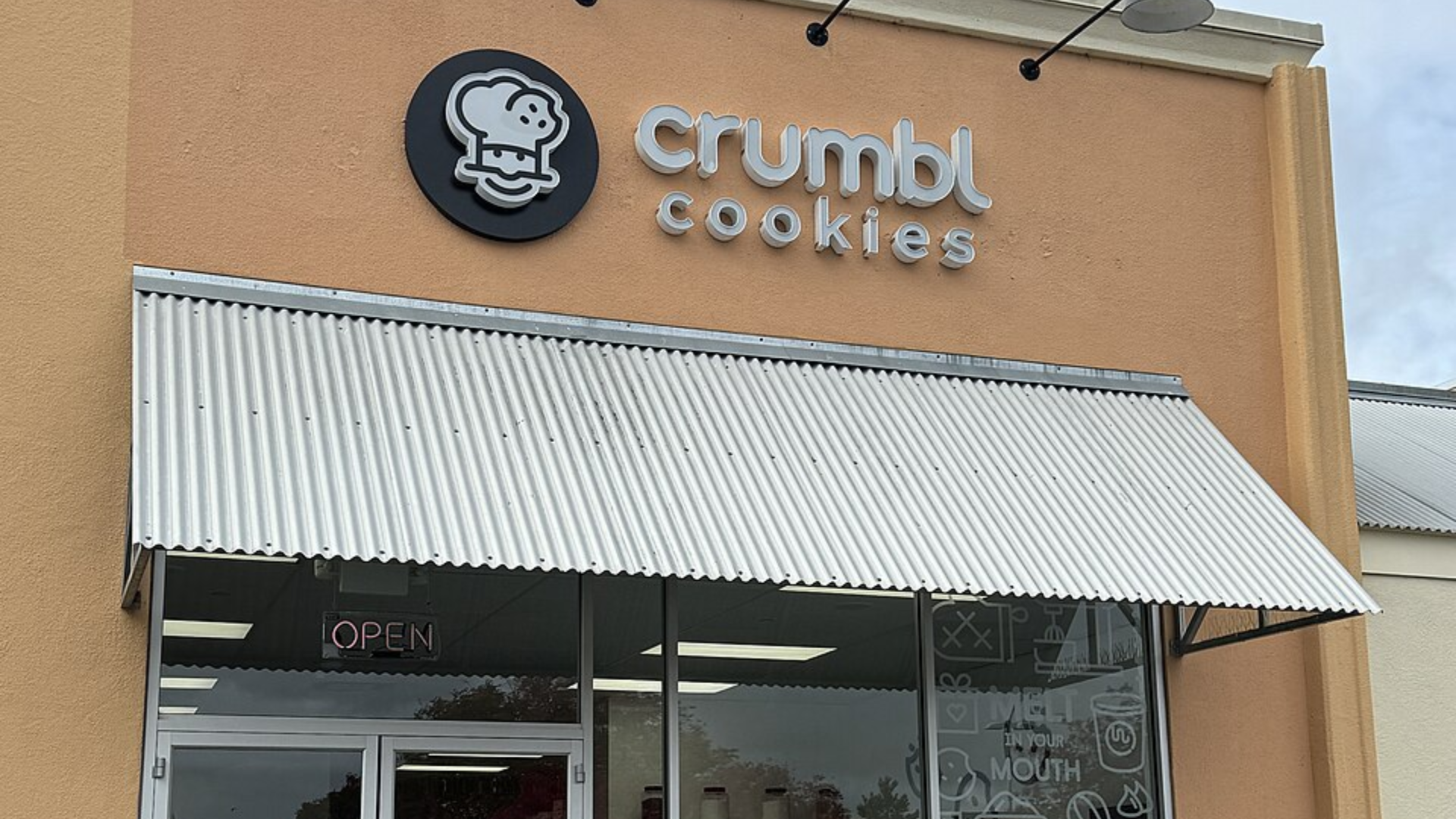
Crumbl Cookies' closure of 57 locations (5.7% of 1,000+ store base) in October 2026 represents a critical inflection point for discretionary food retail and signals broader consumer spending contraction affecting cross-border sellers. The Utah-based cookie chain experienced a catastrophic 70% sales decline in August 2026 versus August 2024, with year-over-year traffic dropping 32% (August 2026 vs. August 2025), according to Placer.ai data. Average revenue per location collapsed from a 2022 peak of $1.84 million to $1.14 million in 2025—a 38% contraction over three years. CEO Jason McGowan's acknowledgment that "the buck stops with me" and the availability of 55+ franchises for sale indicate distressed asset conditions and management's expectation of prolonged economic pressure.
For O2O retail strategists, this closure pattern reveals critical vulnerabilities in physical-to-digital conversion models. Crumbl's aggressive expansion into "dirty sodas"—a costly, untested product line—during inflationary periods exemplifies the risk of diversification when core competencies face headwinds. Zions Bank economist Robert Spendlove's warning that "once consumers start to pull back, those less-tested or untested ideas can be kind of exposed" directly applies to sellers launching new SKUs or expanding into adjacent categories. The chain's decision to consolidate operations rather than expand suggests management expects consumer discretionary spending to remain depressed through 2027, fundamentally altering retail real estate economics and foot traffic patterns that drive pop-up store ROI.
The operational implications for cross-border food/beverage sellers are immediate and severe. Franchisees facing 38% revenue declines per location are cutting vendor orders, renegotiating supply contracts, and reducing inventory—directly impacting suppliers of cookie ingredients, packaging, and point-of-sale systems. The 55+ franchises listed for sale represent distressed assets where new operators may demand 20-30% cost reductions from suppliers to restore unit economics. For sellers targeting food retail partnerships, this signals a 6-12 month window of depressed demand before market stabilization. Conversely, the closure of 57 locations creates 57 retail vacancies in high-traffic venues (malls, shopping centers, street-level locations) that represent immediate O2O opportunities for sellers willing to test pop-up formats at reduced lease rates. Cities with the highest Crumbl closures (likely major metros like Los Angeles, New York, Dallas) will have the most available retail space and foot traffic concentration for temporary brand presence.
Strategic implications for O2O sellers: The shift from expansion to consolidation mode means retail partners are prioritizing profitability over growth, making them more receptive to high-margin, low-risk vendor partnerships. Sellers should expect longer payment terms (60-90 days vs. 30-45 days), higher minimum order quantities, and stricter quality requirements as retailers tighten cash flow. The availability of distressed retail space creates a 3-6 month window for pop-up testing at 40-50% below normal lease rates, but foot traffic may remain 20-30% below pre-2024 levels due to consumer pullback. This creates a paradox: cheaper real estate but lower conversion potential, requiring sellers to focus on high-LTV customer acquisition rather than volume-based foot traffic models.
Questions 8
What competitive opportunities exist for sellers targeting distressed franchisees?
The 55+ Crumbl franchises listed for sale represent distressed assets where new operators will demand cost reductions and margin improvements from suppliers. Sellers can position themselves as 'efficiency partners' by offering: (1) Lower-cost ingredient alternatives (15-20% cost reduction); (2) Flexible minimum order quantities to match reduced sales volumes; (3) Extended payment terms (60-90 days) to ease cash flow; (4) Co-marketing support to drive foot traffic. New franchisees taking over closed locations will be highly motivated to restore unit economics and may be receptive to exclusive supplier partnerships. Sellers should identify distressed franchisees through broker listings and approach with tailored cost-reduction proposals. This creates a 6-12 month window to build relationships before market stabilization. However, expect margin compression of 15-25% as the price of partnership.
What supply chain disruptions should food/beverage sellers anticipate from retail consolidation?
Crumbl's consolidation—closing 57 locations and laying off headquarters staff—signals broader supply chain disruption for food/beverage vendors. Franchisees facing 38% revenue declines will reduce inventory, cut vendor orders by 20-30%, and renegotiate contracts. Suppliers of cookie ingredients, packaging, and point-of-sale systems will experience immediate demand destruction. Payment delays will extend from 30-45 days to 60-90 days, straining working capital. Sellers should immediately audit their retail customer concentration and diversify across multiple partners. Build 3-6 month cash reserves to absorb payment delays. Consider shifting 20-30% of inventory to direct-to-consumer channels (Amazon FBA, Shopify) to reduce dependence on retail partners facing margin pressure. Monitor competitor closures in your category for similar supply chain impacts.