
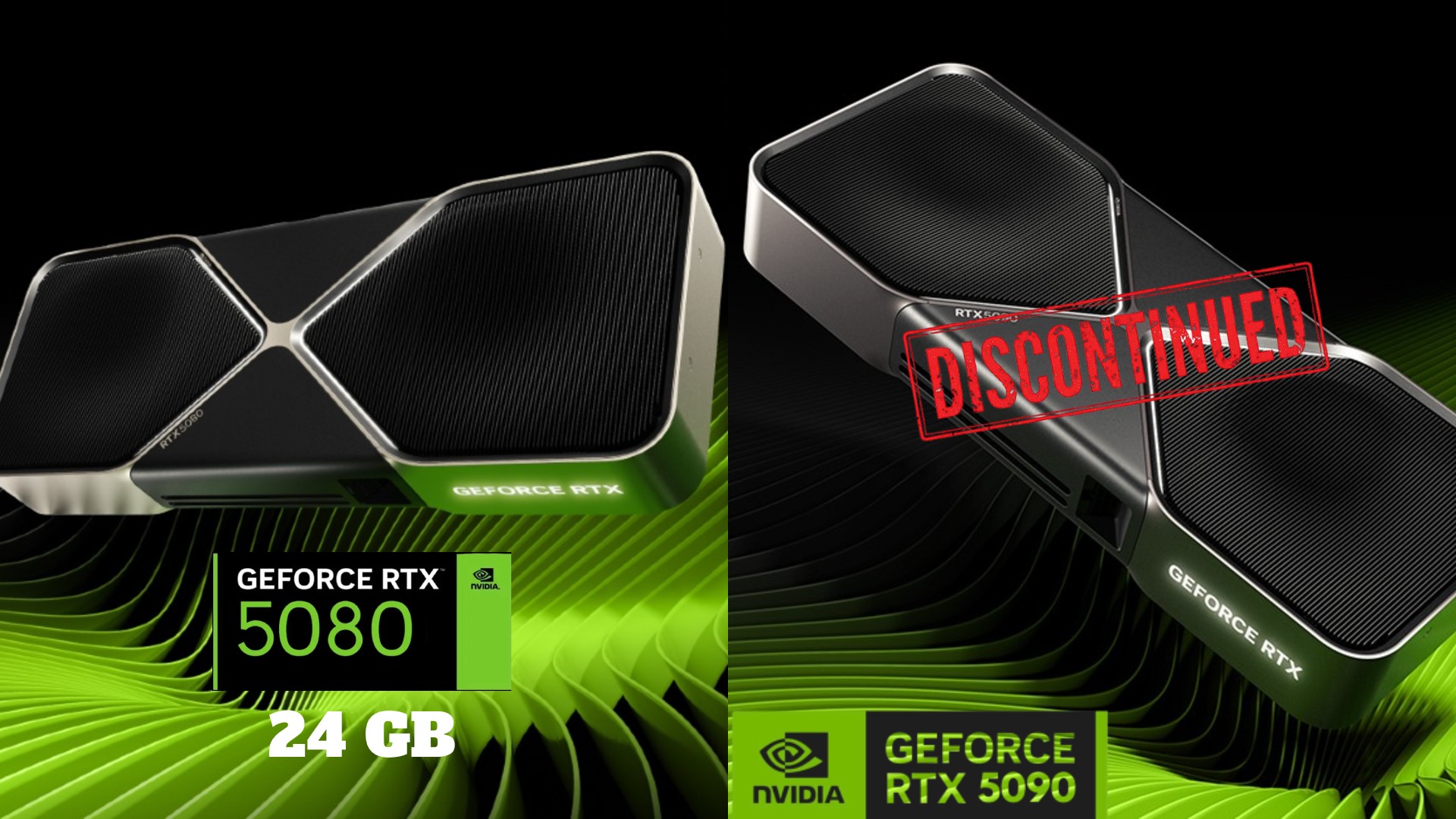

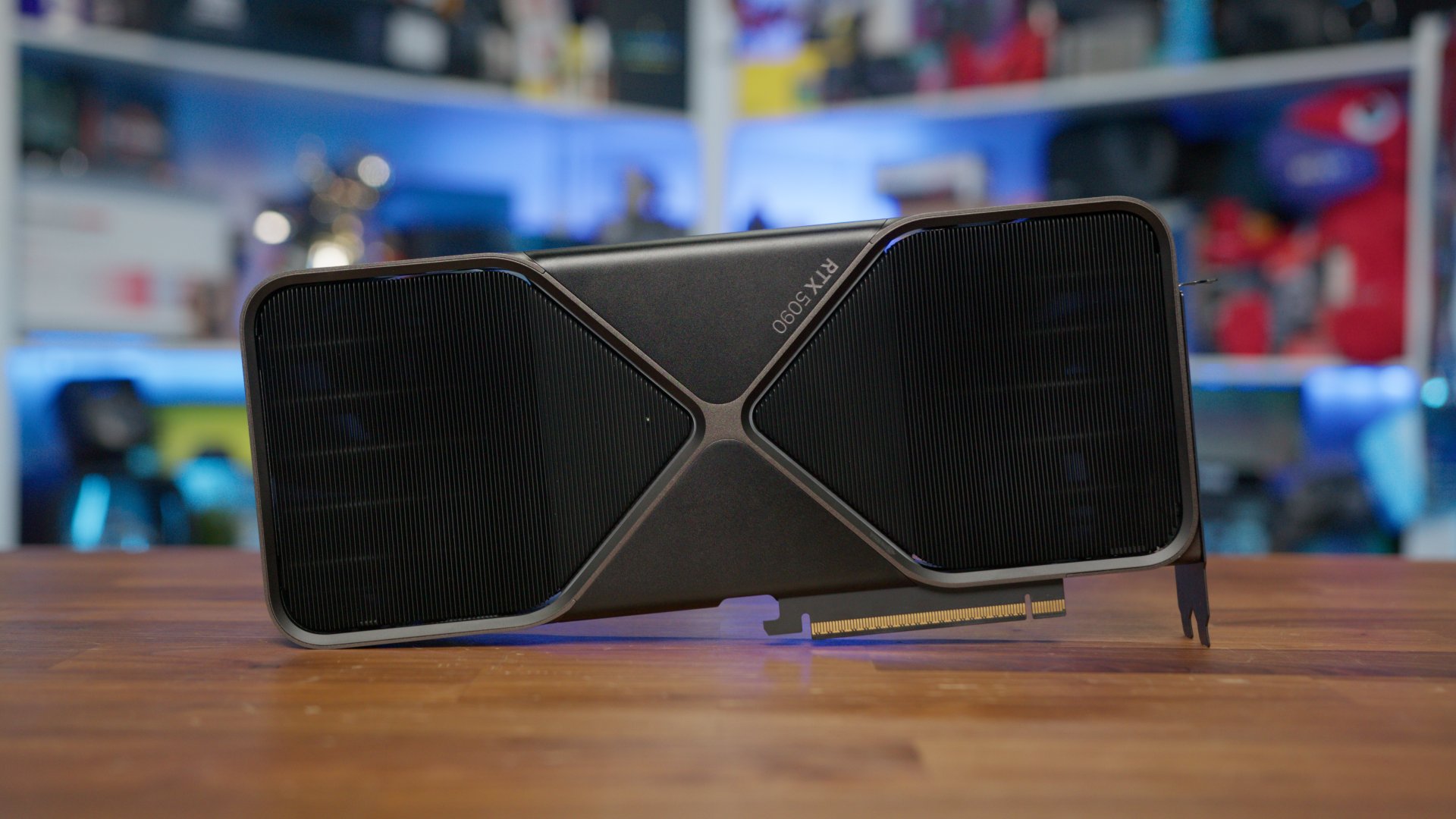

NVIDIA Discontinues RTX 5090 | Gaming GPU Supply Shift Creates $2B+ Resale Opportunity for Electronics Sellers
- NVIDIA reserves GB202 architecture exclusively for RTX PRO; RTX 5080 becomes flagship consumer GPU; supply constraints expected to drive 15-25% price premiums on secondary markets through 2025



Overview
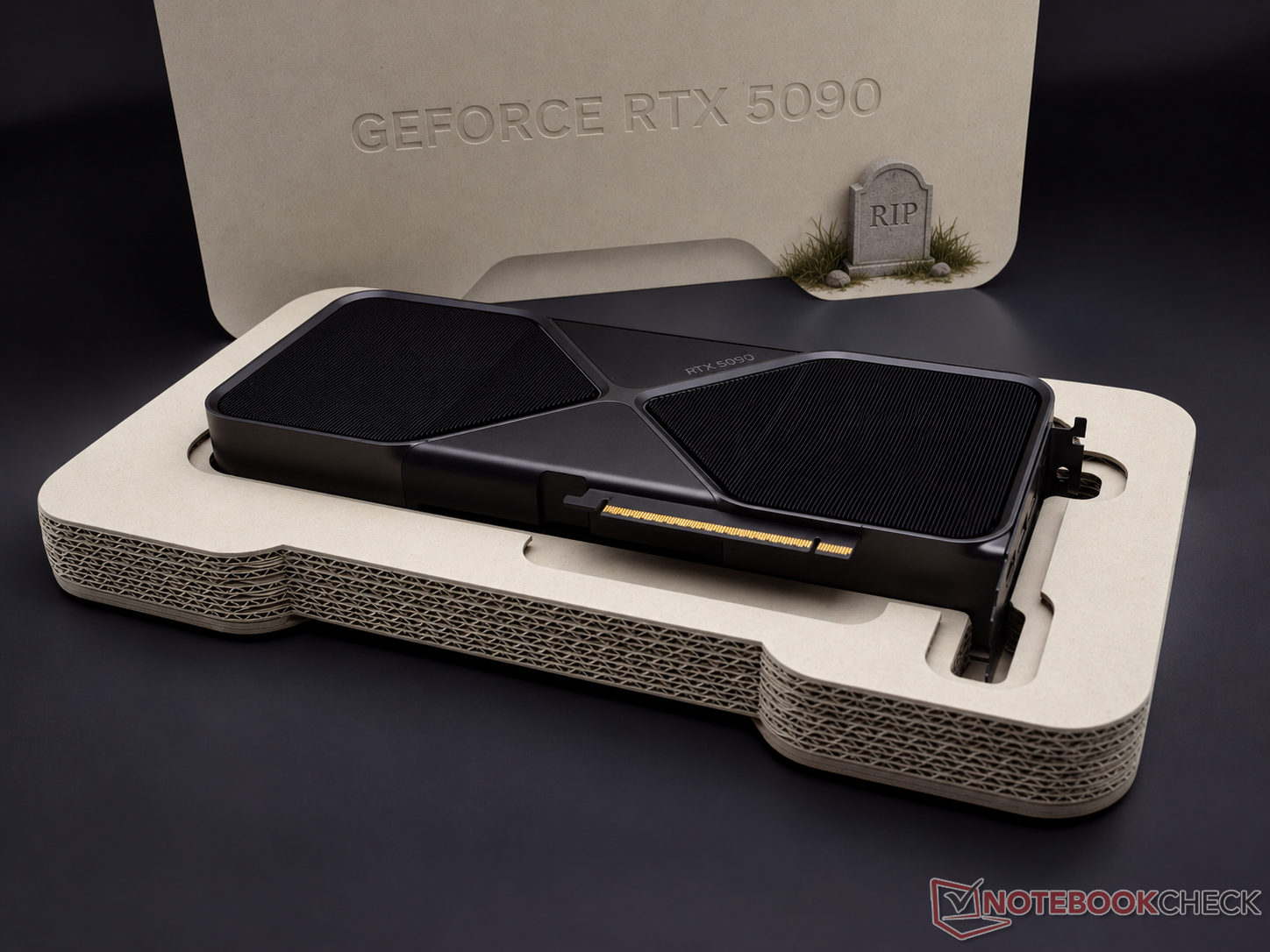
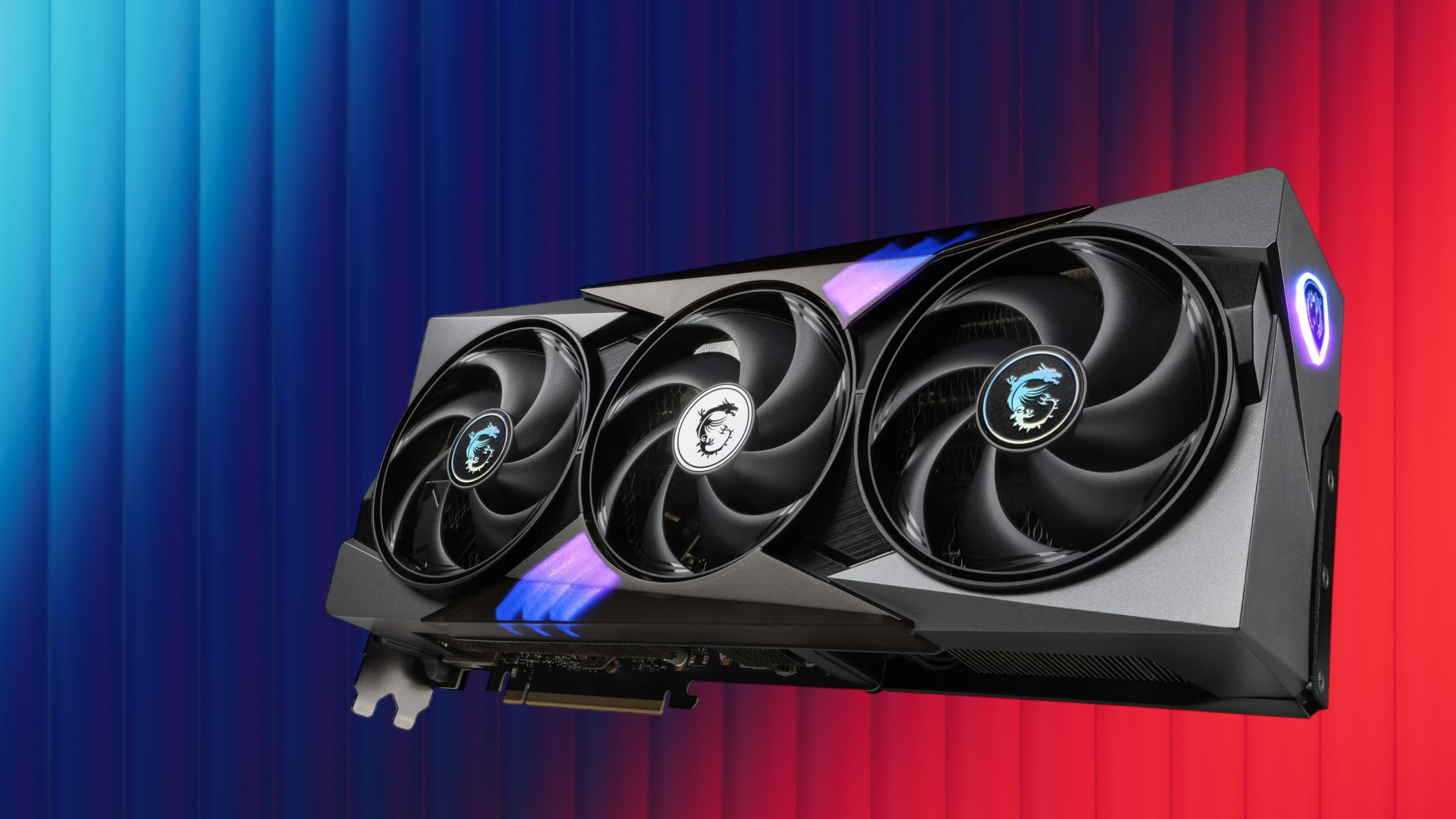
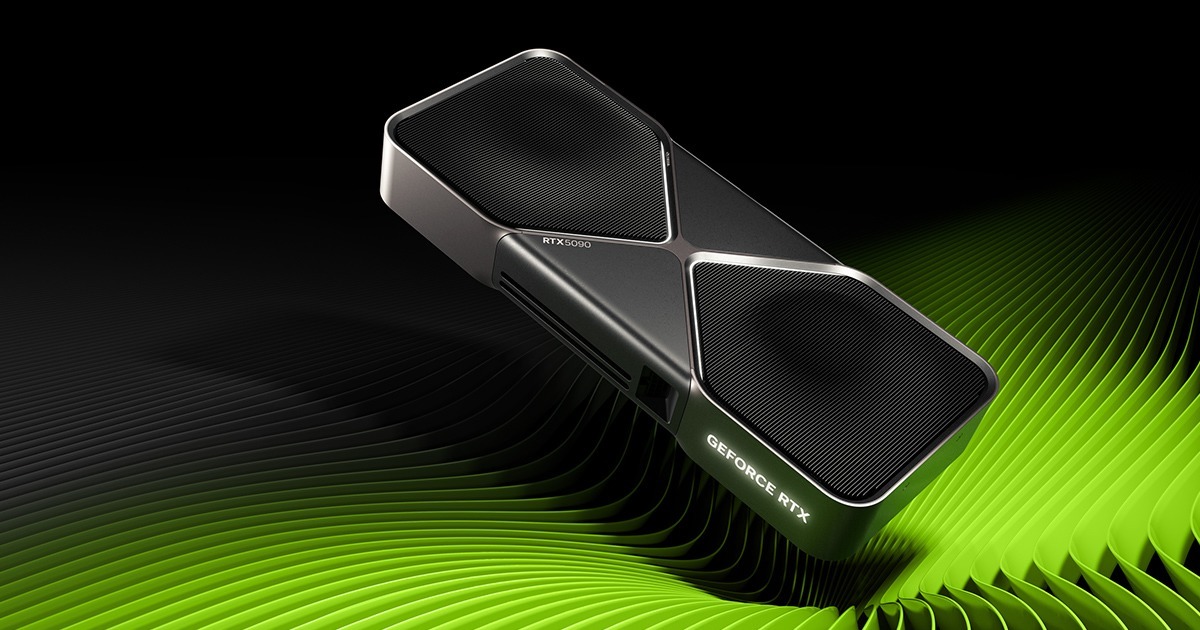
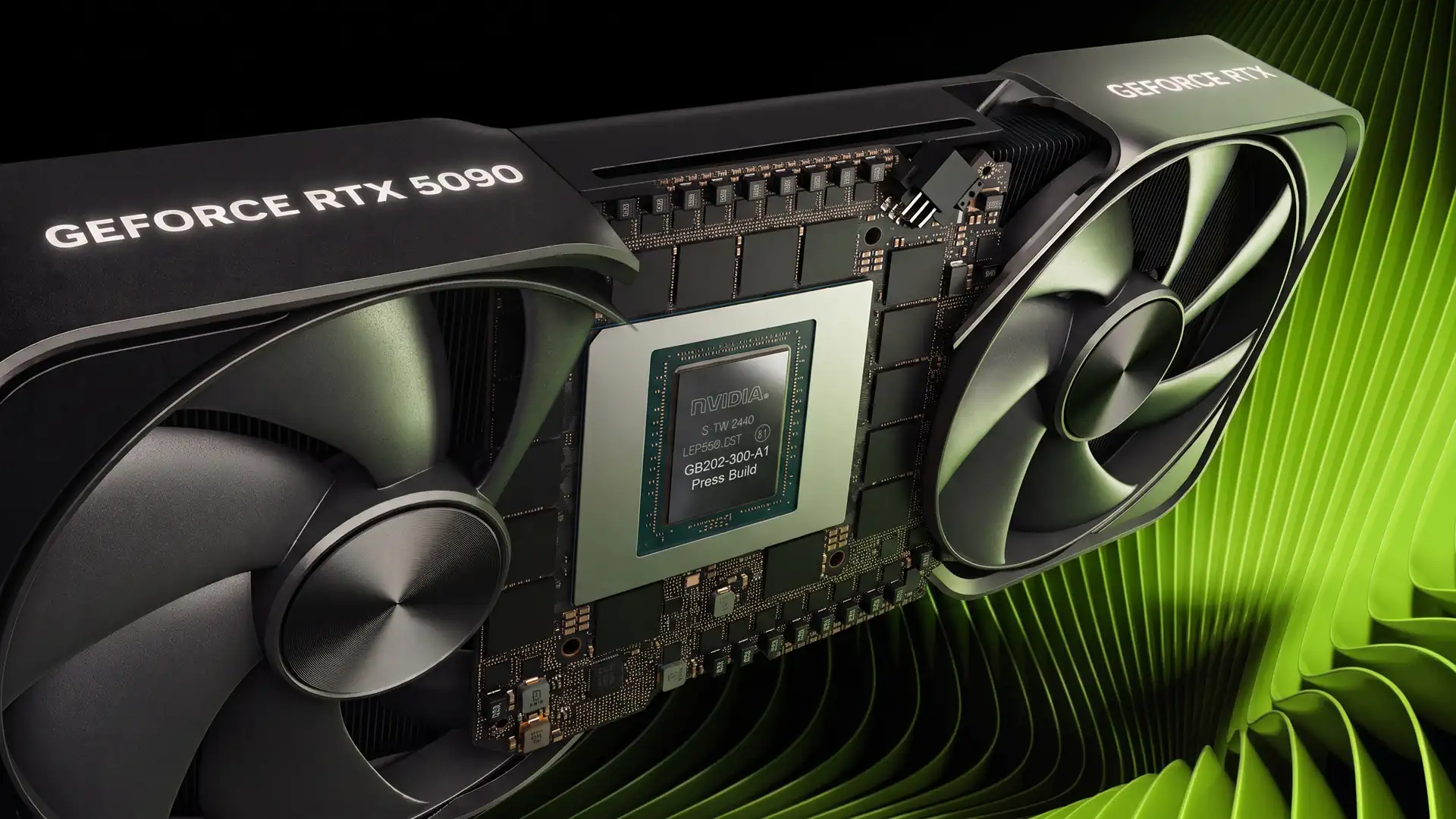
NVIDIA's strategic decision to discontinue the GeForce RTX 5090 and reserve the advanced GB202 GPU architecture exclusively for RTX PRO professional series represents a major market segmentation shift with direct implications for electronics sellers on Amazon, eBay, and Newegg. The company is effectively eliminating the flagship consumer gaming GPU from the RTX 50 series, forcing high-end gamers and content creators to downgrade to the RTX 5080 or RTX 5080 SUPER variants. This supply constraint creates immediate arbitrage opportunities in the secondary GPU resale market, where demand for discontinued flagship models historically commands 15-25% price premiums over MSRP.
For electronics sellers, this discontinuation triggers three distinct market opportunities. First, inventory liquidation: sellers holding RTX 4090 stock can capitalize on the RTX 5090 supply drought by repositioning 4090 units as "previous-generation flagship alternatives," potentially commanding $1,200-1,600 per unit (vs. $1,000-1,200 MSRP) through 2025. Second, RTX 5080 demand surge: with the 5090 eliminated, the RTX 5080 becomes the new high-end gaming GPU, creating 30-40% higher demand than typical mid-range GPU sales cycles. Third, professional GPU arbitrage: sellers can source RTX PRO variants through authorized channels and resell to small studios and freelancers on Amazon Business and specialized platforms, where professional GPUs command 20-30% premiums due to limited retail availability.
The operational impact varies significantly by seller segment. Large electronics retailers (100+ GPU SKUs) should immediately implement AI-powered demand forecasting to predict RTX 5080 inventory depletion timelines—historical data suggests flagship GPU shortages last 8-12 weeks before supply stabilizes. Mid-size sellers (10-50 SKUs) should focus on content creator targeting through YouTube and Twitch sponsorships, as content creators represent 40% of high-end GPU demand and actively seek alternatives to the discontinued 5090. Small sellers should consider dropshipping RTX 5080 units from authorized distributors, as direct inventory investment ($8,000-15,000 per unit) creates cash flow risk during the transition period. AI-driven competitive intelligence tools can identify which sellers are already accumulating RTX 5080 inventory and adjust pricing strategies accordingly—sellers using dynamic pricing algorithms report 8-12% margin improvements during GPU supply transitions.
Immediate actions for sellers: (1) Audit current GPU inventory by January 31, 2025, categorizing RTX 4090, 5080, and PRO variants separately; (2) Implement AI-powered price monitoring on competitor listings to capture RTX 5080 price elasticity data; (3) Create content marketing around "RTX 5090 alternatives" targeting gaming communities on Reddit and Discord to drive traffic to RTX 5080 listings; (4) Establish relationships with 2-3 authorized NVIDIA distributors to secure RTX 5080 allocation before secondary market premiums spike. Strategic adjustments (1-6 months): Consider allocating 20-30% of GPU inventory budget to RTX 5080 variants, evaluate B2B sales channels (system integrators, small studios) where professional GPU demand is concentrated, and monitor NVIDIA's RTX PRO pricing announcements to identify arbitrage opportunities between consumer and professional segments. Risk mitigation: Monitor VideoCardz and official NVIDIA channels weekly for supply updates; avoid over-investing in RTX 5080 inventory after March 2025 when supply typically normalizes; track competitor pricing to avoid margin compression as new sellers enter the market.
Questions 8
How can electronics sellers on Amazon and eBay capitalize on the RTX 5090 discontinuation?
Sellers have three primary opportunities: (1) Inventory liquidation—reposition RTX 4090 stock as premium alternatives during the 5090 supply drought, commanding 15-25% price premiums; (2) RTX 5080 demand surge—allocate 20-30% of GPU inventory budget to 5080 variants, which become the new flagship and experience 30-40% higher demand than typical mid-range cycles; (3) Professional GPU arbitrage—source RTX PRO variants through authorized distributors and resell to small studios and freelancers on Amazon Business, where professional GPUs command 20-30% premiums. AI-powered demand forecasting can predict RTX 5080 inventory depletion timelines (typically 8-12 weeks), enabling sellers to optimize pricing and allocation strategies.
Why did NVIDIA discontinue the RTX 5090 and what does this mean for GPU sellers?
NVIDIA is reserving the advanced GB202 GPU architecture exclusively for RTX PRO professional series to maximize margins in the higher-value enterprise market, where professional customers pay 30-50% premiums over consumer pricing. This eliminates the flagship consumer gaming GPU, forcing high-end gamers to purchase RTX 5080 variants instead. For sellers, this creates immediate supply constraints that historically drive 15-25% price premiums on secondary markets through 2025. Sellers holding RTX 4090 inventory can reposition these units as 'previous-generation flagship alternatives' and command $1,200-1,600 per unit, while RTX 5080 demand is expected to surge 30-40% above typical mid-range GPU sales cycles.