

iPhone 18 Production Cuts Signal Premium Pricing Collapse | Smartphone Accessory & Refurbished Device Opportunity
- Apple cuts iPhone 18 Pro orders 15-20% as $100 price hike triggers demand collapse; global smartphone shipments forecast to decline 16.7% in 2026 while component costs surge 400%, creating urgency for sellers to pivot to accessories, refurbished markets, and value-tier products



Overview
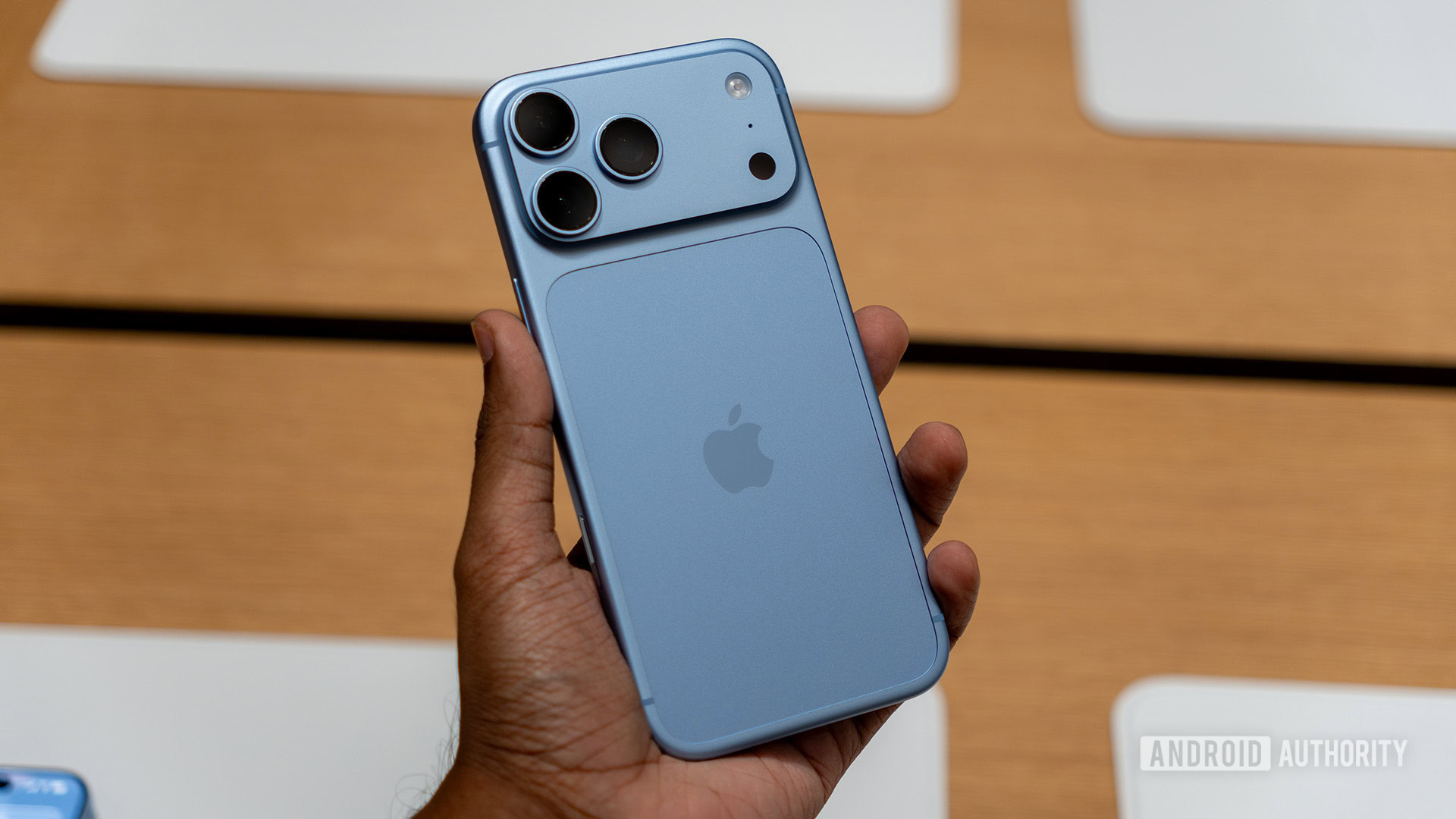
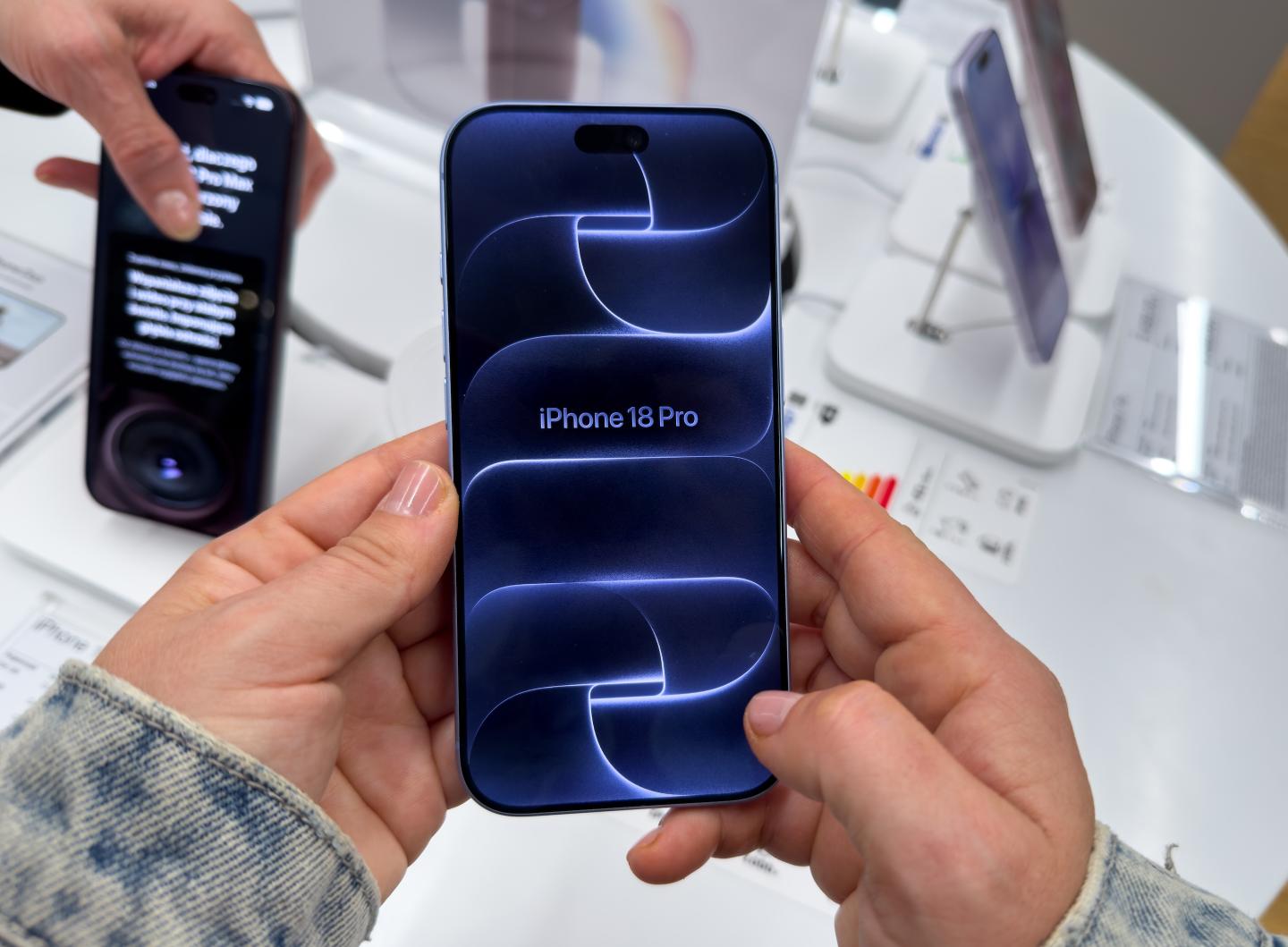
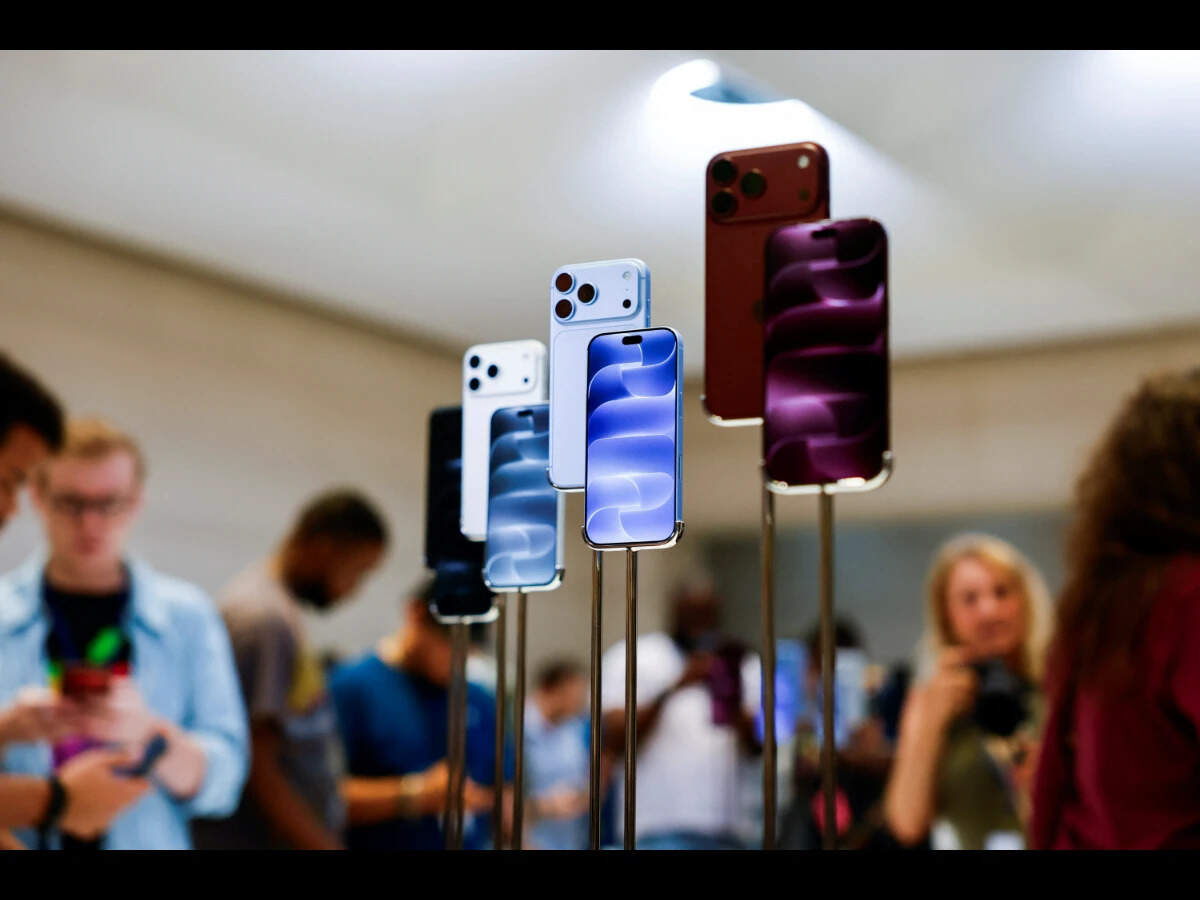
Apple's aggressive $100 price increase on iPhone 18 Pro ($1,199) and Pro Max ($1,299) has triggered a 15-20% production cut in October 2025, signaling a critical inflection point in premium smartphone demand. According to Nikkei Asia, softer-than-expected demand since late August forced Apple to slash component orders amid a global memory-chip shortage driven by AI data center expansion. This production adjustment arrives during new CEO John Ternus's first month, following Tim Cook's warning about tight supply constraints. The underlying economics are brutal: J.P. Morgan estimates DRAM prices will rise over 400% from early 2024 through end of 2026, with cascading price impacts—Consumer Price Index for software/accessories up 23% since end of 2024, import prices for computers/parts up 37%.
For cross-border e-commerce sellers, this represents a fundamental market shift with immediate opportunities. International Data Corporation forecasts global smartphone shipments will decline 16.7% in 2026 to just over 1 billion units—the steepest annual decline on record—while average smartphone selling prices rise 27.6% to $581. Apple's staggered launch strategy, introducing only premium models this fall while delaying standard iPhone 18 until spring 2027, compounds demand weakness. Chinese competitors Xiaomi, Oppo, and Vivo cut 2026 shipment targets by up to 30% in June, indicating industry-wide recognition of premium pricing resistance. Consumer hesitation regarding premium pricing in inflationary environments, combined with delayed adoption of AI-driven features, reveals a critical gap: buyers want smartphone functionality at lower price points.
This creates three immediate seller opportunities: (1) Smartphone accessories for existing devices—as consumers delay upgrades, they'll invest in cases, chargers, screen protectors, and extended battery solutions for current phones; (2) Refurbished and certified pre-owned iPhone markets—as new device demand softens, secondary markets for iPhone 17 and earlier models will surge; (3) Value-tier smartphone alternatives and components—sellers can source compatible parts from Chinese manufacturers (Xiaomi, Oppo, Vivo) gaining market share. The 37% import price increase for computer parts and 23% CPI rise for software/accessories indicates margin compression across electronics categories, requiring sellers to optimize pricing strategies using AI-powered dynamic pricing tools and demand forecasting. The production cuts don't signal Apple's market share loss but rather reveal consumer price sensitivity even for premium brands—a critical insight for sellers evaluating inventory allocation and category positioning through 2026.
Questions 7
Why is Apple cutting iPhone 18 production by 15-20% despite strong brand loyalty?
Apple's $100 price increase ($1,199 for Pro, $1,299 for Pro Max) triggered softer-than-expected demand since late August 2025, forcing production cuts in October. The price hike coincides with a global memory-chip shortage driven by AI data center expansion, pushing DRAM costs up 400% through 2026. Even Apple's premium brand strength faces limits when consumers face inflationary pressures and delayed AI feature adoption. This signals that price elasticity affects all brands—consumers are choosing to delay upgrades or switch to value alternatives rather than pay premium prices.
What AI tools should sellers use to navigate this smartphone market shift?
Sellers should deploy AI-powered demand forecasting to predict category-level trends (accessories vs. refurbished vs. value-tier devices), dynamic pricing engines to optimize margins amid 37% import cost increases, and competitive intelligence tools to monitor Chinese competitors' pricing and inventory strategies. Predictive analytics can identify which accessories will surge as consumers delay device upgrades—screen protectors, battery cases, and charging solutions typically see 40-60% demand increases during upgrade cycles. Sentiment analysis on product reviews reveals consumer pain points (e.g., 'too expensive,' 'waiting for standard model') that inform product development and positioning.