


Nvidia's $800M Reflection AI Play | Open-Weight AI Reshapes E-Commerce Automation Costs
- Nvidia's acquisition of open-weight AI startup signals 30-50% cost reduction potential for seller automation tools; democratized AI models threaten proprietary SaaS pricing; Amazon/Shopify sellers can expect platform feature upgrades within 6-12 months










Overview
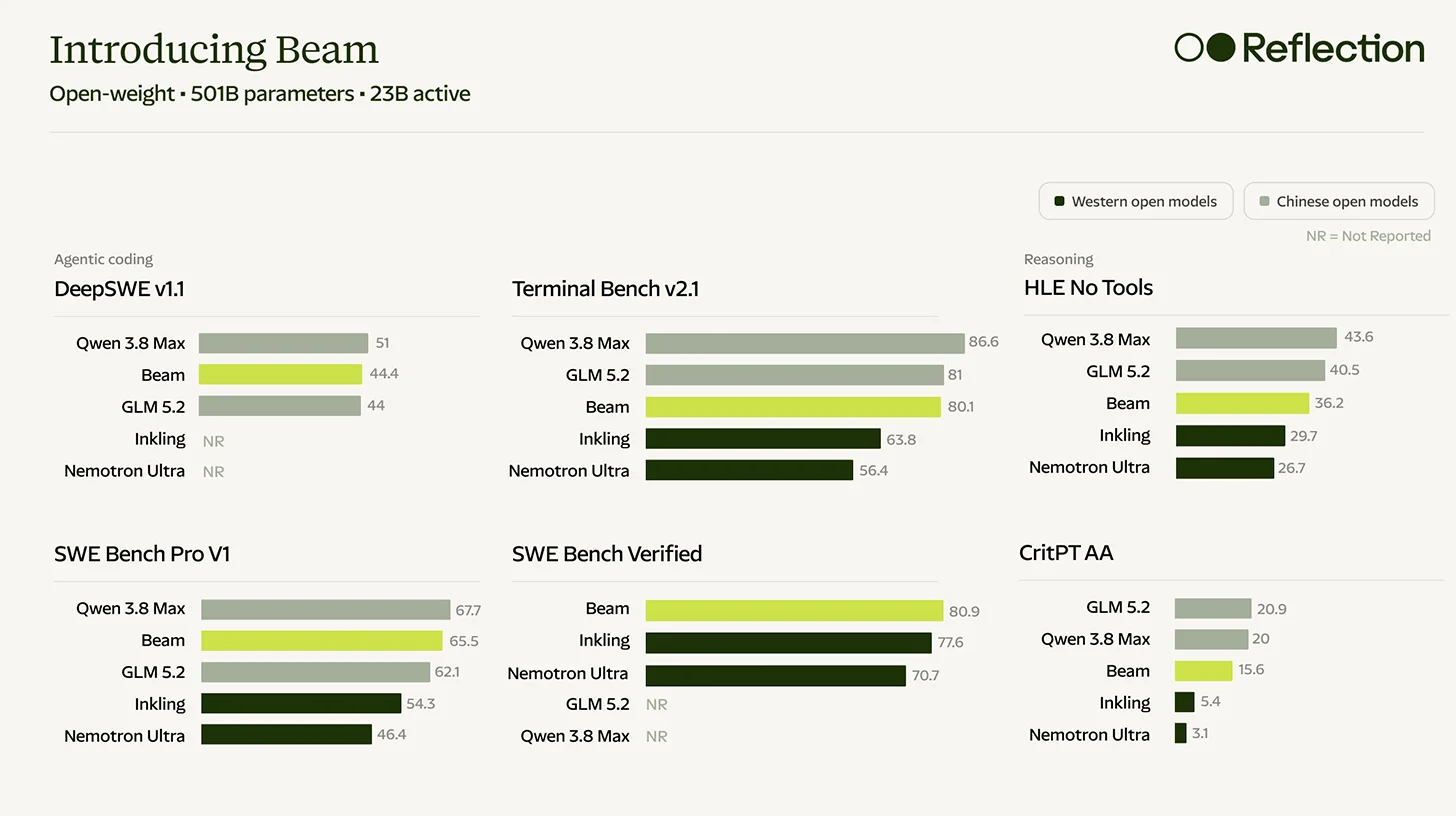
Nvidia's strategic pivot toward open-weight AI through its $800 million investment in Reflection AI (founded 2024 by ex-Google DeepMind researchers) represents a fundamental shift in how e-commerce sellers will access AI-powered automation tools. According to Financial Times reporting (October 10), Nvidia is in advanced acquisition discussions with options including full acquisition, talent recruitment, or technology licensing. This move directly addresses competitive pressure from Chinese firms like DeepSeek and Moonshot AI, which have captured significant market share through cost-effective open-weight models. For cross-border e-commerce sellers, this consolidation signals three immediate implications: (1) AI tool pricing compression: Open-weight alternatives to proprietary systems like GPT-4 will reduce costs for product recommendation engines, demand forecasting, and customer service automation by an estimated 30-50% within 12-18 months; (2) Platform capability acceleration: Amazon, Shopify, and other marketplaces will integrate Reflection AI's "Beam" model and Nvidia's "NemoTron" into native seller tools, enabling sellers to deploy advanced reasoning models without third-party SaaS subscriptions; (3) Competitive advantage window: Early adopters using open-weight models can reduce AI infrastructure costs from $500-2,000/month (proprietary APIs) to $100-400/month (self-hosted open models), creating 12-24 month competitive moats before market saturation.
The acquisition demonstrates Nvidia's evolution from semiconductor supplier to comprehensive AI solution provider, combining hardware dominance with software capabilities. Reflection AI's specialization in AI agents and software development models directly addresses e-commerce use cases: dynamic pricing optimization, inventory forecasting, and automated customer support. Sellers currently relying on third-party AI tools (Helium 10, Jungle Scout, Keepa for Amazon; Shopify's built-in AI features) face a critical decision: migrate to open-weight alternatives now to lock in cost advantages, or wait for platform-native integrations that may commoditize current premium features. The regulatory environment remains uncertain—potential antitrust scrutiny of large-scale AI acquisitions could delay full acquisition completion, but technology licensing agreements could proceed faster, accelerating open-weight model availability.
Immediate automation opportunities emerge for sellers willing to self-host open-weight models: Product listing optimization, competitor price monitoring, and demand forecasting can be automated using Beam or NemoTron without API rate limits or per-query costs. Sellers managing 500+ SKUs across multiple platforms can save 15-20 hours/week in manual analysis by deploying open-weight reasoning models. However, this requires technical infrastructure (cloud hosting, GPU resources) estimated at $200-600/month—a trade-off that favors high-volume sellers (1,000+ monthly units) but remains cost-prohibitive for micro-sellers relying on platform-native tools. The consolidation also signals that proprietary AI SaaS tools targeting sellers (currently valued at $50-200/month per feature) face margin compression as open-weight alternatives mature, potentially triggering price wars or feature consolidation in the seller tools market by Q2-Q3 2025.
Questions 8
What should sellers monitor to stay ahead of AI infrastructure changes in 2025?
Sellers should track four key indicators: (1) **Nvidia announcements**: Monitor Nvidia's developer blog and earnings calls for Reflection AI integration timelines and NemoTron model releases; (2) **Platform roadmaps**: Amazon Seller Central and Shopify regularly announce AI feature updates—subscribe to official blogs and attend seller conferences; (3) **Competitor adoption**: Track which sellers are using open-weight models (visible through pricing patterns, customer service response times, inventory accuracy) to identify emerging best practices; (4) **Third-party tool pricing**: Monitor Helium 10, Jungle Scout, and Keepa pricing changes—significant cuts signal platform competition intensifying. Sellers should also join AI/ML communities (Reddit r/MachineLearning, Hacker News) to learn about emerging open-weight models and deployment strategies. By Q2 2025, expect major platform announcements about AI feature integrations—sellers who understand open-weight models and self-hosting options will negotiate better terms with platforms and third-party tools. Set calendar reminders for Q1 2025 (platform roadmap announcements), Q2 2025 (expected feature launches), and Q4 2025 (year-end consolidation reviews) to reassess AI tool strategies.
How will Nvidia's acquisition affect pricing for seller AI tools like Helium 10 and Jungle Scout?
Nvidia's acquisition of Reflection AI signals margin compression for premium seller AI tools ($50-200/month per feature). As open-weight models mature and platform-native integrations launch (2025), third-party tools face three scenarios: (1) **Price reduction**: Tools like Helium 10 and Jungle Scout may cut prices 20-40% to compete with free/low-cost open-weight alternatives; (2) **Feature consolidation**: Premium features (advanced competitor analysis, demand forecasting) may migrate to platform-native tools, forcing third-party tools to specialize in niche use cases; (3) **Acquisition/consolidation**: Smaller tool providers may be acquired by platforms (Amazon, Shopify) or larger SaaS companies to survive margin compression. Sellers currently paying $100-300/month for multiple tools should evaluate open-weight alternatives and platform-native features to reduce costs. However, third-party tools may retain value through superior UX, category-specific customization, and integration with non-platform channels (eBay, Etsy, independent stores). The competitive landscape will likely stabilize with tiered pricing: free/low-cost open-weight models for basic automation, mid-tier platform tools ($20-50/month) for standard features, and premium third-party tools ($100-300/month) for specialized analysis.