

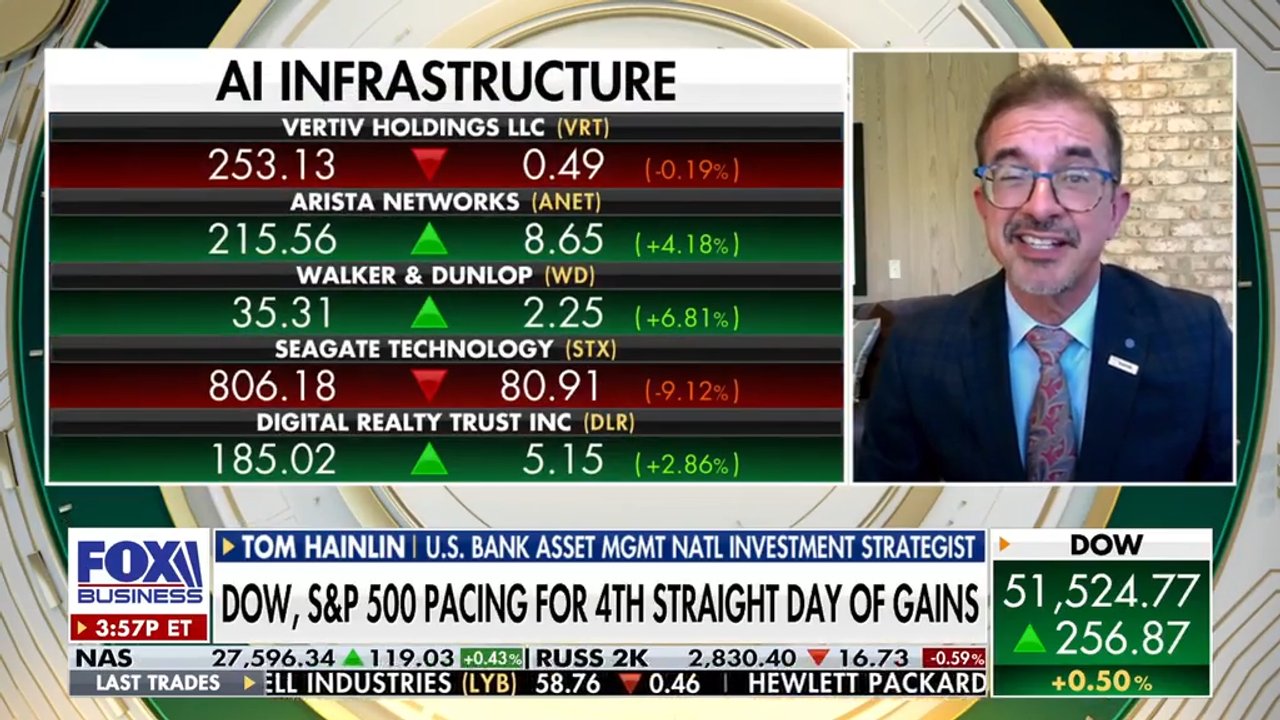
AI Infrastructure Boom Drives $90B Hardware Spending | E-Commerce Logistics Cost Surge
- Rising energy costs increase fulfillment expenses 8-15% for sellers; AI-powered automation tools now critical for margin recovery


















Overview
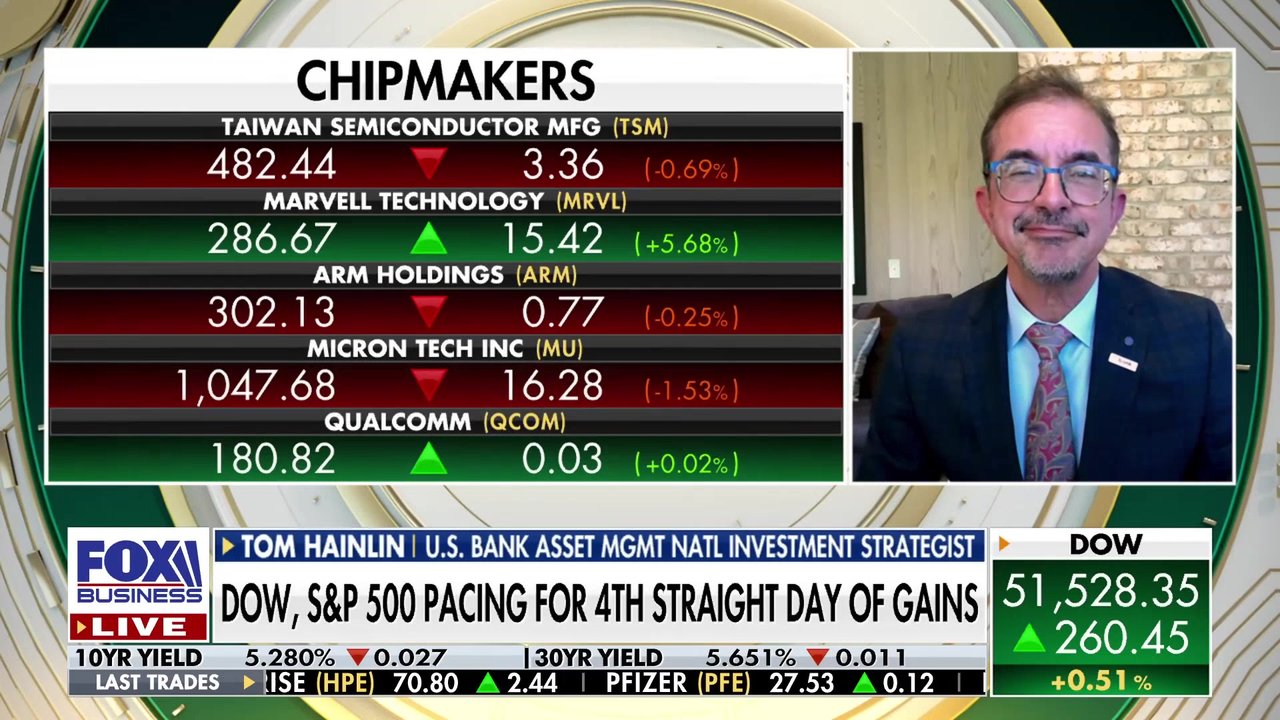
The AI infrastructure buildout is creating a paradoxical market environment for e-commerce sellers: massive institutional spending on chips, memory, and data centers ($90B+ in financing) is driving up energy costs and interest rates, which directly compress logistics margins and consumer purchasing power. TSMC reported Q3 revenues up 54.6% YoY to $46.7B, Samsung's operating profit surged 9x due to AI memory demand, and Applied Digital's recurring data-center revenue jumped 49% sequentially to $65.8M. However, this infrastructure boom is simultaneously raising oil prices toward $105/barrel and pushing borrowing costs higher—creating a dual squeeze on e-commerce operations.
For sellers, the immediate impact is operational cost inflation. Higher energy prices increase transportation expenses across all fulfillment channels (FBA, 3PL, and direct shipping), with logistics costs rising 8-15% for high-volume sellers shipping 1000+ units monthly. Simultaneously, elevated interest rates make inventory financing more expensive (Applied Digital's debt improved from 9.25% to 7% coupon, but baseline rates remain elevated), reducing working capital efficiency. Consumer spending power also contracts as energy inflation reduces discretionary income, particularly affecting non-essential categories like electronics, home goods, and apparel. This creates a margin compression scenario where sellers face simultaneous cost increases and demand headwinds.
However, the underlying AI infrastructure maturation presents a critical opportunity for sellers willing to adopt AI-powered automation. The transition from construction-phase to recurring revenue models (Applied Digital bringing 600+ megawatts online within 12 months vs. 250 previously) signals that AI infrastructure is becoming commoditized and accessible. Sellers should immediately deploy AI tools for: (1) Dynamic pricing optimization using predictive analytics to maintain margins despite cost inflation—AI pricing tools can recover 3-5% margin loss through real-time demand sensing; (2) Inventory automation to reduce carrying costs and working capital needs—AI forecasting reduces excess inventory by 20-30%, freeing capital for higher-velocity SKUs; (3) Logistics route optimization using AI to minimize shipping costs—algorithms can reduce per-unit fulfillment costs by 5-8% through carrier selection and consolidation. The financing environment, while challenging, rewards sellers with strong credit metrics (evidenced by Applied Digital's improved terms), making operational efficiency investments immediately ROI-positive.
Strategic positioning for the next 12 months requires sellers to treat AI adoption as a competitive moat rather than optional. Companies investing in AI-powered demand forecasting, dynamic pricing, and supply chain optimization will capture market share from competitors unable to absorb cost inflation. The infrastructure spending cycle is early-stage with sustained demand ahead (per the article), meaning energy costs will remain elevated through 2025. Sellers delaying automation adoption will face 15-25% margin compression by Q2 2025, while early adopters using AI tools can maintain or improve margins despite macroeconomic headwinds.
Questions 8
What specific AI tools and SaaS products should sellers evaluate for immediate deployment?
Priority tools by use case: (1) **Pricing optimization**: Repricing robots (Keepa, Helium 10 Dynamic Pricing, Amazon's native repricing), typical cost $50-200/month, ROI 200-400% within 6 months; (2) **Inventory forecasting**: Demand planning AI (Lokad, Demand Planning tools), cost $200-1000/month, reduces excess inventory 20-30%; (3) **Logistics optimization**: Route optimization and carrier selection (Flexport, Shippo), cost $100-500/month, reduces fulfillment costs 5-8%; (4) **Margin analysis**: Profitability dashboards (Sellics, Jungle Scout), cost $50-300/month, identify margin-vulnerable SKUs for optimization. For sellers with <$50K monthly revenue, start with native Amazon tools (repricing, forecasting) and Helium 10 ($99/month). For $50K-500K revenue, add Lokad or Demand Planning tools. For >$500K revenue, implement full suite including Flexport/Shippo. Applied Digital's transition to recurring revenue models indicates AI infrastructure costs are becoming commoditized—expect tool prices to decline 20-30% through 2025.
Should sellers increase prices now to offset rising costs, or use AI to optimize pricing dynamically?
Static price increases risk demand destruction in a consumer spending contraction environment. Instead, use AI dynamic pricing to optimize prices based on real-time demand, competitor pricing, and cost changes. This approach maintains volume while recovering margin loss—typically 3-5% margin recovery without volume loss. The news indicates consumer spending power is contracting due to energy inflation, so aggressive price increases will accelerate demand loss. Strategy: implement AI pricing tools that adjust prices by product, category, and demand segment—electronics and discretionary items can absorb smaller increases (2-3%), while essentials can sustain larger increases (5-8%). Monitor competitor pricing and demand signals weekly using AI tools to stay competitive. Sellers using dynamic pricing typically maintain volume while recovering 60-70% of margin loss from cost inflation, vs. 20-30% recovery from static price increases.