



Hormuz Crisis Drives 26-65x Freight Rate Spike | Ocean Freight Costs Hit 60-Year High
- Ocean freight rates surge to $1.3M daily (26-65x increase); US-China tanker charters exceed $80M; war risk insurance adds 6-10% vessel costs; sellers face immediate landed cost compression across all ocean freight routes















Overview
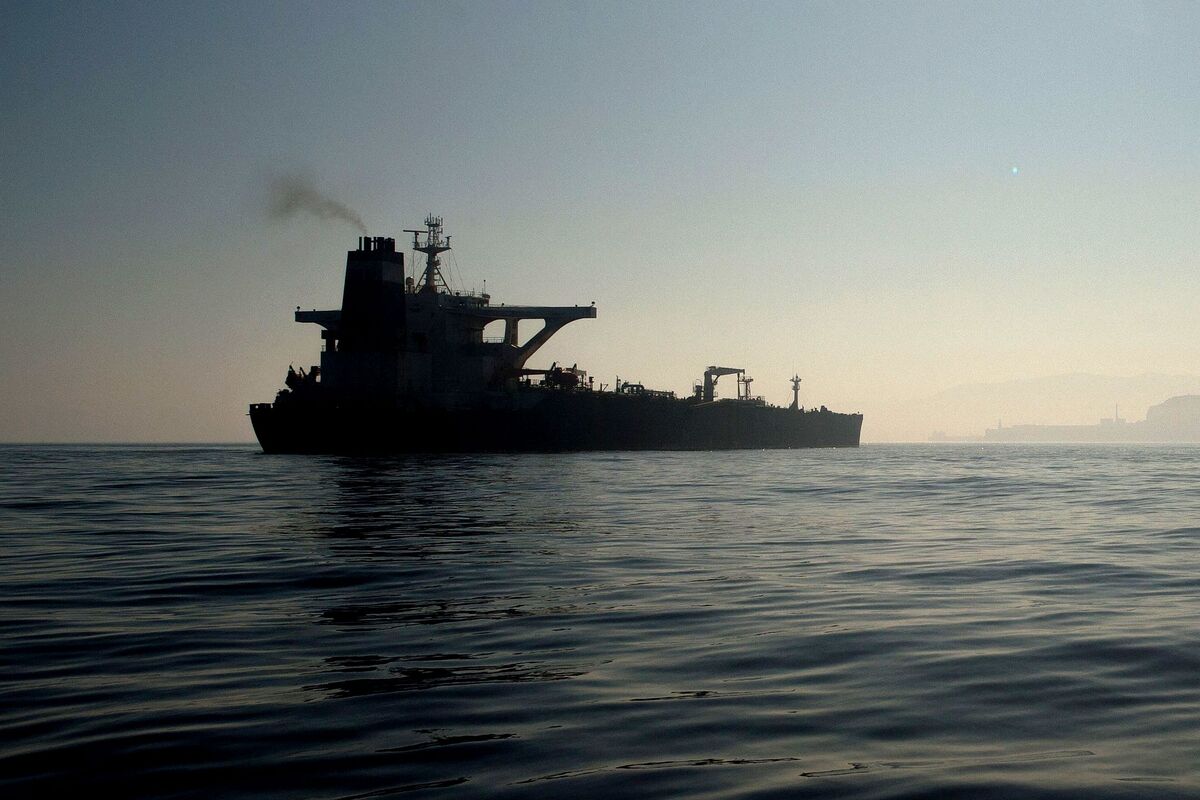
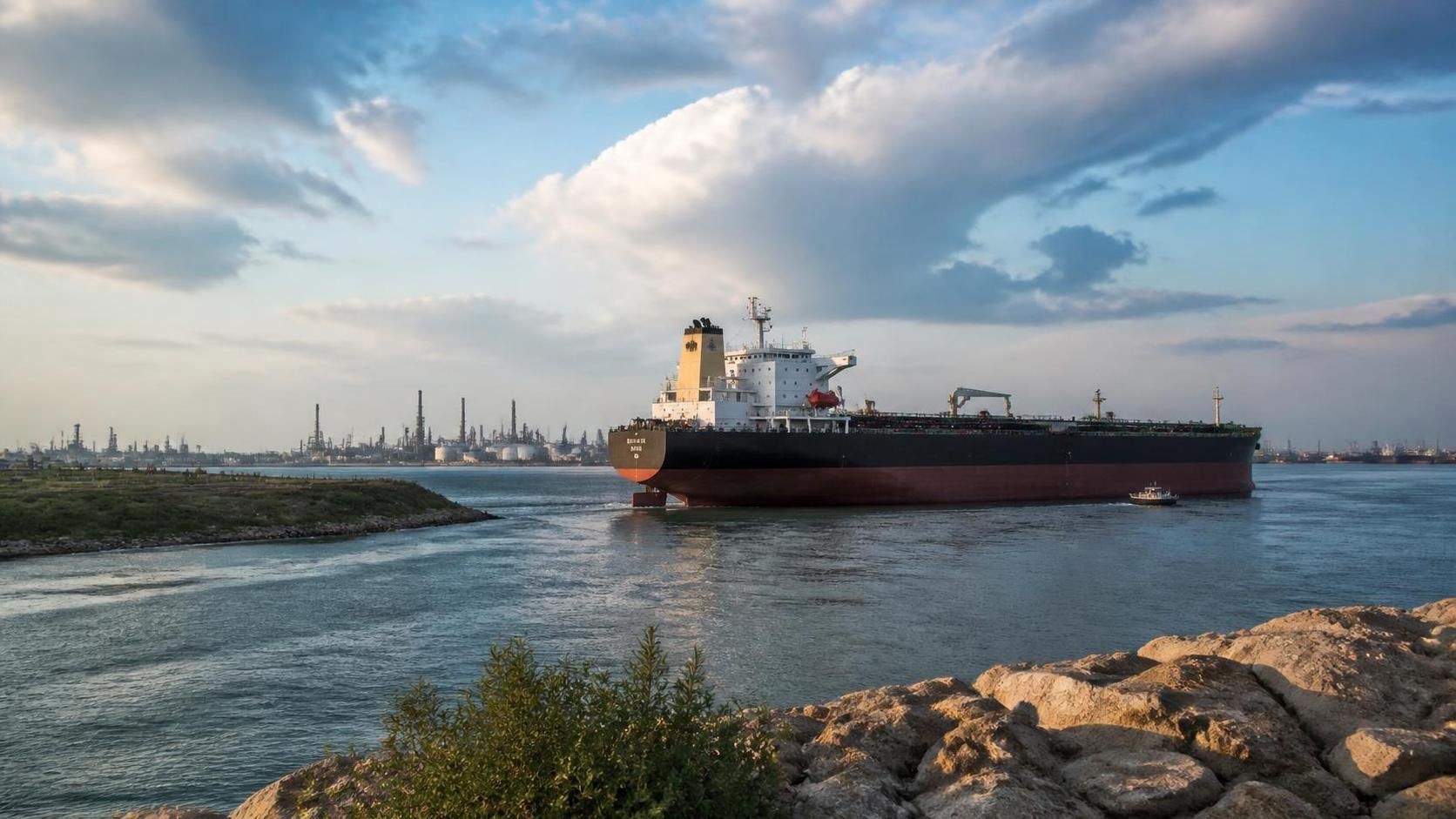
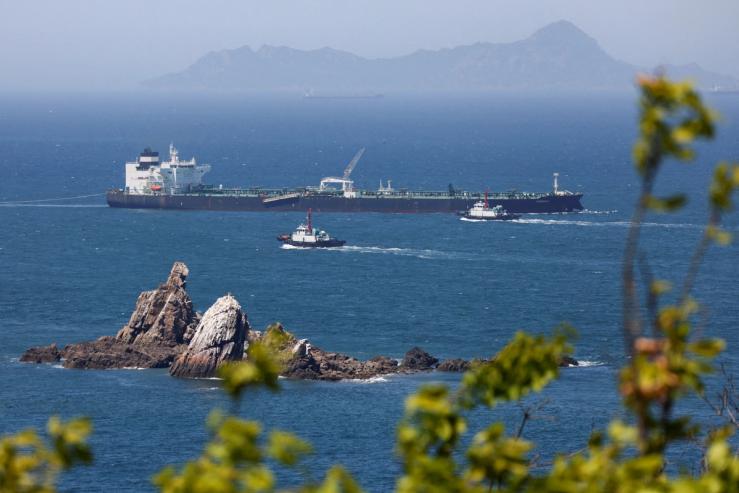
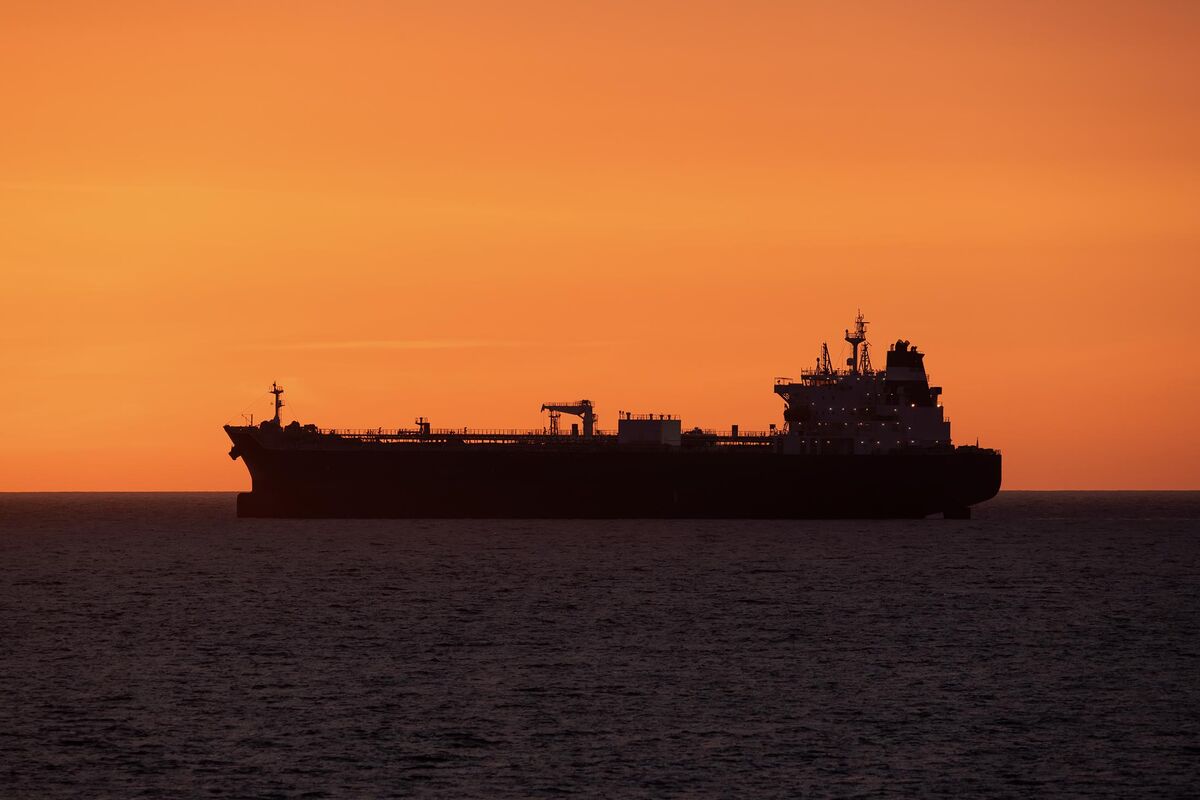
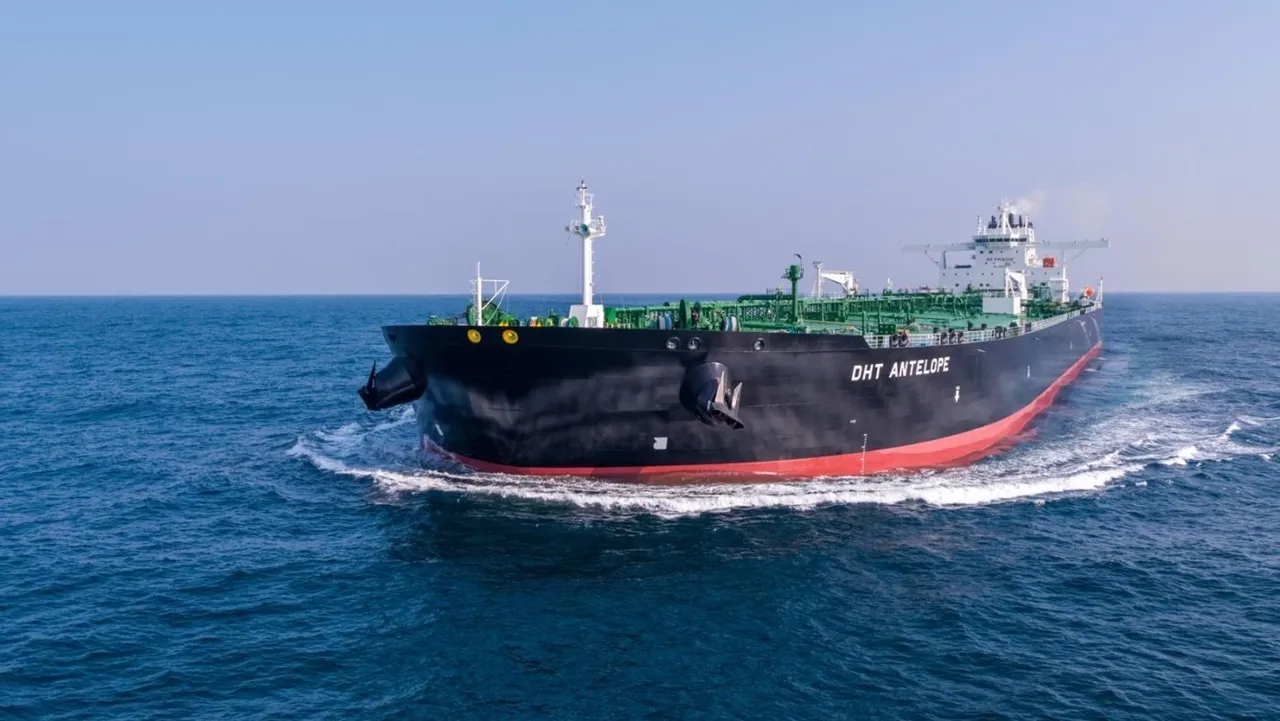
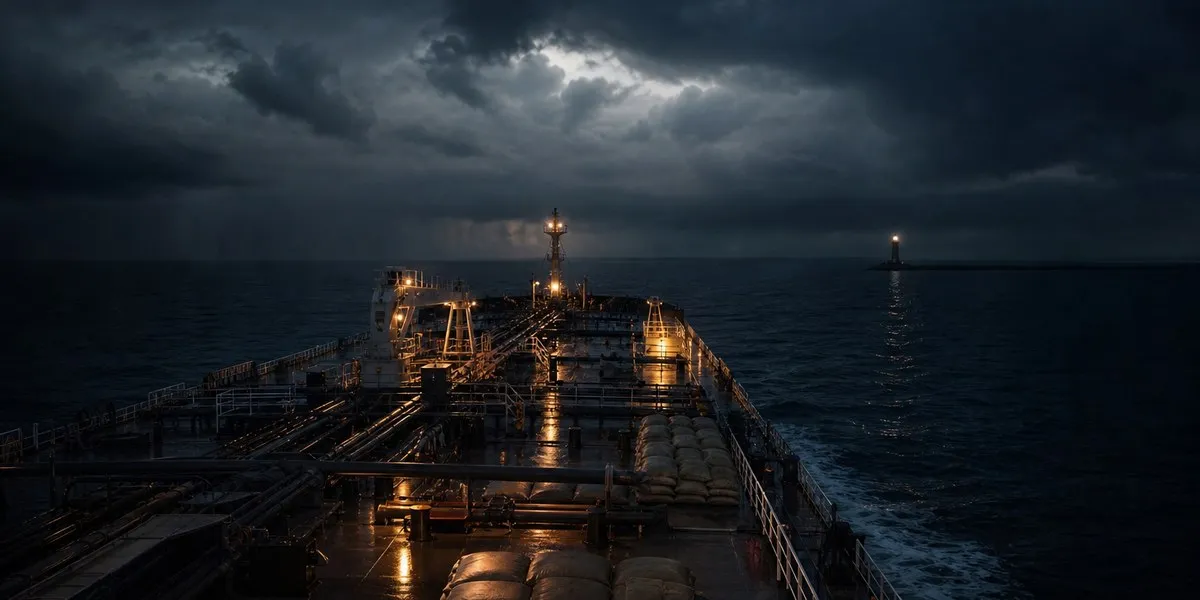
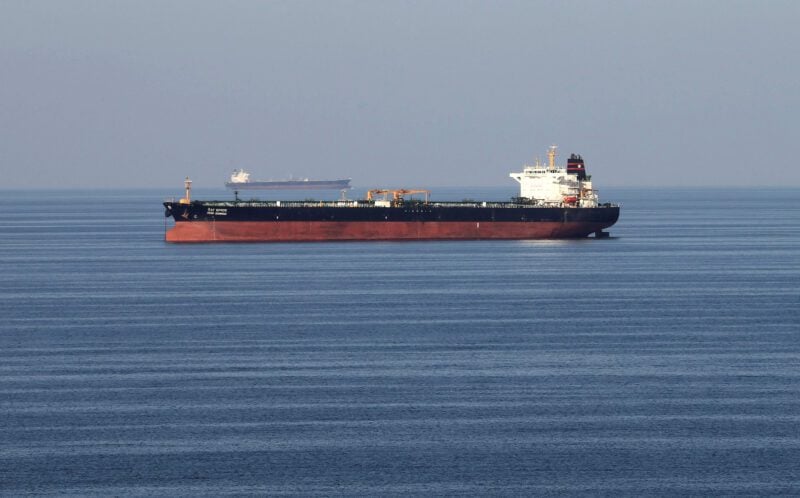
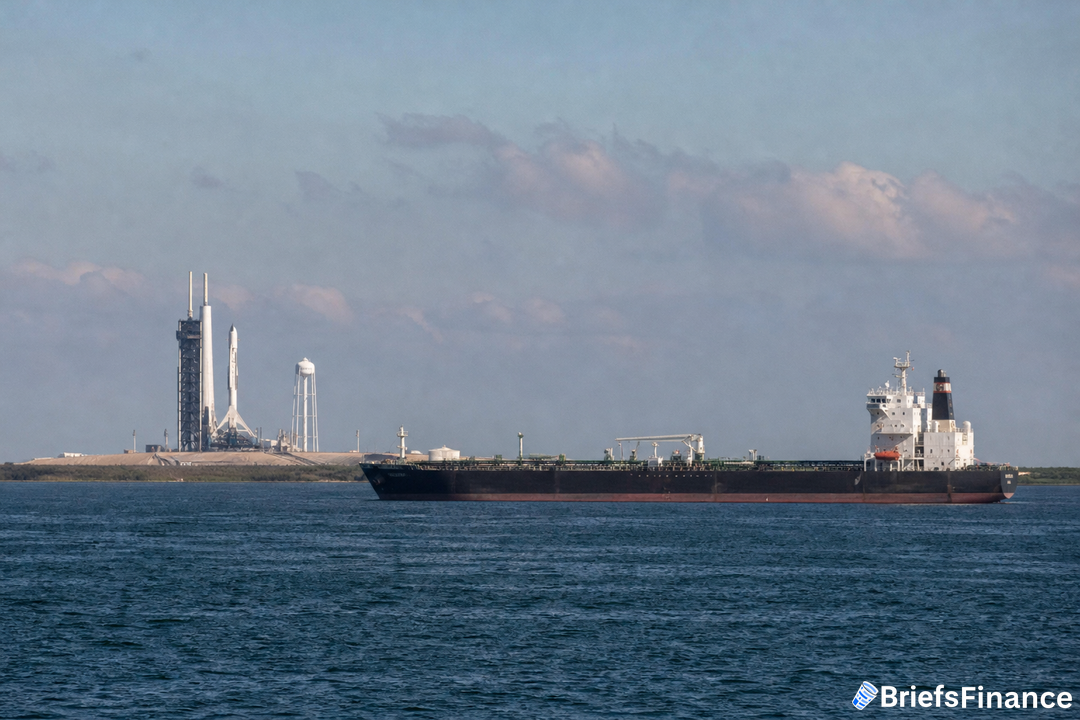
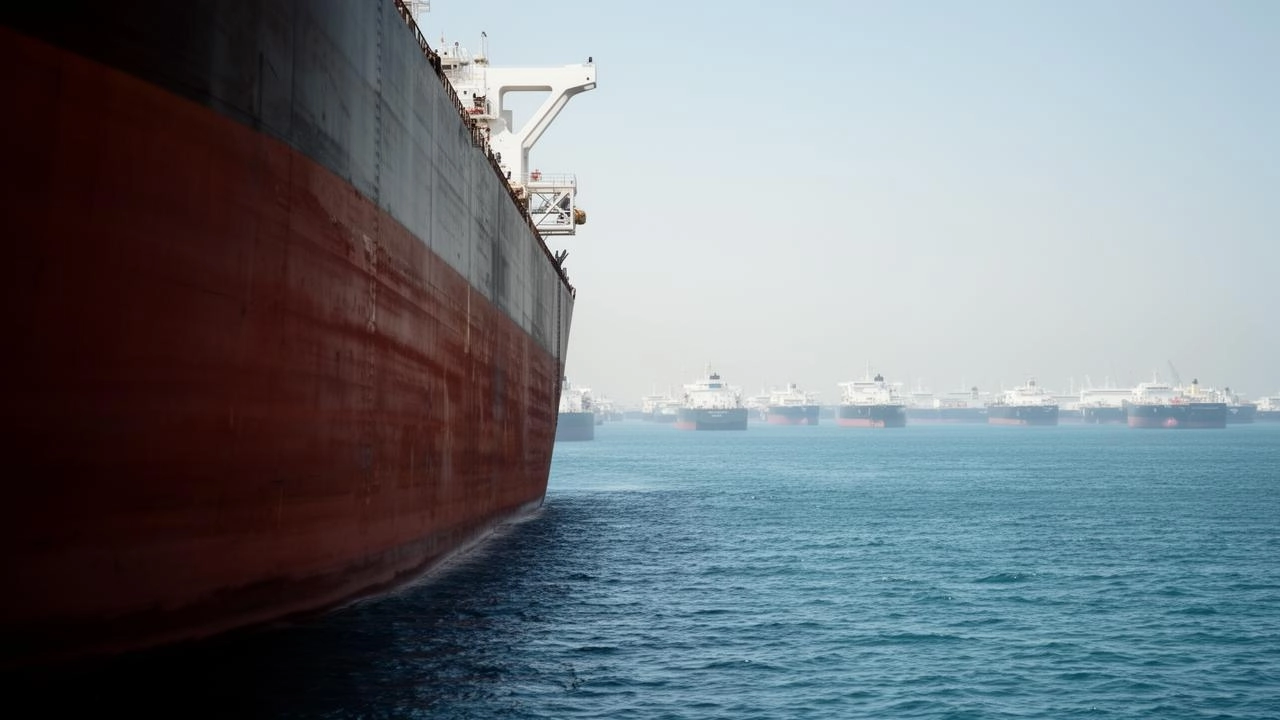
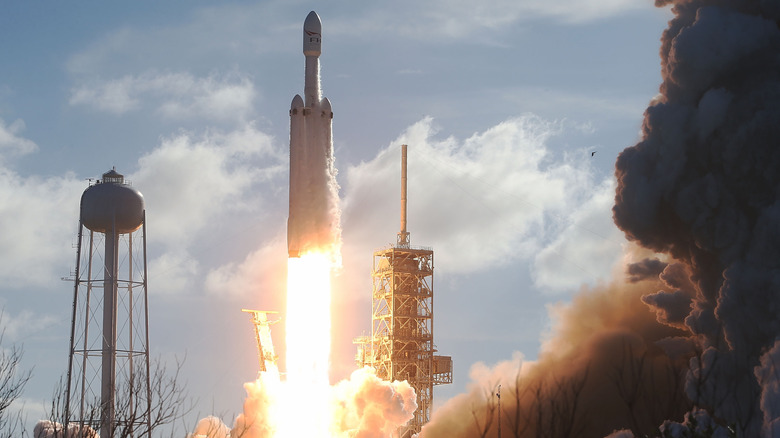
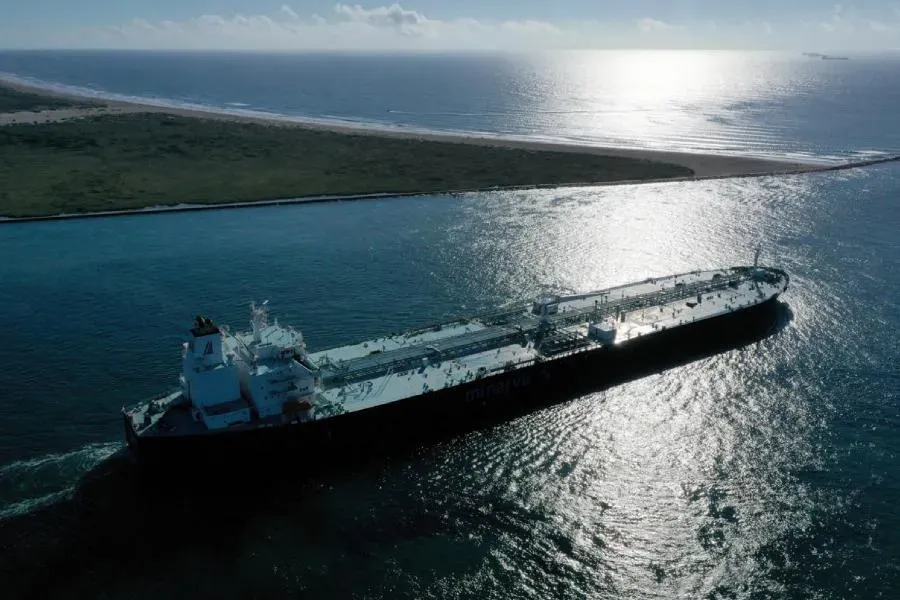
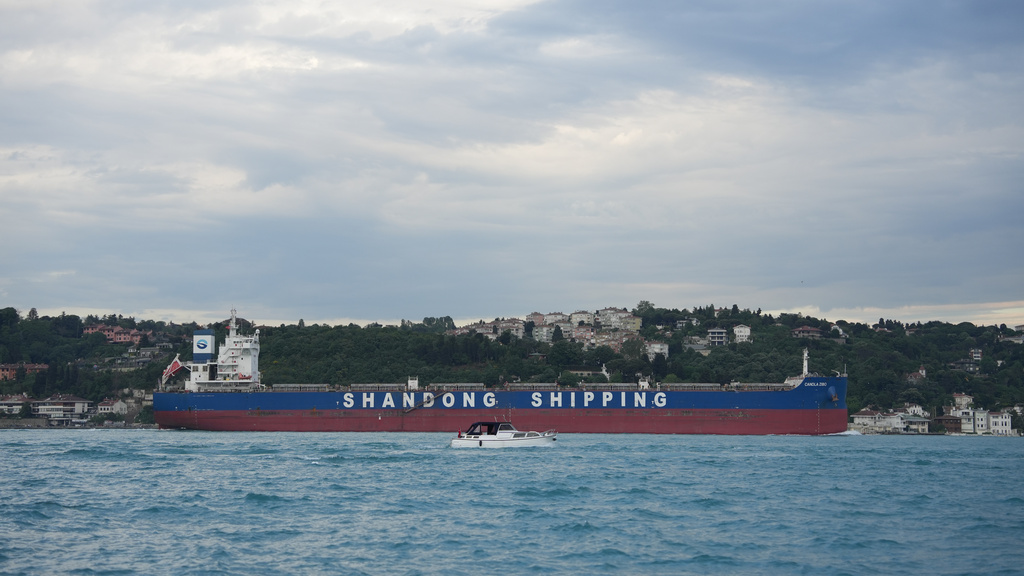
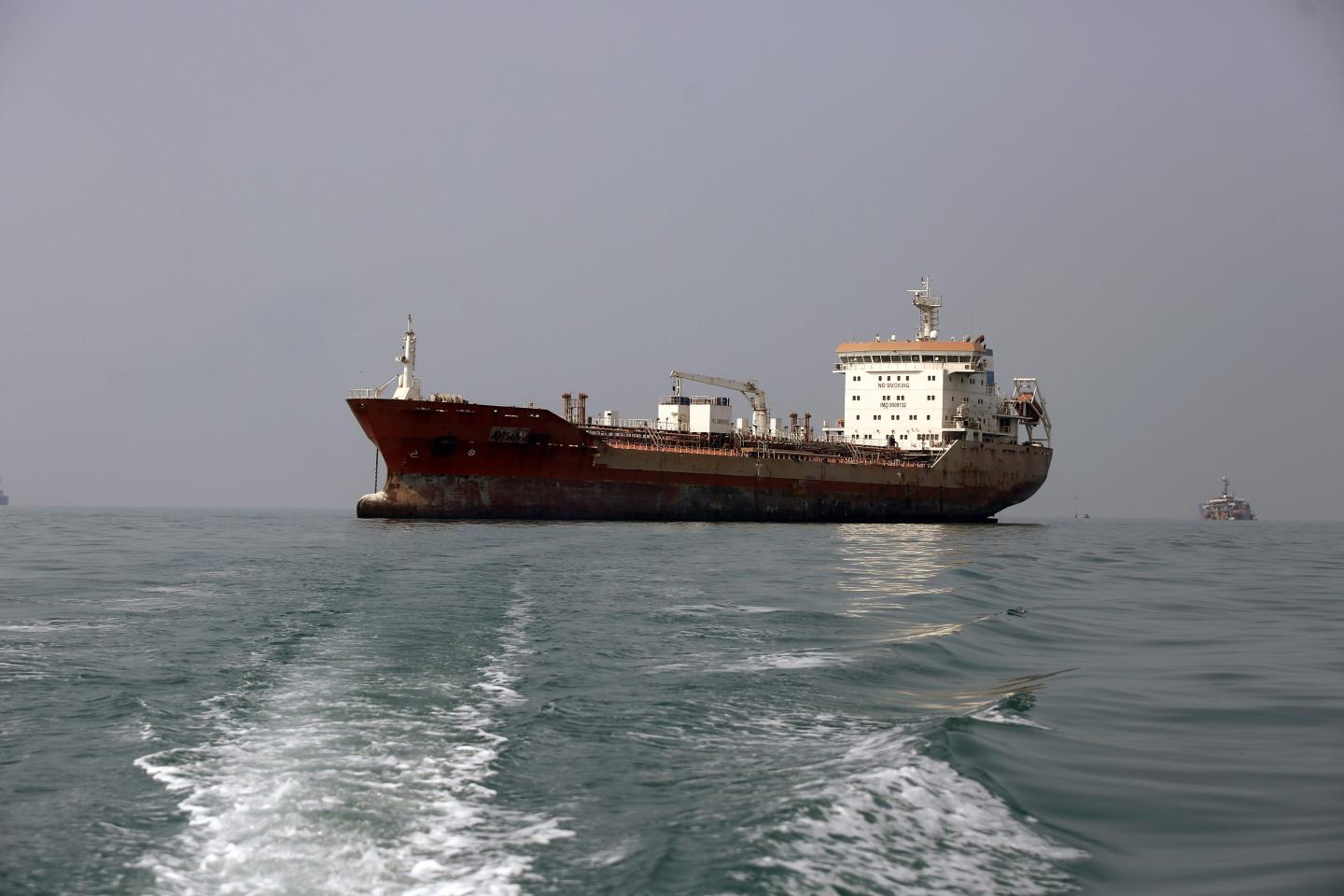
The Strait of Hormuz shipping crisis has triggered the most severe ocean freight cost inflation in 60+ years, directly impacting all cross-border e-commerce sellers relying on ocean freight. Since February 28, 2024, Iranian attacks have hit 93+ ships, killing 24 sailors and forcing unprecedented crew compensation (captains earning $100K/month + $50K bonuses vs. standard $15K salaries). Freight rates have skyrocketed to record $1.3 million daily—a 26-65 fold increase from last year's $20,000-50,000 baseline. Shipping a single tanker from the US to China now costs approximately $80 million, exceeding SpaceX Falcon 9 launch costs. War risk insurance alone commands 6-10% of vessel value, reaching $20 million for supertankers. Brokerage SSY confirms these are the highest rates since supertankers emerged in the 1960s, even inflation-adjusted.
For e-commerce sellers, this creates immediate landed cost compression across all ocean freight categories. The crisis affects three primary seller segments: (1) Importers from Asia to US/EU face 15-25% increases in per-unit shipping costs on standard 40-foot containers; (2) US exporters to China experience 20-30% cost inflation on return shipments; (3) Sellers of petroleum-derived products (cosmetics, plastics, packaging materials) face compounding pressures from both freight surcharges AND raw material cost increases. News 3 specifically identifies cosmetics/personal care, plastics/packaging, and expedited-shipping categories as most severely impacted. Small and medium-sized sellers lack negotiating power with carriers, absorbing full rate increases while large enterprises (oil producers, commodity traders) increasingly purchase their own tankers to bypass spot market rates.
The structural nature of this crisis demands immediate logistics strategy shifts. Unlike cyclical rate spikes that normalize within 6-12 months, current conditions reflect geopolitical escalation with potential for further Iranian attacks. European refiner Repsol's margins collapsed from $36/barrel (Q3) to $15/barrel (October), demonstrating how freight costs now dominate energy economics. Sellers must immediately: (1) Audit current shipping contracts for force majeure clauses and rate-lock opportunities; (2) Shift sourcing geography toward Southeast Asia (Vietnam, Thailand, Indonesia) and India, which offer 15-20% lower freight premiums via alternative Red Sea/Suez bypass routes; (3) Redistribute inventory to regional fulfillment centers (US East Coast, EU ports, Singapore) to reduce per-unit shipping distances; (4) Evaluate alternative fulfillment models—dropshipping from regional suppliers, FBA prepositioning, or POD (print-on-demand) for low-velocity SKUs to avoid ocean freight entirely. The 3-6 month time horizon suggests this is NOT a temporary adjustment but a structural market reset requiring permanent supply chain reconfiguration.
Questions 8
Should sellers shift to air freight or alternative fulfillment models?
**Air freight is NOT recommended** as a blanket solution—fuel surcharges have increased air freight costs 15-20% alongside ocean freight. Air freight costs $3-5 per kg vs. $0.08-0.12 per kg for ocean freight, making it viable only for high-margin products (>50% gross margin) or emergency inventory. **Better alternatives**: (1) **FBA prepositioning**—ship 6-month inventory to US/EU FBA centers now at current rates, locking in costs before further escalation; (2) **Dropshipping from regional suppliers**—Vietnam/India suppliers ship directly to customers, eliminating your ocean freight exposure; (3) **Print-on-demand (POD)**—for apparel, home goods, and customizable items, POD eliminates inventory holding and ocean freight entirely; (4) **3PL regional fulfillment**—partner with 3PLs in Singapore, Dubai, or Rotterdam to reduce per-unit shipping distances by 40-60%. Evaluate these models within 30 days based on your product category and margin profile.
What is the total landed cost impact for a typical seller importing from China?
For a seller importing 10,000 units from China to US at $5 per unit: **Previous landed cost** = $5 (product) + $0.80 (ocean freight at $20K/container) + $0.30 (tariffs/duties) = $6.10/unit. **Current landed cost** = $5 (product) + $1.20-1.50 (ocean freight at 26-65x increase) + $0.30 (tariffs) = $6.50-6.80/unit. This represents a **6-11% increase in landed cost**, compressing margins by $0.40-0.70 per unit. For a seller with 30% gross margins ($1.83/unit profit), this reduces profit to $1.13-1.43/unit—a 38-62% margin compression. Sellers must either increase retail prices 6-11%, reduce product costs through sourcing shifts, or reduce order volumes to maintain profitability.