



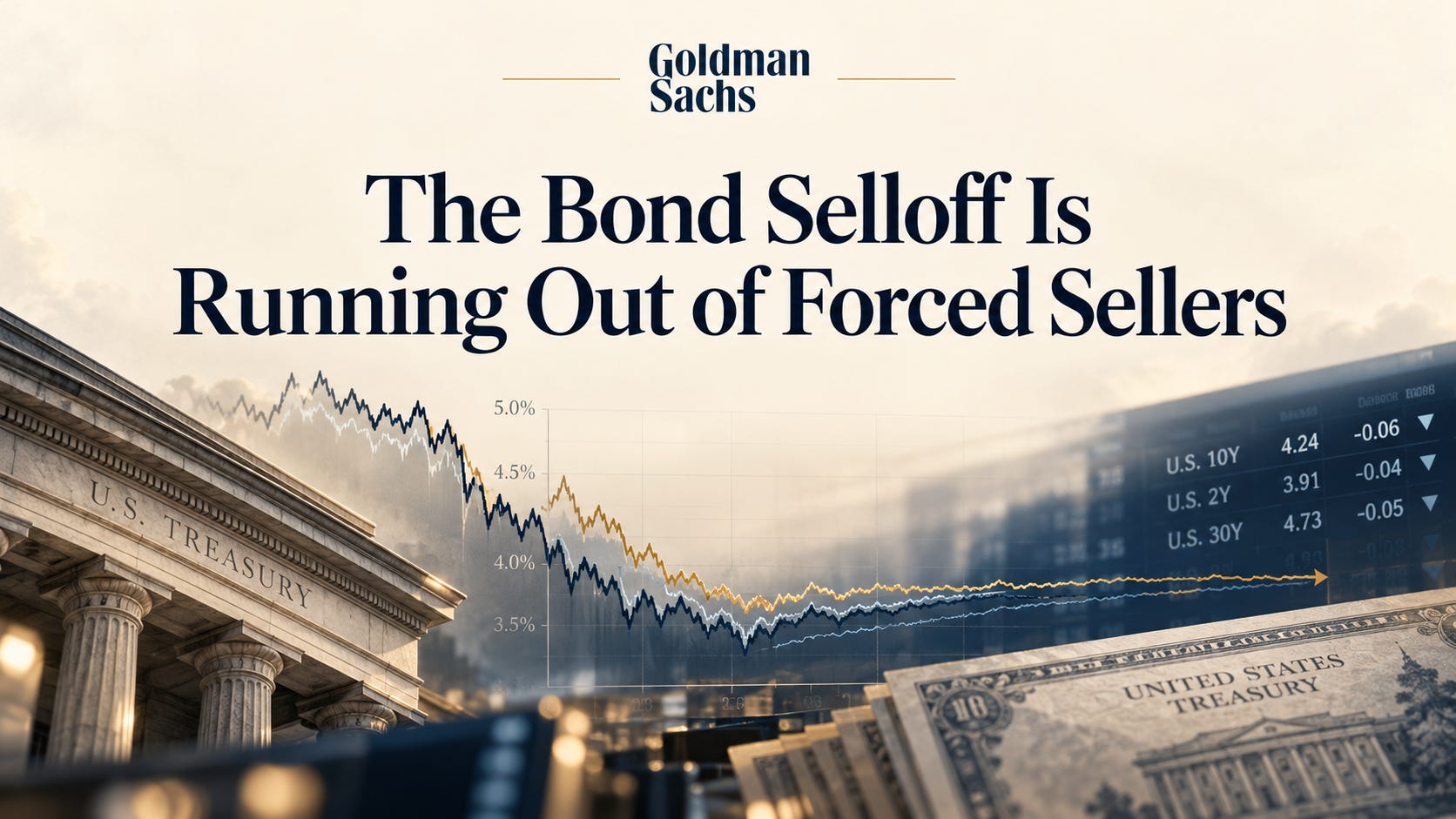
Bond Selloff & Rate Expectations | Cross-Border Sellers Face 200bps Repricing Impact
- Global bond yields surge to multiyear highs; 200 basis point repricing across 8 major economies reduces rate-hike expectations, creating immediate financing cost volatility for cross-border sellers managing multi-currency inventory and working capital

Overview
Market-Driven Monetary Tightening Reshapes Cross-Border Seller Financing Landscape
According to Bloomberg reporting from October 11, 2026, global bond markets are independently tightening financial conditions through a 200 basis point repricing of rate-hike expectations across eight major economies since mid-September 2026. This market-driven shift—where bond yields surge to multiyear highs rather than central banks raising rates uniformly—creates a fragmented monetary environment with differentiated impacts across regions and asset classes. For cross-border e-commerce sellers, this development directly impacts three critical operational areas: business financing costs, working capital availability, and currency valuations essential to international commerce.
Immediate Financing Cost Pressures for Inventory-Heavy Sellers
Sellers relying on credit lines, inventory loans, or trade financing face materially higher borrowing costs in the near term. The bond selloff increases yields on corporate debt instruments that underpin seller financing products—including Amazon Seller Financing, Shopify Capital, and traditional 3PL-backed inventory loans. Sellers with $500K-$5M annual revenue typically finance 40-60% of inventory through working capital facilities; a 200 basis point repricing translates to $10K-$60K in additional annual financing costs depending on facility size and currency exposure. Additionally, the fragmented rate environment means sellers with multi-currency exposure face divergent borrowing costs across jurisdictions: US-based sellers may see 2-3% rate increases on USD facilities, while EUR and GBP borrowing costs could diverge by 100-150 basis points, creating arbitrage opportunities but also hedging complexity.
Currency Volatility and FX Risk Management Complexity
The reduced expectation for uniform central bank rate hikes creates divergent monetary policy trajectories across regions. Sellers managing USD/EUR, USD/GBP, and USD/CNY exposure face heightened currency volatility as market participants reprice rate differentials. For example, if US bond yields remain elevated while European yields stabilize, the USD strengthens against EUR—directly impacting sellers with EUR-denominated costs (manufacturing, 3PL fees) and USD-denominated revenue. Cross-border sellers typically operate with 5-15% margin compression from FX volatility; the current environment could expand this to 8-20% without active hedging. Forward contracts and currency options become more expensive as implied volatility increases, raising hedging costs by 30-50% compared to pre-selloff levels.
Working Capital Acceleration and Cash Cycle Optimization Opportunities
While near-term financing costs rise, the reduced expectation for future rate hikes may eventually ease pressures—creating a window for sellers to optimize cash conversion cycles. Sellers should prioritize invoice factoring and supply chain financing products that lock in current rates before potential further repricing. Trade finance providers (Tradeshift, Fintech Acquisition Corp, traditional banks) are actively competing for cross-border seller relationships, offering 2-4% discounts on factoring rates for sellers with 90+ day payment terms. Sellers can reduce Days Sales Outstanding (DSO) by 15-25 days through aggressive factoring, freeing $50K-$500K in working capital depending on monthly revenue. Additionally, inventory optimization becomes critical: sellers should reduce SKU count by 20-30% and accelerate inventory turnover to minimize working capital tied up in slow-moving stock during this volatile period.
Strategic Implications for Multi-Currency Pricing and Hedging
The fragmented monetary environment requires sellers to adopt dynamic pricing strategies across regions. Sellers with exposure to 3+ currency pairs should implement automated FX hedging through providers like OFX, Wise for Business, or Payoneer's hedging tools—locking in rates for 30-90 day forward periods to reduce pricing uncertainty. For sellers with significant EUR or GBP exposure, consider shifting 10-20% of inventory sourcing to local suppliers in those regions to create natural hedges against currency depreciation. Additionally, sellers should monitor central bank communications closely: the 200 basis point repricing suggests market participants expect divergent policy paths, creating opportunities to arbitrage rate differentials through strategic timing of cross-border payments and repatriation of foreign earnings.
Questions 8
How does the 200 basis point bond repricing affect my inventory financing costs?
The 200 basis point repricing across eight major economies directly increases borrowing costs for inventory financing products. Sellers with $1M in annual inventory financing through Amazon Seller Financing or Shopify Capital will see rate increases of 1.5-2.5%, translating to $15K-$25K in additional annual costs. The repricing reflects market participants' assessment that bond market dynamics alone can control inflation without central bank rate hikes, but this creates near-term volatility in corporate lending rates. Lock in fixed-rate financing immediately if available; consider invoice factoring at 2-4% discounts to accelerate cash conversion and reduce working capital needs by 15-25 days.
What currency pairs face the highest volatility from divergent rate expectations?
USD/EUR and USD/GBP face the highest volatility because the repricing reflects divergent monetary policy expectations across regions. If US bond yields remain elevated while European yields stabilize, the USD strengthens against EUR—potentially 3-5% appreciation over 3-6 months. Sellers with EUR-denominated manufacturing costs and USD revenue face 8-20% margin compression without hedging. Use forward contracts to lock in rates for 30-90 day periods; costs have increased 30-50% due to higher implied volatility, but hedging remains essential. Monitor ECB communications closely—any dovish signals could trigger EUR appreciation and reduce hedging costs.