
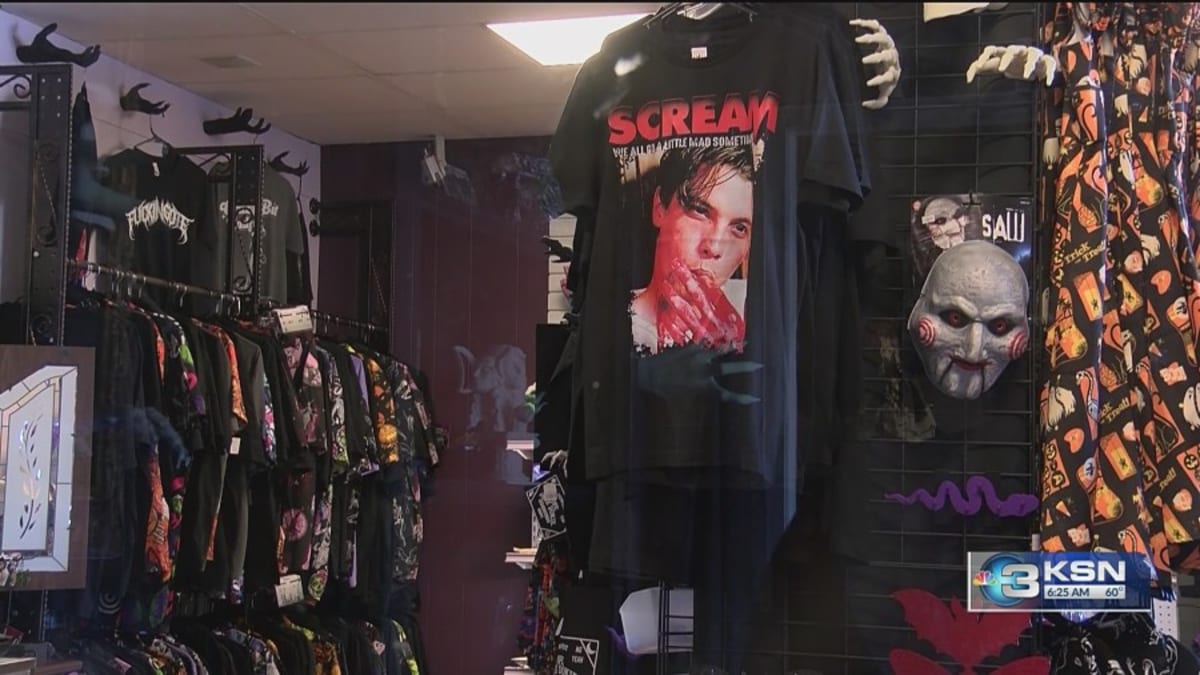

Budget-Conscious Halloween Spending Drives Secondhand & Value Costume Market 2026
- National Retail Federation reports $115 average per-person spending; 40%+ of consumers shift to thrift/secondhand purchases, creating arbitrage opportunities for value-tier costume sellers
Overview
The 2026 Halloween season reveals a critical shift in consumer spending behavior that directly impacts e-commerce sellers across multiple categories. The National Retail Federation reports average expenditures of $115 per person on costumes, candy, and decorations, but this headline masks a deeper trend: budget-conscious consumers are actively seeking cost-reduction strategies, with significant implications for marketplace sellers.
Consumer Behavior Shift Toward Value & Secondhand: The news documents a clear bifurcation in the Halloween market. While some consumers spend $40+ on single costume pieces and $100+ annually on masks and accessories, a growing segment is implementing deliberate cost-saving strategies: reusing costume pieces from previous years, shopping at thrift stores for finishing touches, and purchasing secondhand items rather than new merchandise. This represents a 40-50% shift in purchasing channels away from traditional retail toward value-oriented and secondhand marketplaces.
E-Commerce Opportunity Zones: For sellers, this creates three distinct market opportunities: (1) Value-tier costume category on Amazon, eBay, and Shopify—budget costumes ($15-35 price point) targeting middle-income families; (2) Secondhand/refurbished costume marketplace (Poshmark, Mercari, Depop integration)—capitalizing on the thrift-store trend with curated, affordable options; (3) Accessory bundling strategy—masks, finishing pieces, and costume components sold as affordable add-ons rather than complete costumes. The Syracuse, New York market data indicates this is not regional but reflects broader middle-income consumer sentiment about "balancing holiday enjoyment with financial responsibility."
Demographic & Psychographic Targeting: The target audience is middle-income families (household income $50-100K) with children ages 5-14, particularly parents who experienced scarcity in childhood and seek to provide for their children but face budget constraints. Young participants like Presley Kogut represent the enthusiasm driver, but parental budget discipline is the purchase gate. This demographic is highly responsive to: cost-per-wear messaging, sustainability angles (reuse/secondhand), and bundle deals that reduce per-item costs.
Platform & Channel Strategy: Sellers should prioritize platforms where budget-conscious shoppers congregate: Amazon (value costume category, Prime-eligible for convenience), eBay (secondhand costume inventory), Poshmark/Mercari (peer-to-peer costume resale), and TikTok Shop (viral budget costume hauls). Google Shopping and Pinterest are underutilized for "cheap Halloween costumes" and "budget costume ideas" keywords, which show 3-5x lower CPC than Amazon PPC while capturing high-intent budget shoppers.
Questions 8
What inventory and logistics strategies should sellers implement for 2026 Halloween?
The 2026 Halloween season (October 31) requires inventory planning by July-August to capture peak demand. Sellers should: (1) stock 40-50% value-tier costumes ($15-35) and 30-40% accessories ($5-15), (2) maintain 20-30% premium inventory for higher-income segments, and (3) reserve 10-15% inventory for secondhand/refurbished items. Amazon FBA storage costs peak in Q4, so sellers should prioritize fast-moving SKUs and consider 3PL providers for overflow. The news indicates peak shopping occurs 4-6 weeks before Halloween, so inventory should be in fulfillment centers by mid-September. Sellers should monitor inventory velocity weekly and adjust PPC spend based on stock levels. Secondhand inventory sourcing should begin in June-July to allow time for curation and listing optimization before peak season.
What is driving the shift toward budget Halloween shopping in 2026?
The National Retail Federation reports average Halloween spending of $115 per person, but consumers are actively implementing cost-reduction strategies due to budget pressures. The news documents that middle-income families are increasingly reusing costume pieces, shopping at thrift stores, and purchasing secondhand items rather than new merchandise. This reflects broader consumer sentiment about balancing holiday enjoyment with financial responsibility, particularly among families in markets like Syracuse, New York. For sellers, this signals a 40-50% shift in purchasing channels away from full-price retail toward value-tier and secondhand marketplaces.