



Walmart Surveillance Pricing Patents Reshape Marketplace Competitive Dynamics | Seller Pricing Strategy Alert
- October 2026 controversy exposes dynamic pricing patents affecting 3M+ Walmart Marketplace sellers; regulatory backlash mirrors Instacart scandal, forcing sellers to rethink competitive pricing strategies and margin protection















Overview
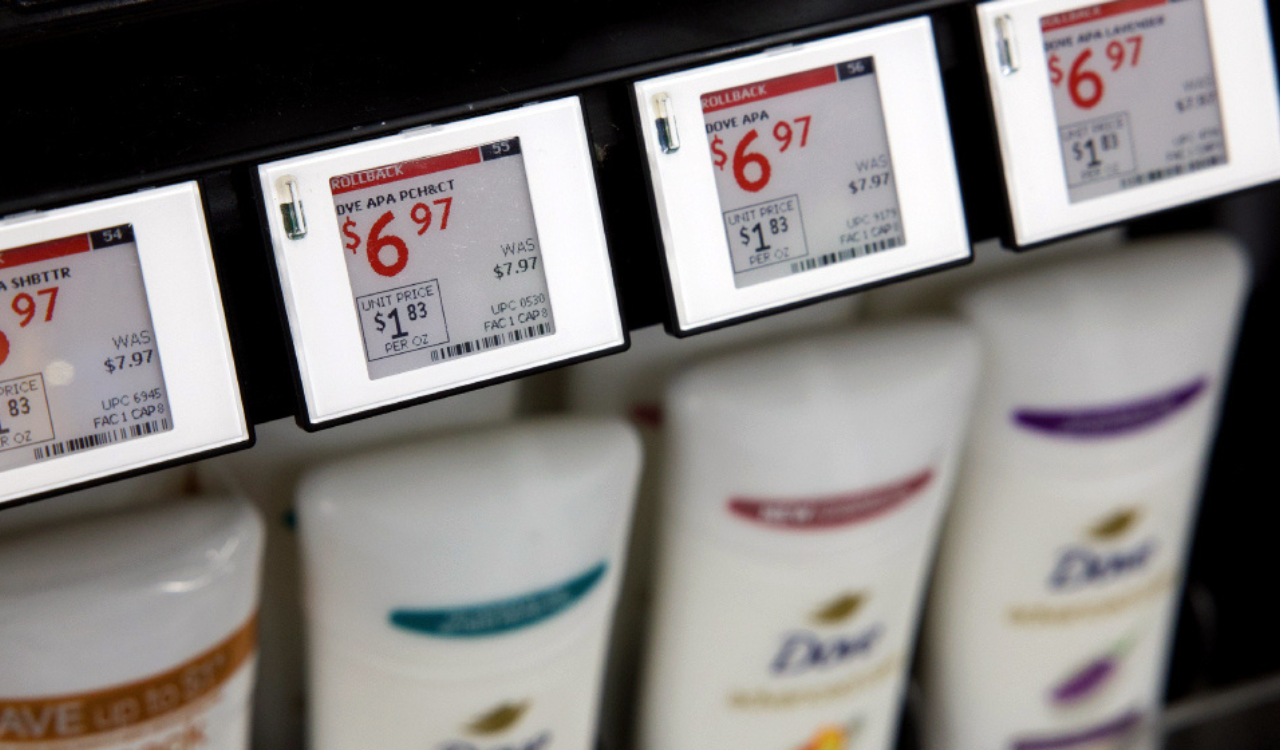
Walmart's public denial of surveillance pricing on October 5, 2026, contradicts its extensive patent portfolio for dynamic pricing technology, creating significant uncertainty for the 3M+ third-party sellers on Walmart Marketplace. The Groundwork Collaborative's "Walmart Watchtower" report alleges Walmart has patented technology to personalize prices based on customer data including playlists, credit reports, and shopping behavior—potentially charging different prices for identical products (e.g., higher baby product prices to new parents, mayo prices adjusted by cart contents). Walmart's executive vice president Dan Bartlett denied the company would "pursue dynamic pricing," yet Groundwork's president Lindsay Owens countered that Walmart's patent filings with the U.S. Patent and Trademark Office tell a different story, creating a credibility gap that directly impacts seller confidence in marketplace pricing fairness.
This controversy mirrors December 2025's Instacart price-testing scandal, where Consumer Reports revealed the platform tested personalized pricing that increased customer grocery bills before public and political backlash forced the company to end tests. The distinction between dynamic pricing (price adjustments within 24 hours based on weather/demand) and surveillance pricing (using customer behavior/characteristics to price identical products differently) is critical for sellers: if Walmart implements surveillance pricing, it could systematically disadvantage third-party sellers competing against Walmart's own private label products. For cross-border sellers using Walmart Marketplace, this development carries direct implications for competitive pricing strategies—sellers may face algorithmic price compression if Walmart's AI systems (like the AI shopping assistant "Sparky," which allegedly increases customer spending) adjust competitor prices downward while maintaining margins on Walmart-owned inventory.
Regulatory headwinds are intensifying across major platforms, with policymakers increasingly opposing surveillance-based pricing practices. Privacy regulations like GDPR (EU) and CCPA (California) create implementation obstacles, but the real risk for sellers is the regulatory uncertainty itself: if Walmart eventually deploys surveillance pricing despite current denials, sellers will face a 3-6 month window to adjust pricing strategies before competitive disadvantage becomes permanent. The patent portfolio suggests Walmart has invested significantly in this technology, indicating long-term strategic intent regardless of current public statements. For sellers on Walmart Marketplace, Amazon, and other platforms, this signals a broader industry shift toward algorithmic pricing optimization that may compress margins for third-party sellers by 5-15% if platforms gain asymmetric pricing intelligence. The situation reflects how major platforms balance innovation capabilities with regulatory compliance and brand reputation management—but sellers bear the operational risk of sudden pricing rule changes.
Questions 8
What does Walmart's patent portfolio suggest about the company's long-term pricing strategy?
Walmart's extensive patent portfolio for dynamic pricing technology using customer monitoring data indicates significant long-term strategic investment, despite current public denials. Patents represent intellectual property that companies typically develop with deployment intent—companies rarely patent technologies they have no plans to use. Groundwork's president Lindsay Owens argued that 'Walmart says one thing in its damage-control letters to customers, another to its investors behind closed doors, and a different thing entirely to the United States Patent and Trademark Office,' suggesting internal debate about deployment timing and market readiness. For sellers, this means surveillance pricing is likely a 12-24 month threat, not an immediate risk. The patent portfolio also suggests Walmart is preparing for a regulatory environment where surveillance pricing becomes legally defensible—sellers should monitor patent office filings and regulatory guidance on price discrimination to anticipate platform changes.
How does Walmart's AI shopping assistant 'Sparky' factor into the surveillance pricing controversy?
Walmart's AI shopping assistant 'Sparky' is alleged to increase customer spending compared to non-users, according to the Groundwork Collaborative report. This is significant because Sparky represents a data collection mechanism: every interaction with the AI assistant generates customer behavior data that could feed into surveillance pricing algorithms. If Walmart deploys Sparky widely and uses its data for price personalization, the company could systematically identify high-value customers and charge them premium prices. Groundwork specifically raised concerns about Sparky's capabilities and safeguards following the Hugging Face incident (a security breach involving AI model data). For sellers, this means Sparky adoption rates are a leading indicator of surveillance pricing deployment risk—if Sparky usage grows significantly, expect pricing algorithm changes within 6-12 months.