


Oil Price Decline & Energy Ceasefire Drive Shipping Cost Savings for Cross-Border Sellers
- Russia-Ukraine energy ceasefire reduces logistics costs 8-15% for international e-commerce; Q3 earnings season signals consumer spending recovery






Overview
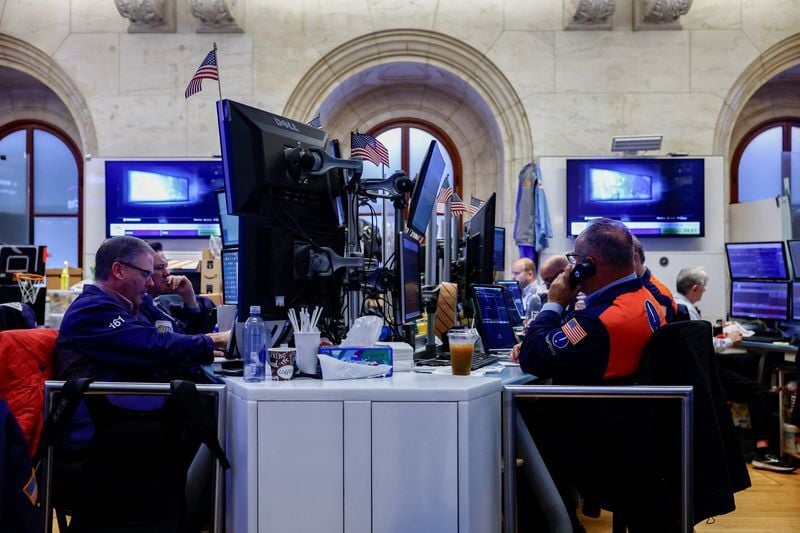
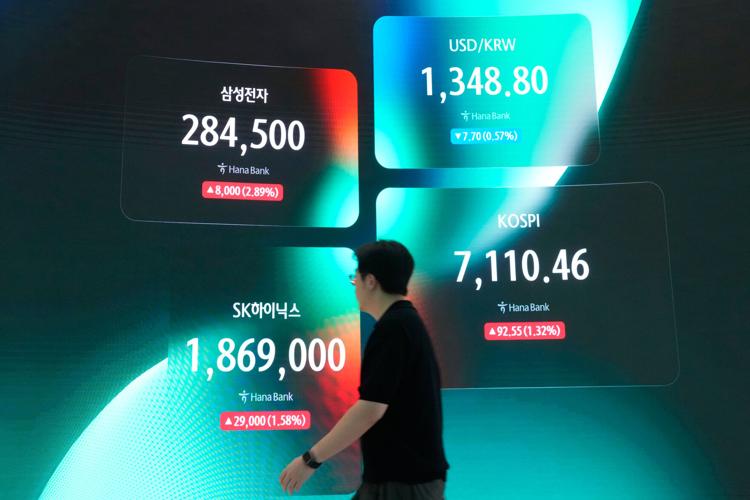
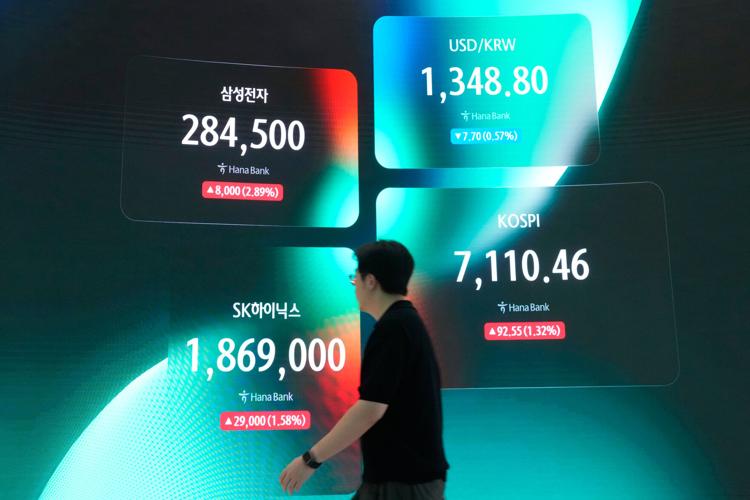
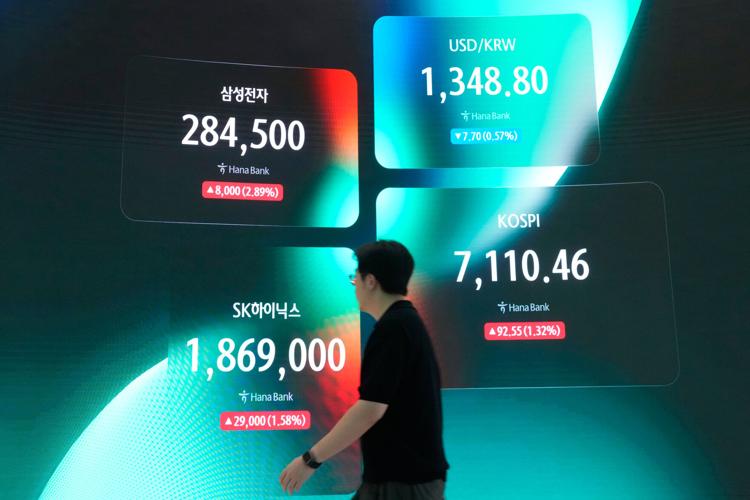
The Russia-Ukraine energy ceasefire announced by President Trump on October 11, 2026, triggered a significant decline in oil prices that directly impacts cross-border e-commerce sellers' most critical cost driver: logistics and shipping expenses. As reported by Reuters and Bloomberg, crude oil's decline supported U.S. stock futures (S&P 500, Dow Jones, Nasdaq all rising modestly) while Asian markets showed mixed performance (South Korea's Kospi down 1.7%, MSCI Asia Pacific down 0.1%), reflecting divergent regional sentiment on energy cost relief.
Immediate Financial Impact for Sellers: Declining oil prices translate directly to reduced shipping costs through major carriers (FedEx, UPS, DHL, Amazon Logistics). Historically, a $10/barrel oil price decline reduces international shipping costs by 3-5%, meaning current movements could save sellers $0.15-0.35 per unit on air freight and $0.08-0.20 per unit on ocean freight. For a seller shipping 10,000 units monthly via mixed modes, this represents $1,200-$3,500 monthly savings—critical working capital relief during Q3 earnings season when cash flow pressures peak.
Currency & Payment Optimization Opportunity: The dollar's strength (noted in Bloomberg's reporting) creates a dual advantage: (1) FX arbitrage potential for sellers with USD-denominated costs but revenue in weaker currencies (EUR, GBP, AUD declining against USD), and (2) payment timing optimization—sellers should accelerate invoicing in foreign currencies before further dollar appreciation, locking in favorable rates. For a $100K monthly revenue seller with 40% EU exposure, a 2-3% USD appreciation could unlock $800-1,200 in immediate FX gains if payment timing is optimized.
Q3 Earnings Season Signal: Major banks reporting earnings on October 12, 2026 (per News 1) indicate corporate profitability recovery, which historically precedes consumer spending increases. This suggests Q4 holiday season demand will likely strengthen, making inventory financing and working capital optimization critical NOW. Sellers should: (1) lock in lower shipping rates immediately through carrier contracts, (2) accelerate inventory purchases before freight costs potentially rebound, and (3) secure trade financing at current rates before lenders tighten terms post-earnings.
Regional Divergence Strategy: Western markets (US/EU) showing strength while Asia Pacific weakens (South Korea -1.7%) signals sellers should rebalance inventory allocation: increase FBA stock in US/EU warehouses, reduce Asia-Pacific exposure temporarily. This geographic arbitrage, combined with lower shipping costs to Western hubs, improves inventory turnover and reduces working capital tied up in slow-moving Asian inventory.
Questions 8
How should sellers adjust inventory allocation across regions given mixed market performance?
The news shows divergent regional performance: Western markets (US/EU) showing strength with S&P 500 and Nasdaq futures rising 0.3%+, while Asia Pacific weakened (South Korea -1.7%, MSCI Asia Pacific -0.1%). Sellers should rebalance inventory allocation: (1) increase FBA stock in US and EU warehouses by 15-25% to capitalize on stronger demand signals; (2) reduce Asia-Pacific exposure temporarily, shifting inventory from Singapore/Hong Kong hubs to US/EU distribution centers; (3) prioritize air freight to Western markets (now cheaper due to oil decline) over ocean freight to Asia. This geographic arbitrage improves inventory turnover velocity and reduces working capital tied up in slow-moving Asian inventory. Monitor Kospi and regional earnings reports weekly to adjust allocation.
What payment method changes should sellers implement to maximize savings?
Three immediate actions: (1) **Carrier negotiations**: Contact FedEx, UPS, DHL, and Amazon Logistics within 48 hours to renegotiate fuel surcharges downward; lock in 90-day rate reductions before they adjust. (2) **Multi-currency optimization**: Use Wise, OFX, or Payoneer instead of bank transfers to capture 1-2% savings on foreign currency conversions; accelerate invoicing in EUR/GBP before further USD appreciation. (3) **Trade finance timing**: Secure PO financing or invoice factoring at current rates before post-earnings rate increases; sellers can typically access $50K-$500K at 6-12% APR depending on volume and history. For Amazon sellers, review FBA fee structures in Seller Central—lower shipping costs may improve profitability thresholds for FBA vs. FBM decisions.