




Asia-Pacific Geopolitical Volatility Reshapes Cross-Border Logistics Costs and Currency Pricing for E-Commerce Sellers
- Diesel price swings and yuan strengthening create 8-15% margin compression for sellers sourcing from or shipping to Asia; immediate hedging and pricing adjustments required by October 15




Overview
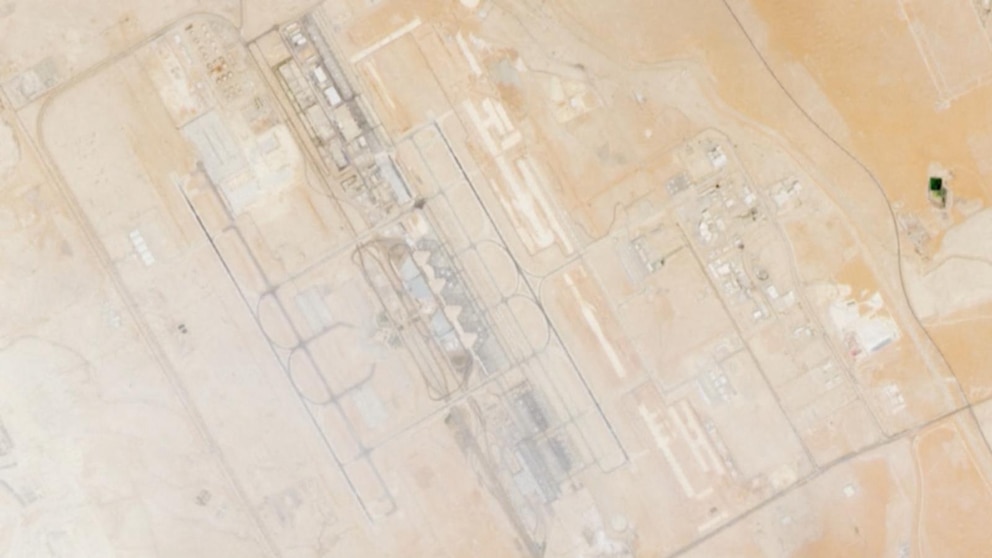
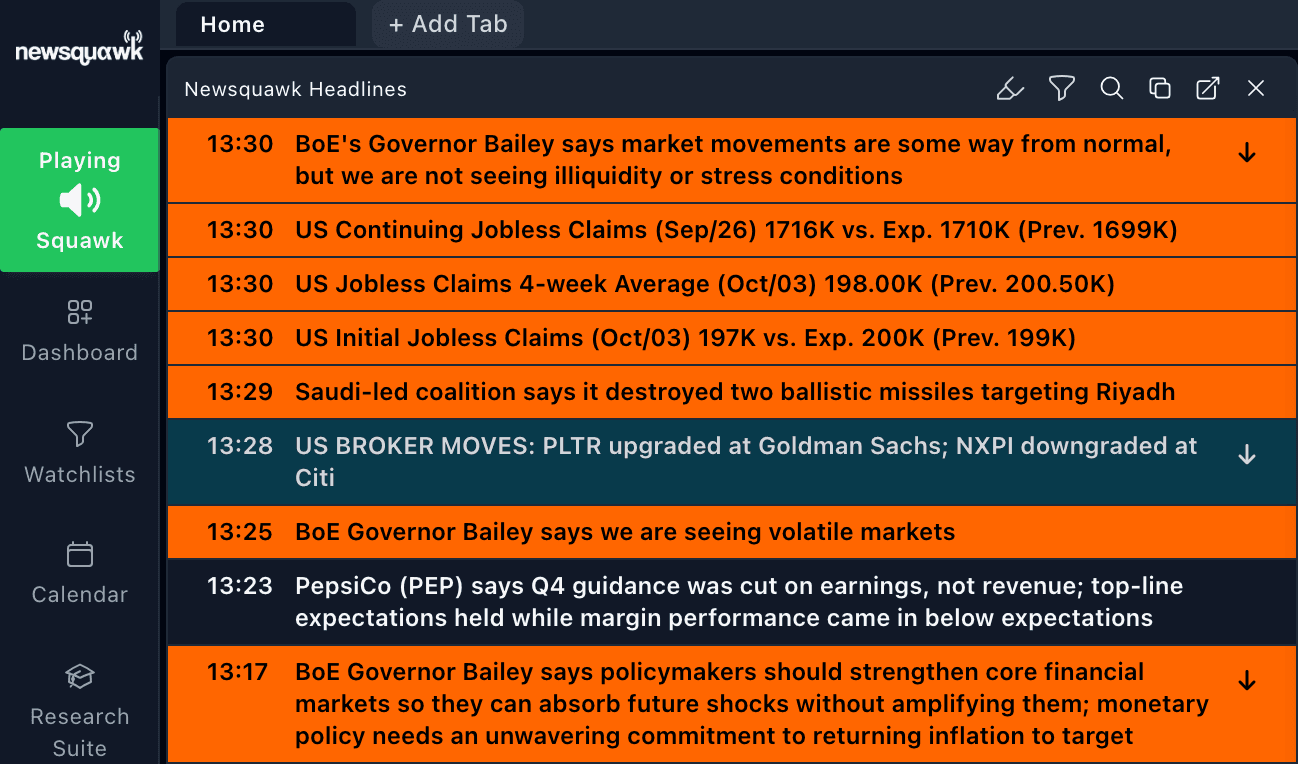
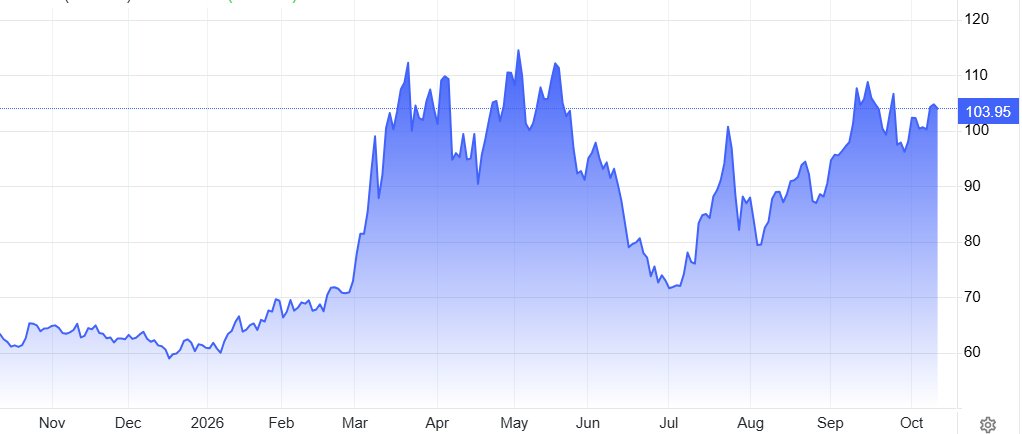
October 12, 2026 geopolitical developments are creating immediate operational and financial headwinds for cross-border e-commerce sellers, particularly those with supply chains anchored in Asia or shipping routes through the Middle East. The news reports multiple simultaneous shocks: Houthi attacks on Saudi Arabia's Riyadh and Dammam airports (third strike in a week), a claimed Russia-Ukraine energy ceasefire with unconfirmed implementation, and significant currency movements driven by central bank interventions. These events directly impact seller profitability through three mechanisms: (1) Logistics Cost Volatility: Russia's partial lifting of its diesel export ban (500,000 tons cleared for international markets) creates uncertainty in fuel pricing. The International Energy Agency's October 15 board meeting will determine emergency diesel releases, creating a critical decision window for sellers. Diesel price swings of 5-12% directly translate to last-mile delivery cost increases of $0.50-$2.00 per unit for standard packages, compressing margins by 8-15% for sellers operating on 10-20% net margins. (2) Currency Headwinds for Asia-Based Operations: China's yuan reached its strongest level since February 2023 (6.7313 reference rate), while India's Reserve Bank unveiled one of its largest currency-support packages since 2013, including special dollar windows for state oil companies. For sellers sourcing electronics, apparel, or home goods from China or India, a strengthening yuan/rupee increases input costs by 3-8% when converted back to USD or EUR, directly reducing competitiveness on Amazon, eBay, and Shopify. Sellers with unhedged exposure face immediate margin compression. (3) Supply Chain Risk Premium: Geopolitical tensions affecting shipping routes through the Strait of Hormuz and Red Sea (where Houthi attacks occurred) create insurance cost increases and potential routing delays. Sellers shipping high-value electronics or time-sensitive inventory face 2-4 week delays and 15-25% insurance premium increases. TSMC's expected sixth consecutive record quarter reflects strong AI demand, signaling continued component supply constraints for tech-focused sellers—those selling smart home devices, AI-powered gadgets, or electronics will face sustained component shortages and pricing power erosion despite strong demand. The thin market liquidity (Japan closed, US Treasury markets closed) amplifies price movements, creating both risks and arbitrage opportunities for sellers with flexible pricing algorithms.
Questions 8
How do Houthi attacks on Saudi airports affect my shipping costs as a cross-border seller?
Houthi attacks on Riyadh and Dammam airports (the third strike in a week) disrupt Middle East logistics hubs and increase insurance premiums for shipments routing through the region. Sellers using DHL, FedEx, or UPS services that transit the Middle East face 15-25% insurance cost increases and potential 2-4 week routing delays. For a seller shipping 500 units monthly via international carriers, this translates to $1,500-$3,000 in additional monthly costs. Consider rerouting through alternative hubs (Singapore, Dubai alternatives) or consolidating shipments to reduce frequency and insurance exposure. Monitor the situation daily through carrier alerts and adjust inventory positioning accordingly.
What does the Russia-Ukraine energy ceasefire mean for my diesel-dependent logistics?
Trump's announced Russia-Ukraine energy ceasefire is unconfirmed—Ukrainian President Zelenskyy reported Russian strikes on power plants in Kharkiv and Kyiv within hours. Russia's partial lifting of its diesel export ban (500,000 tons cleared) creates price uncertainty. The International Energy Agency's October 15 board meeting will determine emergency diesel releases, which will significantly impact fuel pricing. Sellers should expect diesel volatility of 5-12% through mid-October, translating to $0.50-$2.00 per-unit delivery cost swings. Lock in shipping rates with 3PL providers before October 15 if possible, or negotiate fuel surcharge caps to protect margins. Monitor IEA announcements closely.