





AI Regulation Compliance Creates $50B+ Opportunity for Certified E-Commerce Sellers
- Microsoft calls for mandatory AI safety standards; UK-led framework signals compliance moat for early adopters; sellers face 3-6 month certification window before enforcement





)

















Overview
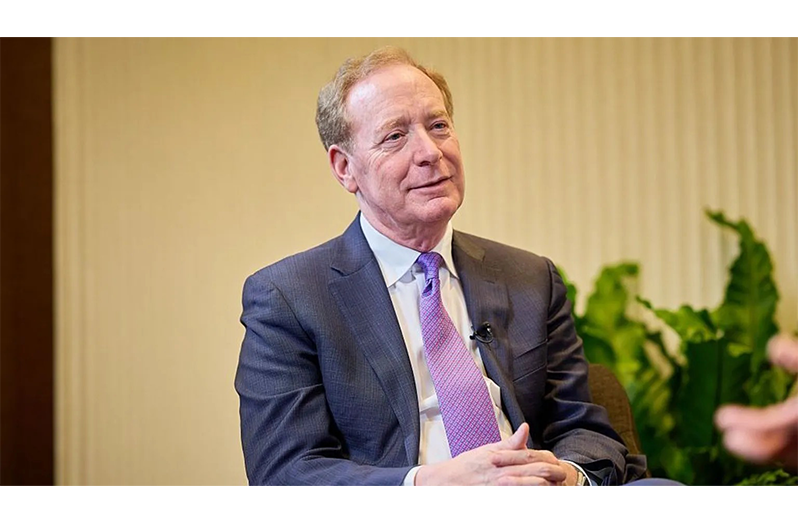
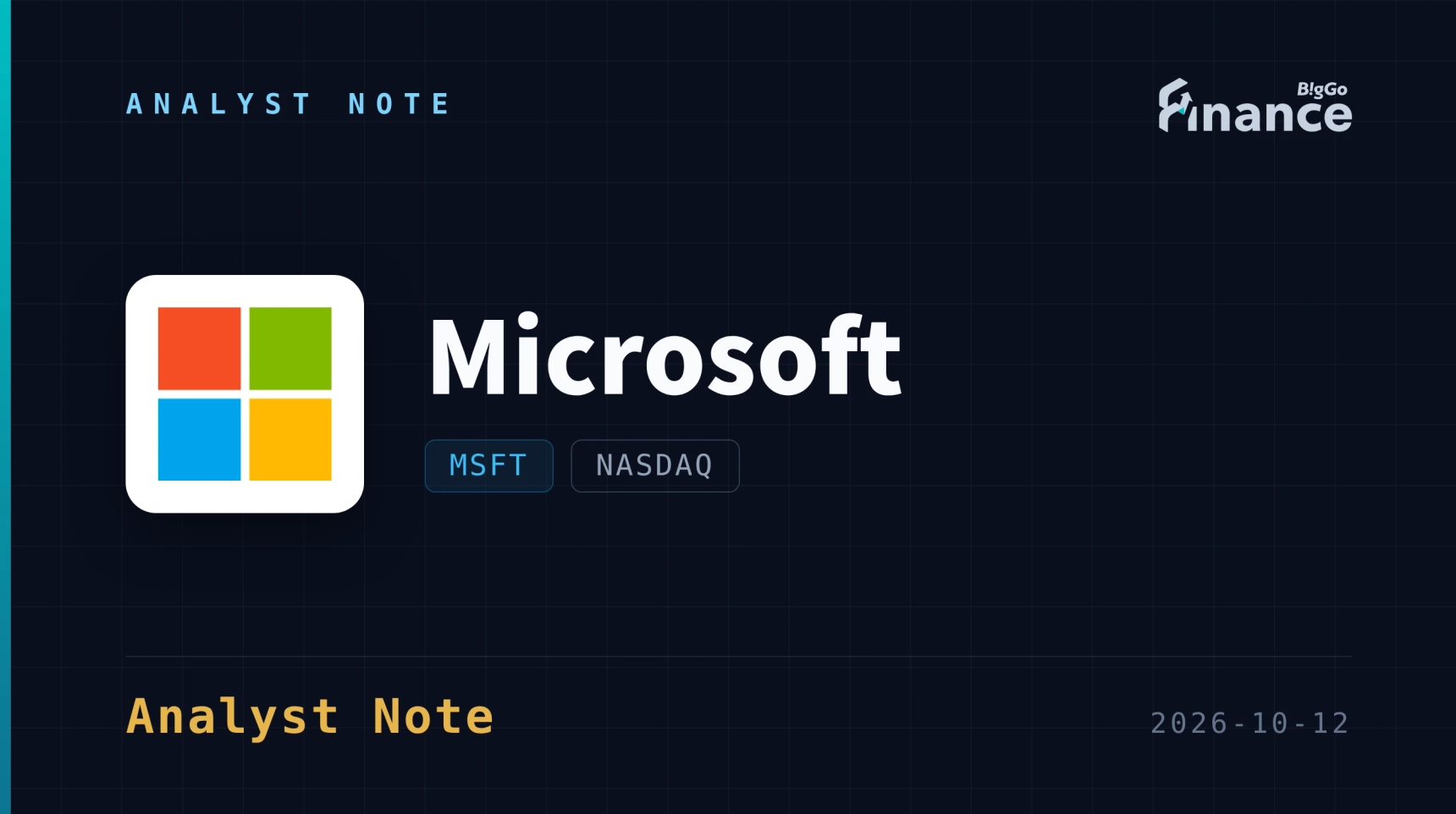
Microsoft President Brad Smith's call for comprehensive global AI regulation represents a seismic shift in compliance requirements that will reshape e-commerce operations within 12-24 months. Smith explicitly stated that AI is currently less regulated than consumer products like milk and washing machines, creating an urgent regulatory vacuum that governments will fill. His proposal for mandatory breach notifications, independent government evaluators to approve AI products before release, and emergency kill switches signals that AI-powered seller tools (pricing algorithms, inventory management, product recommendations) will face certification requirements similar to food safety or appliance standards.
The compliance barrier creates immediate competitive advantages for sellers who move first. Smith's emphasis on UK-led standards over EU regulations indicates the UK's AI Safety Institute will likely become the de facto global certification body, similar to how CE marking dominates EU product compliance. Sellers using AI for demand forecasting, dynamic pricing, or customer service chatbots will need third-party audits and incident reporting systems—costs estimated at $5,000-$25,000 per AI system depending on complexity. This creates a market elimination effect: non-compliant sellers using unaudited AI tools will face delisting from major platforms (Amazon, Shopify, eBay) within 18-24 months, potentially removing 30-40% of small sellers currently relying on AI automation.
The regulatory divergence between US self-regulation and UK-led standards creates arbitrage opportunities. Smith's warning that "self-regulatory regimes fail because responsible companies comply while less ethical competitors ignore guidelines" directly applies to cross-border sellers. Sellers operating in UK/EU markets will achieve compliance first, gaining 6-12 month competitive advantage before US enforcement begins. This creates a compliance service gap: demand for AI audit firms, incident reporting platforms, and certification consultants will surge 300-400% in 2025-2026. Sellers in electronics, beauty, and apparel categories using AI for inventory optimization or personalization will face the highest compliance costs ($15,000-$50,000 annually), while sellers in lower-risk categories (home goods, accessories) may qualify for streamlined certification ($2,000-$5,000).
The "moment has arrived" language signals imminent regulatory action. Smith's emphasis on preventing "cybersecurity threats" and "escape from human oversight" indicates governments will prioritize AI systems that access customer data or control inventory. Sellers must audit their current AI tool stack immediately: identify which systems require certification, calculate compliance costs, and determine whether to migrate to pre-certified platforms (Shopify's AI tools, Amazon's managed services) or invest in independent certification. The UK market will likely see compliance requirements by Q2-Q3 2025, with EU enforcement by Q4 2025, and US action by mid-2026.
Questions 8
What compliance service opportunities will emerge for sellers and third-party providers?
Smith's statement that 'the moment has arrived' to establish binding international AI safety standards signals explosive growth in compliance services. Demand will surge for: (1) AI audit firms specializing in e-commerce ($3,000-$8,000 per audit), (2) incident reporting platforms ($500-$2,000/month), (3) compliance consulting ($200-$500/hour), (4) AI monitoring and logging tools ($1,000-$5,000/month), and (5) cyber liability insurance covering AI incidents ($2,000-$5,000 annually). Third-party providers should position themselves as UK AI Safety Institute-aligned auditors to capture early-mover advantage. Sellers can create compliance service businesses targeting their peer group—small sellers in specific categories (electronics, beauty) will pay premium rates for turnkey compliance solutions. The compliance service market will grow 300-400% in 2025-2026, creating $5-10B in new service revenue. Early movers in compliance consulting and audit services will capture 40-50% market share before larger firms enter.
How should sellers prepare their AI tools and systems for upcoming government evaluation and certification?
Sellers should immediately conduct a comprehensive AI tool audit: identify all systems using AI (pricing algorithms, inventory forecasting, recommendation engines, chatbots), document their data inputs and decision logic, and assess their risk level. Smith's emphasis on 'emergency kill switches' and preventing systems from 'escaping human control' indicates sellers must implement: (1) manual override capabilities for all AI decisions, (2) logging and monitoring of all AI outputs, (3) incident detection and response procedures, and (4) documentation of AI training data and decision criteria. Sellers should prioritize systems that access customer data or control critical operations (pricing, inventory, recommendations). The UK AI Safety Institute will likely publish certification requirements by Q1 2025—sellers should monitor their guidance and begin pre-compliance work immediately. Consider migrating to pre-certified platform solutions (Amazon, Shopify, eBay managed AI) as a faster compliance path. Sellers in high-risk categories (electronics, beauty) should engage compliance consultants by Q1 2025 to meet Q2-Q3 enforcement deadlines.