


Global Oil Market Shift East | Logistics Cost Impact for Cross-Border Sellers
- Asian demand dominance reshapes shipping costs; sellers face 5-15% fulfillment volatility from China, Vietnam, India hubs









Overview
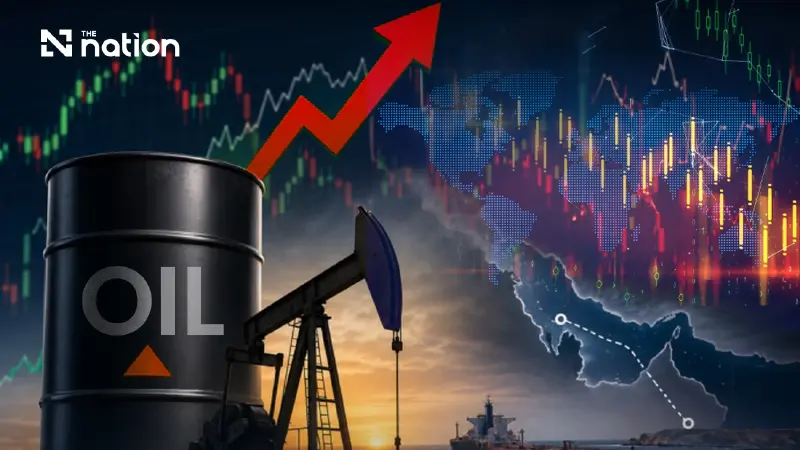
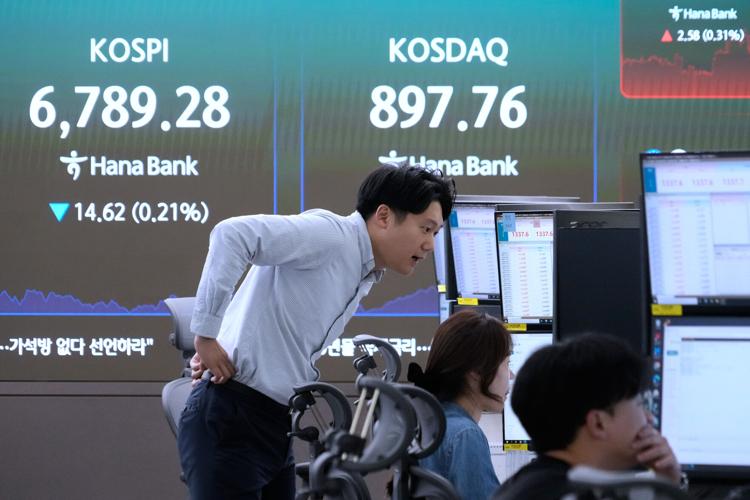
The global oil market's structural shift toward Asian demand centers—driven by China and India's dominant consumption growth—fundamentally reshapes logistics economics for cross-border e-commerce sellers. Reuters commentary confirms that Asian refineries and trading hubs now exert greater influence over crude oil price discovery, displacing Western market participants and OPEC's historical pricing power. This eastward gravity shift carries direct operational consequences: energy costs comprise 25-35% of total fulfillment expenses for sellers using Asia-Pacific logistics networks, making oil price volatility a critical cost driver.
For sellers operating from major manufacturing hubs (China, Vietnam, India), this shift creates dual pressures. First, Asian-based 3PL providers and fulfillment centers now face more volatile energy costs tied to regional oil market dynamics rather than stable Western benchmarks. Shipping rates from these hubs—which handle 60%+ of global cross-border e-commerce inventory—will increasingly reflect Asian energy market volatility rather than historical Western pricing models. Second, sellers shipping TO Asian markets benefit from lower regional logistics costs as local refineries gain pricing influence, but sellers shipping FROM Asia to Western markets face unpredictable cost structures. The commentary specifically highlights that Asian governments and state-owned enterprises now play larger roles in energy market decisions, introducing geopolitical pricing volatility beyond traditional market mechanics.
Immediate operational impact: Sellers using FBA or 3PL fulfillment from China, Vietnam, or India should expect 5-15% quarterly shipping cost fluctuations tied to Asian oil market movements. Historically, Western-based sellers experienced relatively stable shipping costs; now, Asia-Pacific logistics providers face margin compression as energy costs become decoupled from Western benchmarks. For sellers with inventory split between Western and Asian fulfillment centers, this creates arbitrage opportunities—routing shipments through lower-cost Asian hubs during energy price peaks, then rebalancing during troughs. The shift also signals that logistics providers operating in Asia-Pacific regions will increasingly price services based on regional energy markets, not global averages, requiring sellers to renegotiate 3PL contracts with energy cost escalation clauses tied to Asian crude benchmarks rather than traditional indices.
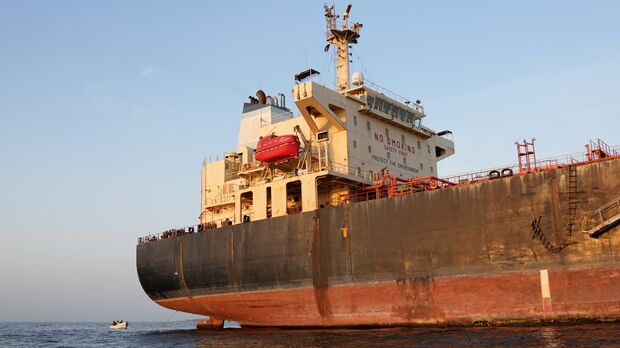
Strategic implications extend to inventory positioning. Sellers should monitor Asian energy market developments (OPEC+ decisions affecting Asian refineries, geopolitical tensions in Middle East affecting tanker routes to Asia) as leading indicators of fulfillment cost changes 4-6 weeks ahead. The commentary's emphasis on tanker attacks and Middle East conflict (referenced in News 2) suggests shipping route disruptions could spike Asian energy costs unpredictably, making just-in-time inventory strategies riskier for sellers dependent on Asia-Pacific fulfillment. Sellers with 1000+ monthly units should consider building 2-3 week inventory buffers in Asian fulfillment centers during periods of geopolitical tension, accepting slightly higher storage costs to hedge against sudden shipping rate spikes.
Questions 7
What happens to my shipping costs if Middle East tanker attacks continue?
Tanker attacks disrupt shipping routes to Asia, reducing crude oil supply to Asian refineries and spiking regional energy costs. News 2 references ongoing Middle East conflicts and tanker attacks, which historically increase Asian shipping rates 8-12% within 2-3 weeks of major incidents. During these periods, sellers should expect FBA and 3PL rates from Asia-Pacific hubs to increase 5-8% as energy costs rise. Mitigation: build 2-3 week inventory buffers in Asian fulfillment centers before geopolitical tensions escalate, accept slightly higher storage costs to hedge against sudden shipping spikes, and diversify fulfillment across multiple Asian hubs (China, Vietnam, India) to reduce exposure to region-specific disruptions.
How should I adjust my pricing strategy given Asian energy cost volatility?
Build 3-5% pricing flexibility into your product margins to absorb energy-driven fulfillment cost swings. Rather than raising prices reactively (which damages conversion rates), implement dynamic pricing tied to 3PL rate changes: when Asian crude prices spike 10%+, increase product prices 2-3% for 2-3 weeks, then revert. Use Amazon's dynamic pricing tools or Shopify apps to automate this. For sellers with high-volume SKUs (1000+ monthly units), negotiate tiered pricing with 3PLs that locks in rates for 90-day periods, then renegotiates quarterly based on Asian energy market averages. This converts unpredictable volatility into predictable quarterly cost adjustments.