


Cold Chain Cybersecurity Crisis | €270K+ Losses Drive Urgent Supply Chain Risk Management for Cross-Border Food Sellers
- Coordinated attack on 400+ French supermarket locations exposes critical vulnerabilities in IoT-connected logistics infrastructure affecting perishable goods sellers and 3PL providers











Overview
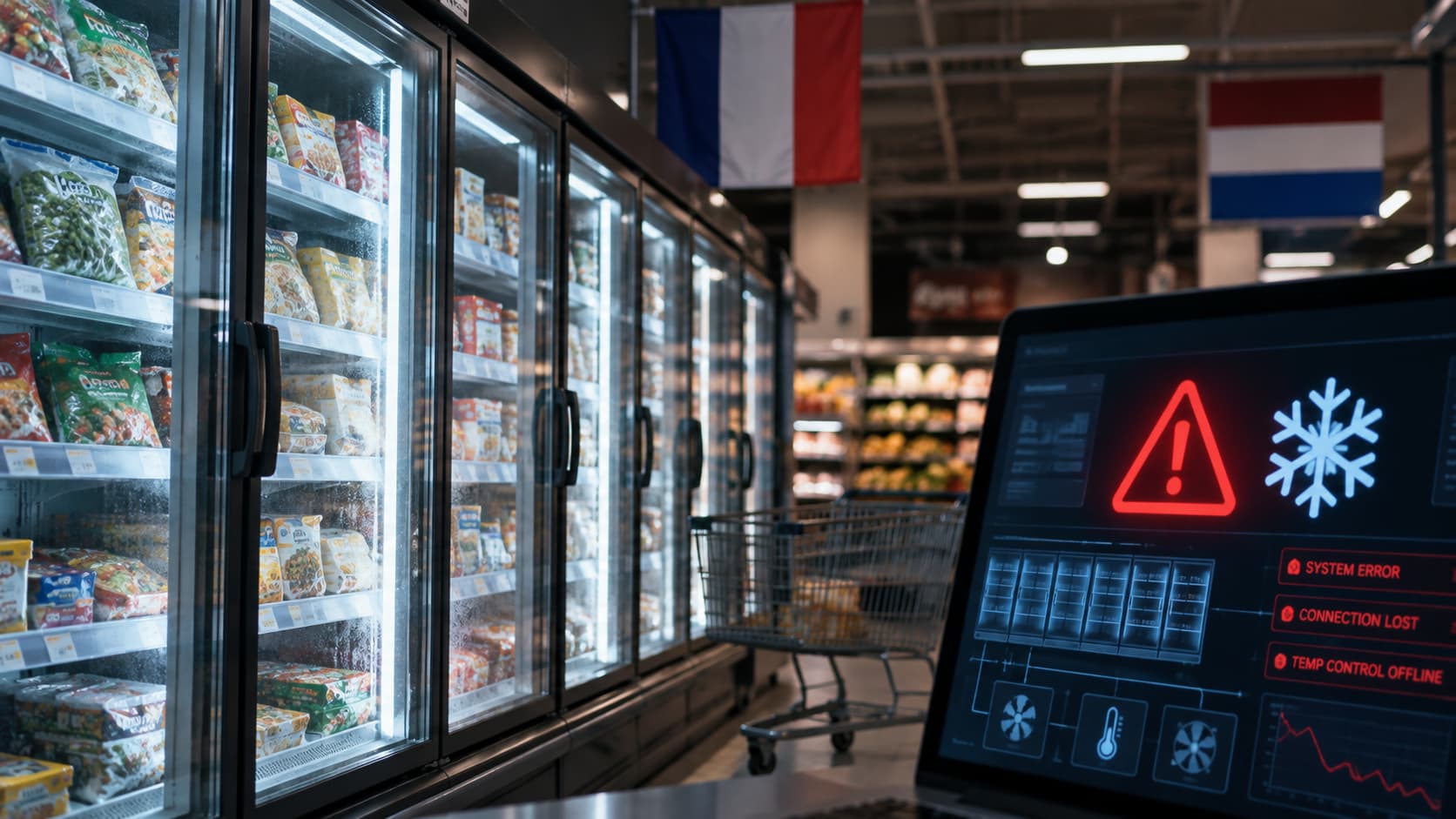
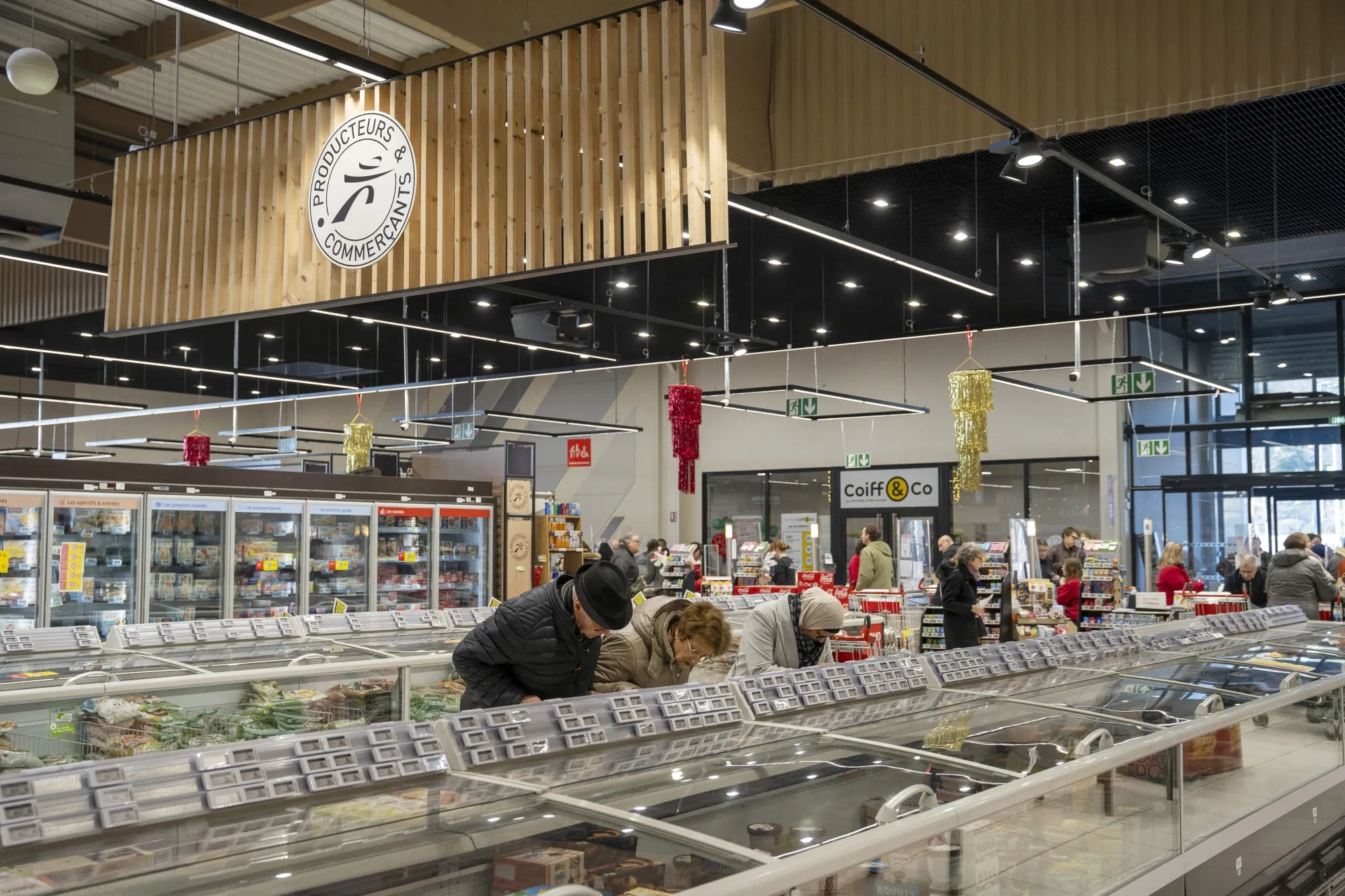
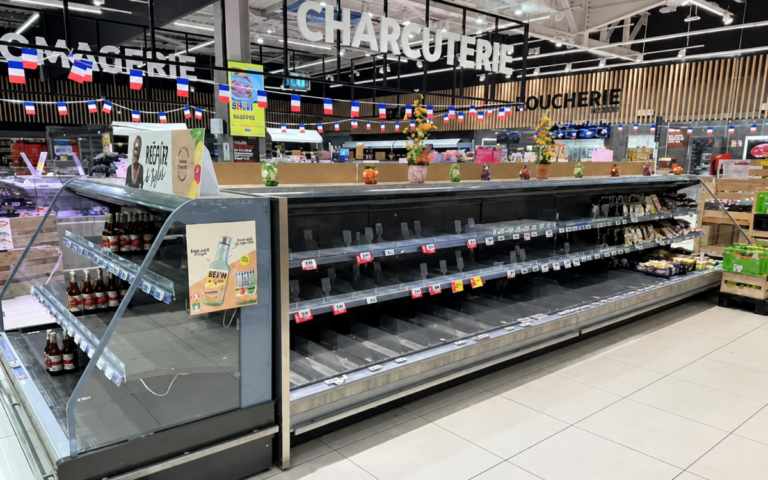
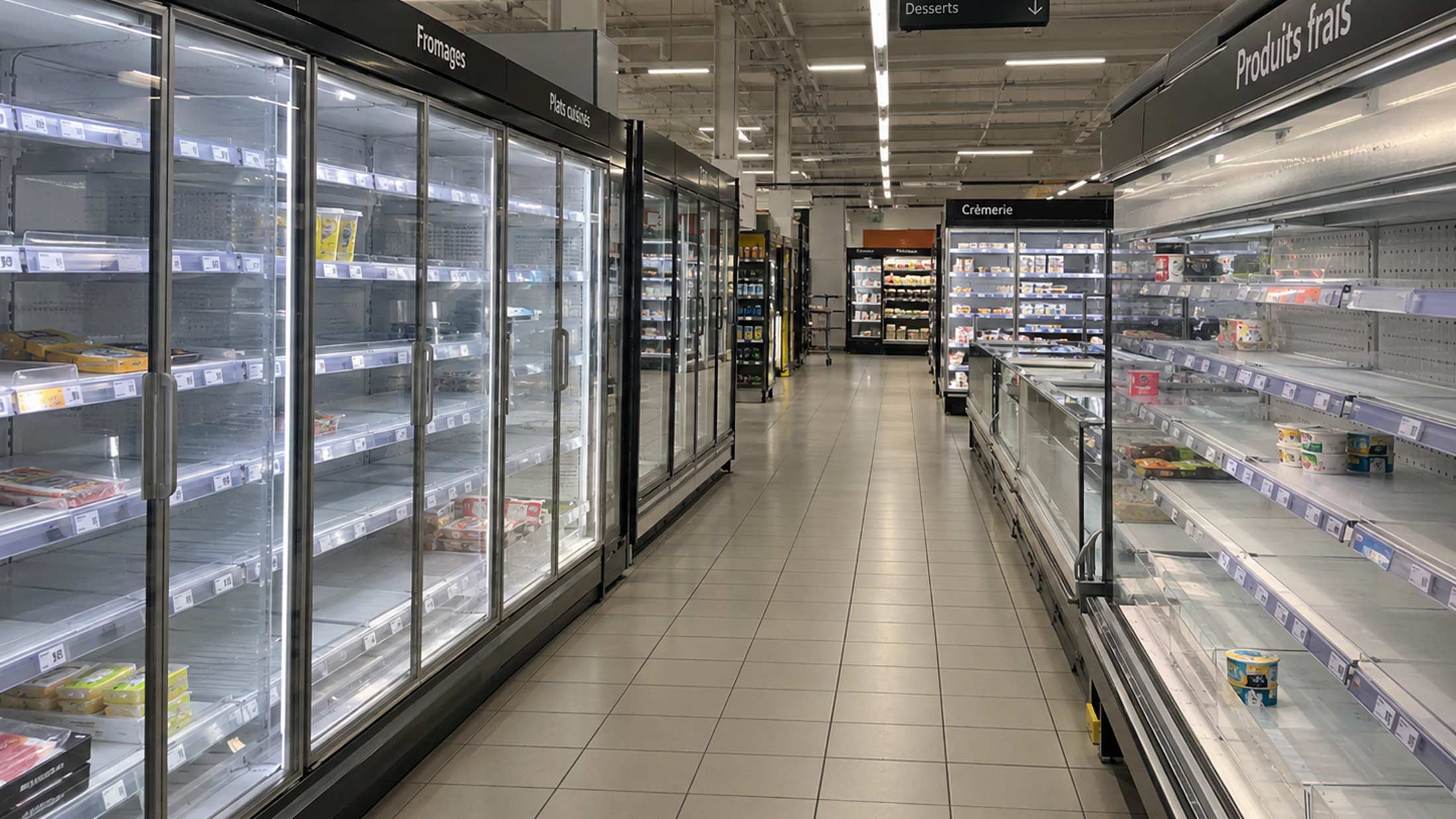
The coordinated cyberattack on French supermarket refrigeration systems represents a watershed moment for cross-border e-commerce sellers relying on cold chain logistics. Hackers gained unauthorized access to temperature regulation software at 400+ locations across Coopérative U (100+ stores), Intermarché/Netto (300+ locations), with additional targeting of Carrefour, E.Leclerc, and Monoprix. Refrigeration units were forced to 50°C (120°F) overnight, causing six-hour temperature elevation and complete inventory spoilage. Two Alsace supermarkets alone reported €270,000 in combined losses, suggesting nationwide damages reaching millions of euros. This incident directly impacts cross-border sellers in perishable categories (frozen foods, specialty beverages, pharmaceuticals, cosmetics requiring cold storage) who depend on third-party logistics providers and 3PL cold chain infrastructure.
The operational vulnerability is systemic: Retail refrigeration systems are increasingly IoT-connected but lack enterprise-grade cybersecurity protections. Supermarket operators prioritize cost-efficiency and availability over security when deploying networked HVAC and temperature control systems. The attack demonstrates how inadequate network segmentation and access controls create cascading failure risks across distribution networks. For e-commerce sellers, this reveals critical gaps in their supply chain partners' infrastructure—many 3PL providers and cold storage facilities operate similarly vulnerable systems without proper cybersecurity audits or incident response protocols.
Market implications are immediate and multi-layered: The incident triggers urgent demand for cold chain security solutions, IoT cybersecurity audits, and alternative logistics partnerships. Retailers facing inventory losses are accelerating investment in backup refrigeration systems, redundant temperature monitoring, and cybersecurity-hardened logistics providers. European Food Commissioner Christophe Hansen's statement that "weaponisation of food has become a reality" signals regulatory escalation—expect new EU cold chain security standards within 6-12 months. For sellers, this creates both risk (supply chain disruptions) and opportunity (demand for security-enhanced logistics, temperature-monitored packaging, and backup fulfillment strategies). Sellers using vulnerable 3PL providers face potential inventory loss exposure; those offering cold chain transparency and cybersecurity compliance gain competitive advantage in EU markets.
Questions 8
How does the French supermarket cyberattack affect cross-border sellers using 3PL cold storage?
The attack directly exposes vulnerabilities in third-party logistics infrastructure that many cross-border sellers depend on for perishable goods. Hackers compromised temperature regulation software at 400+ French retail locations, forcing refrigerators to 50°C and causing complete inventory spoilage. Sellers using 3PL providers without cybersecurity audits face similar risks—their frozen foods, pharmaceuticals, and temperature-sensitive products could be destroyed by similar attacks. Immediate action: audit your 3PL provider's cybersecurity protocols, verify they have network segmentation and access controls, and request incident response documentation. Consider diversifying across multiple cold storage providers to reduce single-point-of-failure risk.
Will this cyberattack trigger new EU regulations affecting cold chain logistics?
Yes. European Food Commissioner Christophe Hansen's statement that 'weaponisation of food has become a reality' signals imminent regulatory escalation. The Paris prosecutor's office investigation and French authorities' security recommendations will likely drive EU-wide cold chain cybersecurity standards within 6-12 months. Expect mandatory requirements for: network segmentation in refrigeration systems, real-time temperature monitoring with tamper alerts, cybersecurity audits for 3PL providers, and incident reporting protocols. Sellers should proactively align with ISO 27001 (information security) and emerging EU OT (operational technology) security standards. Non-compliance could result in marketplace suspension on Amazon EU, eBay EU, or Shopify Plus for sellers unable to verify cold chain security.