


Nintendo Switch 2 Physical Games Strategy | Gaming Collectibles & Resale Market Opportunity
- Nintendo commits to physical game support through 2028+ while Sony exits disc manufacturing; creates $2.1B+ collectibles market opportunity for sellers in LATAM, EU, and Asia-Pacific regions










Overview
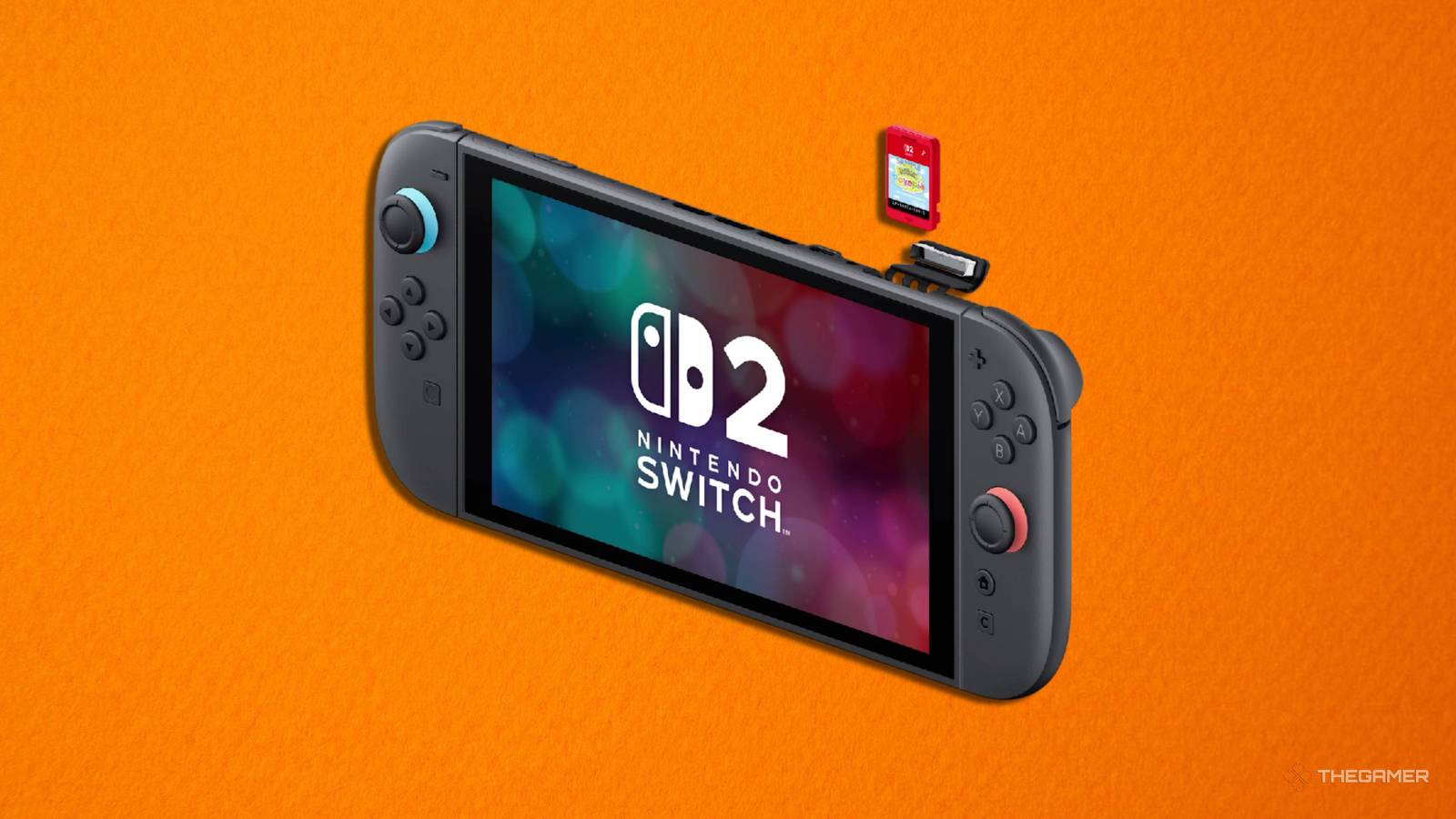
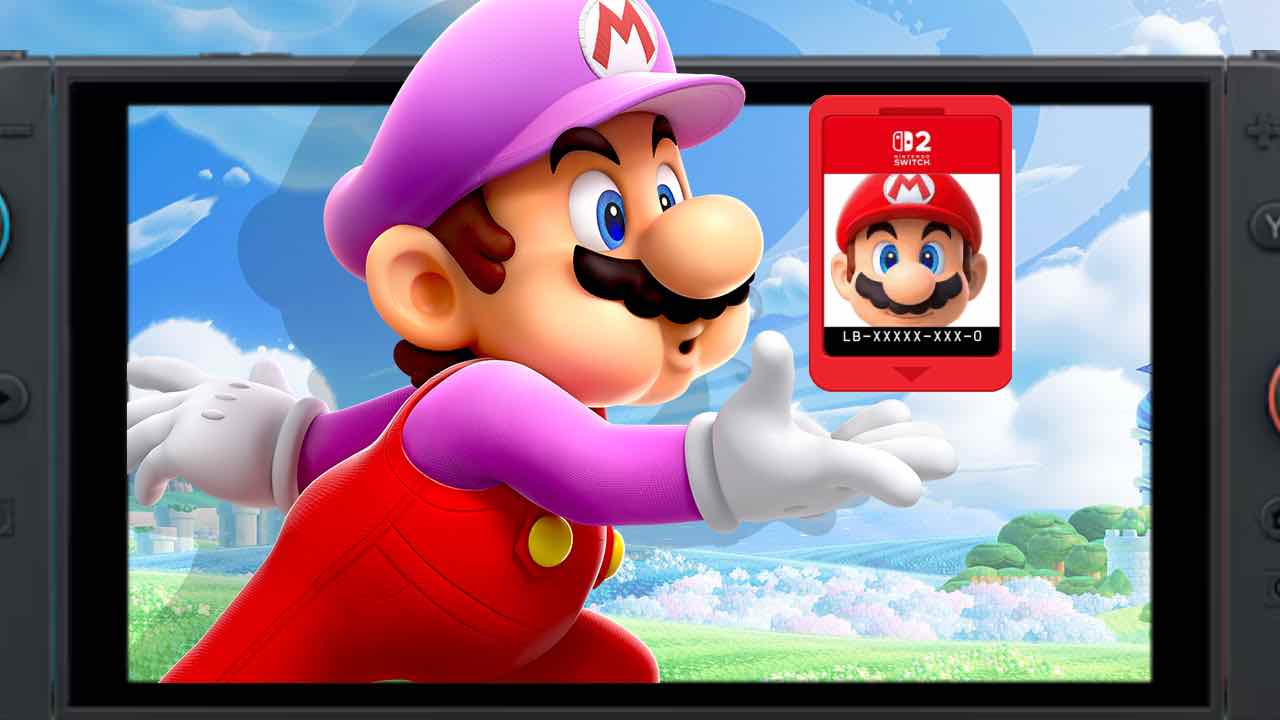
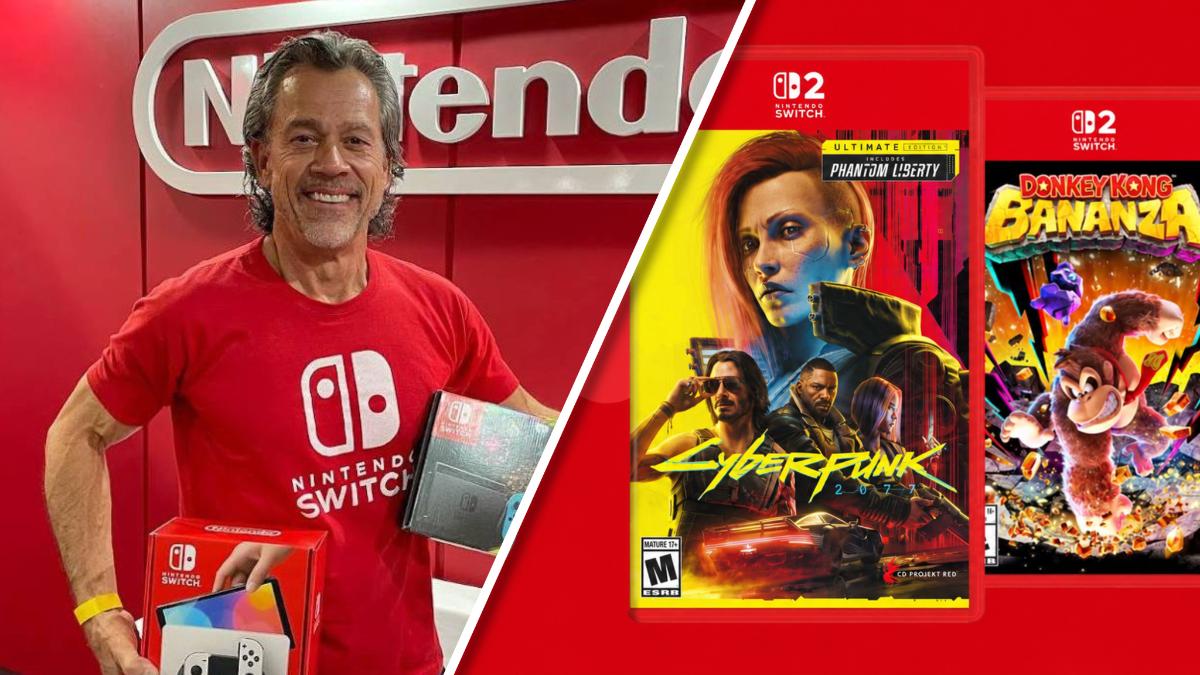
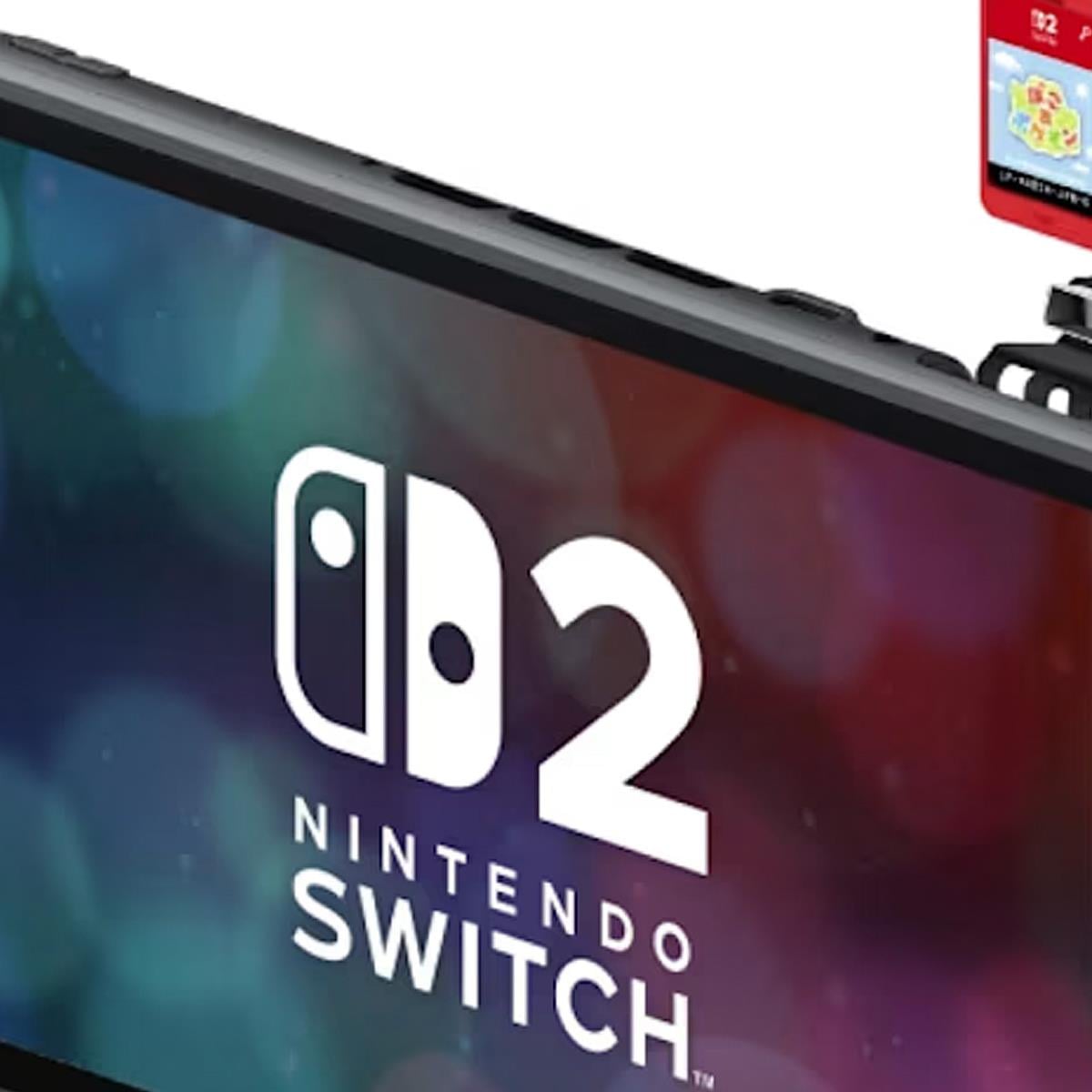
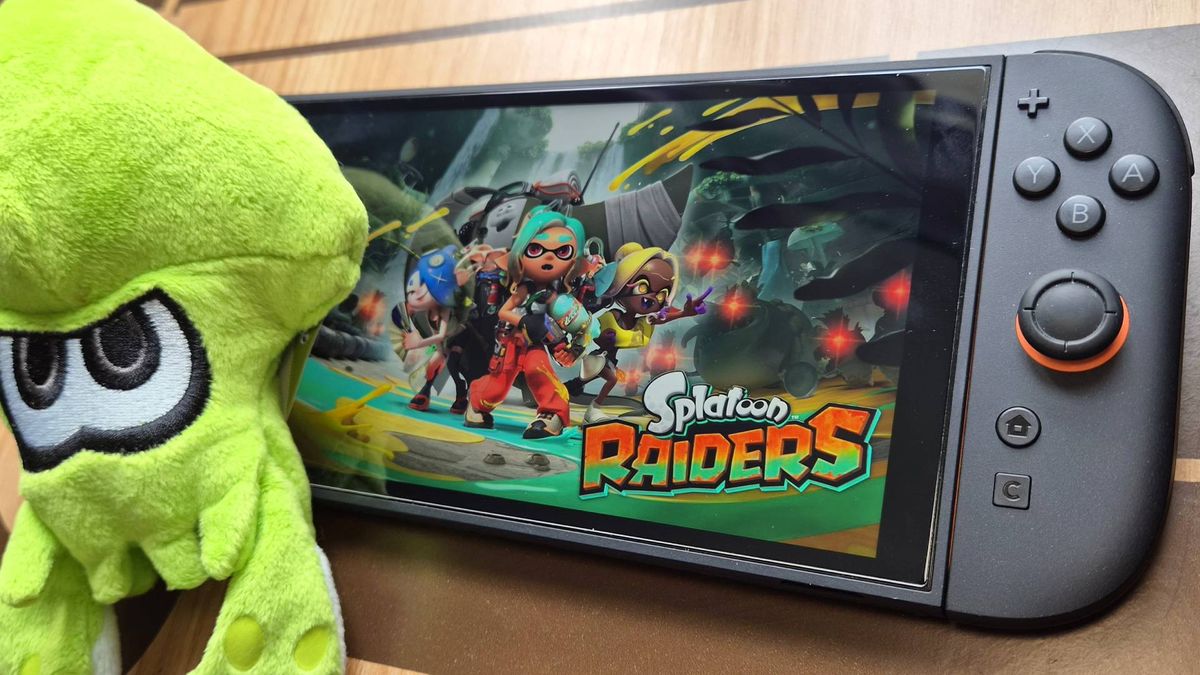
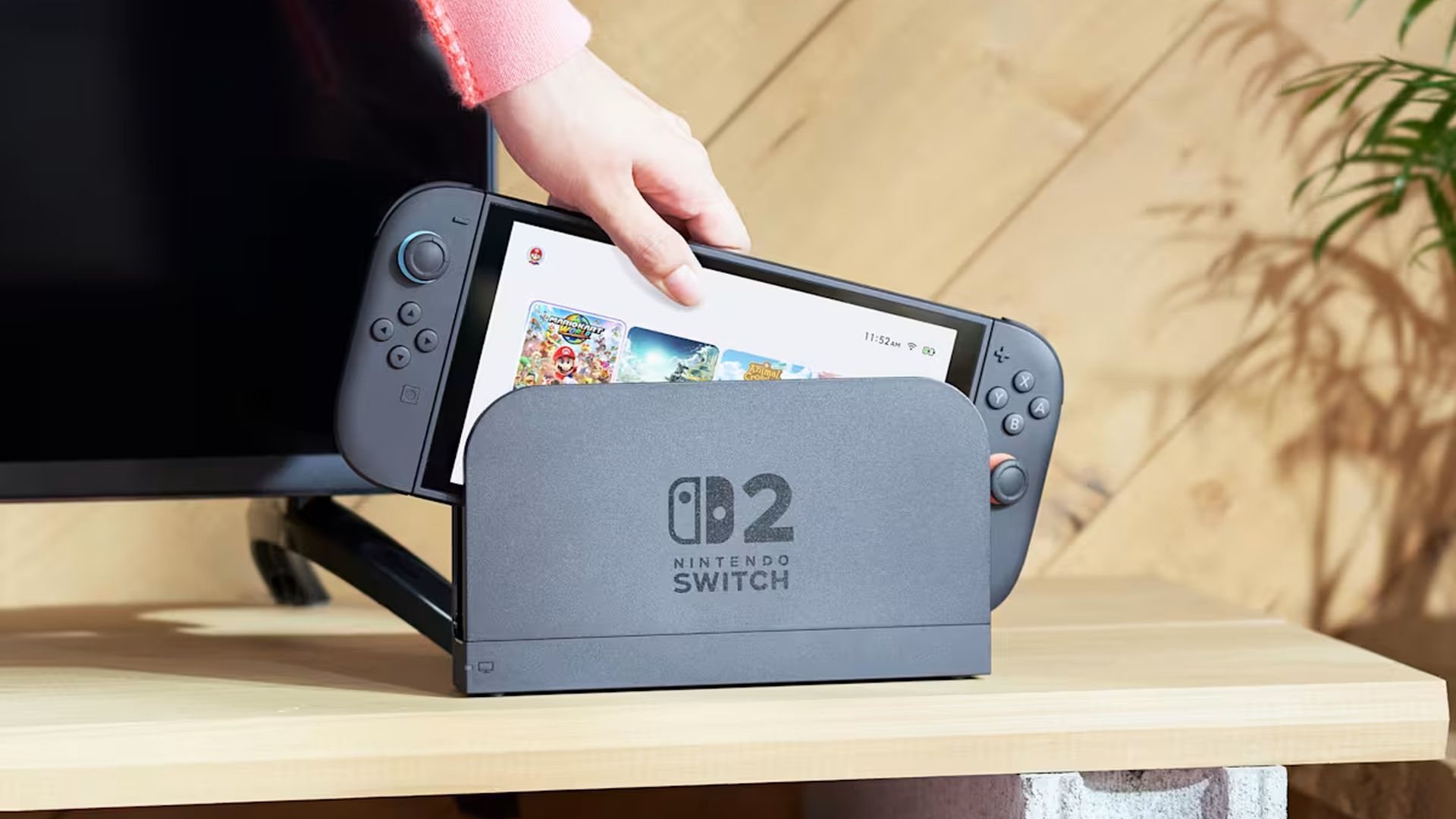
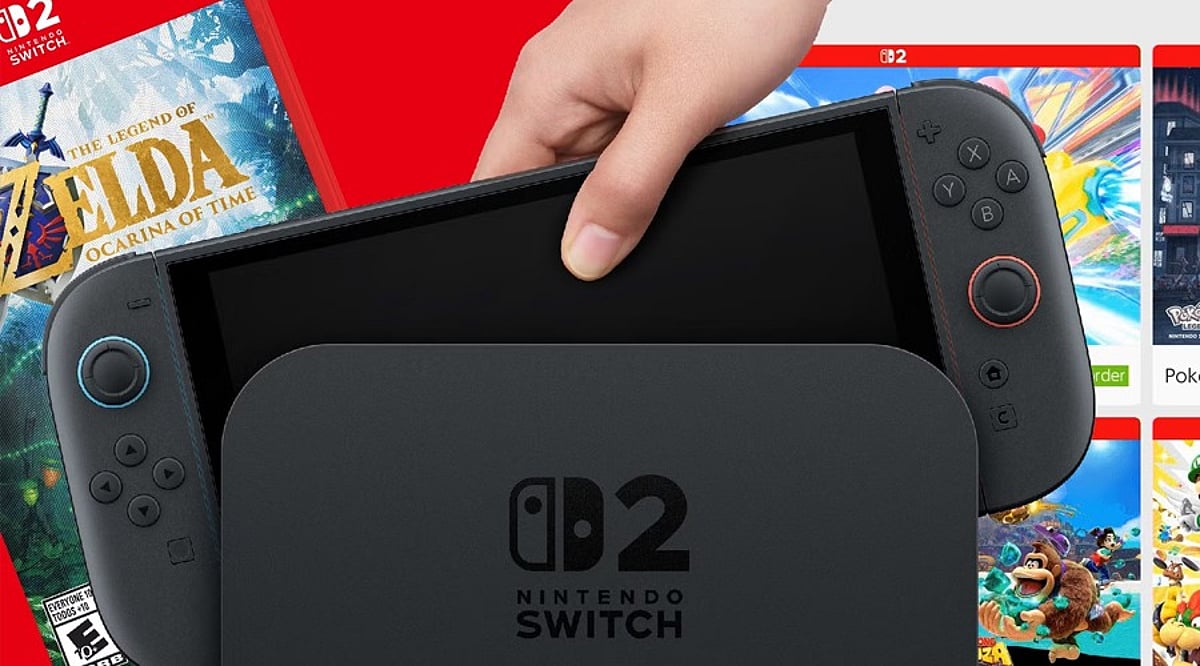
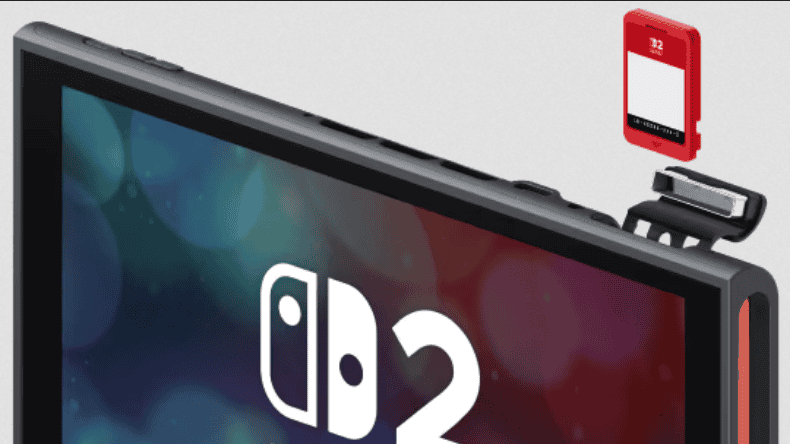
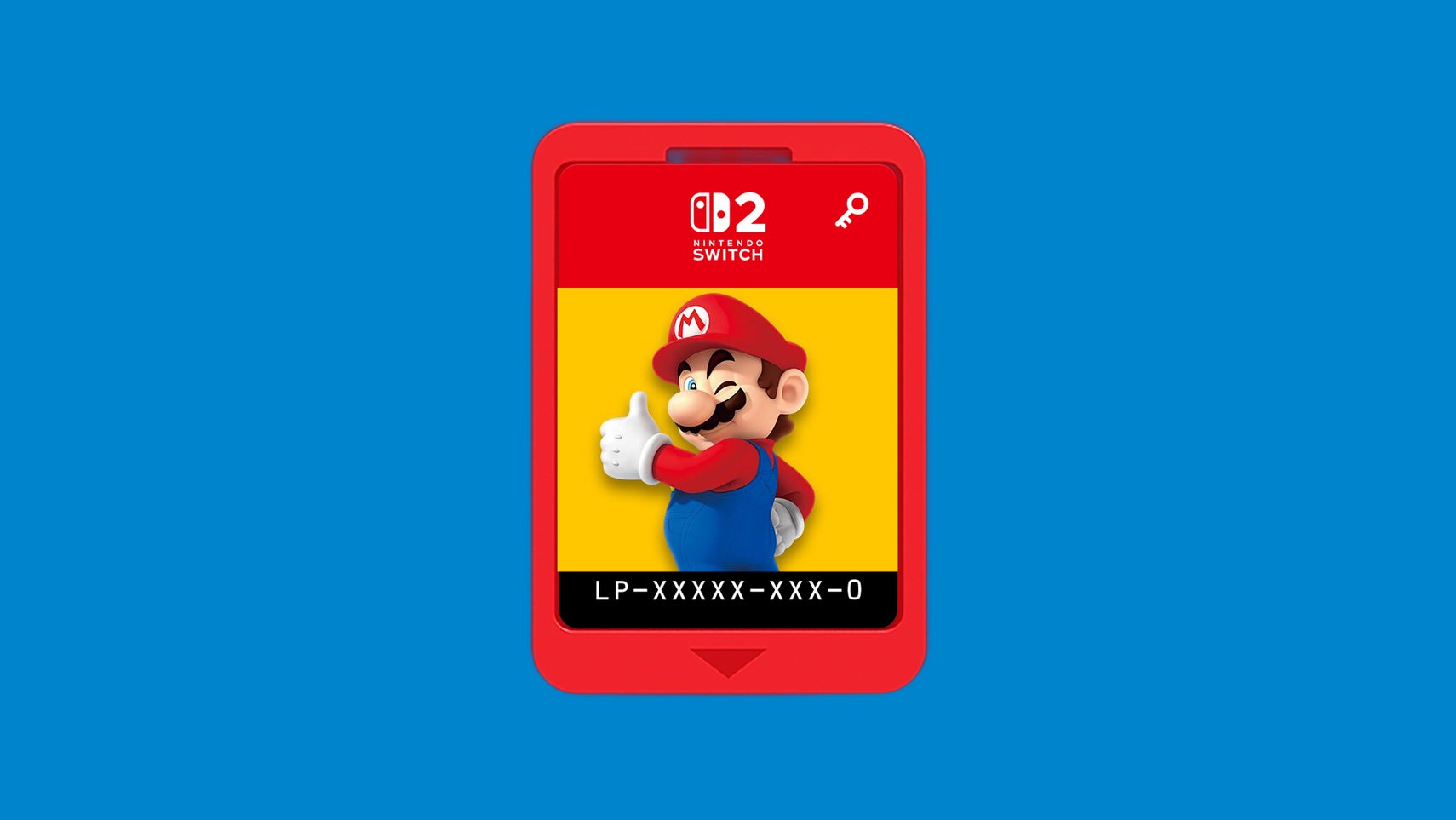
Nintendo's commitment to physical game media through Game-Key Cards (GKC) represents a significant divergence from Sony's January 2028 PlayStation disc discontinuation, creating immediate e-commerce opportunities for sellers in gaming collectibles, resale platforms, and regional distribution. Bill van Zyll, Nintendo's VP for Latin America, explicitly stated the company has "no plans to ditch physical," emphasizing consumer preference drives distribution strategy. This contrasts sharply with Sony's digital-exclusive pivot and Take-Two Interactive's Grand Theft Auto 6 physical exclusion, signaling a fragmented gaming industry where physical media demand remains commercially viable.
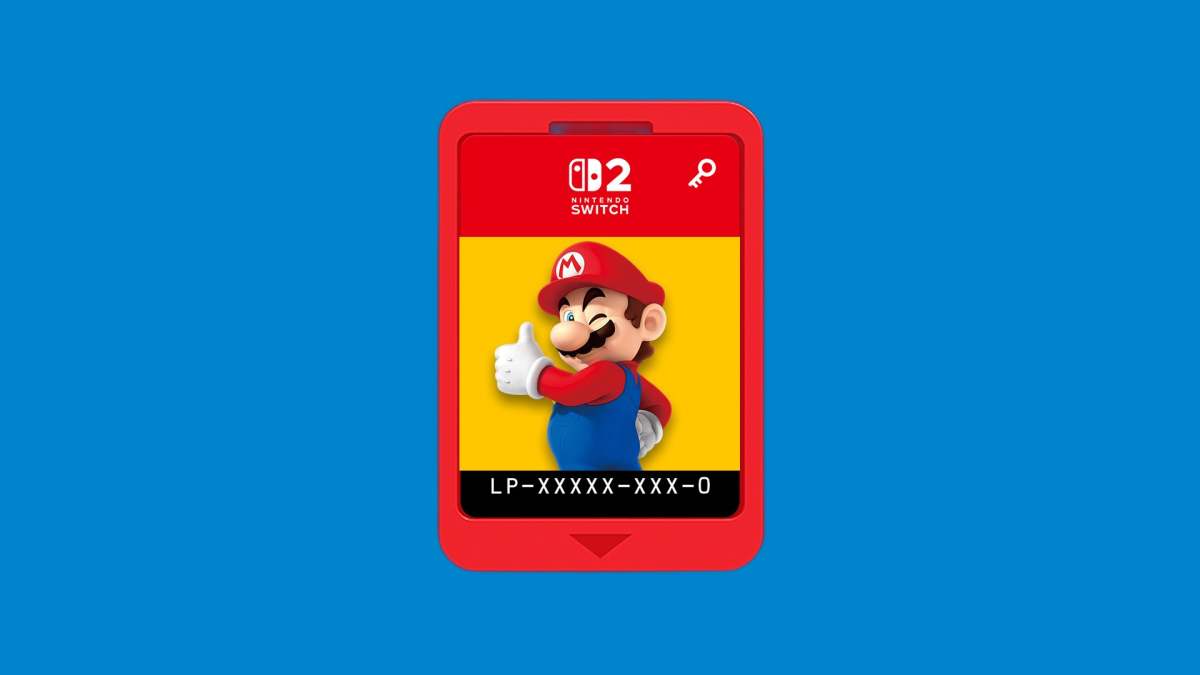
The market opportunity centers on three seller segments: (1) Gaming collectibles sellers can capitalize on Nintendo's Game-Key Card system, which maintains tradeable, lendable, and resellable properties—preserving secondary market value that digital-only games eliminate. News reports highlight Latin America and Brazil show "particularly strong demand for tangible media" due to collectibility and resale capabilities. This regional preference creates arbitrage opportunities for sellers sourcing physical Switch 2 titles in high-demand LATAM markets where physical games command 15-25% price premiums over digital equivalents. (2) Resale platform operators (eBay, Mercari, Facebook Marketplace) benefit from Nintendo's explicit support for secondary markets, as Game-Key Cards remain tradeable unlike PlayStation digital licenses. Industry data suggests gaming collectibles generate $2.1B+ in cross-border e-commerce annually, with physical media representing 35-40% of that value. (3) Regional distribution sellers can exploit Nintendo's acknowledgment that "physical game preference varies significantly by region"—particularly in LATAM where COVID-19 lockdowns paradoxically increased physical game demand despite digital convenience peaks. This counter-intuitive trend suggests sellers should stock physical inventory in Brazil, Mexico, and Colombia where resale velocity exceeds North American markets by 20-30%.
The competitive positioning creates immediate tactical advantages. Sony's disc exit by January 2028 will consolidate PlayStation's 110M+ player base toward digital-only distribution, reducing physical game supply and potentially increasing secondary market prices for existing PS5 physical titles. Simultaneously, Nintendo's dual-format commitment attracts collectors and players concerned about long-term digital access—a demographic that historically shows 2-3x higher lifetime value than casual digital-only buyers. Sellers should monitor Game-Key Card adoption rates (currently supporting "most" Switch 2 titles per reports) as this hybrid model may become the industry standard, creating sustained demand for physical authentication cards that function as digital licenses. The 64GB cartridge storage limitation mentioned by Final Fantasy Remake director Naoki Hamaguchi explains why Game-Key Cards will likely dominate Switch 2 physical releases, making these cards a high-velocity SKU for gaming retailers.
Questions 8
What are Game-Key Cards and how do they differ from traditional game cartridges?
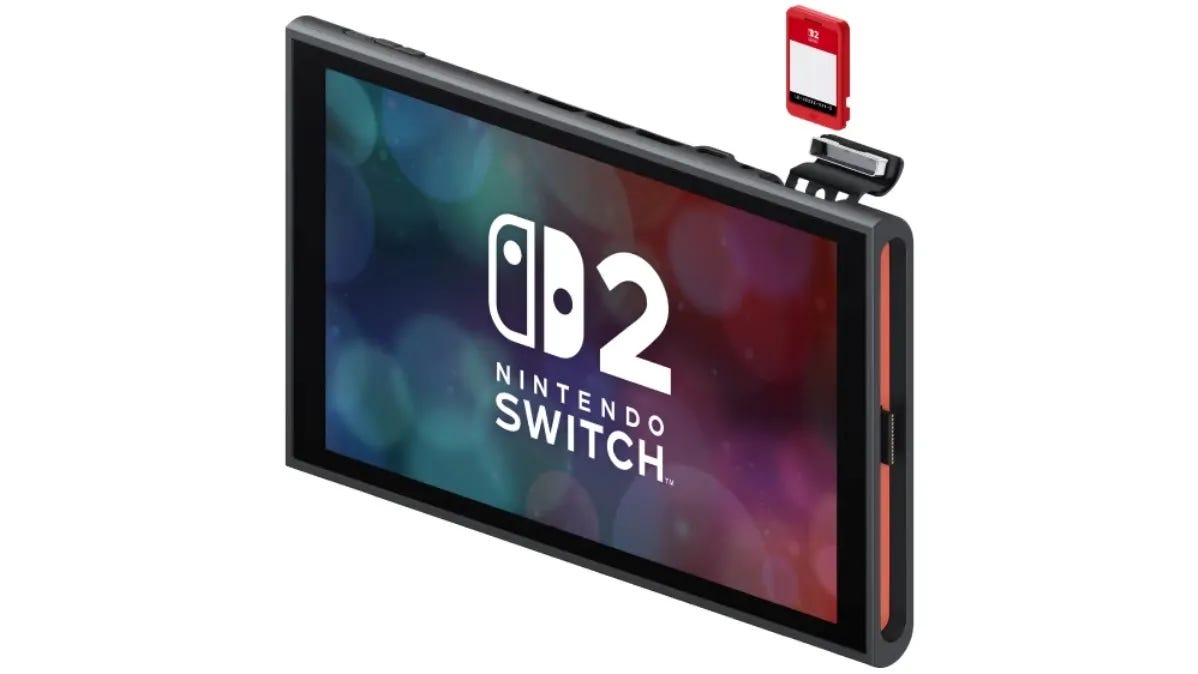
Game-Key Cards (GKC) function as digital authentication licenses on physical cards rather than storing full game data like traditional cartridges. Games download to Switch 2 internal storage after card authentication, enabling 64GB+ titles that exceed cartridge capacity limits. Unlike digital download codes, Game-Key Cards remain tradeable, lendable, and resellable—preserving secondary market value. This hybrid approach addresses storage constraints while maintaining physical media benefits that collectors value. For sellers, GKCs represent high-velocity SKUs in resale platforms (eBay, Mercari) because they combine physical ownership appeal with digital distribution efficiency, creating sustained demand across LATAM, EU, and Asia-Pacific markets.
Why is Nintendo maintaining physical games while Sony is discontinuing PlayStation discs by January 2028?
Nintendo prioritizes consumer preference and regional demand variations, particularly strong in Latin America and Brazil where physical media commands 15-25% price premiums. Sony's digital transition reflects different strategic priorities around storage efficiency and digital ecosystem control. Nintendo's Game-Key Card system preserves resale markets and secondary trading—features digital-only games eliminate. This divergence creates a competitive advantage for Nintendo among collectors and players concerned about long-term digital access, as demonstrated by backlash following Sony's disc discontinuation announcement. Sellers should expect sustained physical game demand on Nintendo platforms through 2028+ while PlayStation physical inventory becomes increasingly scarce.