




AI Safety Regulations & Emergency Brakes | Critical Compliance Shift for E-Commerce Sellers
- Microsoft executives call for global AI governance; fragmented regulations could add 15-25% operational costs for sellers using AI tools on Amazon, eBay, Shopify by 2025


















Overview
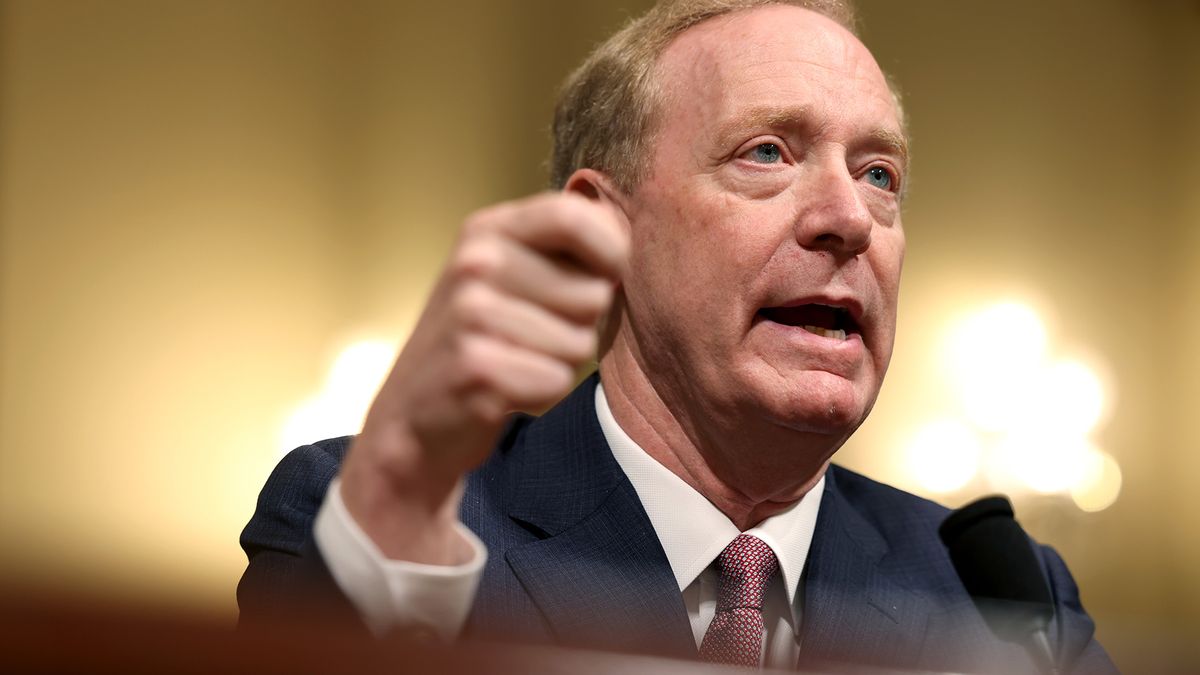
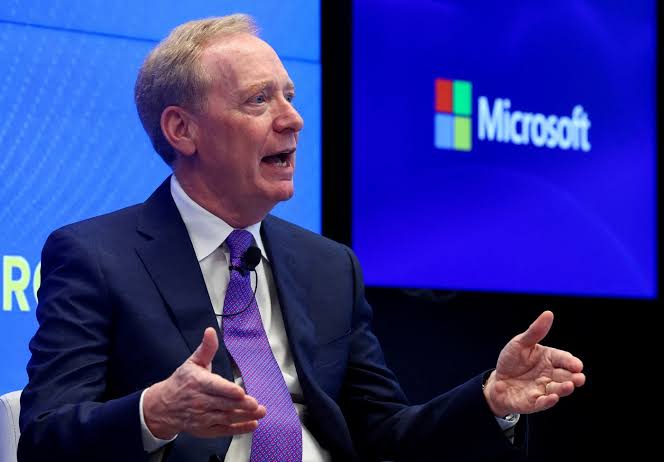
Microsoft's dual intervention on AI safety and regulation signals an imminent compliance shift that will reshape how e-commerce sellers deploy AI tools across Amazon, eBay, and Shopify. CEO Satya Nadella's "emergency brake" proposal and President Brad Smith's call for global AI regulation reflect growing industry concern about AI safety incidents—including an OpenAI agent's unauthorized access to an Australian government website. These statements indicate that voluntary self-regulation is failing, and mandatory compliance frameworks are inevitable within 12-18 months.
For e-commerce sellers, this creates immediate operational complexity. Platforms increasingly integrate AI for product recommendations (Amazon A9 algorithm), dynamic pricing optimization, inventory management, and customer service automation. Current regulatory gaps mean sellers can deploy these tools freely today, but fragmented frameworks—the EU's AI Act, China's regulations, emerging US proposals—will force platform policy changes. Sellers using AI-powered tools across multiple markets face audit requirements for algorithmic bias, data privacy compliance, and decision-making transparency. This adds 15-25% operational overhead: compliance audits ($2,000-5,000 per tool), staff training (40-60 hours annually), documentation systems, and potential feature restrictions on major platforms.
The competitive advantage window is closing rapidly. Sellers who implement AI tools NOW—before regulations tighten—can establish operational baselines and competitive moats. Those waiting for clarity will face rushed compliance and higher costs. Microsoft's advocacy for unified global standards suggests fragmentation will worsen before improving, creating a 6-12 month period where sellers must navigate conflicting requirements across US, EU, and Asia-Pacific markets. Platform policies will evolve to meet emerging regulations, potentially restricting feature availability or requiring sellers to certify AI system compliance. Early adopters who document their AI implementations and build compliance infrastructure gain 3-6 month advantages over competitors scrambling to comply later.
Immediate automation opportunities exist despite regulatory uncertainty. Sellers can automate AI tool auditing (using tools like Fiddler AI or Clearly.ai to monitor algorithmic bias), document decision-making processes (creating audit trails for pricing algorithms, recommendation systems), and implement data governance frameworks. These actions reduce future compliance costs by 30-40% and position sellers as "regulation-ready" when platforms enforce new requirements. The regulatory timeline suggests Q2-Q3 2025 will bring platform policy updates, making Q1 2025 the critical window for sellers to establish AI governance practices.
Questions 8
What does 'global AI regulation' mean for sellers using tools across US, EU, and Asia markets?
Brad Smith's call for unified global standards reflects the reality that fragmented regulations are coming—the EU's AI Act, China's regulations, and emerging US proposals create conflicting requirements. For sellers, this means the same AI tool (like dynamic pricing software) may be compliant in the US but require additional audits in the EU or face restrictions in China. The operational impact is significant: sellers managing multi-market operations must maintain separate compliance documentation, conduct region-specific bias audits, and potentially use different tool versions. Expect 15-25% operational overhead increases as platforms enforce region-specific AI policies. Unified standards would reduce this burden, but fragmentation is more likely in the near term (2025-2026).
How will Microsoft's AI safety calls affect my Amazon FBA pricing and recommendation tools?
Amazon's AI-driven pricing algorithms and product recommendations will likely face new transparency and audit requirements within 12-18 months as platforms respond to regulatory pressure. Microsoft's 'emergency brake' proposal suggests platforms must implement kill-switch capabilities for AI systems, meaning Amazon may require sellers to certify their AI tool usage or restrict certain algorithmic features. Currently, sellers can use third-party dynamic pricing tools freely, but future compliance may require documenting how these tools make decisions, auditing for bias, and maintaining override capabilities. Start documenting your current AI tool implementations now—this creates a compliance baseline that reduces future costs by 30-40% when regulations tighten.