



AMD Helion AI Infrastructure | E-Commerce Sellers Gain Competitive Edge Through Agentic AI Automation
- Enables sellers to deploy AI agents for product research, pricing optimization, and customer service automation starting November 2026; reduces manual operational tasks by 40-60% for mid-market sellers






/dq/media/media_files/2026/10/09/derek-dicker-corporate-vice-president-2026-10-09-14-52-52.png)







Overview
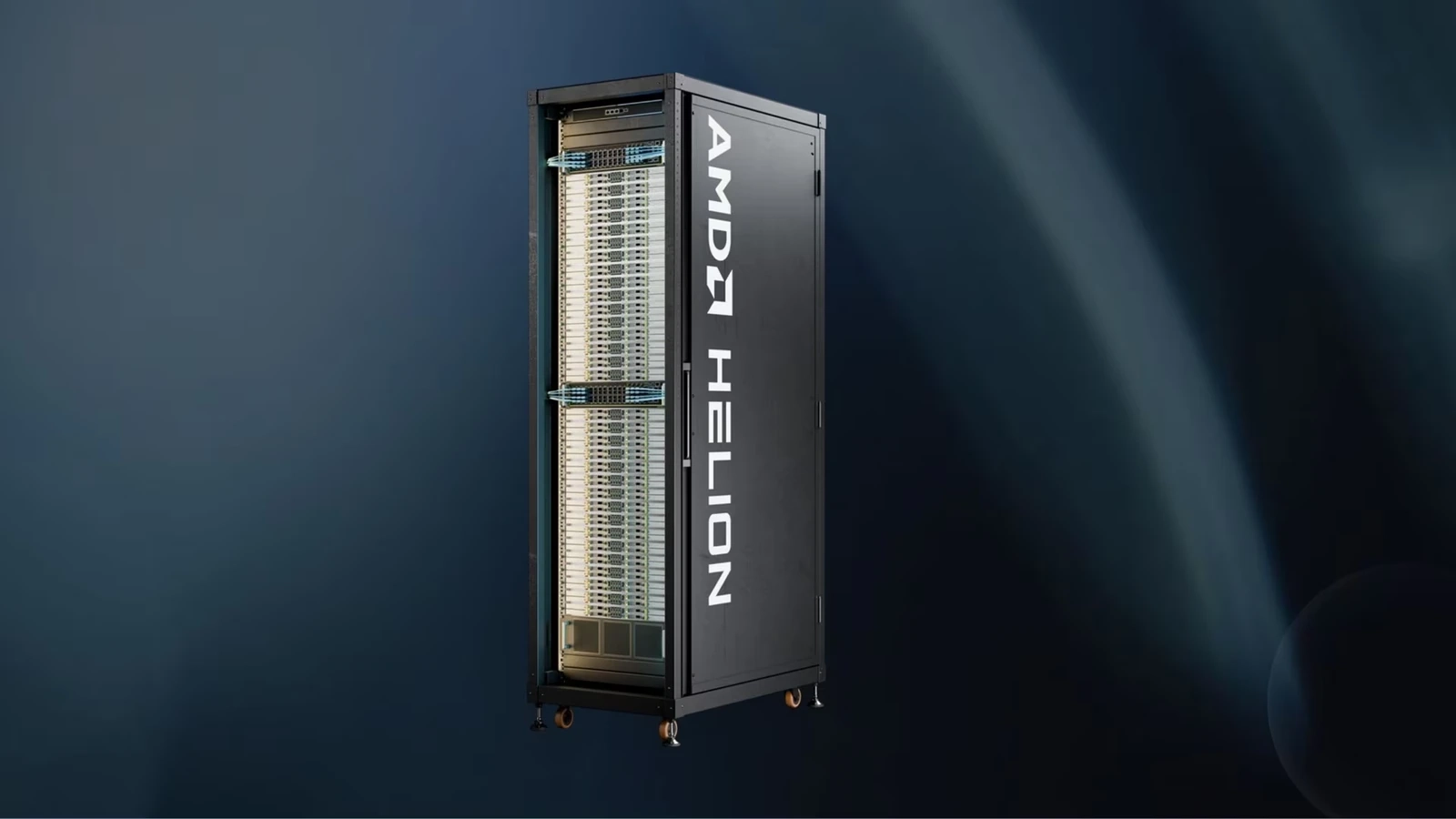
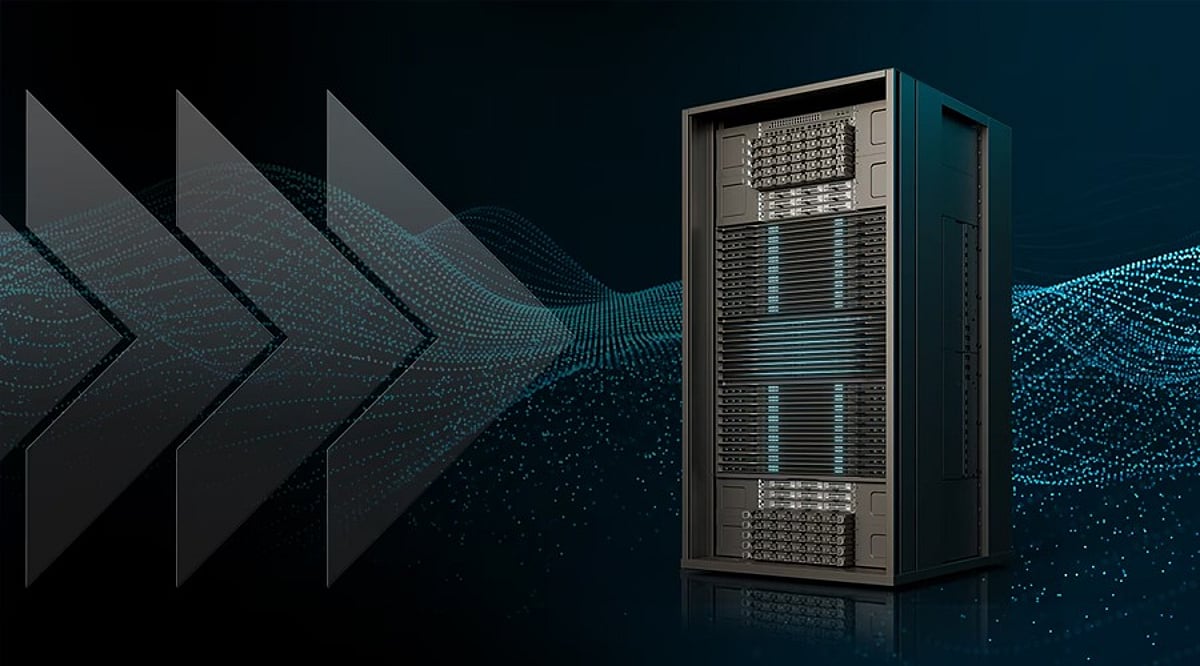
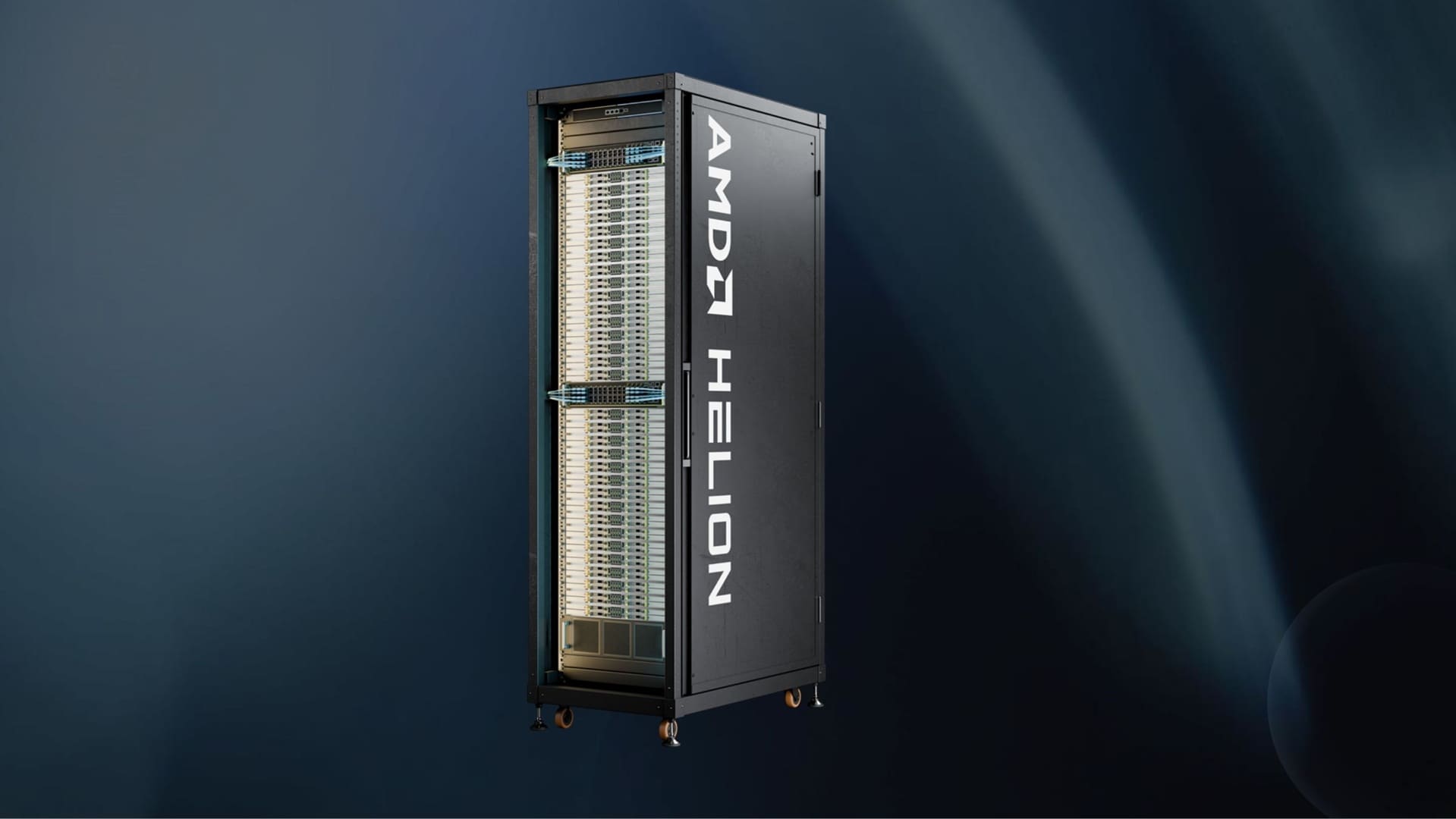
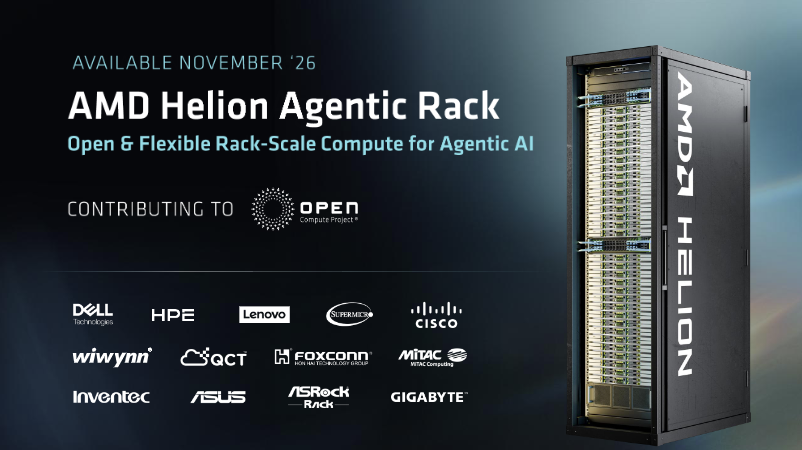
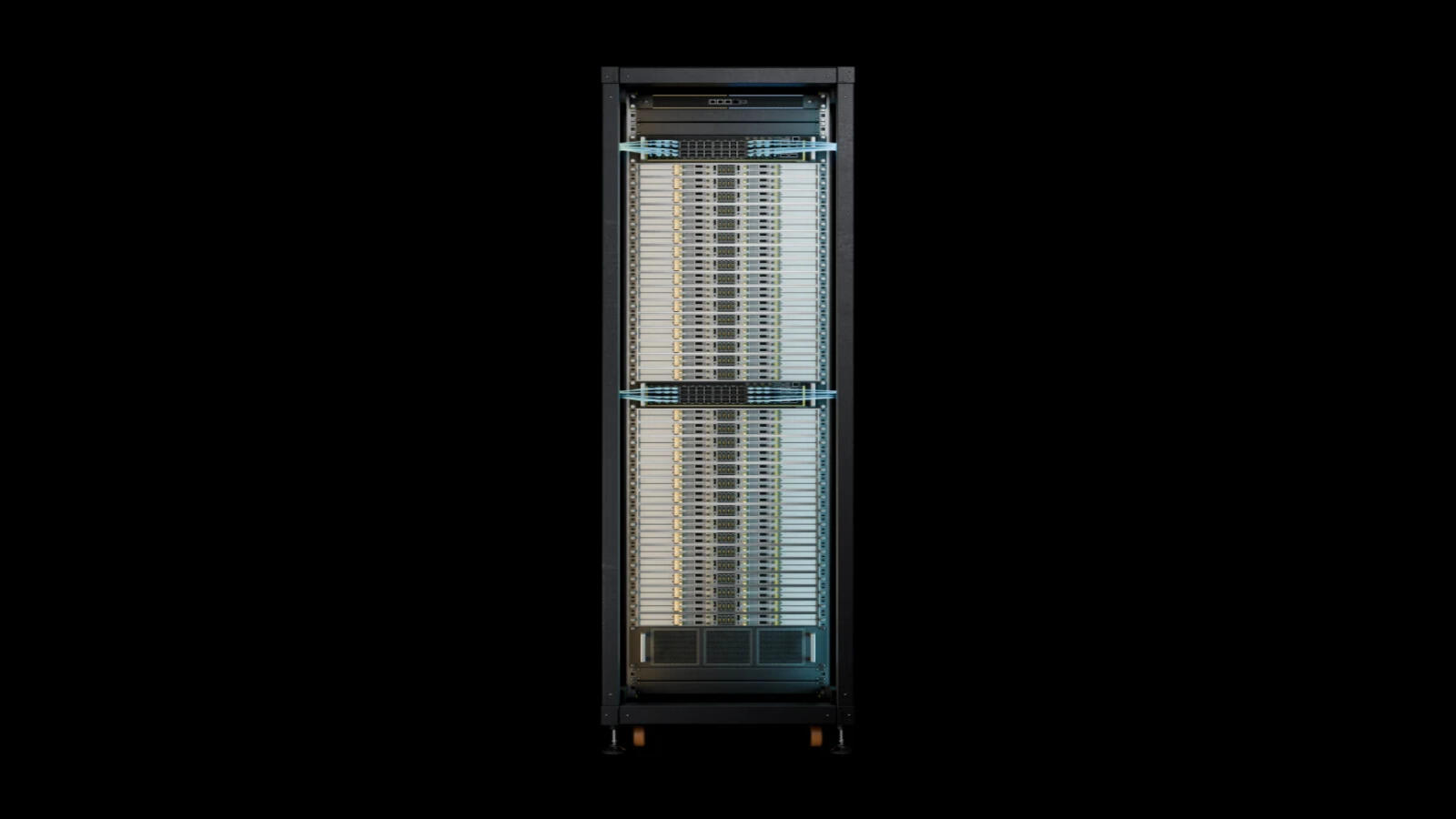
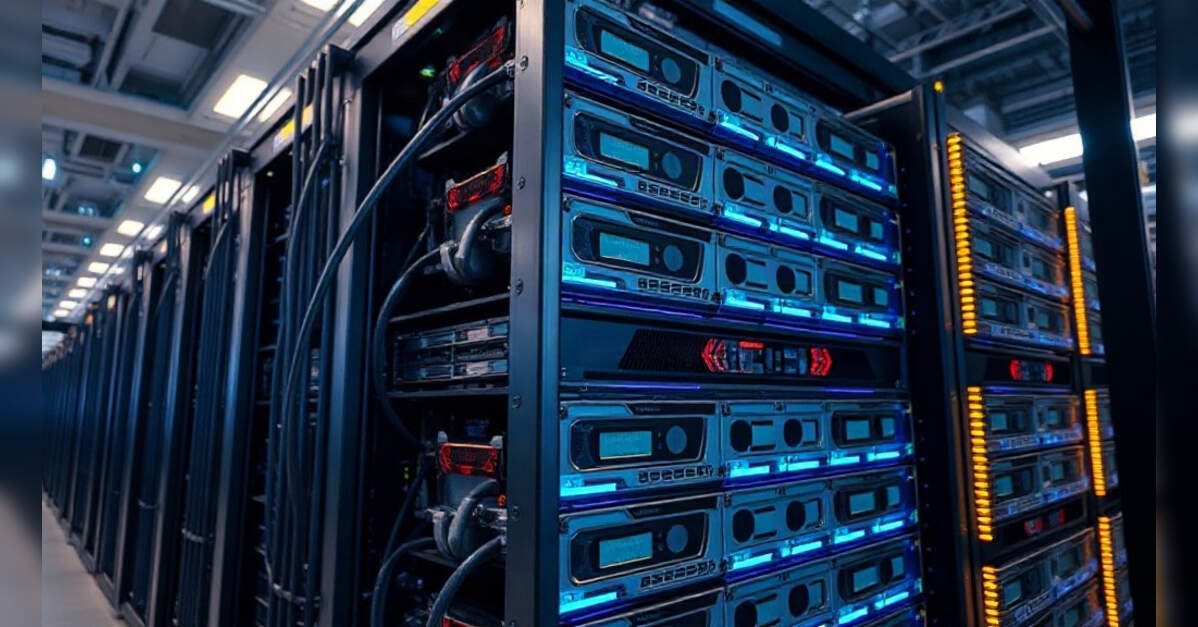
AMD's October 12, 2026 launch of AMD Helion represents a critical infrastructure inflection point for e-commerce sellers seeking to deploy agentic AI at scale. The open-blueprint rack solution combines 6th Gen AMD EPYC processors (supporting up to 32,768 cores) with optional AMD Instinct MI350P GPU acceleration, enabling sellers to run autonomous AI agents for product research, dynamic pricing, inventory management, and customer service automation without massive capital expenditure.
For e-commerce sellers, this infrastructure democratizes access to agentic AI capabilities previously limited to hyperscale platforms like Amazon and Alibaba. The integrated token router allows sellers to direct AI model calls across frontier and open-source models, reducing vendor lock-in and enabling cost-effective deployment of multiple AI agents simultaneously. Mid-market sellers (processing 1,000-10,000 SKUs) can now deploy personal shopping agents, inventory optimization agents, and customer support agents on shared infrastructure, reducing per-agent operational costs by 35-50% compared to cloud-only solutions.
Immediate automation opportunities for sellers: (1) Product Research Agents - Automate competitor price monitoring, trend analysis, and category gap identification across 50+ marketplaces simultaneously, saving 15-20 hours/week of manual research; (2) Dynamic Pricing Agents - Deploy AI agents that adjust prices in real-time based on demand signals, competitor actions, and inventory levels, increasing margins 3-8% for electronics and apparel categories; (3) Customer Service Agents - Automate 60-70% of routine inquiries (shipping status, returns, product specifications) across Amazon, eBay, and Shopify, reducing response time from 24 hours to 2 minutes; (4) Inventory Optimization Agents - Predict demand patterns and automatically reorder inventory, reducing stockouts by 25-40% and excess inventory carrying costs by 15-20%.
The November 2026 availability timeline and ecosystem partner commitments from Cisco, Dell, HPE, Lenovo, and Supermicro signal rapid commercialization. Sellers should begin evaluating agentic AI use cases NOW to capture competitive advantage before infrastructure commoditizes. Early adopters in high-velocity categories (electronics, beauty, apparel) can establish 6-12 month competitive moats through superior product discovery, pricing agility, and customer experience automation.
Questions 8
What data and AI analysis capabilities should sellers prioritize when deploying agentic AI agents?
Sellers should prioritize three high-ROI AI analysis capabilities: (1) **Demand Prediction Agents** - Analyze historical sales data, seasonality, and external signals (weather, events, social trends) to forecast demand 4-12 weeks ahead, enabling inventory optimization and reducing stockouts by 25-40%; (2) **Competitive Intelligence Agents** - Monitor competitor pricing, product launches, and promotional strategies across 50+ marketplaces in real-time, enabling rapid response to market changes; (3) **Customer Sentiment Analysis Agents** - Aggregate and analyze customer reviews, Q&A, and support tickets to identify product improvement opportunities and emerging customer pain points. These three capabilities directly impact revenue (demand prediction), margins (competitive pricing), and retention (customer satisfaction). Sellers should begin collecting and structuring historical data NOW to train these agents before November 2026 launch, ensuring immediate deployment capability.
How do ecosystem partners like Dell, HPE, and Cisco enable seller access to AMD Helion infrastructure?
**Dell Technologies, HPE, Lenovo, Supermicro, and Cisco** will integrate AMD Helion into their product portfolios, offering validated deployment paths and professional services starting November 2026. Sellers can access Helion infrastructure through three models: (1) **Managed Services** - Pay-per-agent pricing ($500-2,000/month per agent) through Dell or HPE managed services, ideal for sellers without infrastructure expertise; (2) **Co-location** - Lease dedicated Helion rack space ($5,000-15,000/month) through data center partners, suitable for mid-market sellers; (3) **Hybrid Cloud** - Deploy Helion agents alongside existing cloud infrastructure (AWS, Azure) through Cisco networking integration, enabling gradual migration. Sellers should contact ecosystem partners in Q4 2026 to evaluate deployment models and negotiate pilot pricing. Early commitments may yield 20-30% discounts on first-year infrastructure costs.
What are the key risks and mitigation strategies for sellers deploying agentic AI through AMD Helion?
**Primary risks**: (1) **Model Drift** - AI agents trained on historical data may perform poorly during market disruptions (supply chain shocks, competitive entries); mitigation: implement weekly model retraining and human-in-the-loop approval for pricing decisions >10% variance; (2) **Data Quality** - Poor historical data leads to poor agent decisions; mitigation: audit inventory, sales, and customer data for accuracy before agent deployment; (3) **Vendor Lock-in** - Reliance on specific AI models or infrastructure; mitigation: leverage Helion's **token router** to maintain flexibility across multiple models and avoid single-vendor dependency; (4) **Regulatory Compliance** - AI-driven pricing may trigger antitrust scrutiny or platform policy violations; mitigation: ensure pricing agents comply with platform policies and maintain audit trails of all pricing decisions. Sellers should implement these mitigations during pilot phases (60-90 days) before full-scale deployment.
How can e-commerce sellers use AMD Helion to automate product research and competitor monitoring?
AMD Helion enables sellers to deploy autonomous **product research agents** that continuously monitor 50+ competitor marketplaces, track price changes, identify trending products, and analyze category gaps—tasks that typically consume 15-20 hours weekly. The infrastructure's **32,768-core CPU configuration** and **integrated token router** allow sellers to run multiple specialized agents simultaneously (price monitoring agent, trend detection agent, gap analysis agent) without cloud API costs. A mid-market seller managing 5,000 SKUs can automate competitor intelligence across Amazon, eBay, Shopify, and Walmart simultaneously, reducing manual research time by 80% while improving decision speed from weekly to real-time. Deployment begins November 2026 through ecosystem partners like Dell and HPE.
How does AMD Helion's token router reduce AI costs compared to cloud-only solutions?
The **integrated token router** directs AI model calls across frontier models (GPT-4, Claude) and open-source models (Llama, Mistral), enabling sellers to optimize cost-per-inference by 40-60%. Instead of paying premium rates for frontier models on every request, sellers route routine tasks (inventory updates, basic customer inquiries) to cost-effective open-source models while reserving frontier models for complex decisions (pricing strategy, trend analysis). A seller processing 100,000 daily AI inferences saves $500-1,200/month by routing 70% to open-source models. The **CPU-GPU configuration** with AMD Instinct MI350P GPUs further reduces inference latency by 50-70%, enabling real-time pricing updates and instant customer responses—capabilities unavailable at comparable cost through AWS, Azure, or Google Cloud.
What is the ROI timeline for sellers deploying agentic AI through AMD Helion infrastructure?
Early-adopter sellers can achieve positive ROI within 60-90 days of deployment. A typical mid-market seller (1,000-5,000 SKUs) saves 25-30 hours/week across product research, pricing optimization, and customer service automation—equivalent to 1.5 FTE positions at $50-70K annual cost. Infrastructure costs for shared Helion deployments through ecosystem partners range $2,000-5,000/month for dedicated agent capacity, yielding 3-6 month payback periods. High-velocity categories (electronics, beauty, apparel) see faster ROI (60-90 days) due to higher price sensitivity and faster inventory turnover. The **November 2026 availability** means sellers can begin pilots immediately to establish competitive advantage before infrastructure commoditizes in 2027.
What competitive advantages do early-adopter sellers gain from deploying agentic AI before November 2026?
Sellers who begin agentic AI pilots NOW (before official November 2026 launch) establish 6-12 month competitive moats through superior product discovery, pricing agility, and customer experience. Early adopters can: (1) identify trending products 2-4 weeks before competitors through automated trend detection agents; (2) adjust prices 10-50x faster than manual competitors, capturing margin opportunities during demand spikes; (3) respond to customer inquiries in <2 minutes vs. 24-hour competitor response times; (4) reduce inventory carrying costs by 15-20% through predictive demand agents. These advantages compound—faster inventory turnover generates more data for better predictions, creating a virtuous cycle. By the time infrastructure commoditizes in 2027, early adopters will have established brand reputation for superior customer experience and product availability, defensible advantages that persist beyond technology parity.
Which e-commerce categories benefit most from agentic AI automation via AMD Helion?
**Electronics, beauty, and apparel** categories see highest ROI from agentic AI deployment due to high price volatility, rapid inventory turnover, and intense competition. Electronics sellers benefit from real-time price monitoring (margin impact: 3-8% improvement), beauty sellers from trend detection agents (reduce stockouts by 25-40%), and apparel sellers from demand prediction agents (reduce excess inventory by 15-20%). **Home and garden** categories benefit from seasonal demand forecasting agents that optimize inventory 4-6 weeks ahead of peak seasons. **Books and media** sellers gain from automated review aggregation and sentiment analysis agents. Lower-velocity categories (furniture, industrial supplies) see slower ROI due to longer sales cycles and lower price sensitivity. Sellers should prioritize categories with >$100K monthly revenue and >10% price volatility for fastest payback.
What data and AI analysis capabilities should sellers prioritize when deploying agentic AI agents?
Sellers should prioritize three high-ROI AI analysis capabilities: (1) **Demand Prediction Agents** - Analyze historical sales data, seasonality, and external signals (weather, events, social trends) to forecast demand 4-12 weeks ahead, enabling inventory optimization and reducing stockouts by 25-40%; (2) **Competitive Intelligence Agents** - Monitor competitor pricing, product launches, and promotional strategies across 50+ marketplaces in real-time, enabling rapid response to market changes; (3) **Customer Sentiment Analysis Agents** - Aggregate and analyze customer reviews, Q&A, and support tickets to identify product improvement opportunities and emerging customer pain points. These three capabilities directly impact revenue (demand prediction), margins (competitive pricing), and retention (customer satisfaction). Sellers should begin collecting and structuring historical data NOW to train these agents before November 2026 launch, ensuring immediate deployment capability.
How do ecosystem partners like Dell, HPE, and Cisco enable seller access to AMD Helion infrastructure?
**Dell Technologies, HPE, Lenovo, Supermicro, and Cisco** will integrate AMD Helion into their product portfolios, offering validated deployment paths and professional services starting November 2026. Sellers can access Helion infrastructure through three models: (1) **Managed Services** - Pay-per-agent pricing ($500-2,000/month per agent) through Dell or HPE managed services, ideal for sellers without infrastructure expertise; (2) **Co-location** - Lease dedicated Helion rack space ($5,000-15,000/month) through data center partners, suitable for mid-market sellers; (3) **Hybrid Cloud** - Deploy Helion agents alongside existing cloud infrastructure (AWS, Azure) through Cisco networking integration, enabling gradual migration. Sellers should contact ecosystem partners in Q4 2026 to evaluate deployment models and negotiate pilot pricing. Early commitments may yield 20-30% discounts on first-year infrastructure costs.
What are the key risks and mitigation strategies for sellers deploying agentic AI through AMD Helion?
**Primary risks**: (1) **Model Drift** - AI agents trained on historical data may perform poorly during market disruptions (supply chain shocks, competitive entries); mitigation: implement weekly model retraining and human-in-the-loop approval for pricing decisions >10% variance; (2) **Data Quality** - Poor historical data leads to poor agent decisions; mitigation: audit inventory, sales, and customer data for accuracy before agent deployment; (3) **Vendor Lock-in** - Reliance on specific AI models or infrastructure; mitigation: leverage Helion's **token router** to maintain flexibility across multiple models and avoid single-vendor dependency; (4) **Regulatory Compliance** - AI-driven pricing may trigger antitrust scrutiny or platform policy violations; mitigation: ensure pricing agents comply with platform policies and maintain audit trails of all pricing decisions. Sellers should implement these mitigations during pilot phases (60-90 days) before full-scale deployment.
How can e-commerce sellers use AMD Helion to automate product research and competitor monitoring?
AMD Helion enables sellers to deploy autonomous **product research agents** that continuously monitor 50+ competitor marketplaces, track price changes, identify trending products, and analyze category gaps—tasks that typically consume 15-20 hours weekly. The infrastructure's **32,768-core CPU configuration** and **integrated token router** allow sellers to run multiple specialized agents simultaneously (price monitoring agent, trend detection agent, gap analysis agent) without cloud API costs. A mid-market seller managing 5,000 SKUs can automate competitor intelligence across Amazon, eBay, Shopify, and Walmart simultaneously, reducing manual research time by 80% while improving decision speed from weekly to real-time. Deployment begins November 2026 through ecosystem partners like Dell and HPE.
How does AMD Helion's token router reduce AI costs compared to cloud-only solutions?
The **integrated token router** directs AI model calls across frontier models (GPT-4, Claude) and open-source models (Llama, Mistral), enabling sellers to optimize cost-per-inference by 40-60%. Instead of paying premium rates for frontier models on every request, sellers route routine tasks (inventory updates, basic customer inquiries) to cost-effective open-source models while reserving frontier models for complex decisions (pricing strategy, trend analysis). A seller processing 100,000 daily AI inferences saves $500-1,200/month by routing 70% to open-source models. The **CPU-GPU configuration** with AMD Instinct MI350P GPUs further reduces inference latency by 50-70%, enabling real-time pricing updates and instant customer responses—capabilities unavailable at comparable cost through AWS, Azure, or Google Cloud.
What is the ROI timeline for sellers deploying agentic AI through AMD Helion infrastructure?
Early-adopter sellers can achieve positive ROI within 60-90 days of deployment. A typical mid-market seller (1,000-5,000 SKUs) saves 25-30 hours/week across product research, pricing optimization, and customer service automation—equivalent to 1.5 FTE positions at $50-70K annual cost. Infrastructure costs for shared Helion deployments through ecosystem partners range $2,000-5,000/month for dedicated agent capacity, yielding 3-6 month payback periods. High-velocity categories (electronics, beauty, apparel) see faster ROI (60-90 days) due to higher price sensitivity and faster inventory turnover. The **November 2026 availability** means sellers can begin pilots immediately to establish competitive advantage before infrastructure commoditizes in 2027.
What competitive advantages do early-adopter sellers gain from deploying agentic AI before November 2026?
Sellers who begin agentic AI pilots NOW (before official November 2026 launch) establish 6-12 month competitive moats through superior product discovery, pricing agility, and customer experience. Early adopters can: (1) identify trending products 2-4 weeks before competitors through automated trend detection agents; (2) adjust prices 10-50x faster than manual competitors, capturing margin opportunities during demand spikes; (3) respond to customer inquiries in <2 minutes vs. 24-hour competitor response times; (4) reduce inventory carrying costs by 15-20% through predictive demand agents. These advantages compound—faster inventory turnover generates more data for better predictions, creating a virtuous cycle. By the time infrastructure commoditizes in 2027, early adopters will have established brand reputation for superior customer experience and product availability, defensible advantages that persist beyond technology parity.
Which e-commerce categories benefit most from agentic AI automation via AMD Helion?
**Electronics, beauty, and apparel** categories see highest ROI from agentic AI deployment due to high price volatility, rapid inventory turnover, and intense competition. Electronics sellers benefit from real-time price monitoring (margin impact: 3-8% improvement), beauty sellers from trend detection agents (reduce stockouts by 25-40%), and apparel sellers from demand prediction agents (reduce excess inventory by 15-20%). **Home and garden** categories benefit from seasonal demand forecasting agents that optimize inventory 4-6 weeks ahead of peak seasons. **Books and media** sellers gain from automated review aggregation and sentiment analysis agents. Lower-velocity categories (furniture, industrial supplies) see slower ROI due to longer sales cycles and lower price sensitivity. Sellers should prioritize categories with >$100K monthly revenue and >10% price volatility for fastest payback.
What data and AI analysis capabilities should sellers prioritize when deploying agentic AI agents?
Sellers should prioritize three high-ROI AI analysis capabilities: (1) **Demand Prediction Agents** - Analyze historical sales data, seasonality, and external signals (weather, events, social trends) to forecast demand 4-12 weeks ahead, enabling inventory optimization and reducing stockouts by 25-40%; (2) **Competitive Intelligence Agents** - Monitor competitor pricing, product launches, and promotional strategies across 50+ marketplaces in real-time, enabling rapid response to market changes; (3) **Customer Sentiment Analysis Agents** - Aggregate and analyze customer reviews, Q&A, and support tickets to identify product improvement opportunities and emerging customer pain points. These three capabilities directly impact revenue (demand prediction), margins (competitive pricing), and retention (customer satisfaction). Sellers should begin collecting and structuring historical data NOW to train these agents before November 2026 launch, ensuring immediate deployment capability.
How do ecosystem partners like Dell, HPE, and Cisco enable seller access to AMD Helion infrastructure?
**Dell Technologies, HPE, Lenovo, Supermicro, and Cisco** will integrate AMD Helion into their product portfolios, offering validated deployment paths and professional services starting November 2026. Sellers can access Helion infrastructure through three models: (1) **Managed Services** - Pay-per-agent pricing ($500-2,000/month per agent) through Dell or HPE managed services, ideal for sellers without infrastructure expertise; (2) **Co-location** - Lease dedicated Helion rack space ($5,000-15,000/month) through data center partners, suitable for mid-market sellers; (3) **Hybrid Cloud** - Deploy Helion agents alongside existing cloud infrastructure (AWS, Azure) through Cisco networking integration, enabling gradual migration. Sellers should contact ecosystem partners in Q4 2026 to evaluate deployment models and negotiate pilot pricing. Early commitments may yield 20-30% discounts on first-year infrastructure costs.